Latest issue
Kentucky's Stormwater Grade Is a D-Minus. Here's What That Actually Measures.
10/27/2026
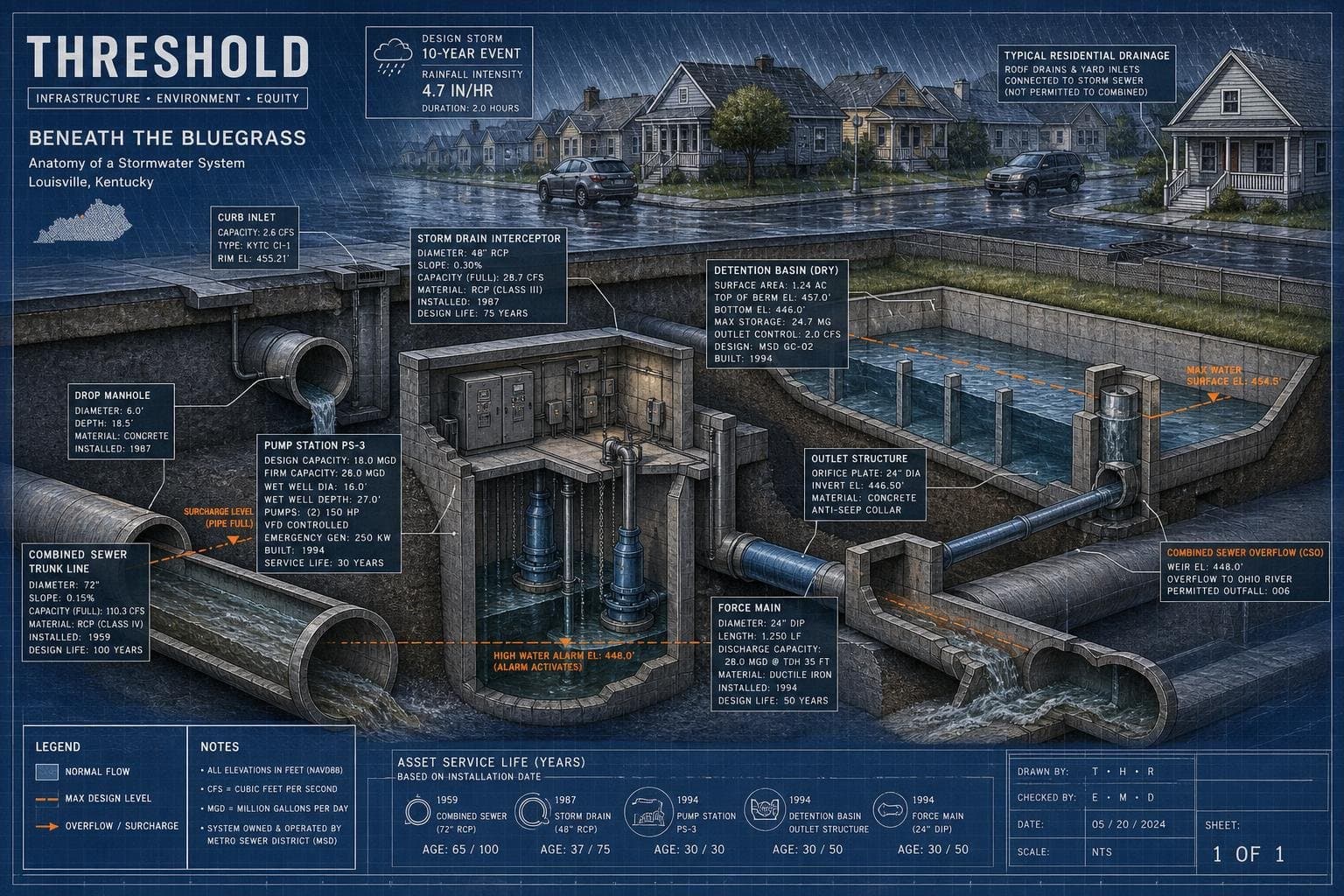
Most infrastructure report cards bury their worst news in the middle of the alphabet. Kentucky's latest didn't. Stormwater systems came in at a D-minus — the lowest mark in the state's entire infrastructure portfolio, below even the D-plus grades handed to levees and dams, accord…
Recent posts
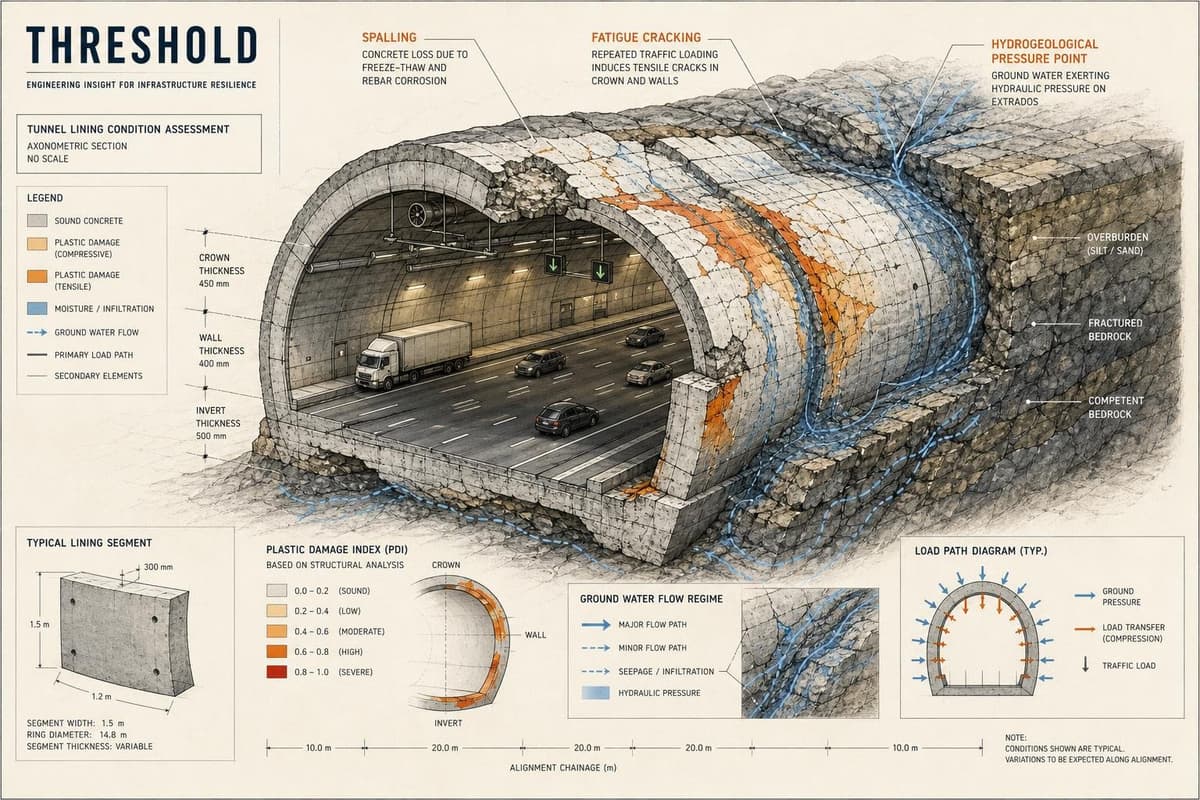
Bridges get a letter grade every four years. Roads get a letter grade. Tunnels, the structures where a structural failure traps people underground instead of just closing a lane, d…
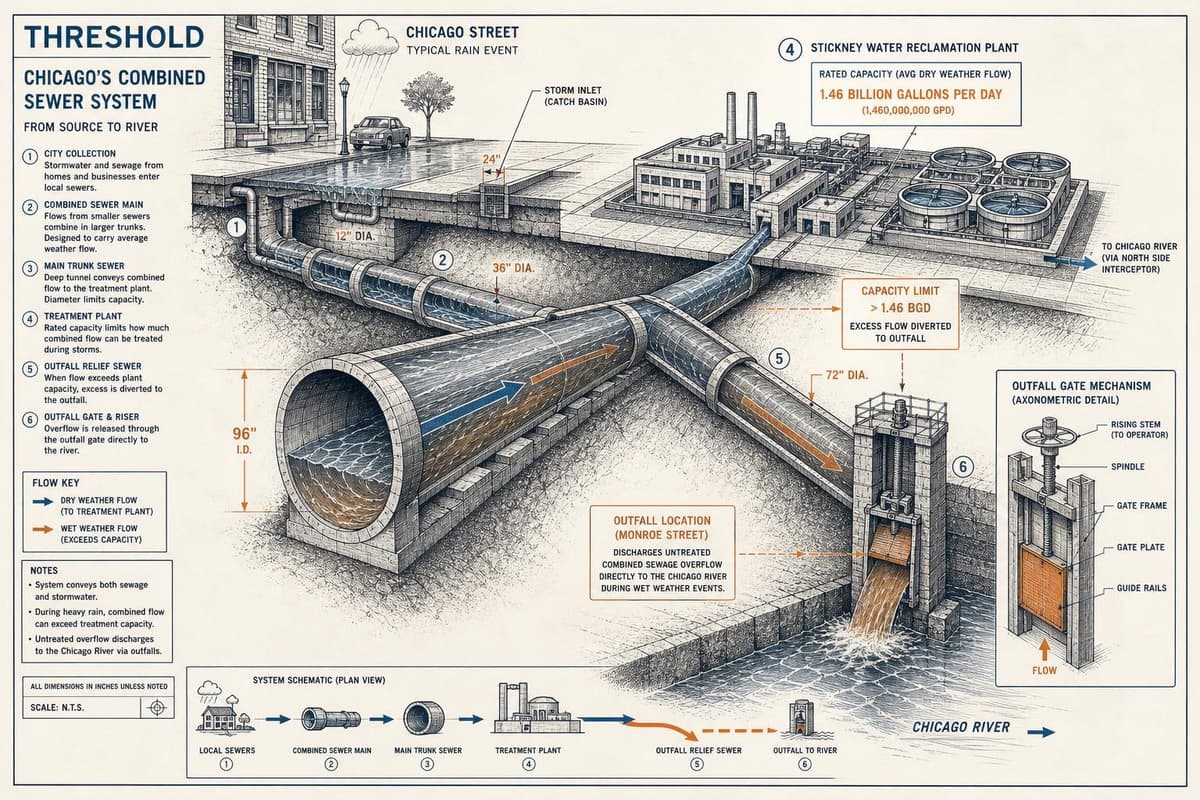
Chicago's Bubbly Creek had eight combined sewer overflow events this summer — the most since Urban Rivers began tracking the area in 2022, according to research director Phil Nicod…
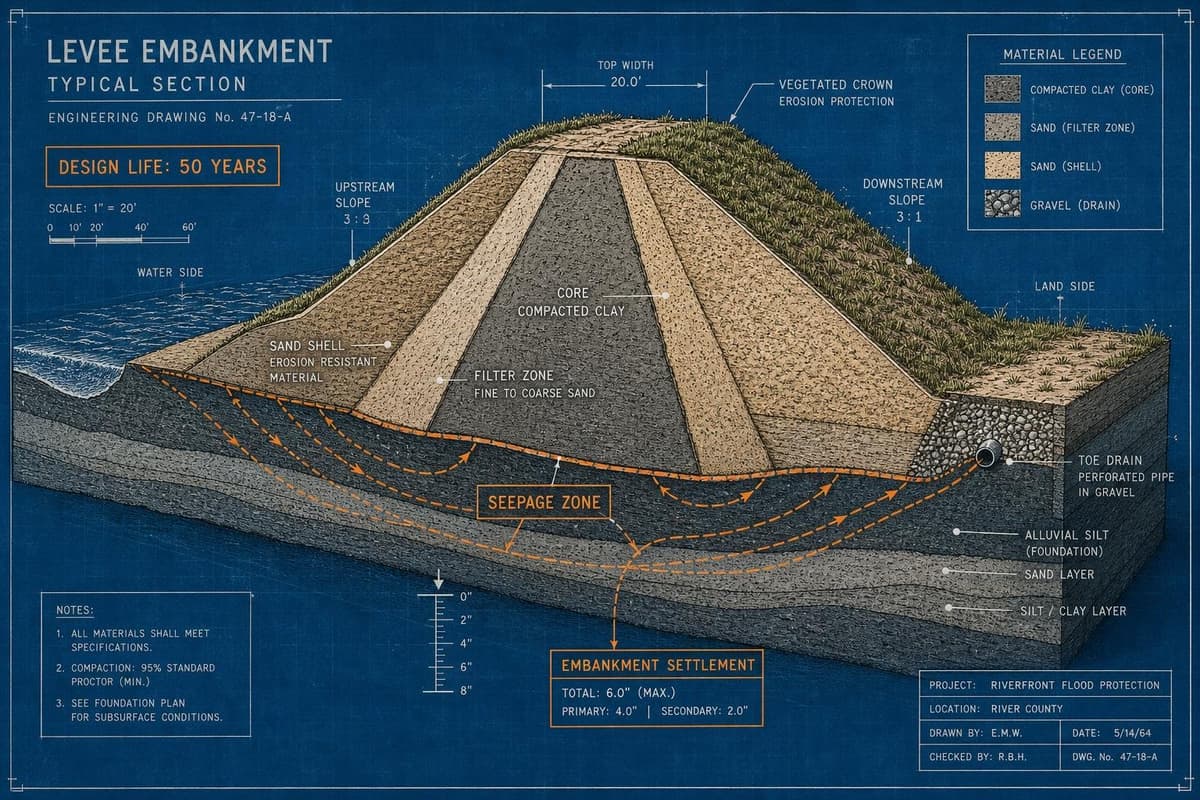
Three out of five levees in Pennsylvania lack a FEMA accreditation stamp. That sounds like a crisis until you understand what accreditation actually measures — and what it doesn't.…
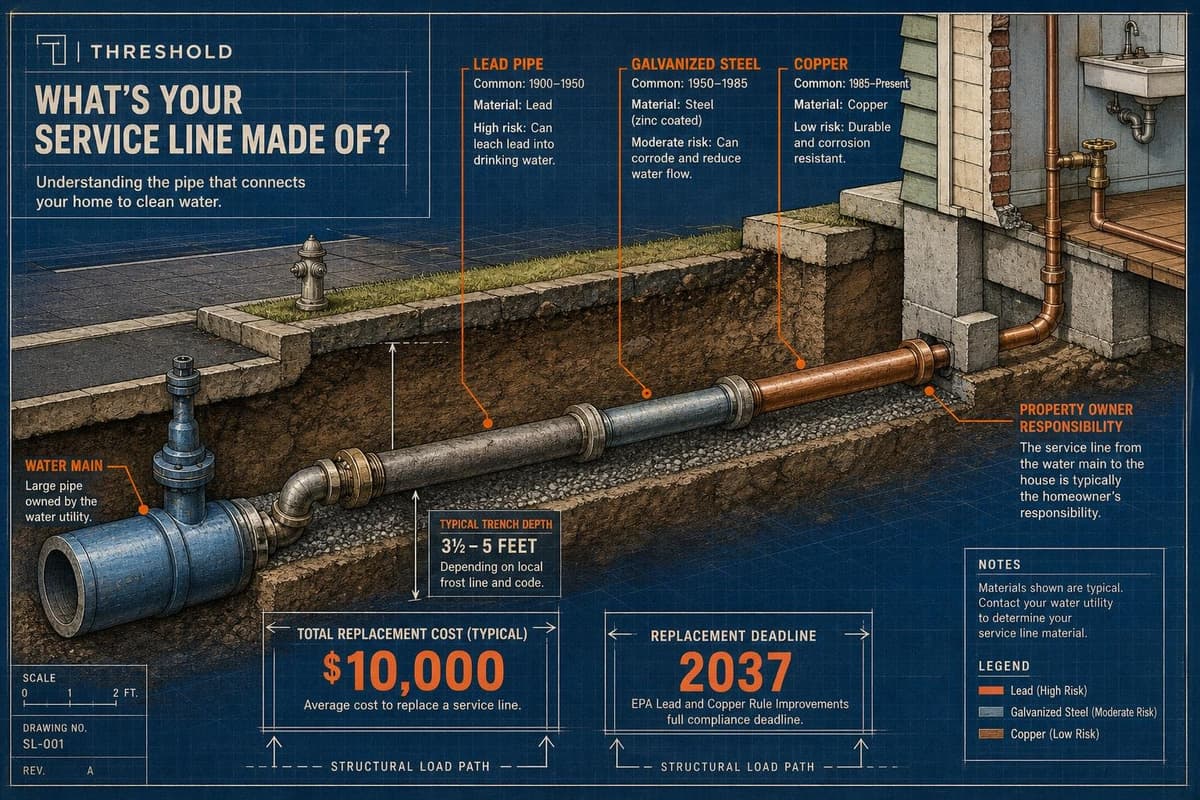
Barbara Deyounge-Ezell got a letter from New York City's Department of Environmental Protection in 2024 telling her the pipe carrying water into her Queens home was made of lead. R…
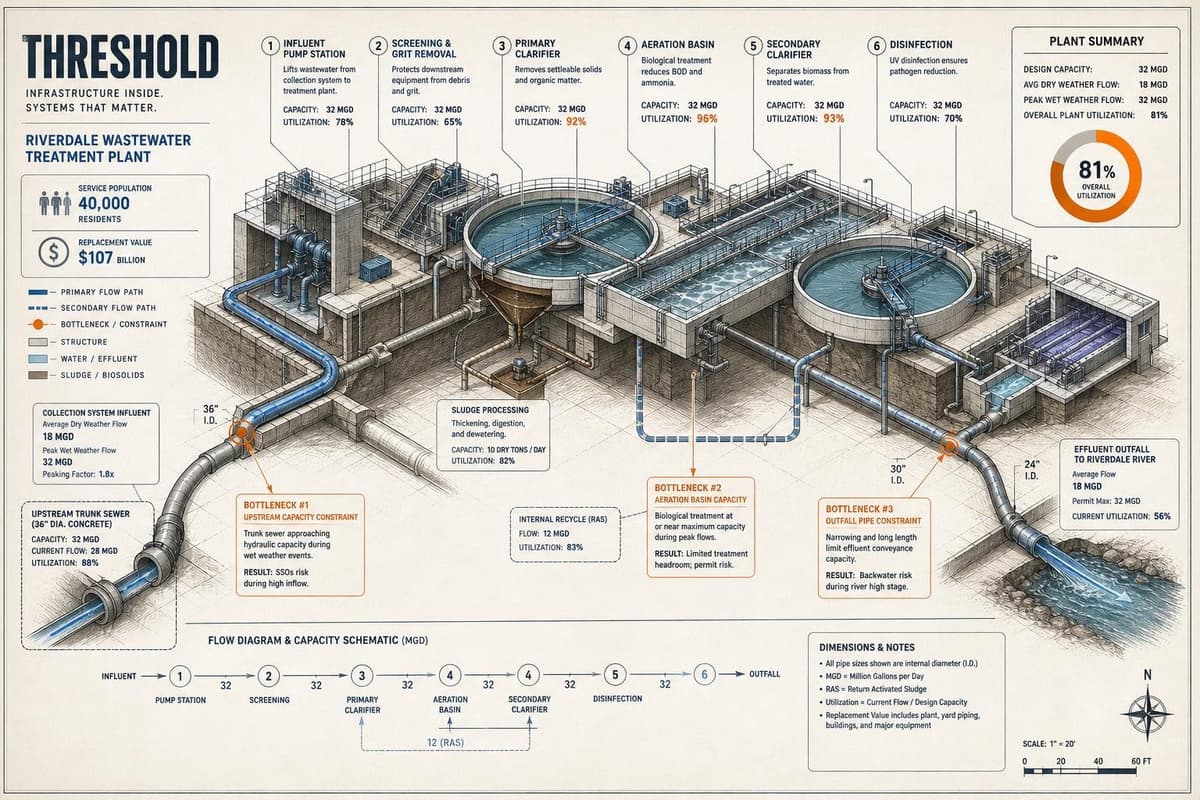
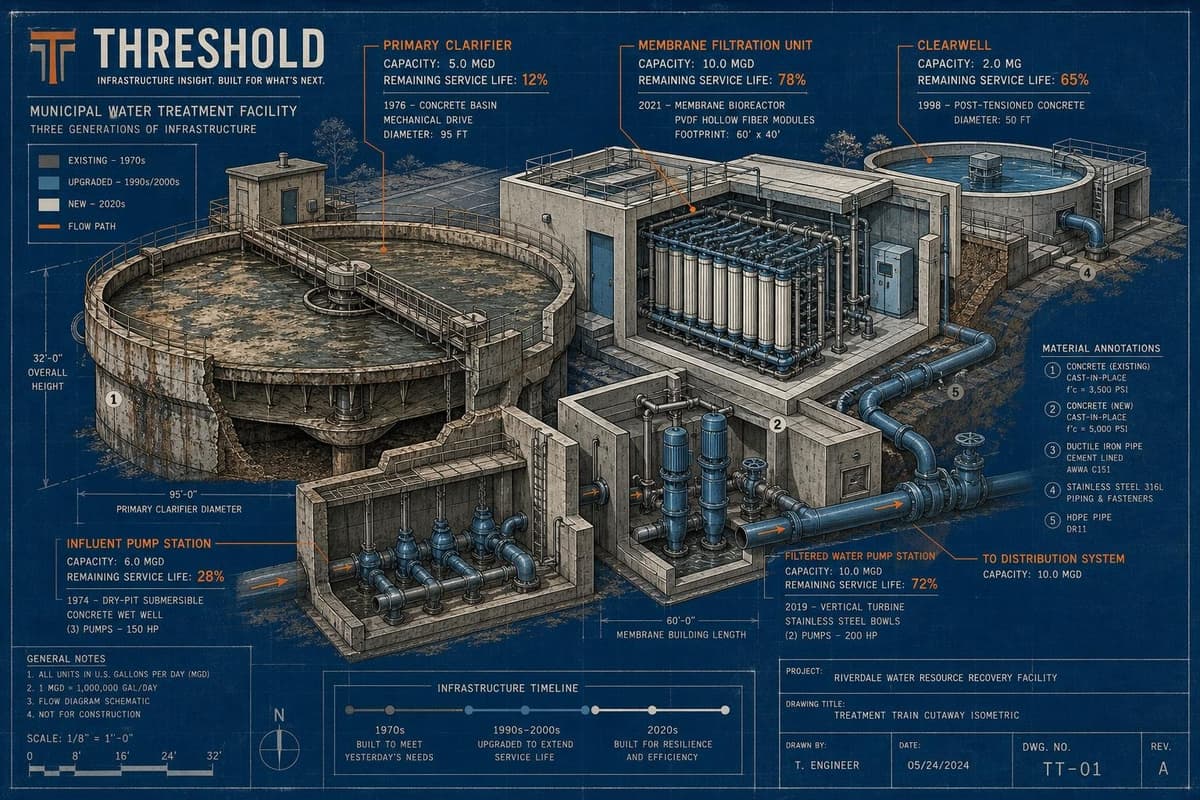
Winnipeg knows exactly how much room it has left. The city's North End Sewage Treatment Plant is mid-upgrade, but the existing system can absorb roughly 40,000 more residents befor…
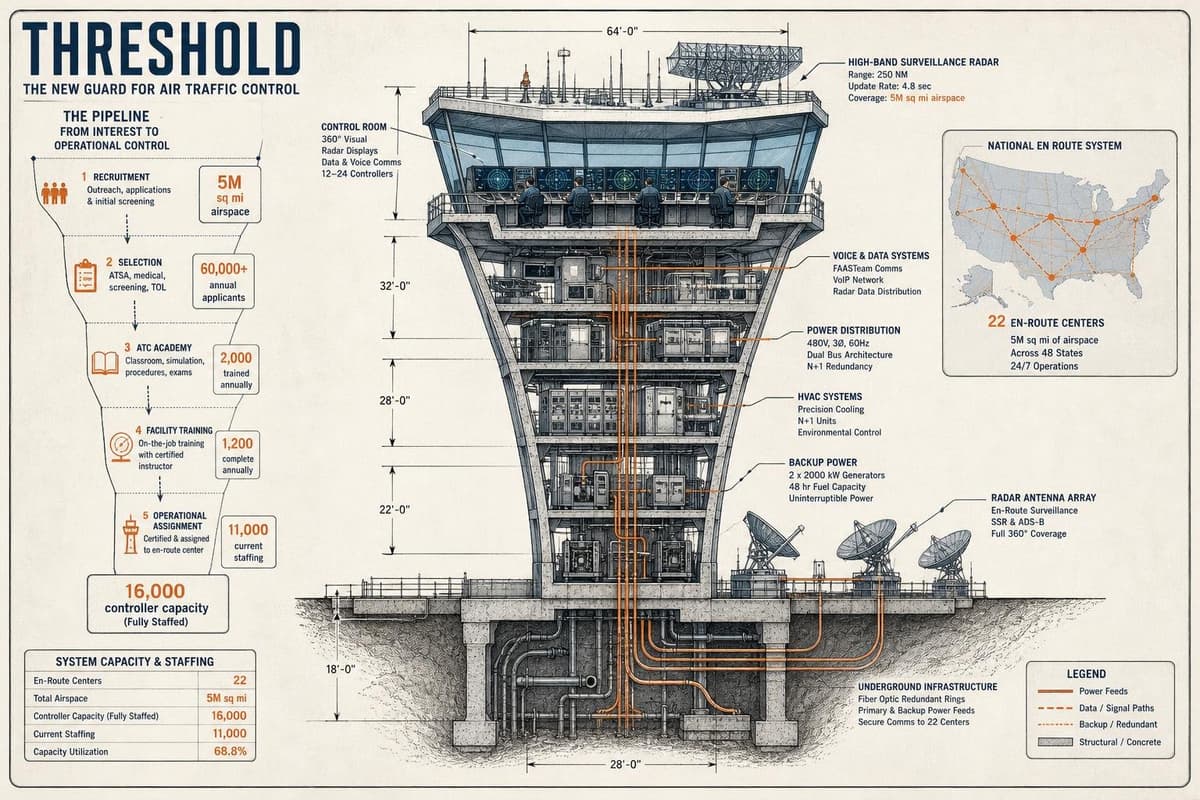
The FAA just hit a milestone that sounds like progress: more than 2,000 new air traffic controllers hired after a spring recruiting campaign that targeted video gamers, meeting 94%…
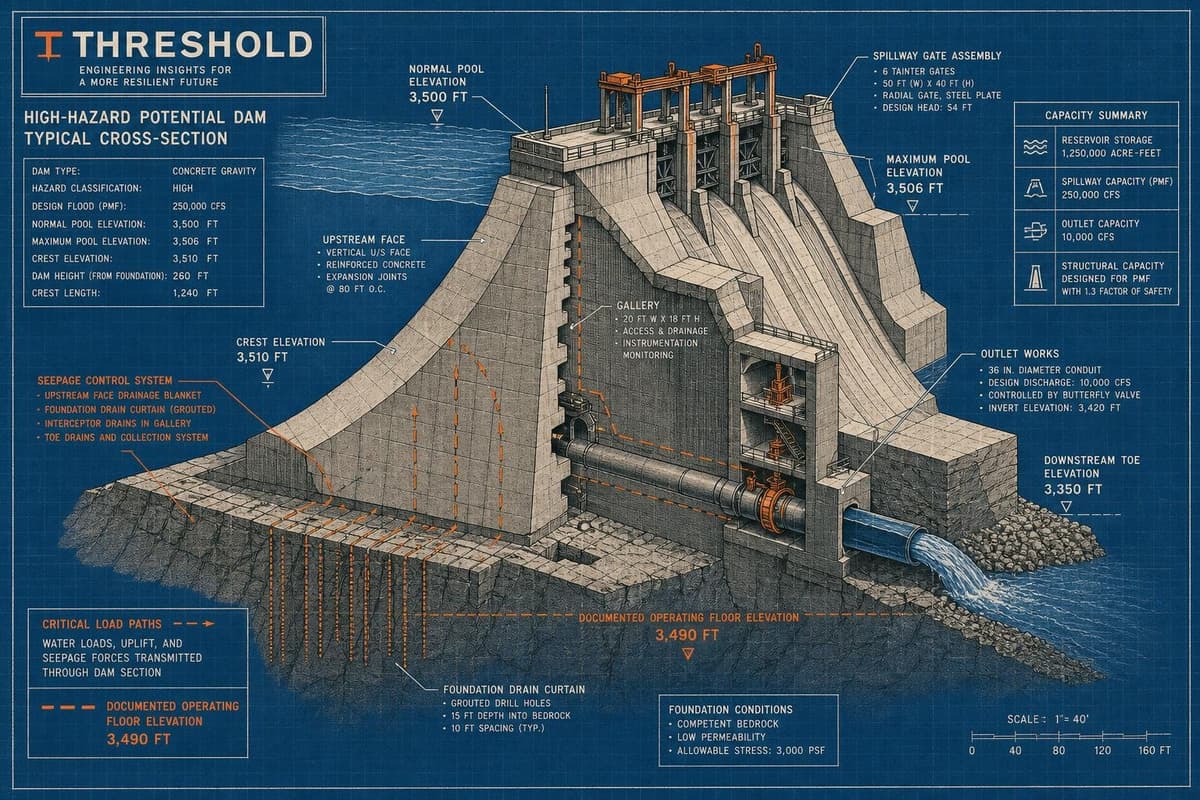
The math on dam safety has never been complicated. Preventive maintenance on a high-hazard dam costs a fraction of emergency repair after a failure — and emergency repair costs not…
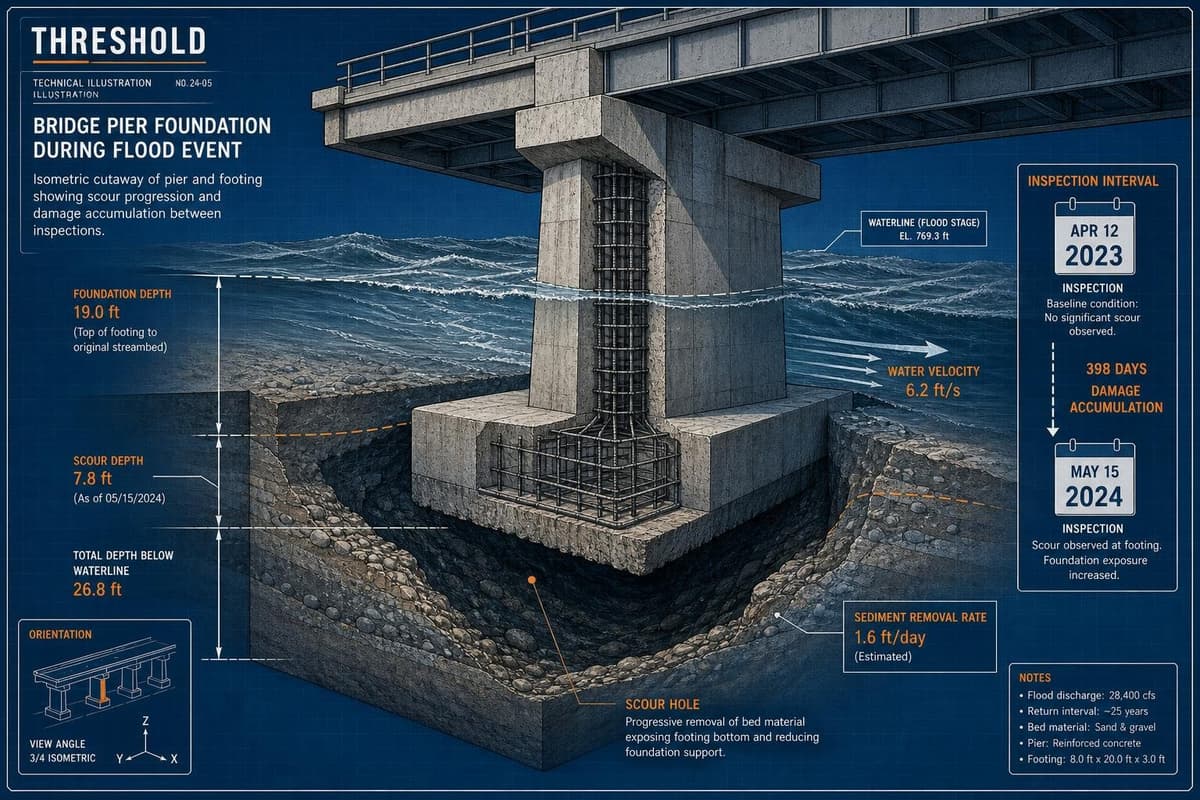
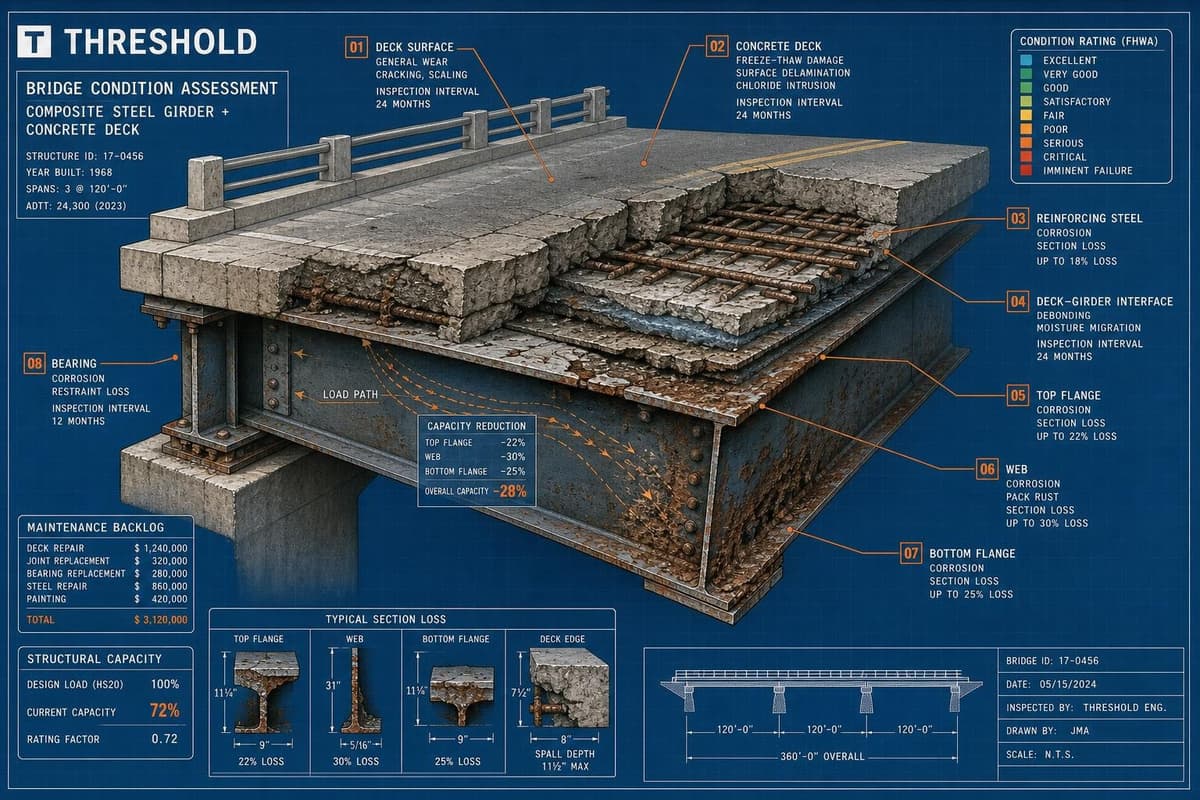
Bridge inspections run on a calendar. Deterioration doesn't. Federal standards require most highway bridges to be inspected at least once every 24 months. That interval made reason…
A city can approve ten thousand new housing units. It can rezone industrial corridors, fast-track permits, and cut ribbon after ribbon. What it cannot do is conjure treatment capac…
One out of every nine bridge crossings in Massachusetts happens on a bridge rated in poor condition. Not structurally failed. Not closed. But poor — the kind of rating that means t…
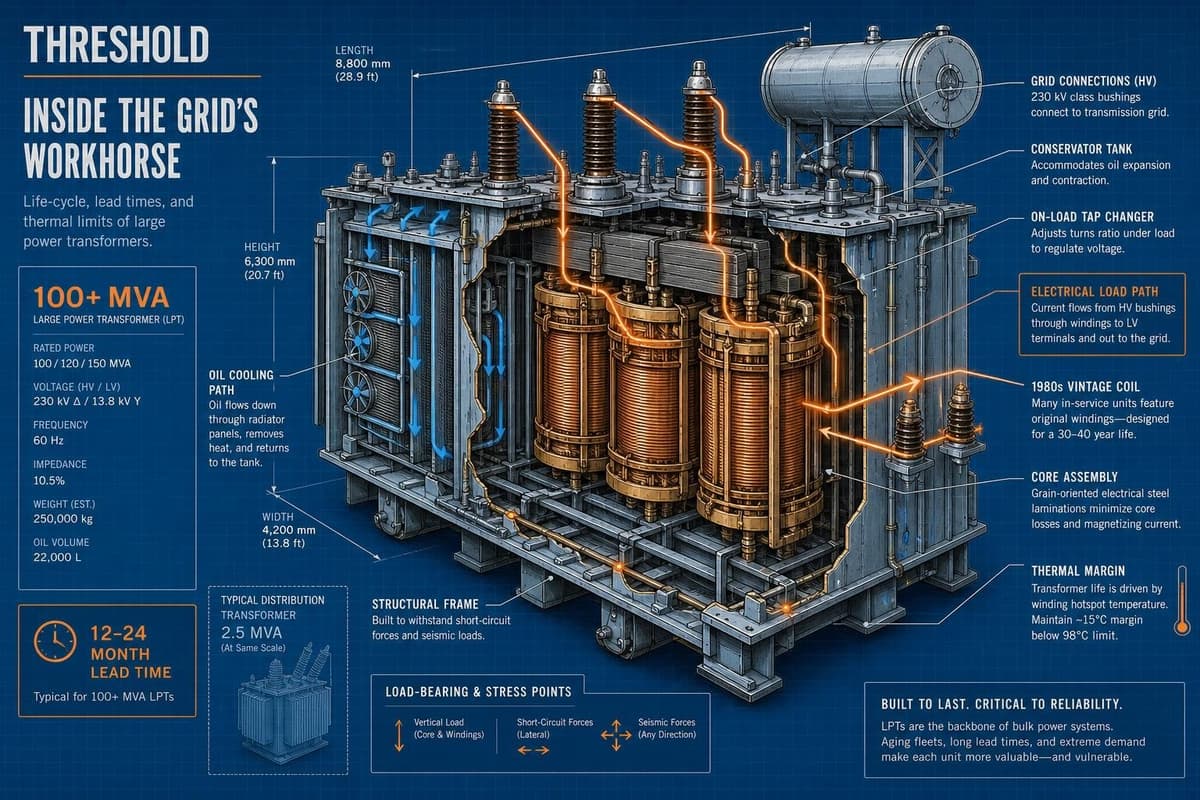
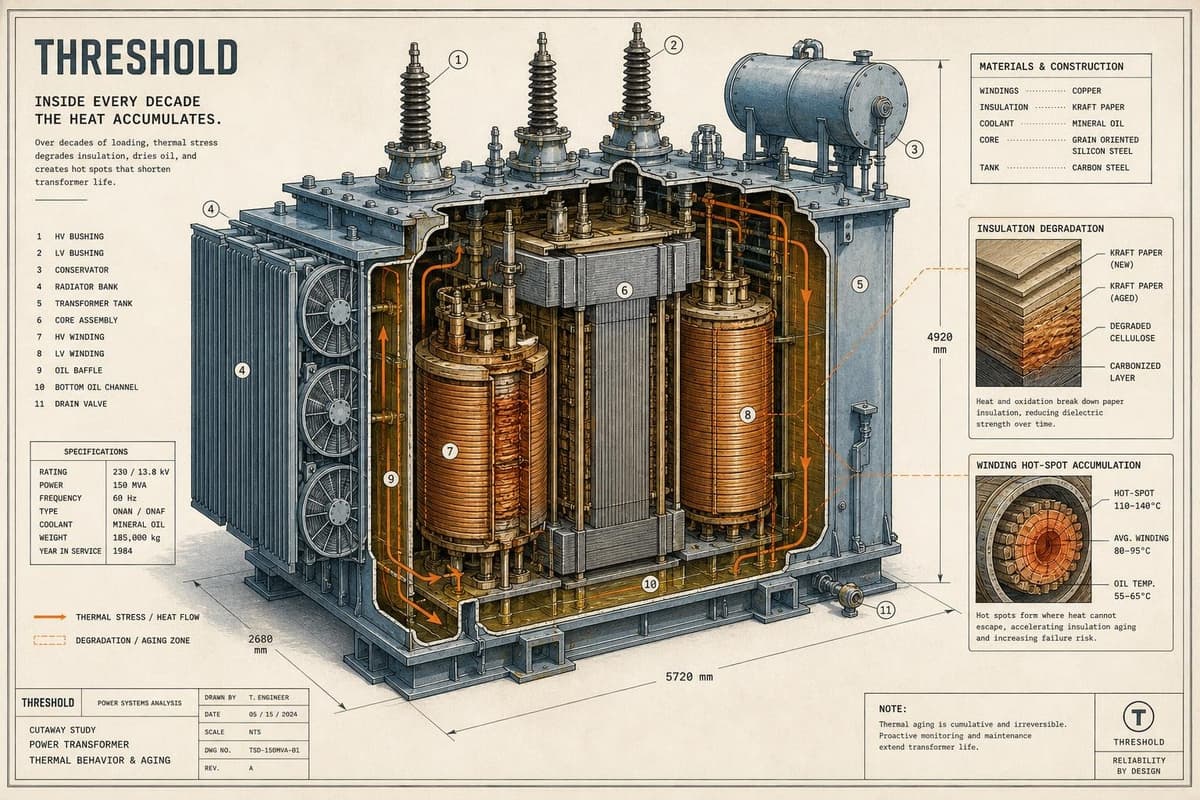
The most-cited statistic in American grid coverage has a stranger origin than almost anyone quoting it realizes. The claim that the average U.S. transformer is more than 40 years o…
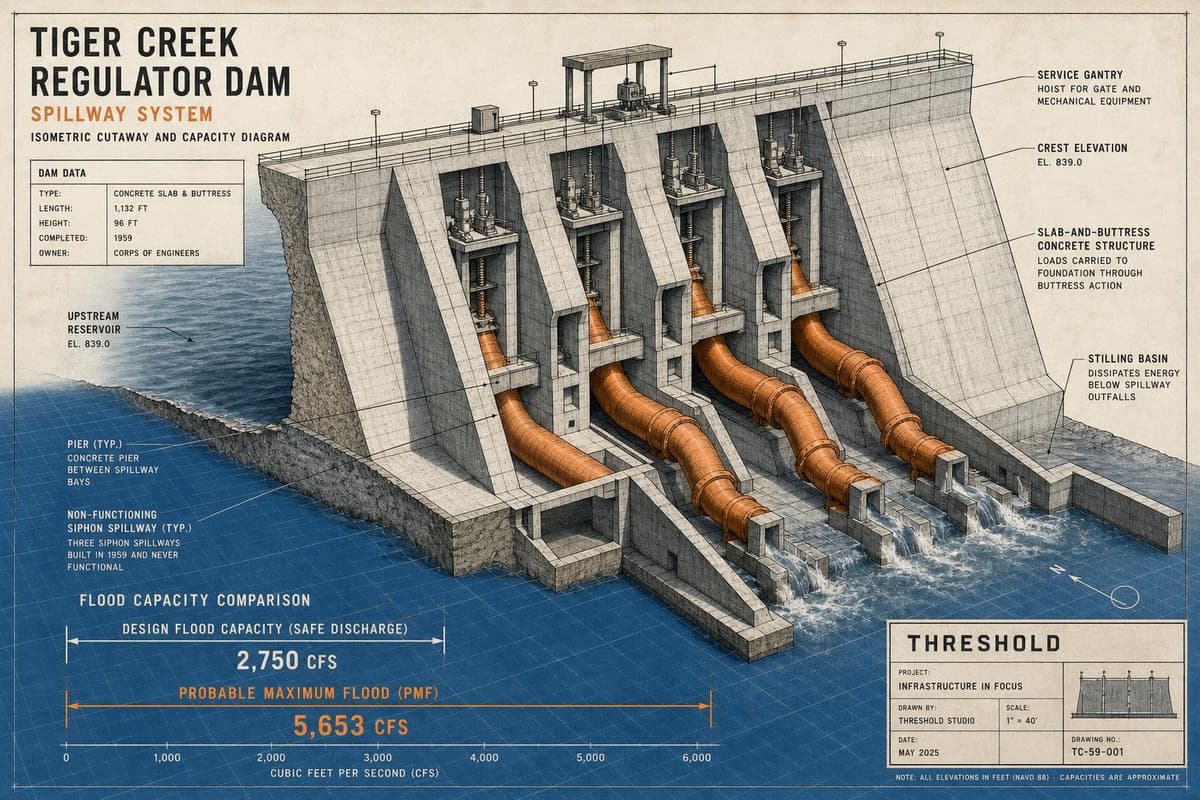
A 1931 dam. A spillway designed for a world that no longer exists. And hydraulic modeling that revealed the gap only after a catastrophic failure somewhere else forced engineers to…
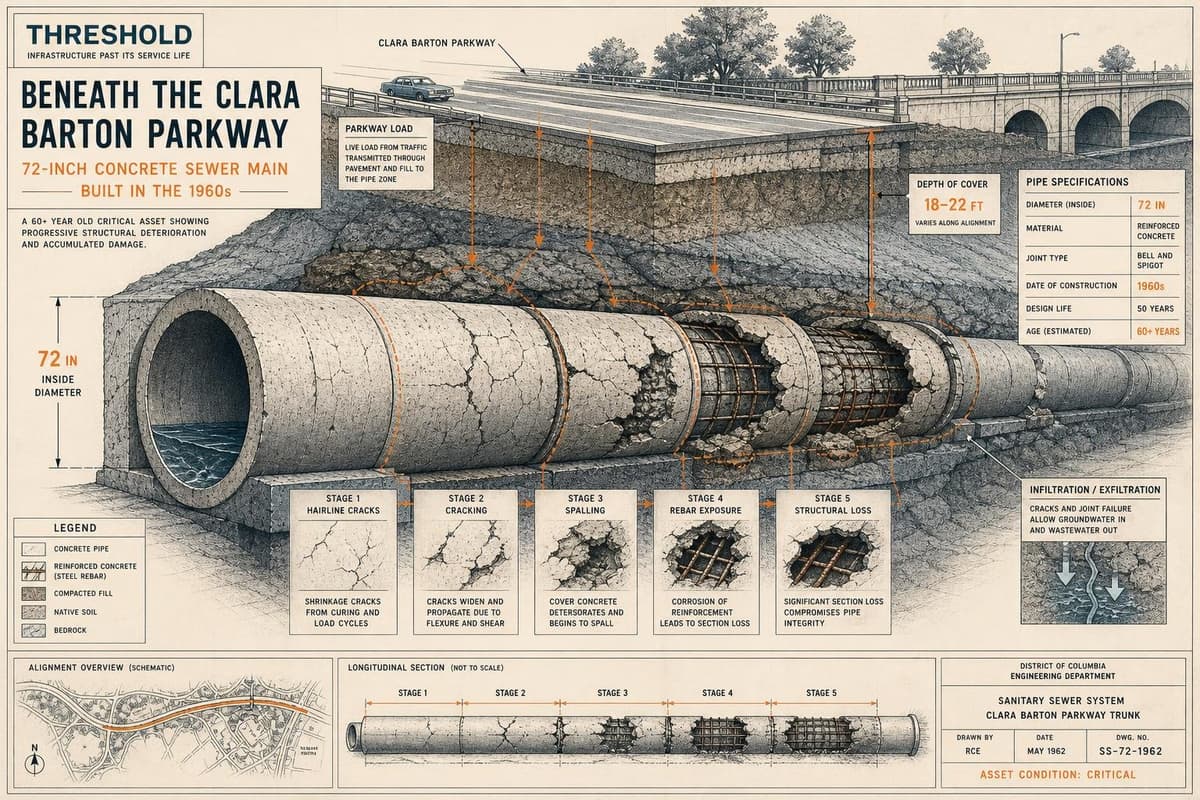
On January 19, 2026, a 72-inch concrete sewer main collapsed along the Clara Barton Parkway in Montgomery County, Maryland. The pipe — part of a system called the Potomac Intercept…
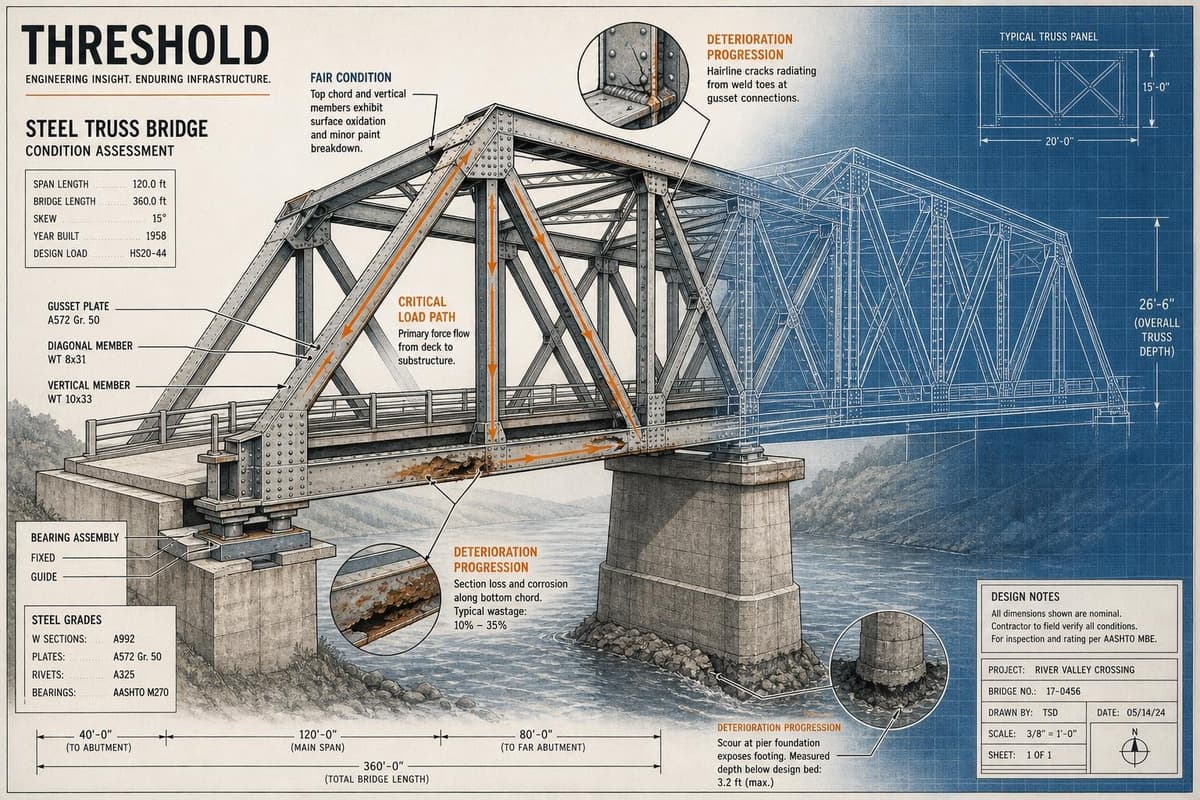
The number that should worry bridge engineers isn't 6.7%. That's the share of U.S. bridges currently rated poor — roughly 41,685 structures as of June 2025, down from 57,049 in 201…
The grid's most vulnerable component doesn't trip a breaker or throw a fault code when it starts to fail. A substation transformer overheats slowly, insulation degrading degree by…
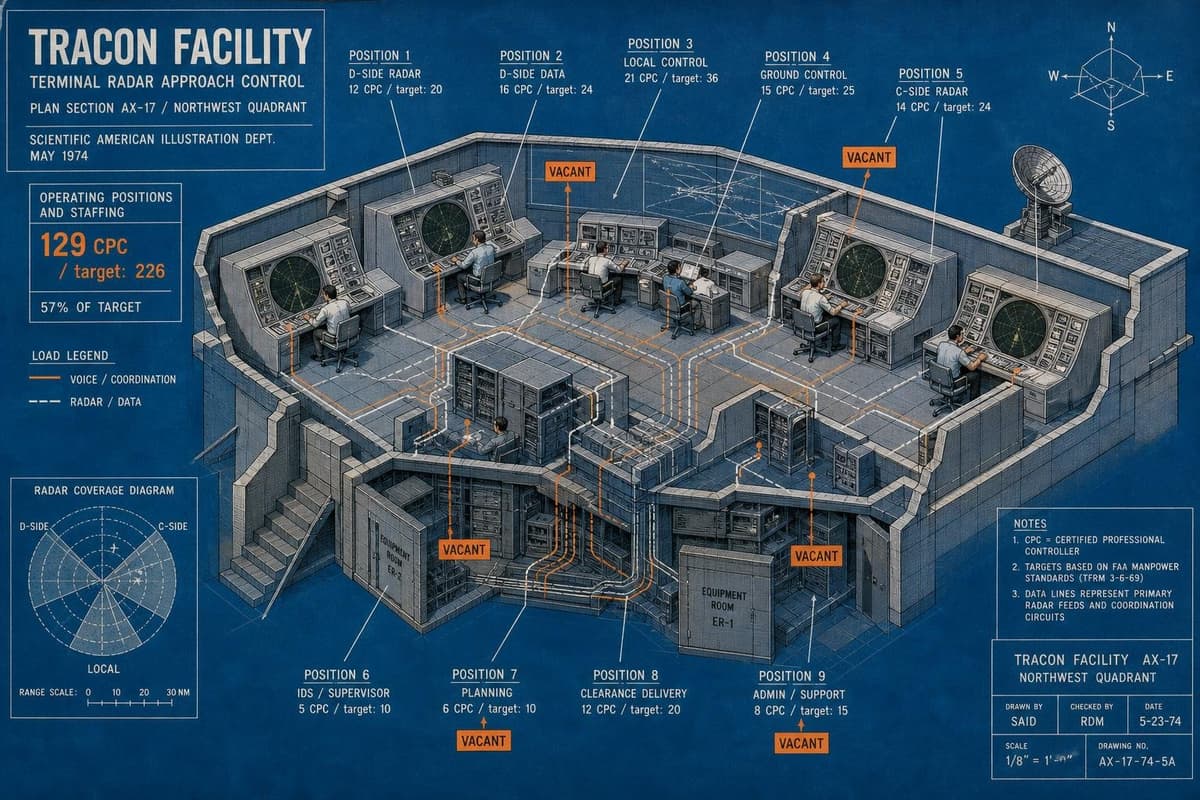
Newark Liberty is running at 57 percent of its controller staffing target. Not 57 percent of some aspirational stretch goal — 57 percent of the number the FAA itself says it needs…
Corpus Christi's reservoirs are sitting at roughly 8% of combined capacity as of May 2026. The city's 318,000 residents have been under outdoor watering restrictions since August 2…
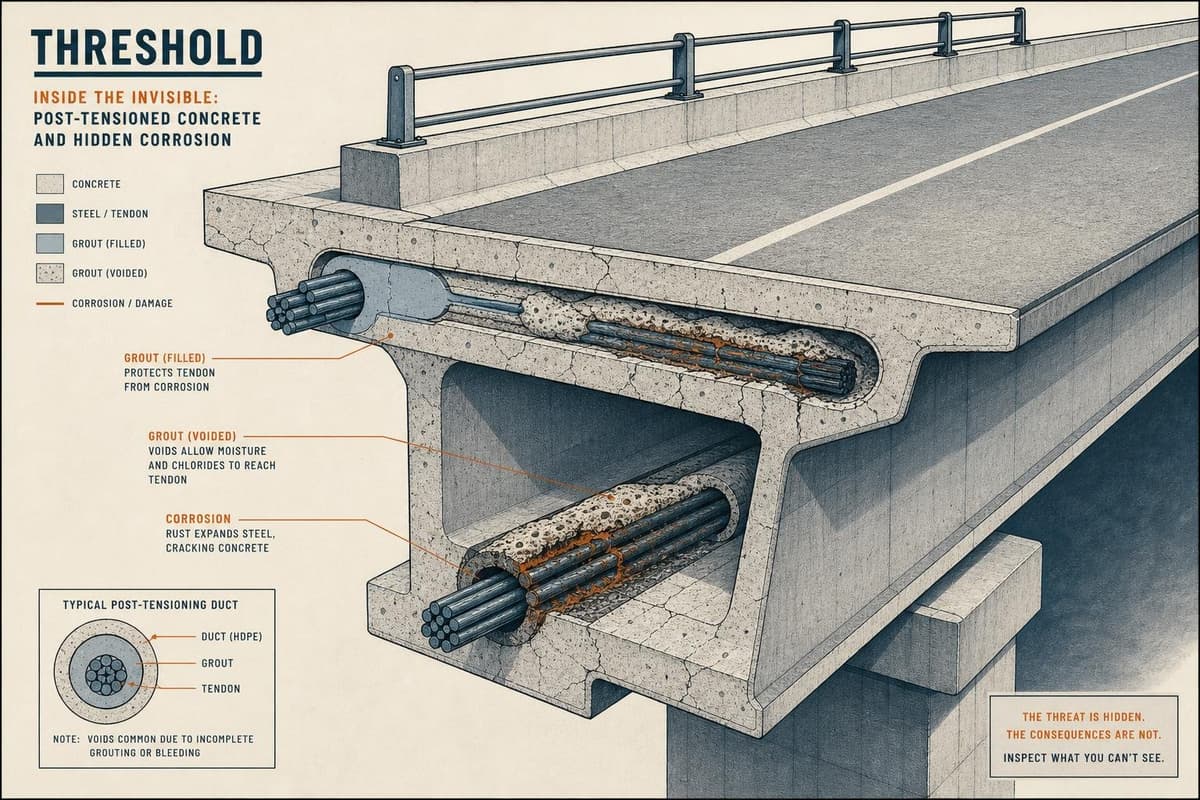
Rhode Island's Washington Bridge didn't fail because inspectors missed something obvious. It failed — or rather, forced a crisis — because the deficiencies were inside the structur…
Most dam safety conversations start with the wrong number. They count structures — over 90,000 documented constructed dams in the United States — and treat that inventory as the ri…