Latest issue
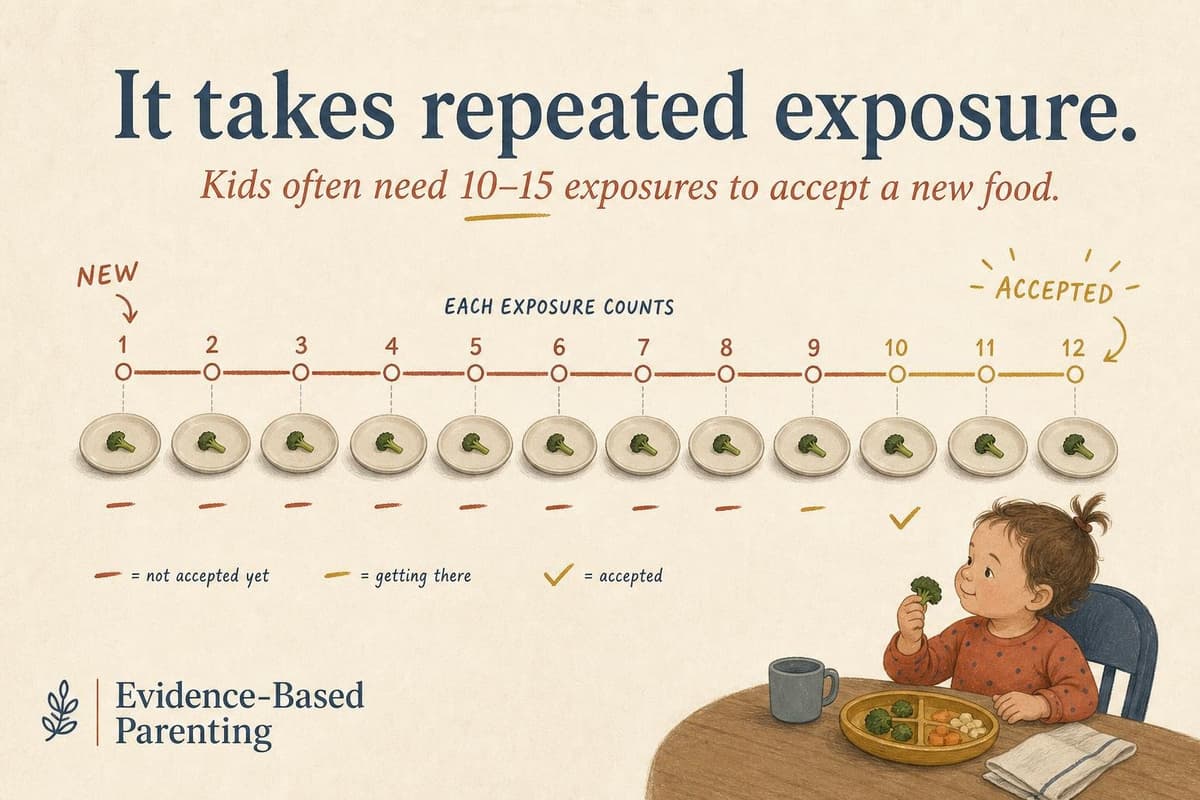
Repeated Exposure Still Beats Every Shortcut — But Picture Books Might Be the Most Underrated Tool in Your Kitchen
9/10/2026
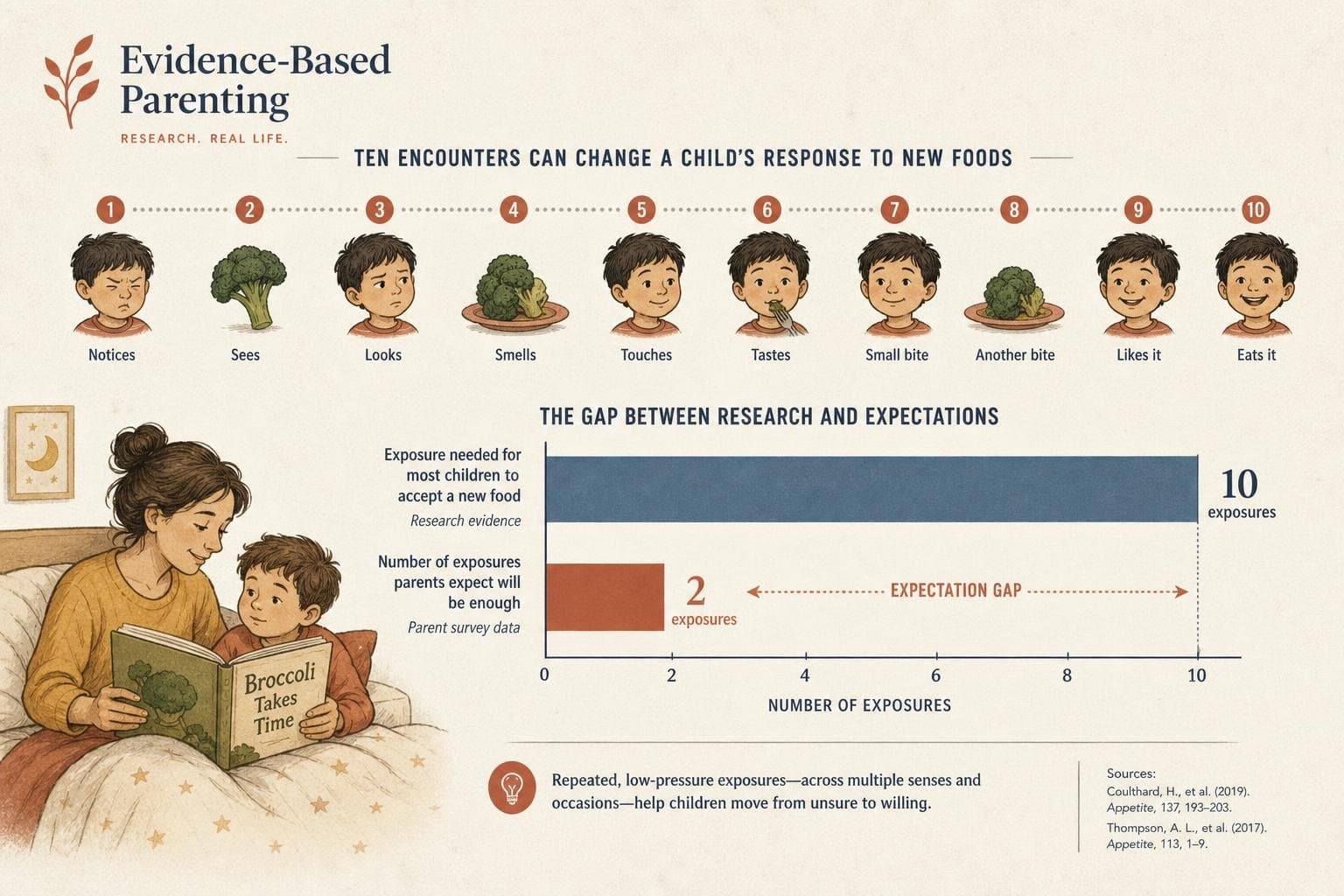
When I wrote about picky eating last June, the central finding was that most toddler food refusal is developmentally normal, and that the interventions with the best evidence share a common mechanism: repeated, low-pressure exposure. The research since then hasn't overturned that…
Recent posts
- The Screen Time Research Just Got More Specific — And the Findings Point Away from Your Kid's Device
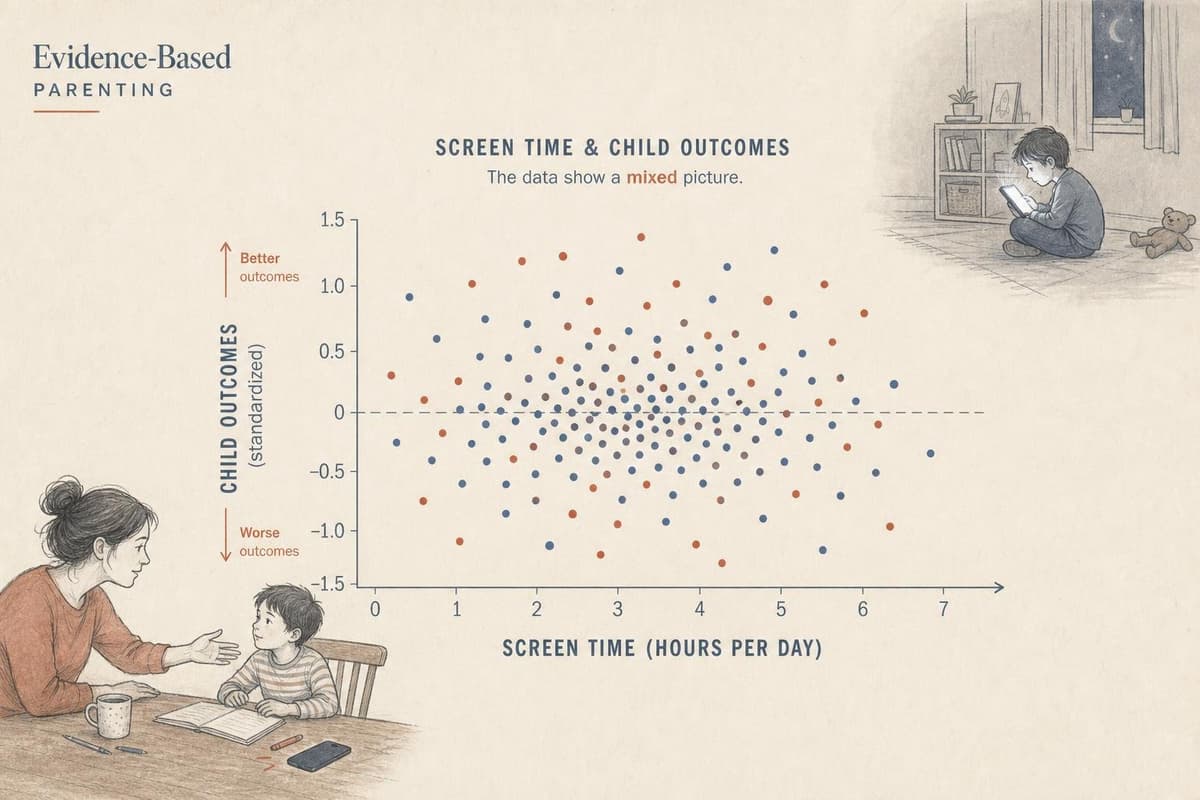
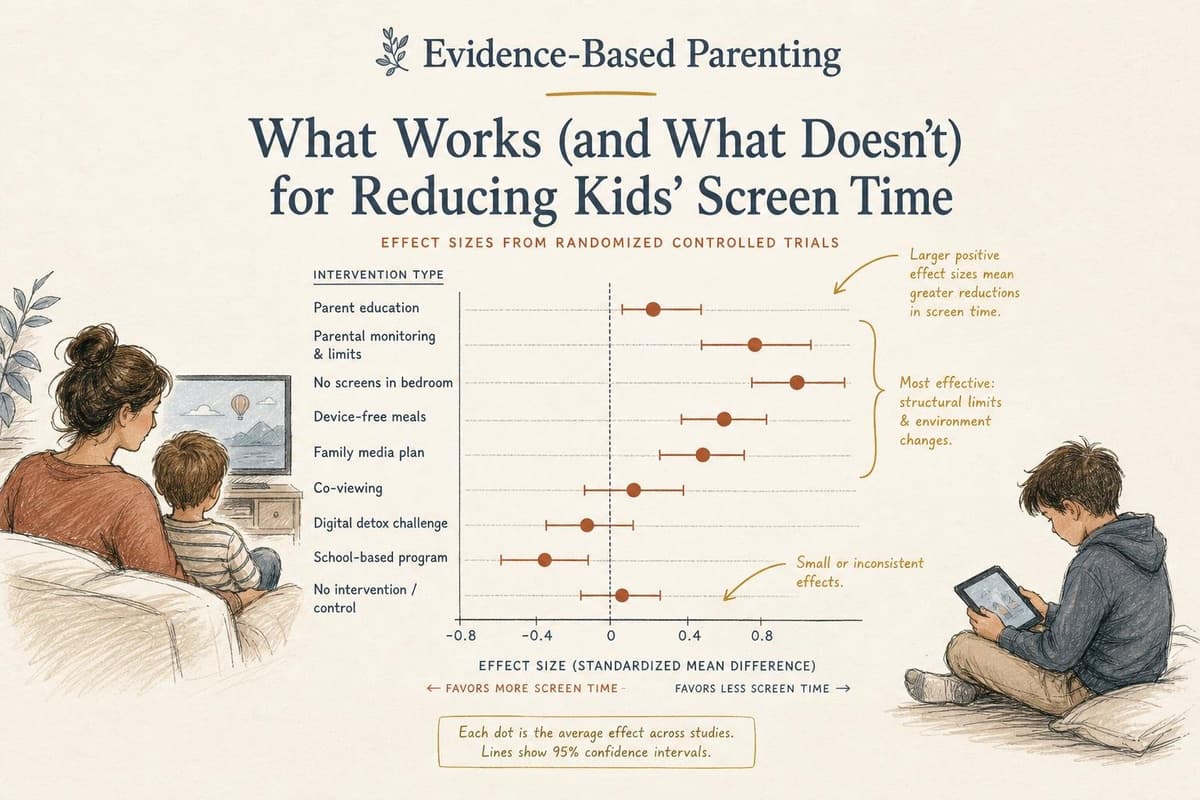
The conventional screen time conversation focuses on one number: how many hours per day is your child watching. The AAP has a limit. Your pediatrician has a limit. The laminated po…
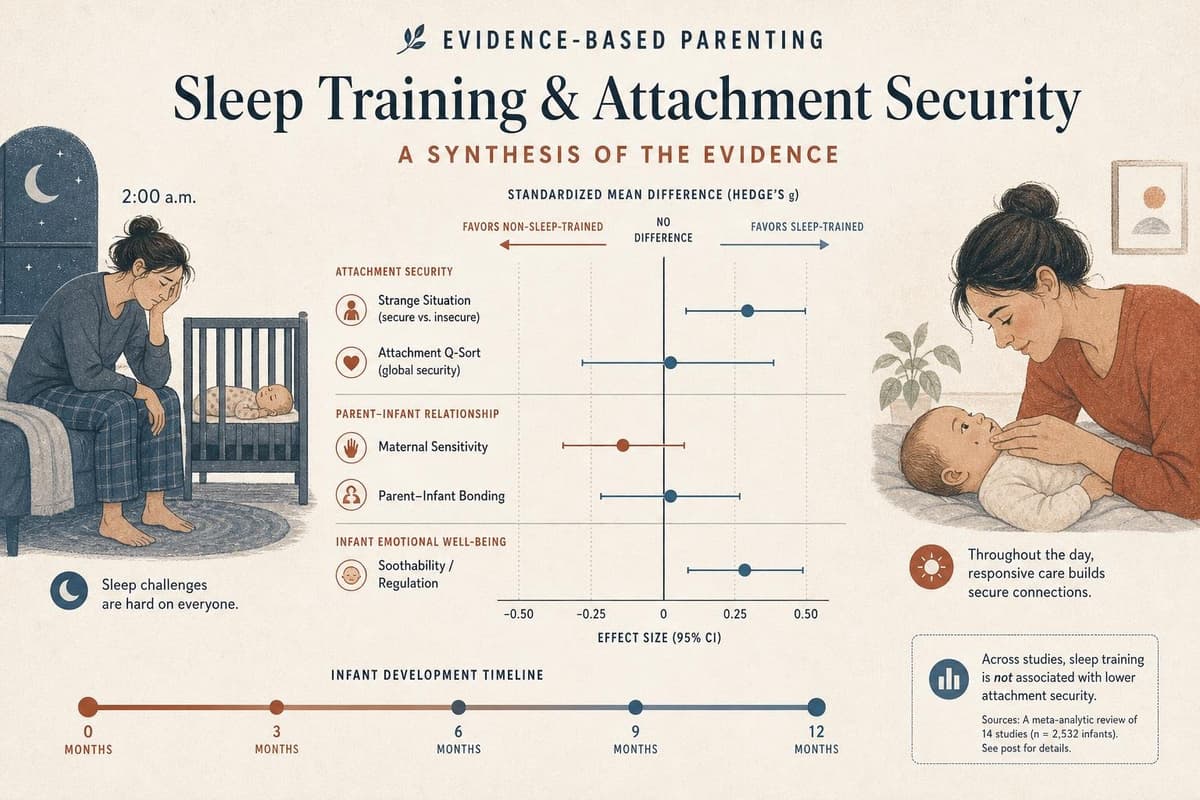
Every few months, a new wave of social media posts revives the same claim: letting your baby cry it out causes lasting emotional damage, disrupts attachment, floods infants with co…
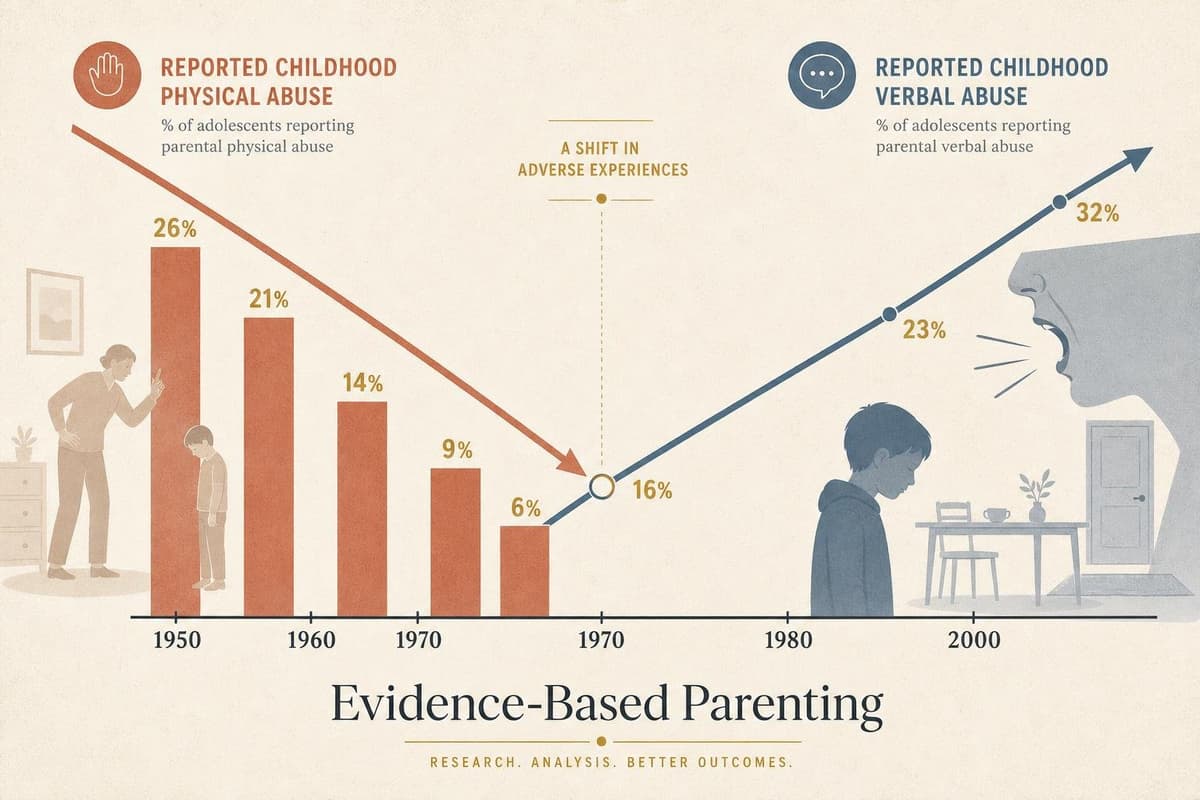
Three times in the past year I've written about physical punishment and the evidence against it. Each time, I've gotten some version of the same pushback: "But what about culture?…
Every few months I revisit this topic, and every time the research has moved somewhere I didn't expect. Last July I wrote about how when children use screens matters more than dail…
Every few months, a parent tells me some version of this: "We've stopped pressuring her at meals, we offer without forcing, we eat together — and it's actually working. But then sh…
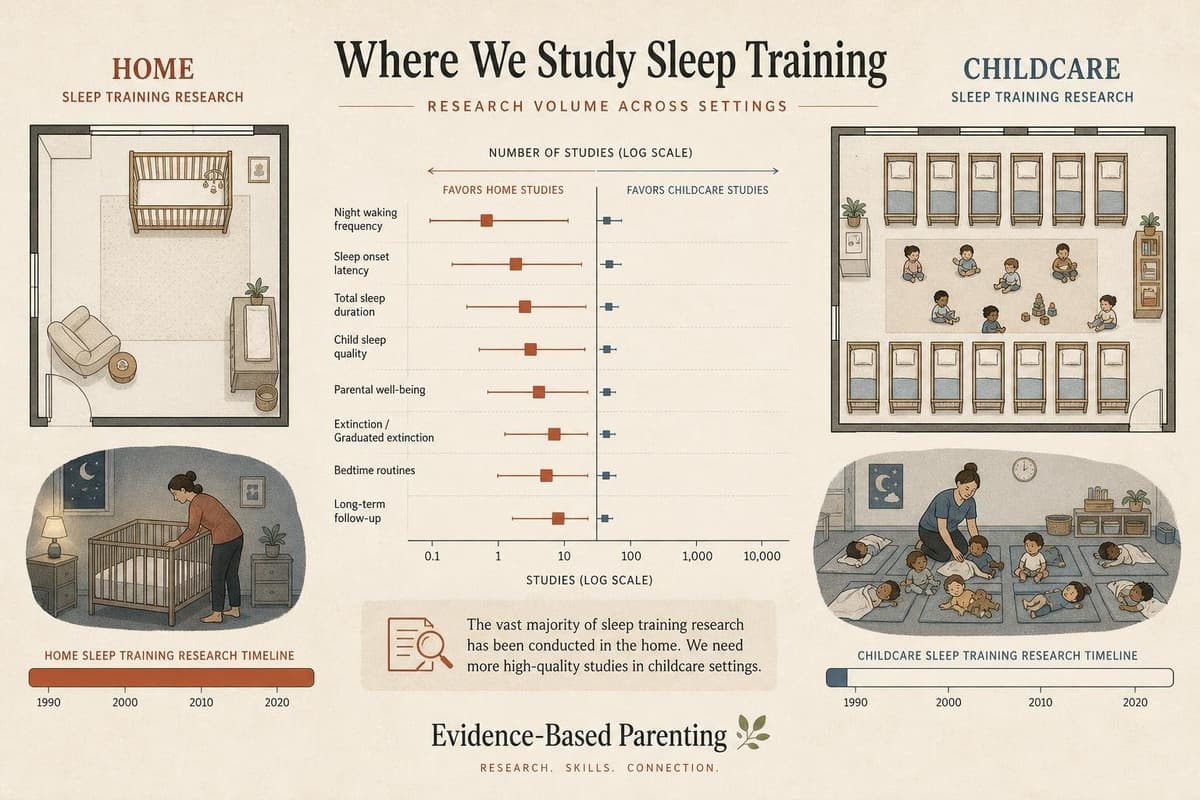
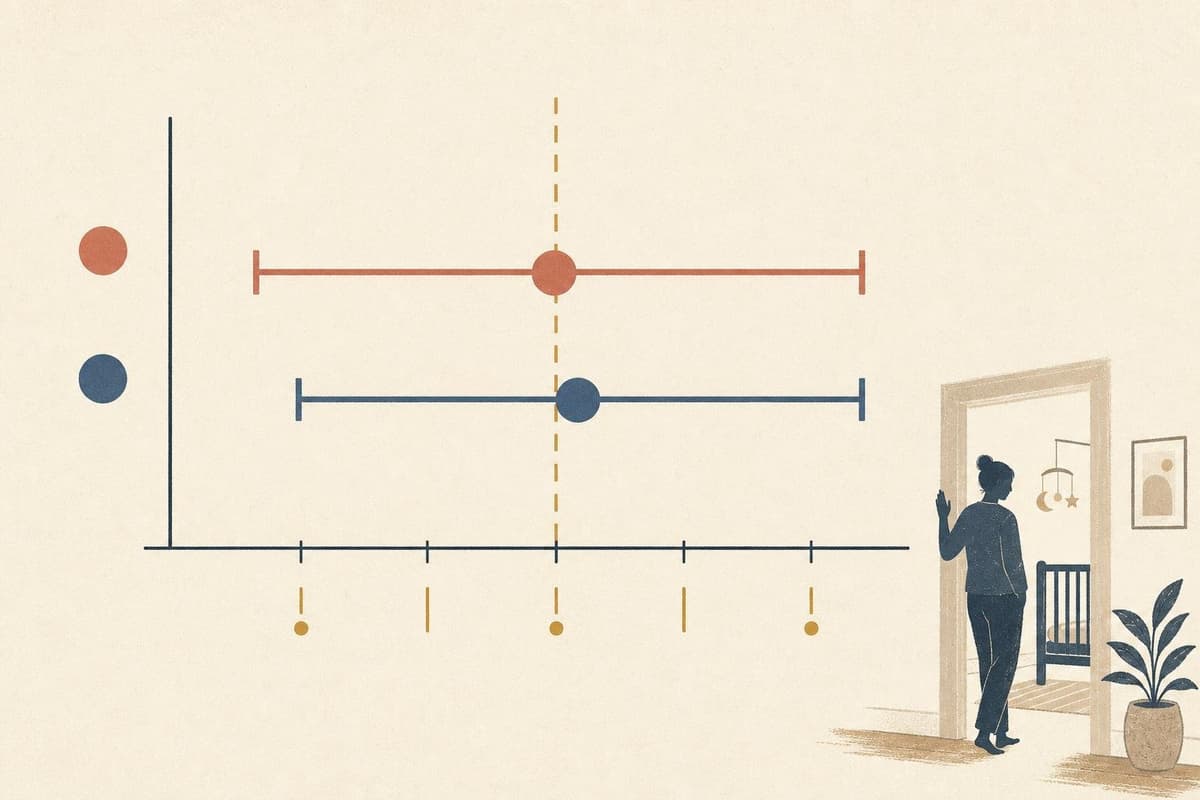
Every argument about cry-it-out — whether it harms attachment, whether it works, whether the cortisol data is damning or overread — takes place in the same imagined setting: a nurs…
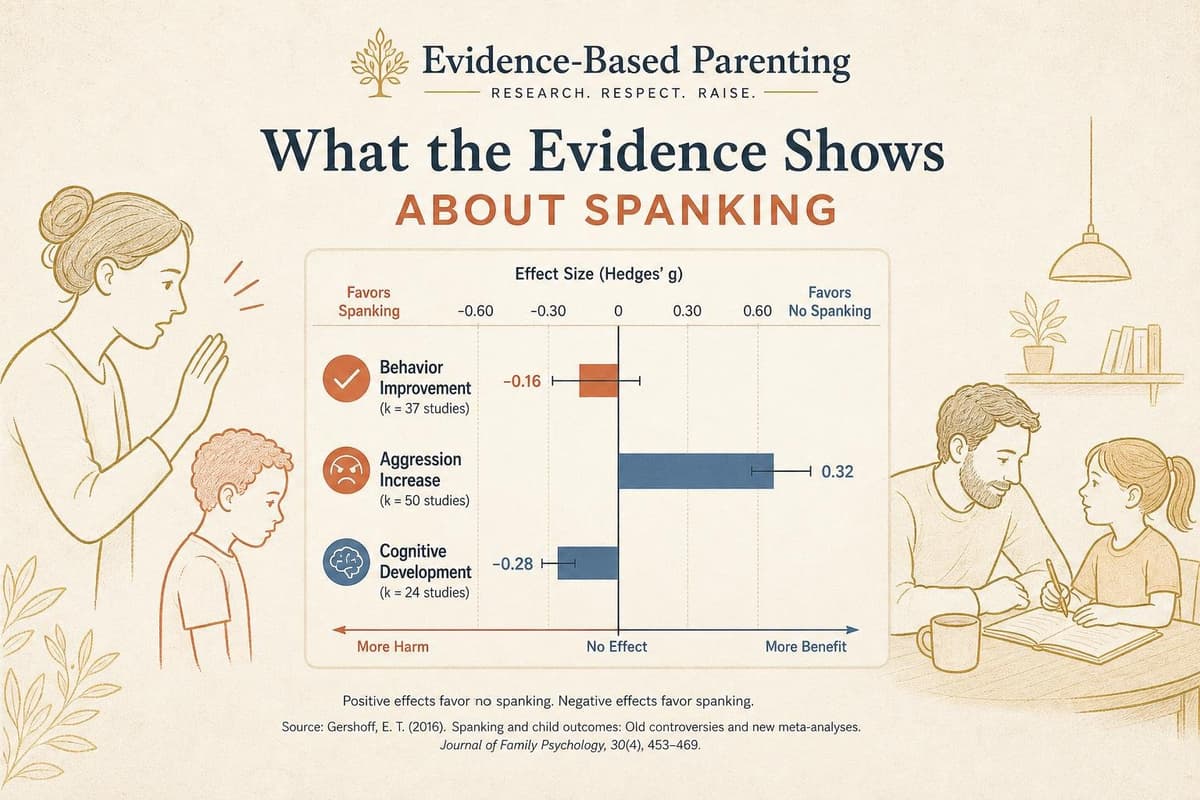
I've covered this ground before. Back in April, I wrote about the research consensus on physical punishment — that spanking reliably fails to improve behavior and reliably increase…
Every pediatrician's office has the same laminated poster: no screens before 18–24 months, under an hour a day for ages 2–5. Parents internalize the number. They count minutes. The…
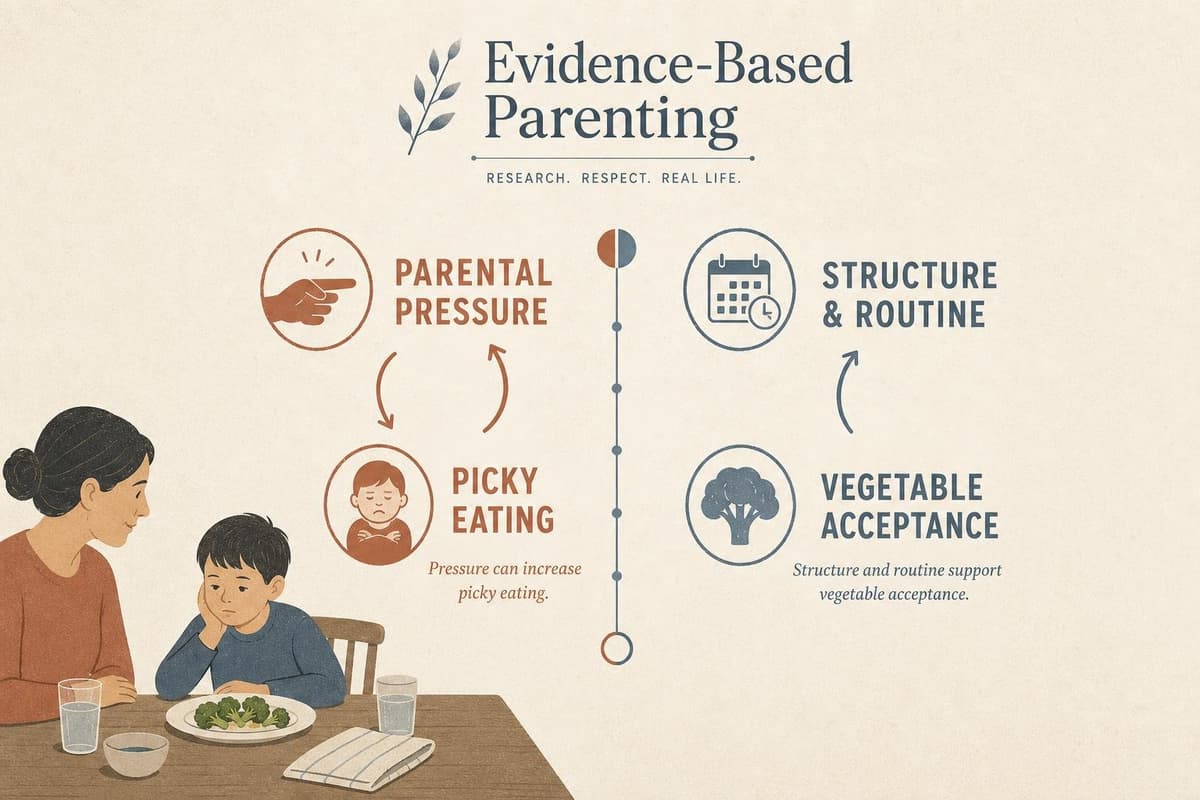
When a toddler refuses broccoli for the fourteenth consecutive meal, the parental instinct to push — "just one bite," "you won't get dessert," "how do you know you don't like it?"…
When I wrote about cry-it-out in June, the headline finding was reassuring: the evidence doesn't support the fear that letting babies cry damages attachment. But the follow-up ques…
A new UK study just handed researchers one of the clearest natural experiments in corporal punishment research — and the findings are uncomfortable reading for the roughly 1 in 4 c…
Last May I wrote about how the AAP's screen time limits are real recommendations built on genuinely messy science. The core finding held up: the guidelines exist, but the research…
Your three-year-old has eaten the same four foods for six weeks. You've tried hiding vegetables in pasta sauce. You've tried the "one bite" rule. You've tried making the broccoli l…
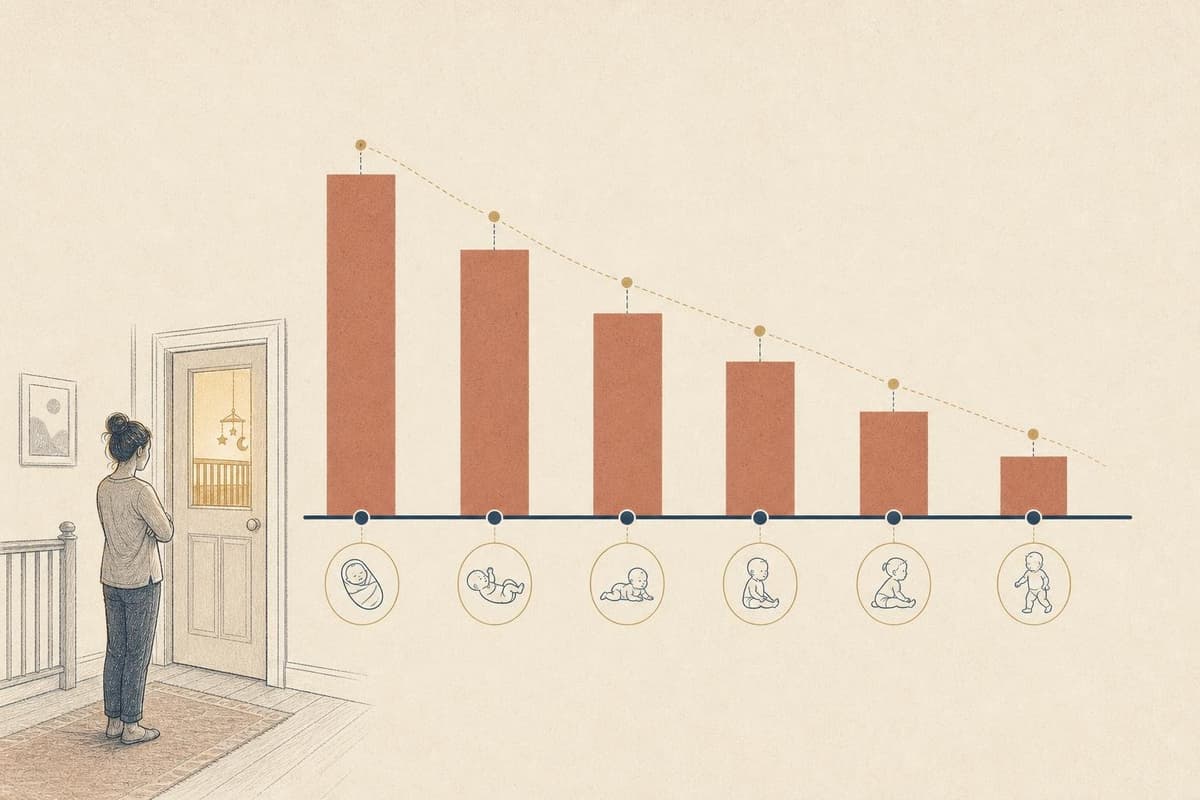
There's a particular kind of 3 a.m. guilt that belongs exclusively to sleep-training parents. You've put the baby down, walked out, and now you're standing in the hallway listening…
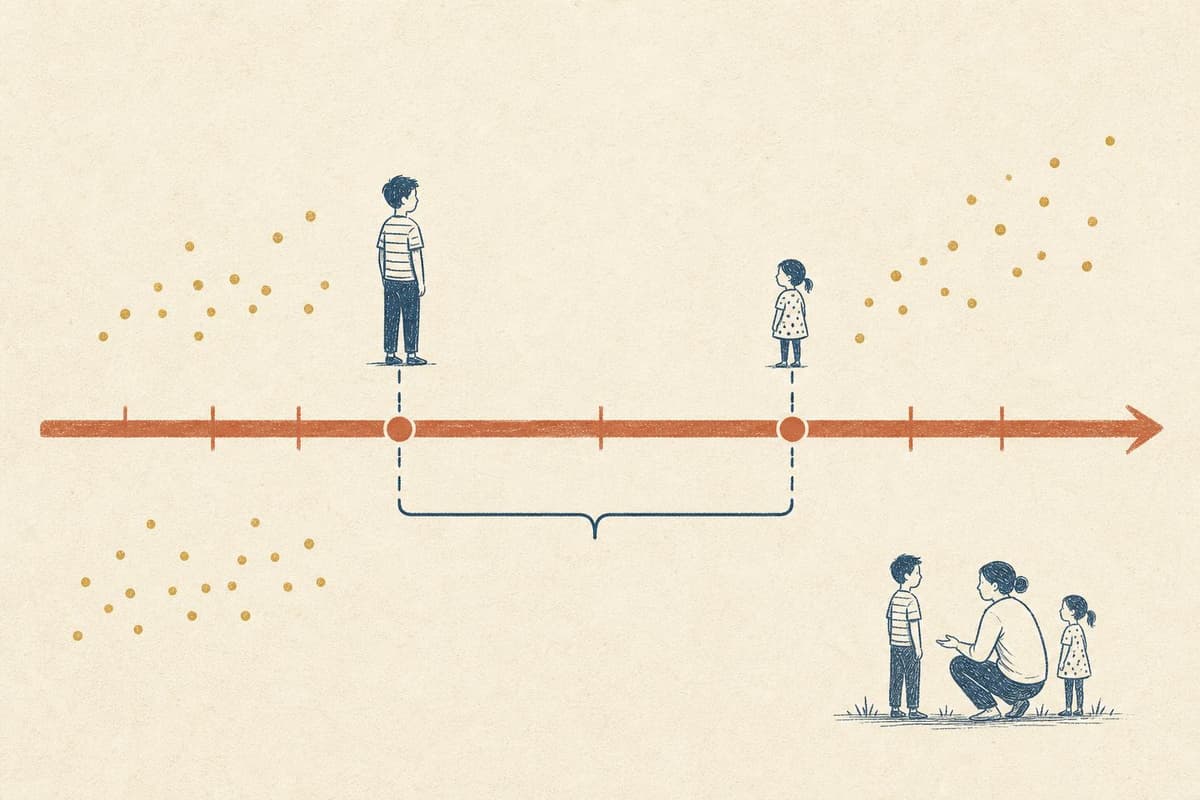
Here's the conversation that happens in roughly every pediatrician's waiting room, every family holiday, every parenting group chat: How far apart should we space our kids? Two yea…
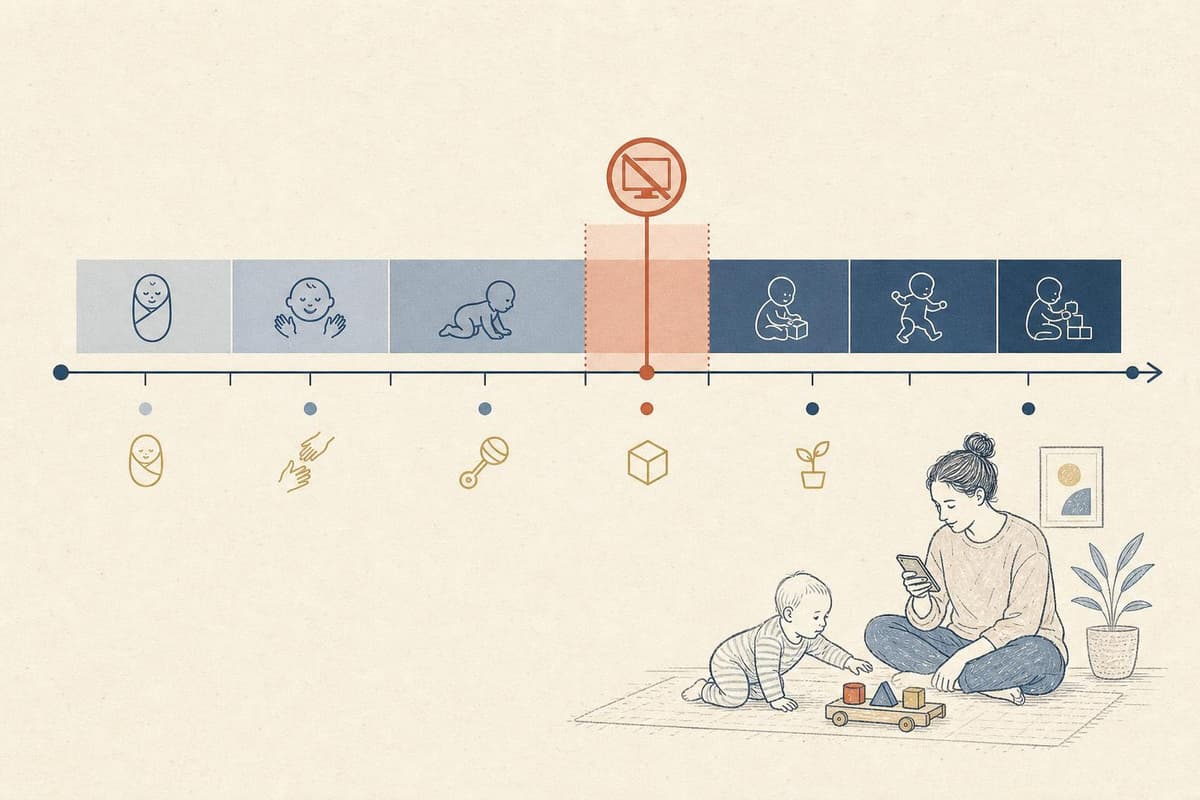
Every pediatrician's office has the poster. Under two: no screens except video chat. Two to five: one hour a day, high quality only. The American Academy of Pediatrics guidelines r…
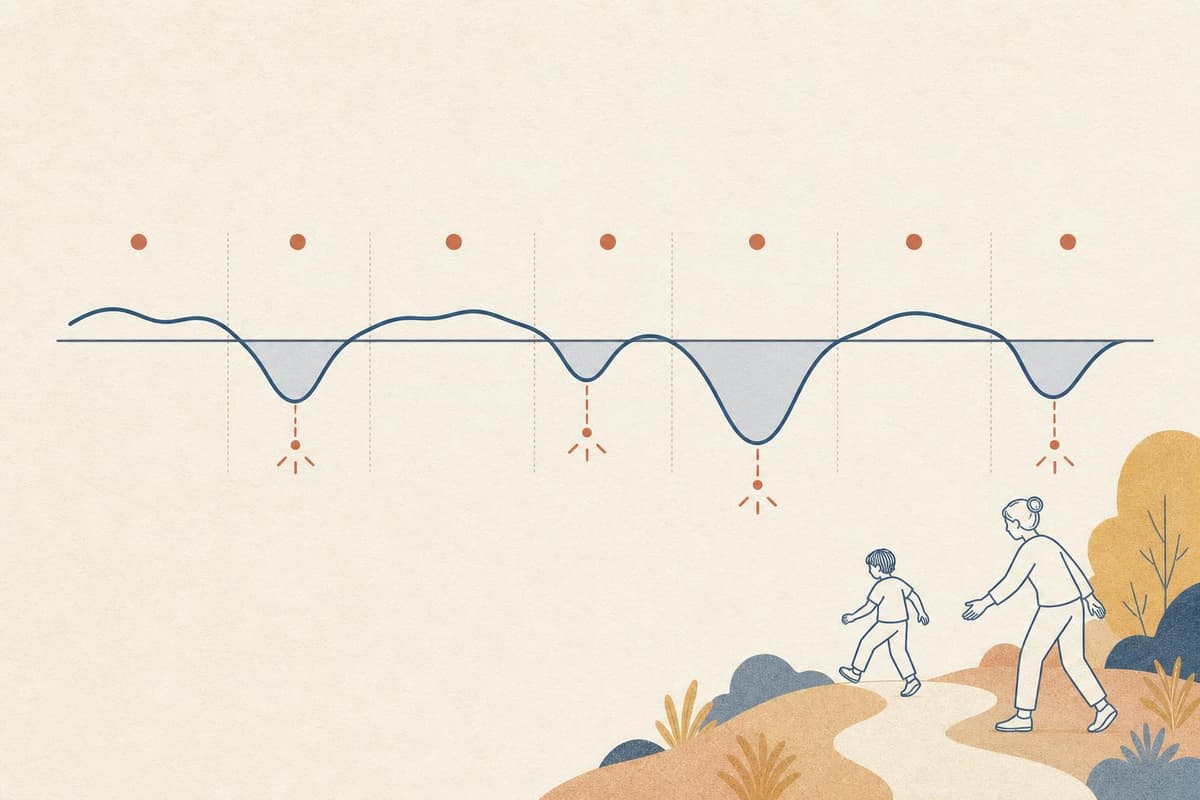
There's a particular kind of parenting that looks, from the outside, like devotion. Every problem intercepted before it lands. Every teacher emailed before the grade posts. Every s…
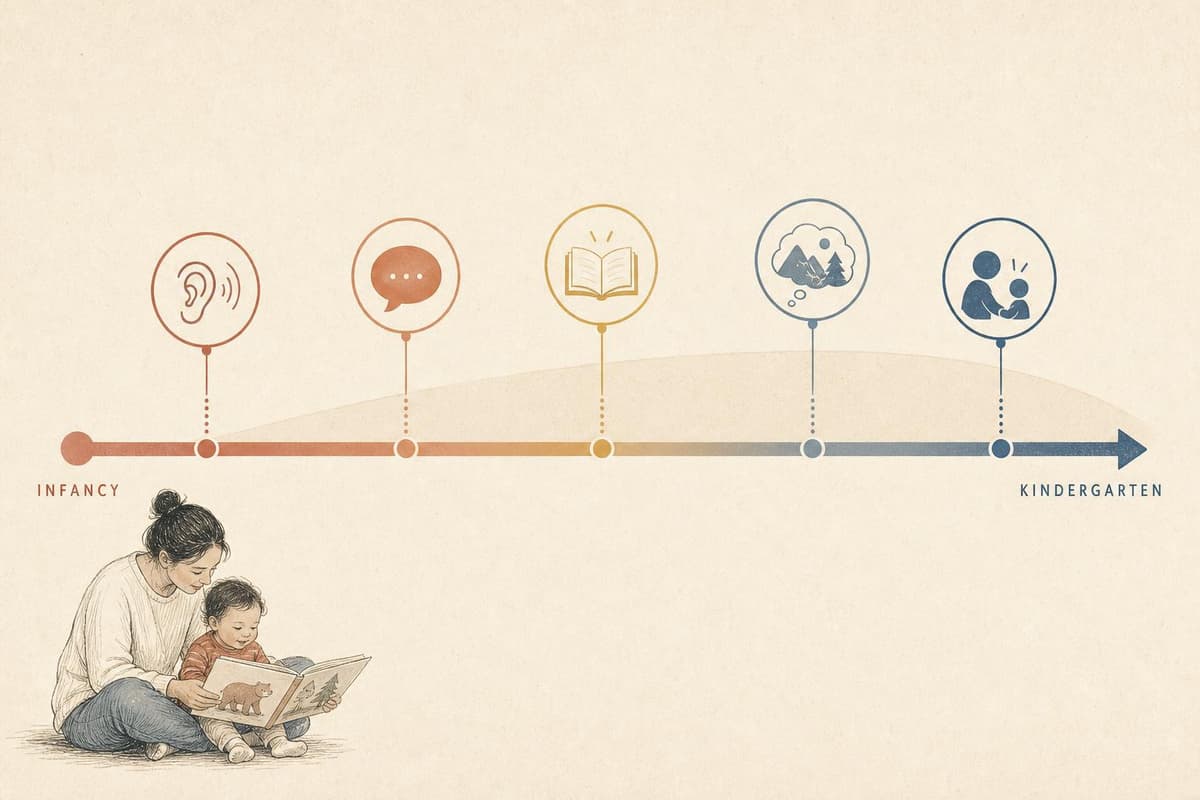
There's a version of this story every preschool parent knows. A neighbor's kid is reading chapter books at four. The kindergarten teacher mentions that some children already know t…
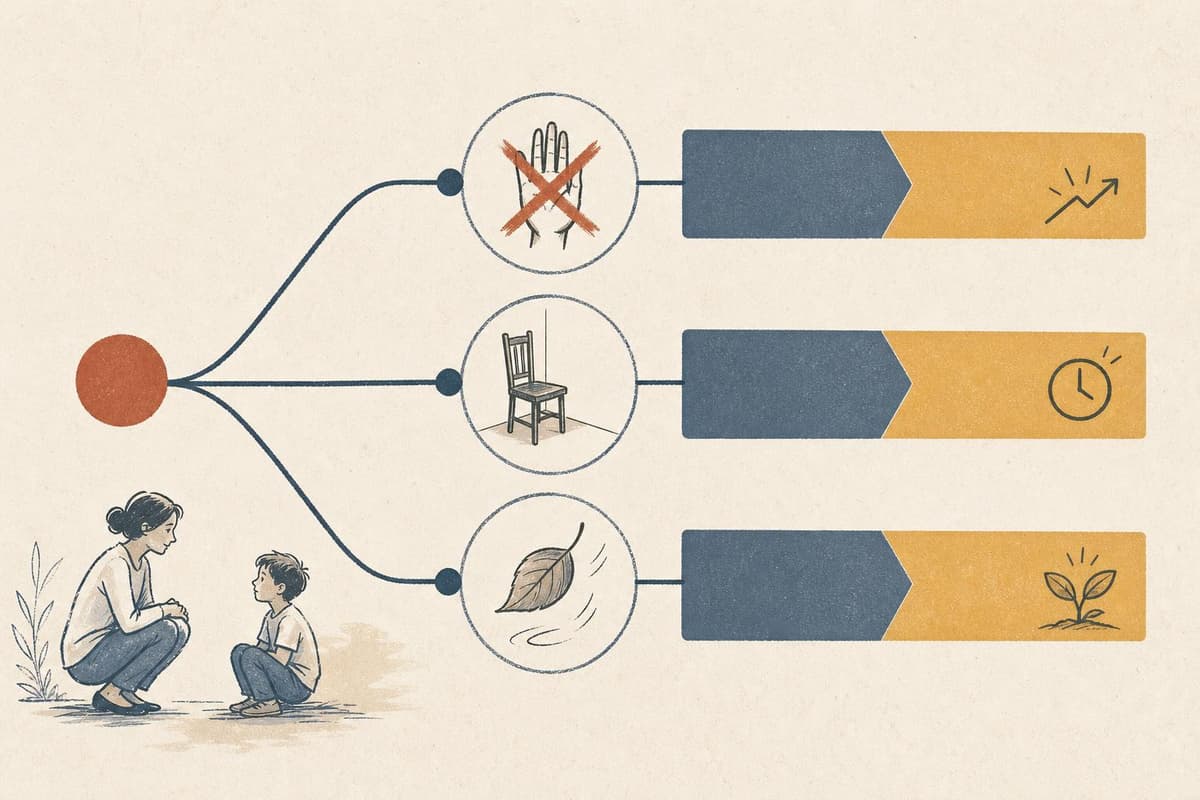
The research on physical punishment is about as settled as pediatric behavioral science gets. A meta-analysis published in Nature Human Behaviour examined 195 studies across 92 low…