Latest issue
The PLA's Capability Gap Is Real — But Treating It as Permanent Is the Analytical Error
9/16/2026
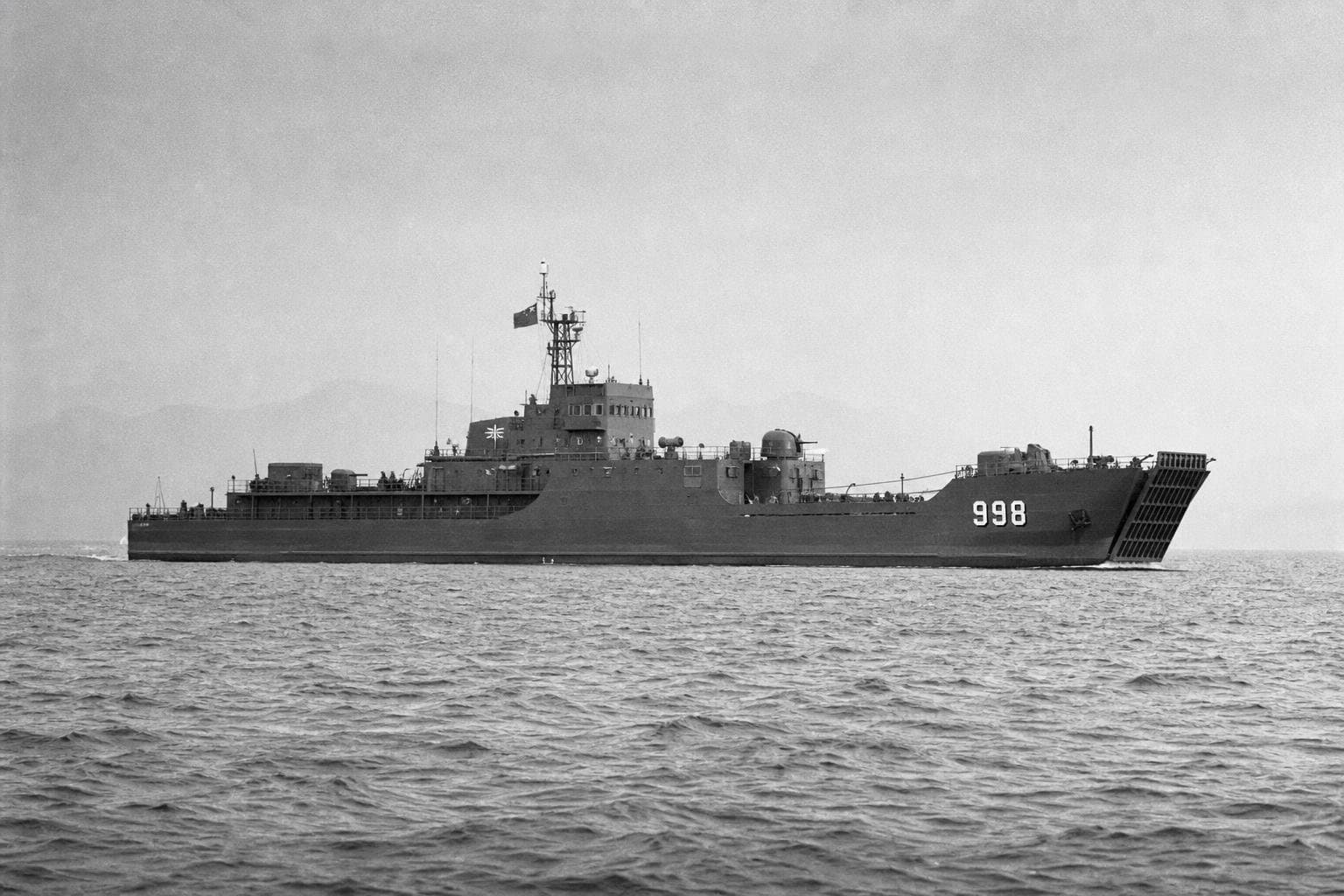
The argument has a seductive logic: China's military has documented shortcomings — limited combat experience, political interference in command culture, institutional dysfunction signaled by high-profile purges — therefore an invasion of Taiwan remains beyond reach. Adm. (ret.) D…
Recent posts
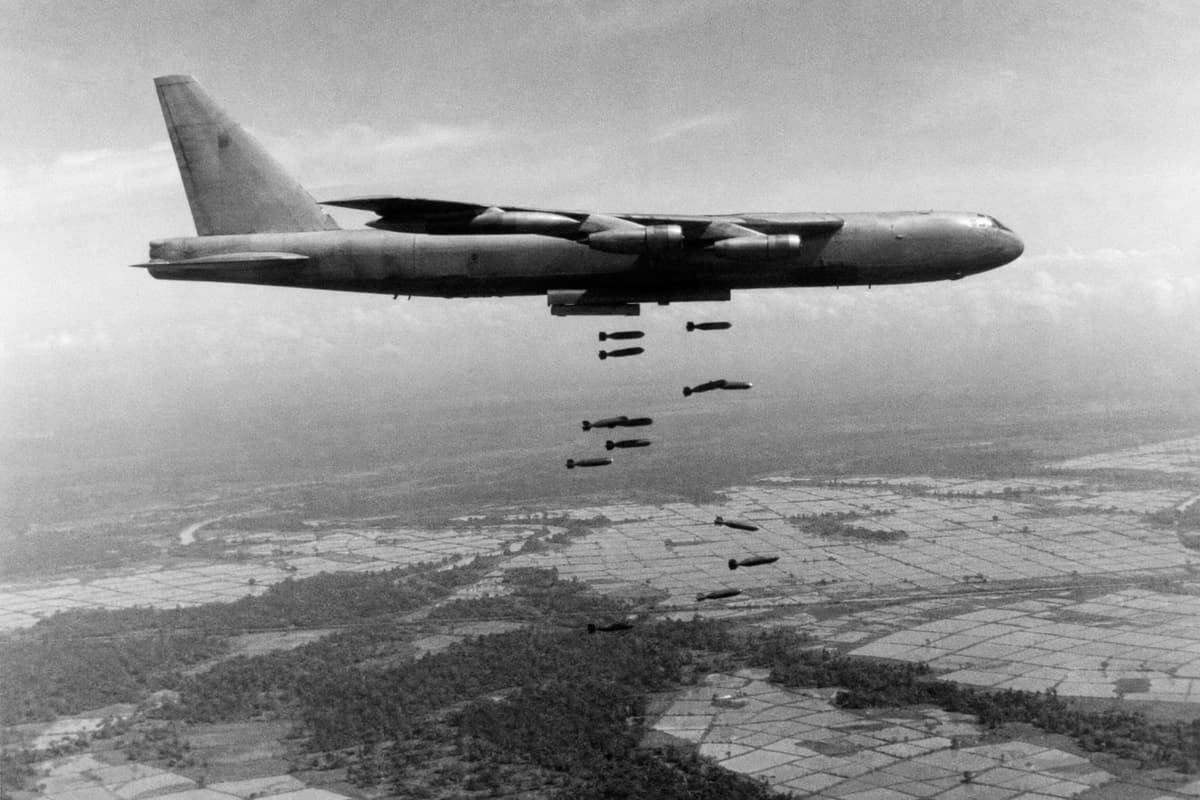
The aircraft were capable. The bombs fell where they were aimed, more or less. The pilots flew into some of the most heavily defended airspace in the history of aerial warfare. Non…
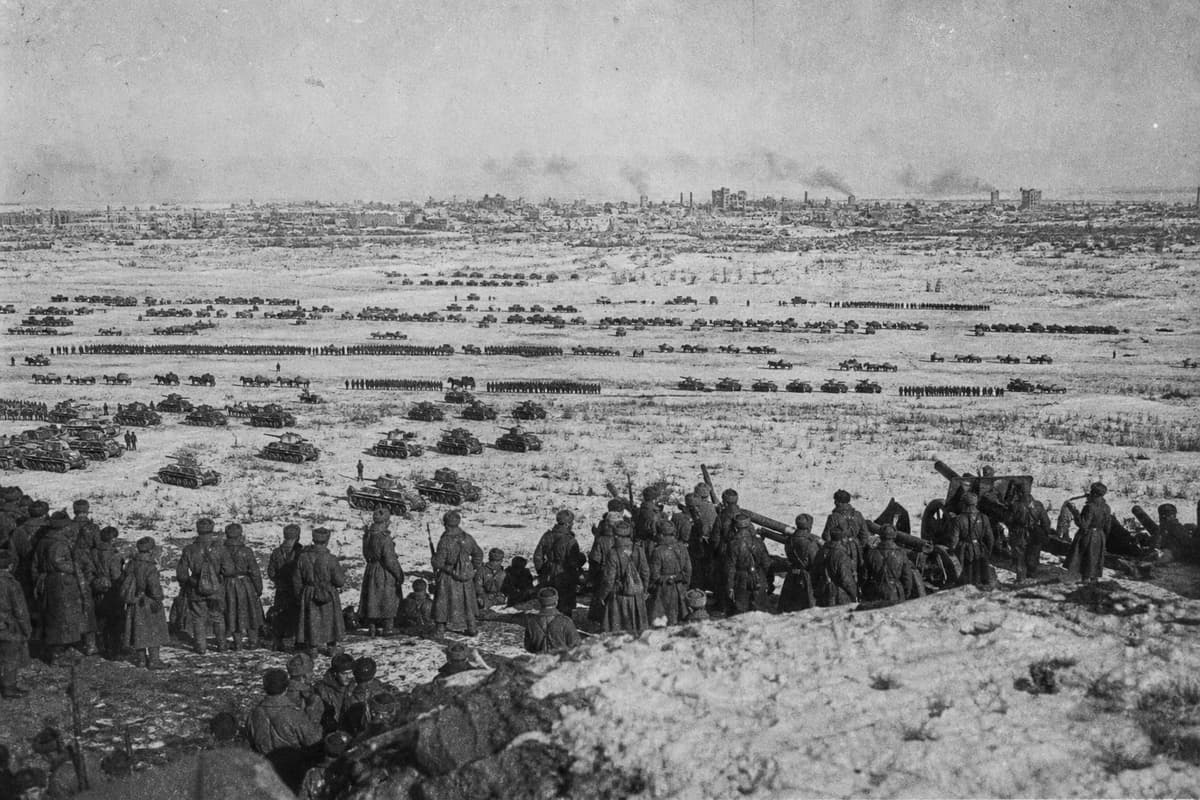
I covered the street-level mechanics of Stalingrad's urban defense in an earlier issue — how the 62nd Army learned to fight in rubble, how strongpoints replaced linear defense, how…
The same analytical failures that plagued command decisions in 1940, 1950, and 1968 keep surfacing in current strategic debates. Different actors, same cognitive traps. Here's wher…
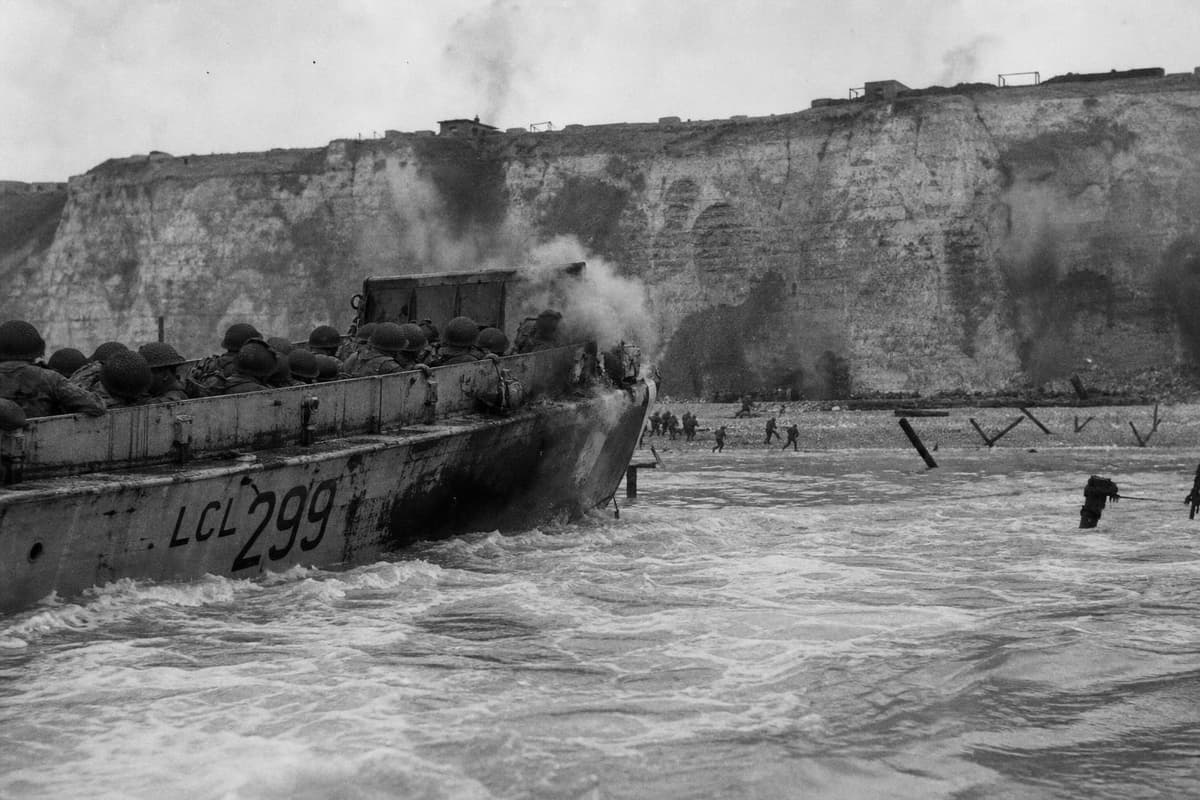
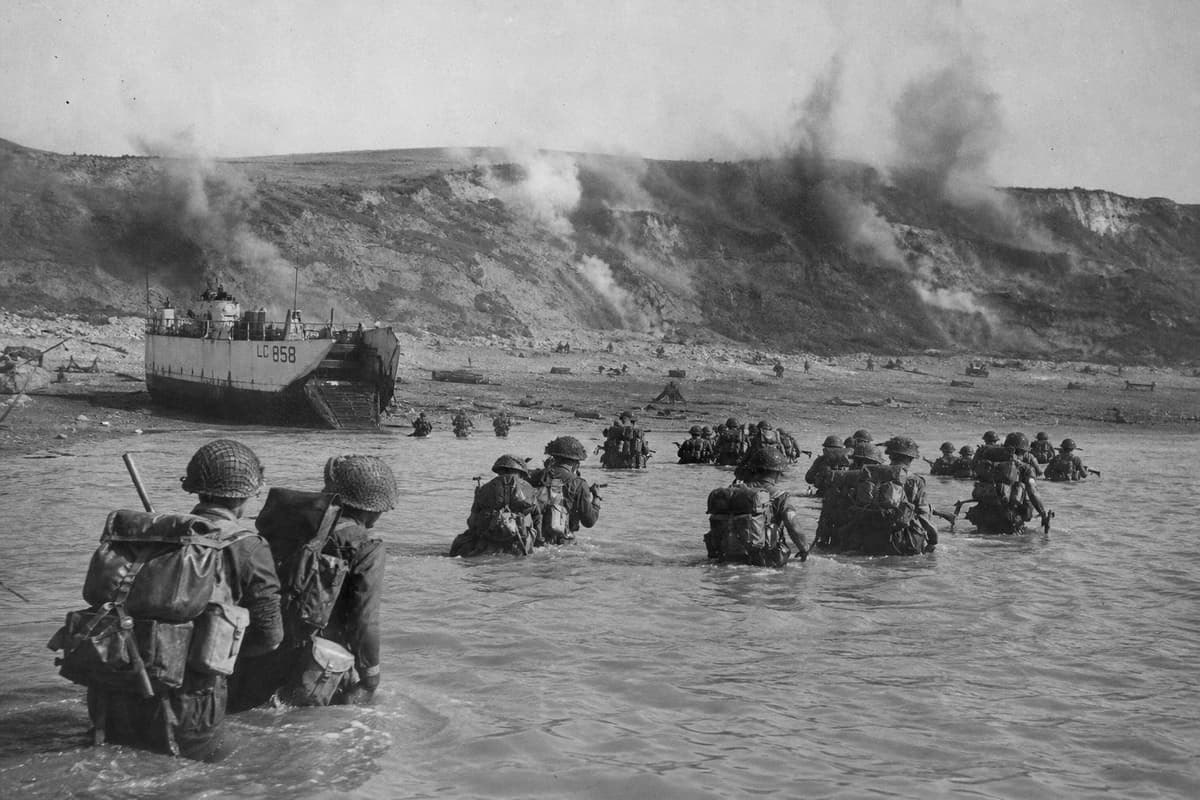
At 5:22 a.m. on August 19, 1942, Lieutenant Jack Gartshore led 13 Platoon of the Royal Hamilton Light Infantry toward White Beach at Dieppe. His regiment would suffer 82 percent ca…
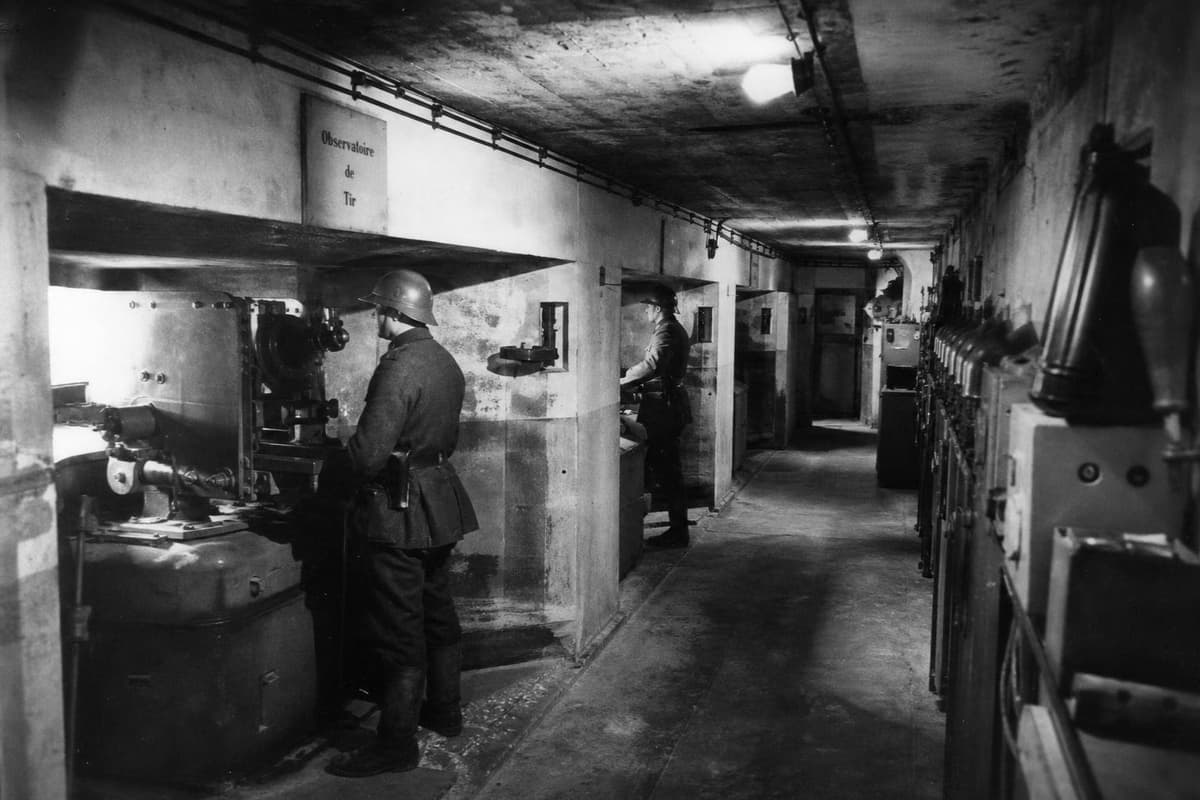
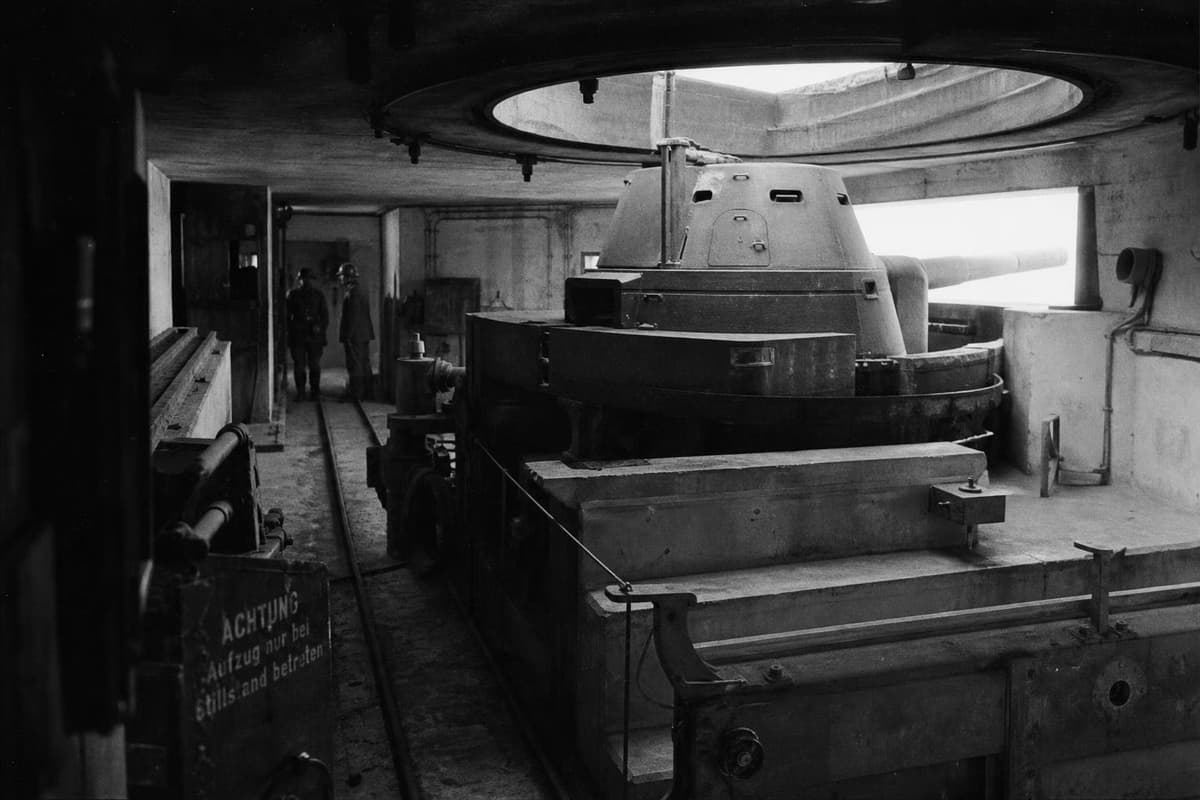
I've covered this ground before. In August's piece on the Maginot Line, I argued that the fortifications themselves performed as designed — the problem was the strategic theory bui…
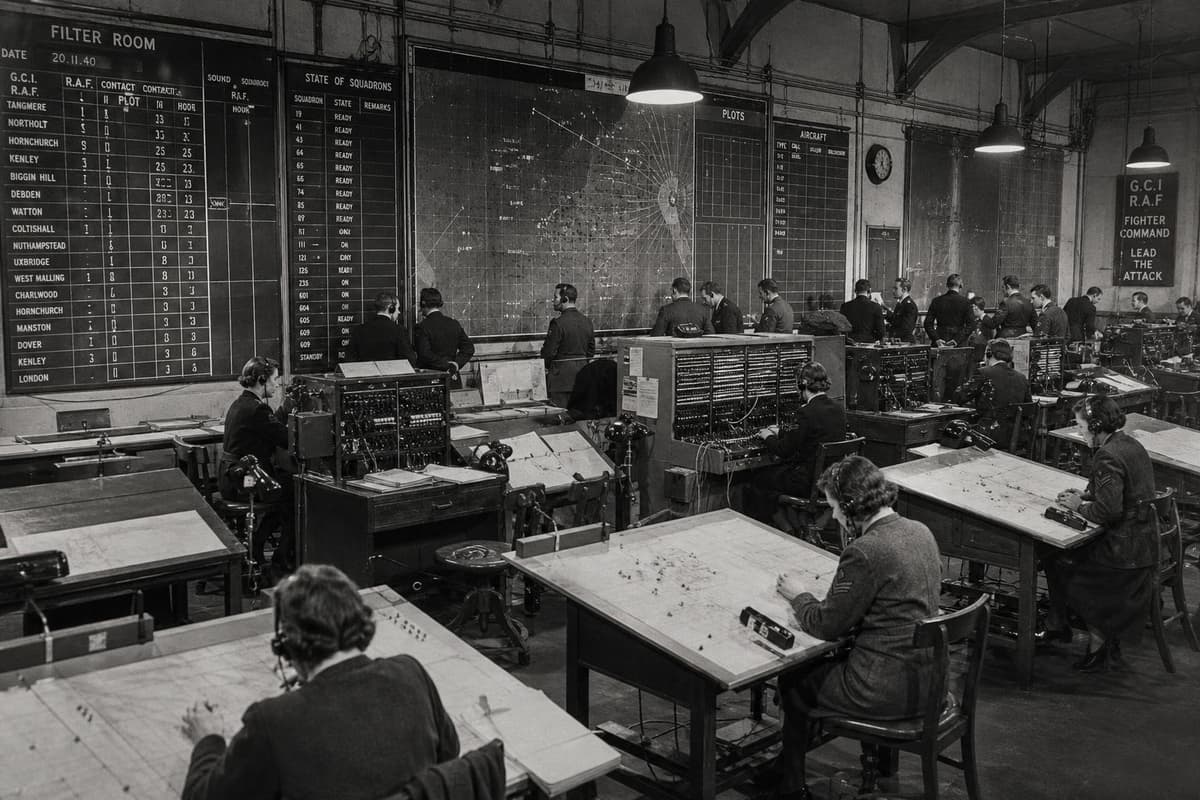
The standard account of the Battle of Britain credits radar, the Spitfire, and Fighter Command's nerve. What it underweights is octane. As War on the Rocks details, high-octane avi…
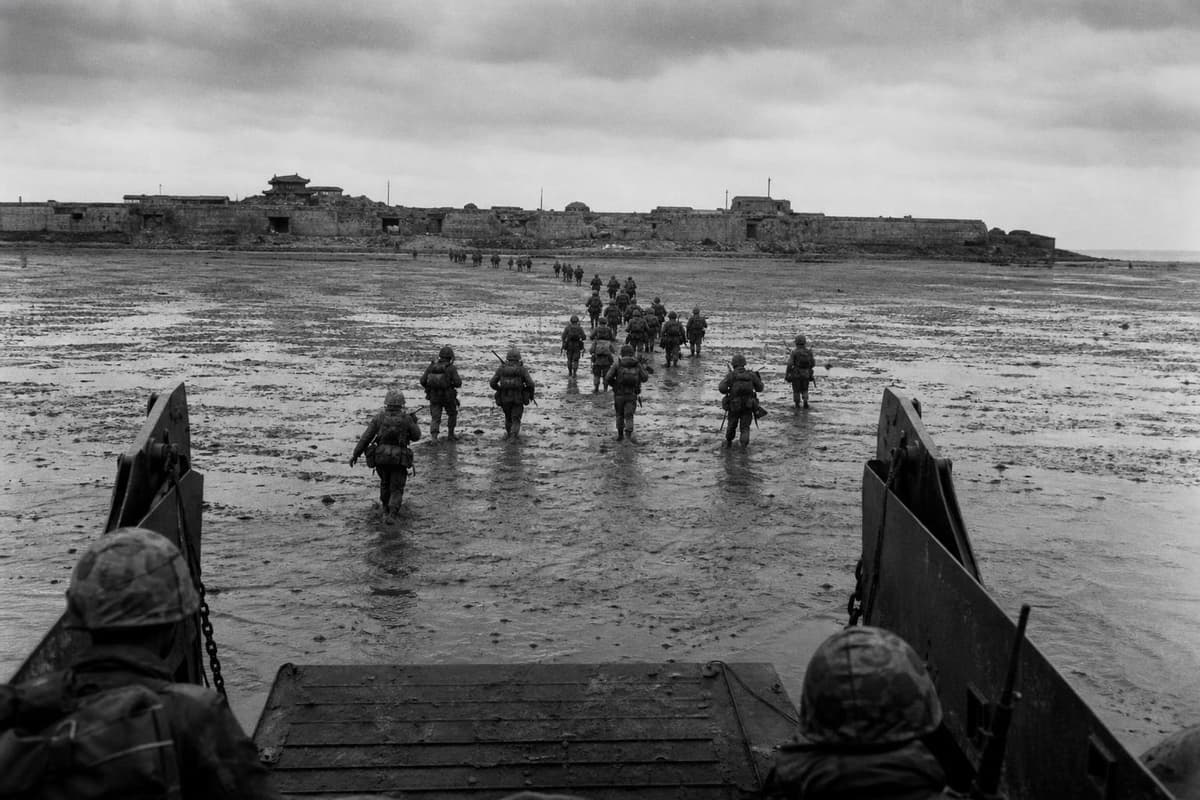
The tides at Inchon rose and fell more than thirty feet. Twice a day, the Yellow Sea retreated entirely, leaving miles of thick mud between any landing force and the shore. The har…
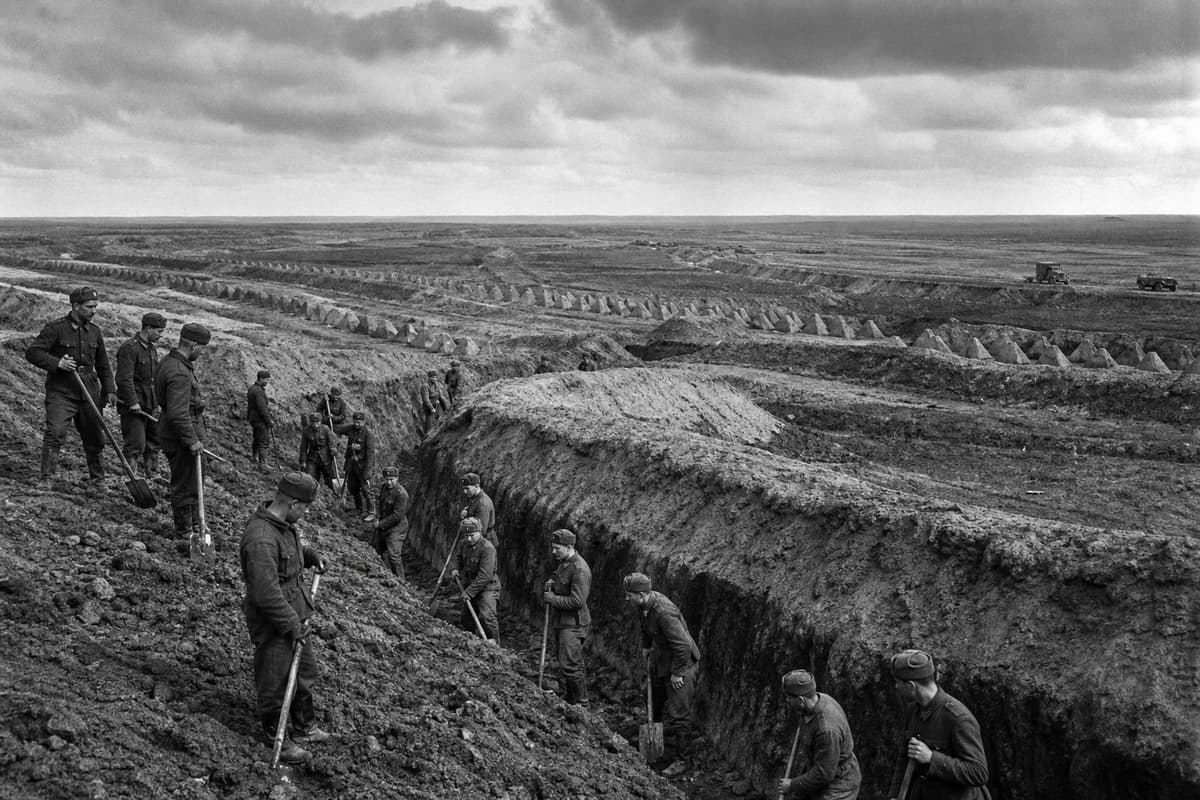
The popular image of Kursk is a steel avalanche — thousands of tanks grinding against each other across the steppe in history's largest armored engagement. That framing flatters th…
I covered the command-and-control architecture of the Battle of Britain in a July post that argued the Luftwaffe lost to an idea, not a fighter. What I want to revisit here is a mo…
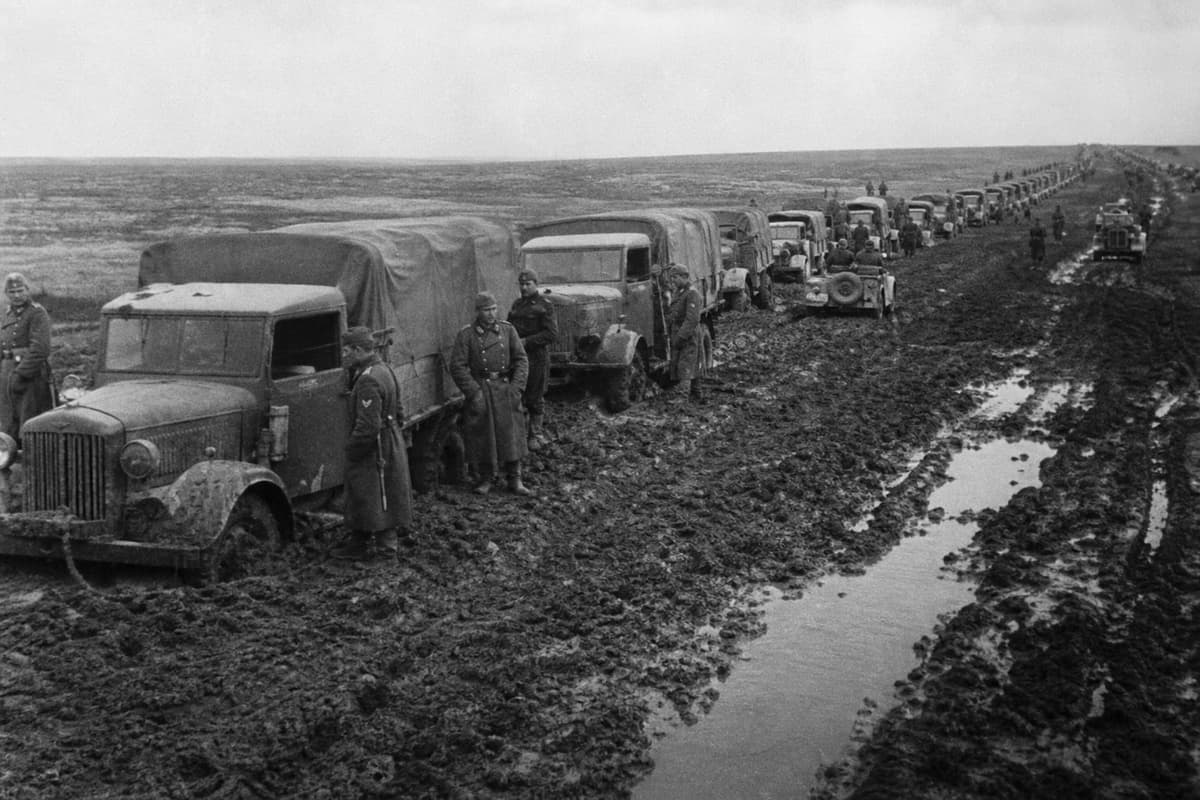
The standard account of Operation Barbarossa's failure runs something like this: the Germans were winning until the Russian winter arrived, froze their engines, and stopped them ou…
The pattern is almost boring by now. Precise strikes, impressive kill chains, technological adaptation that would have seemed like science fiction to a Vietnam-era planner — and th…
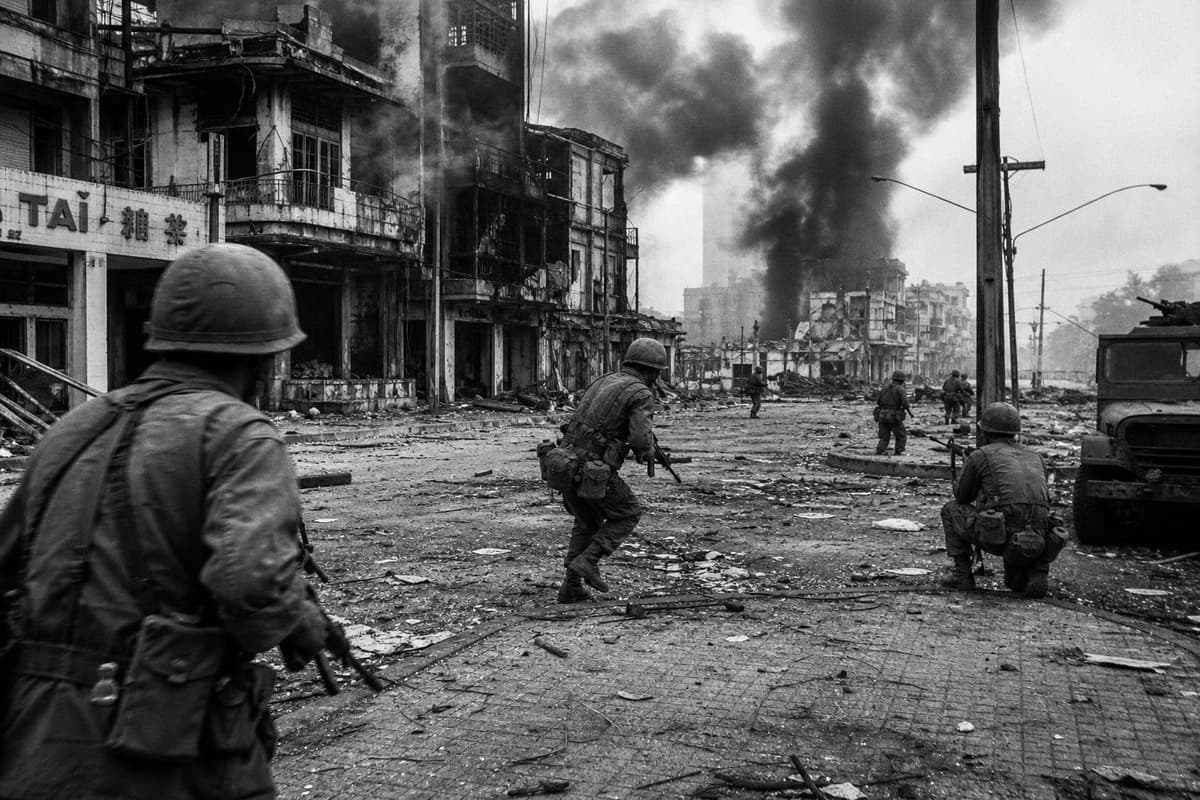
The Viet Cong attacked more than 100 towns and cities simultaneously in the early hours of January 31, 1968. An elite squad fought its way into the grounds of the U.S. Embassy in S…
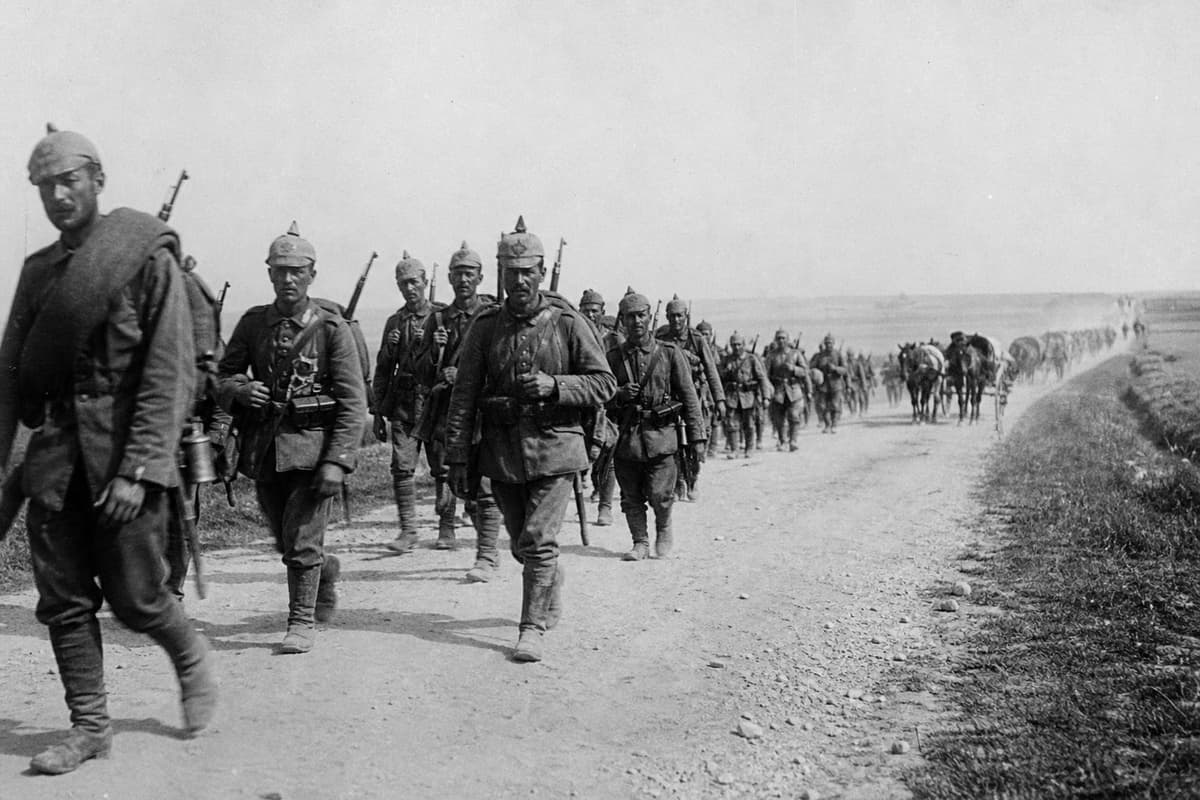
The German retreat from the Marne on September 9, 1914, is usually treated as the moment the war changed — the point where a swift German victory became impossible and the Western…
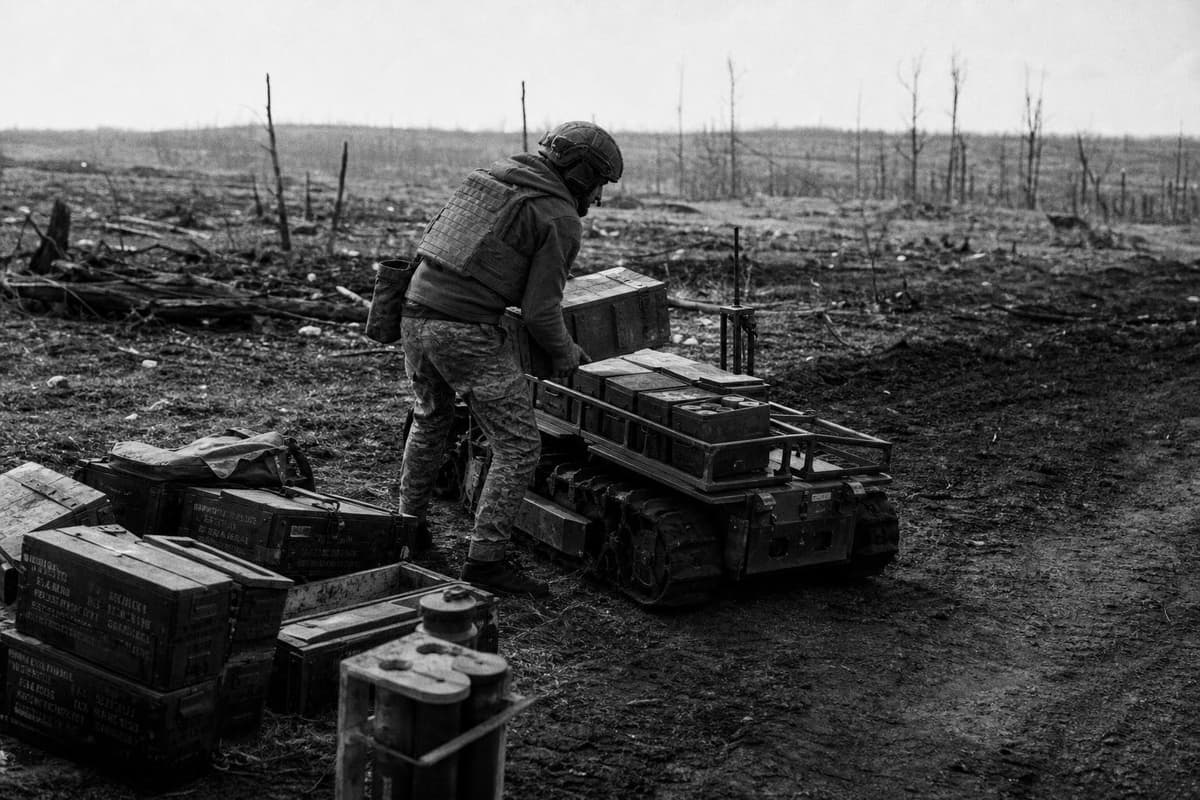
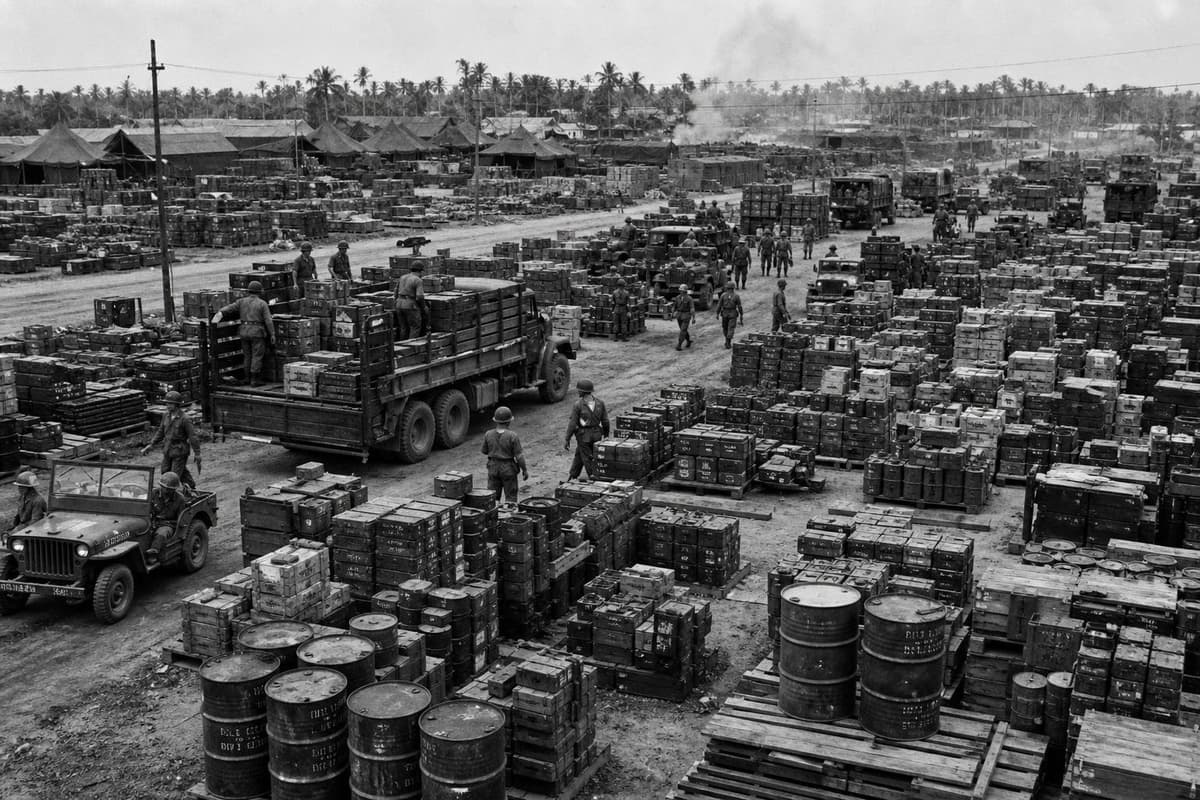
The same lesson keeps getting rediscovered. Armies plan for the battle; they forget to plan for the supply chain that makes the battle possible. A new doctoral thesis on Red Army r…
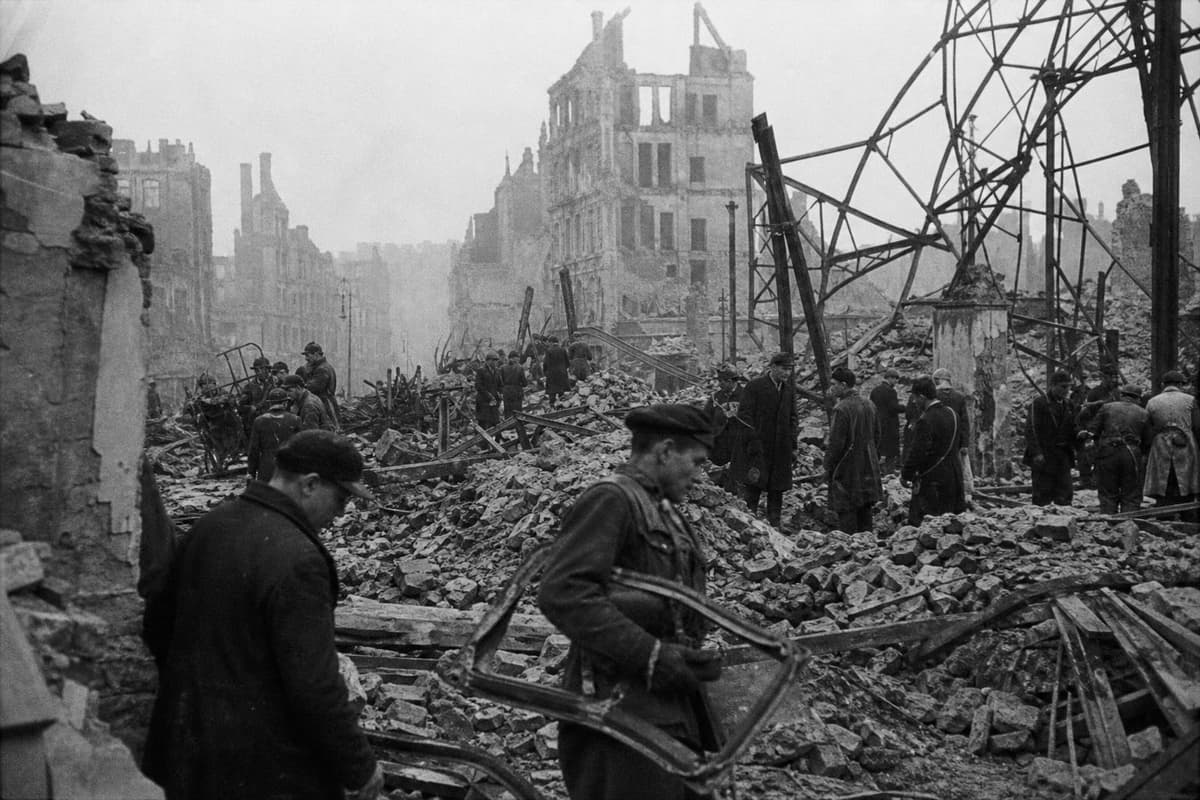
The firestorm that consumed Dresden on the nights of February 13–14, 1945 produced one of the most contested casualty figures in modern military history. Not because the evidence i…
The French army that faced Germany in May 1940 was not, by most measurable standards, an inferior force. Nader Elhefnawy's reassessment of the campaign makes the point plainly: the…
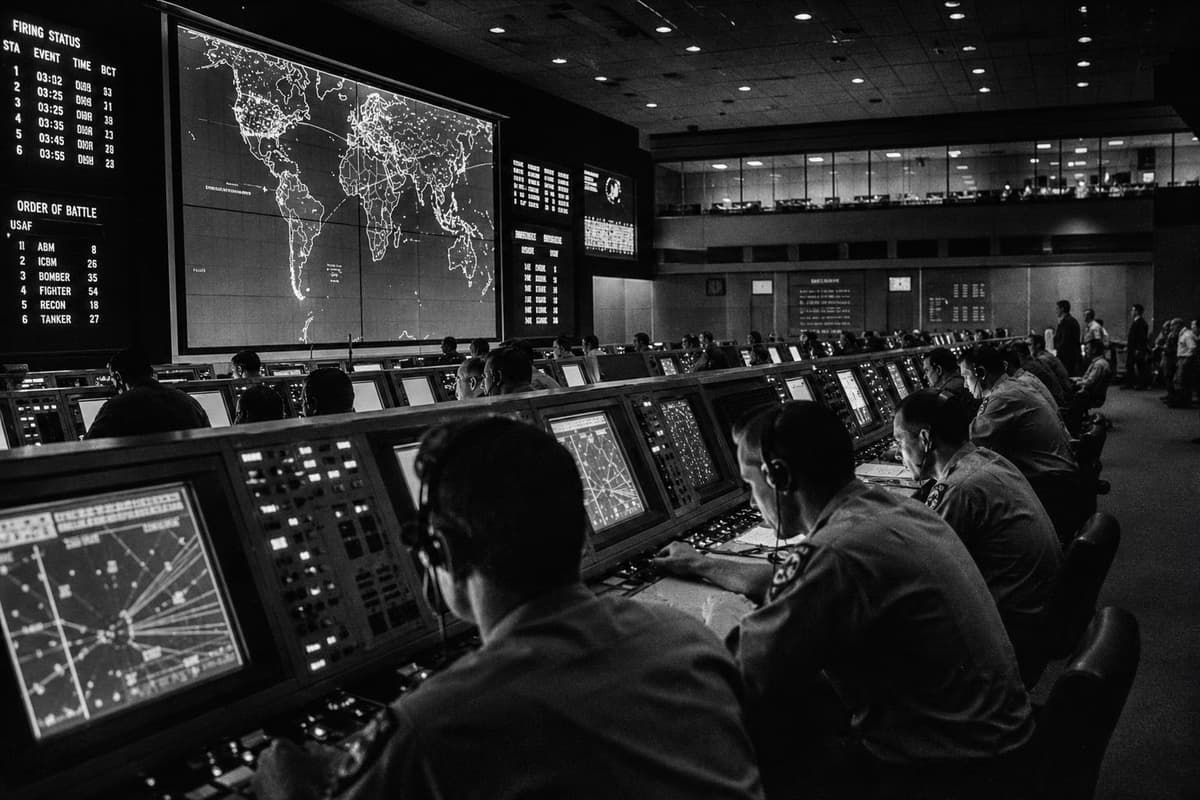
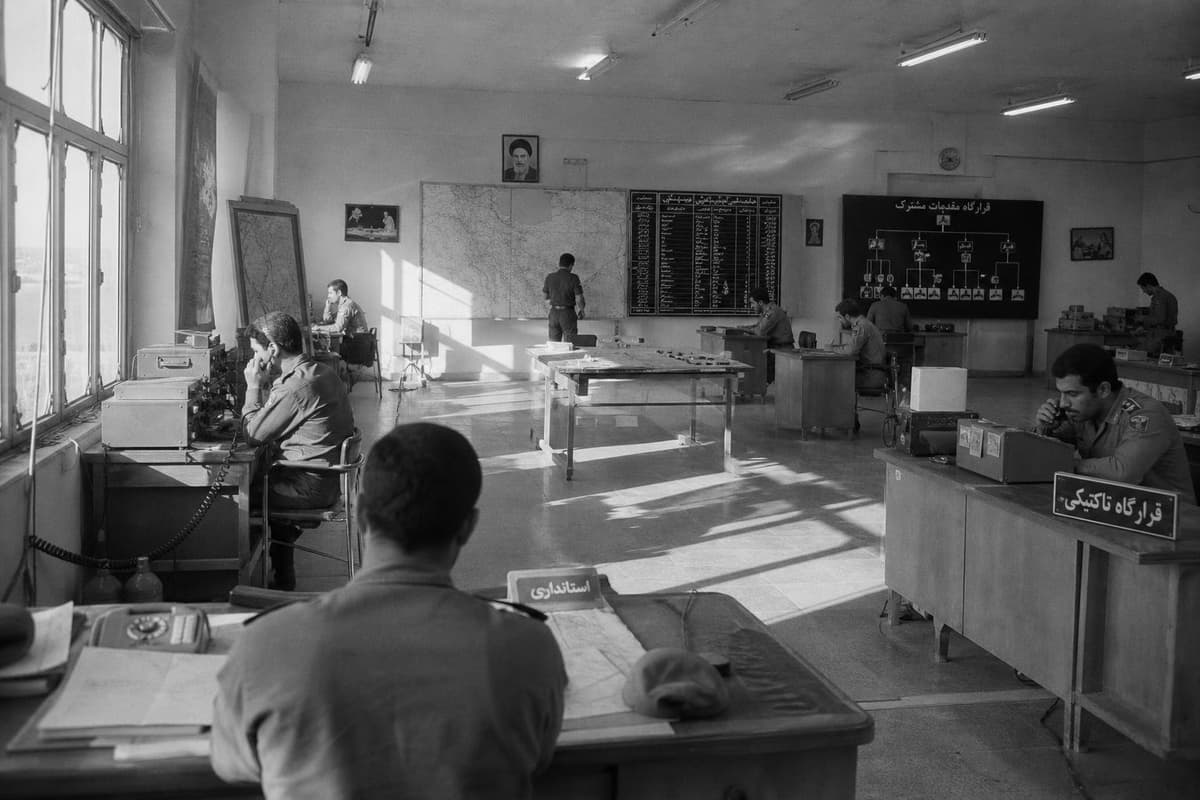
The conventional postmortem on the recent U.S.-Iran conflict focuses on American airpower, Israeli precision strikes, and Iranian missile salvos. That's the wrong frame. The more i…
Looking at the source pool honestly: Source [1] is a wargaming blog summarizing a post-war battle summary — it's a low-authority source by this publication's editorial standards, a…
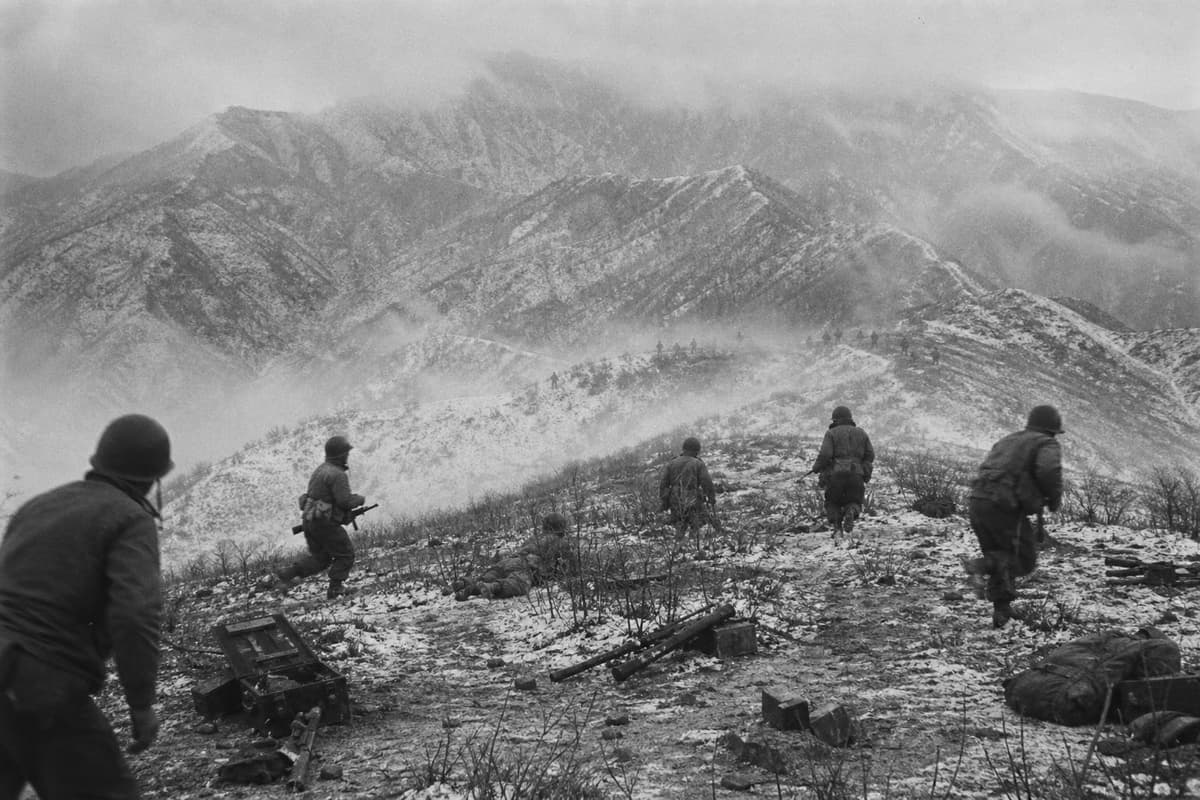
In late September 1950, Douglas MacArthur stood at the apex of his career. The Inchon landing had worked — spectacularly, against the odds, against the advice of nearly every naval…