



The argument has a seductive logic: China's military has documented shortcomings — limited combat experience, political interference in command culture, institutional dysfunction signaled by high-profile purges — therefore an invasion of Taiwan remains beyond reach. Adm. (ret.) Dennis Blair made a version of this case in Foreign Affairs, and he is not alone. A recurring strand of Western analysis has leaned on genuine Chinese weaknesses to reach categorical conclusions that the evidence doesn't actually support.
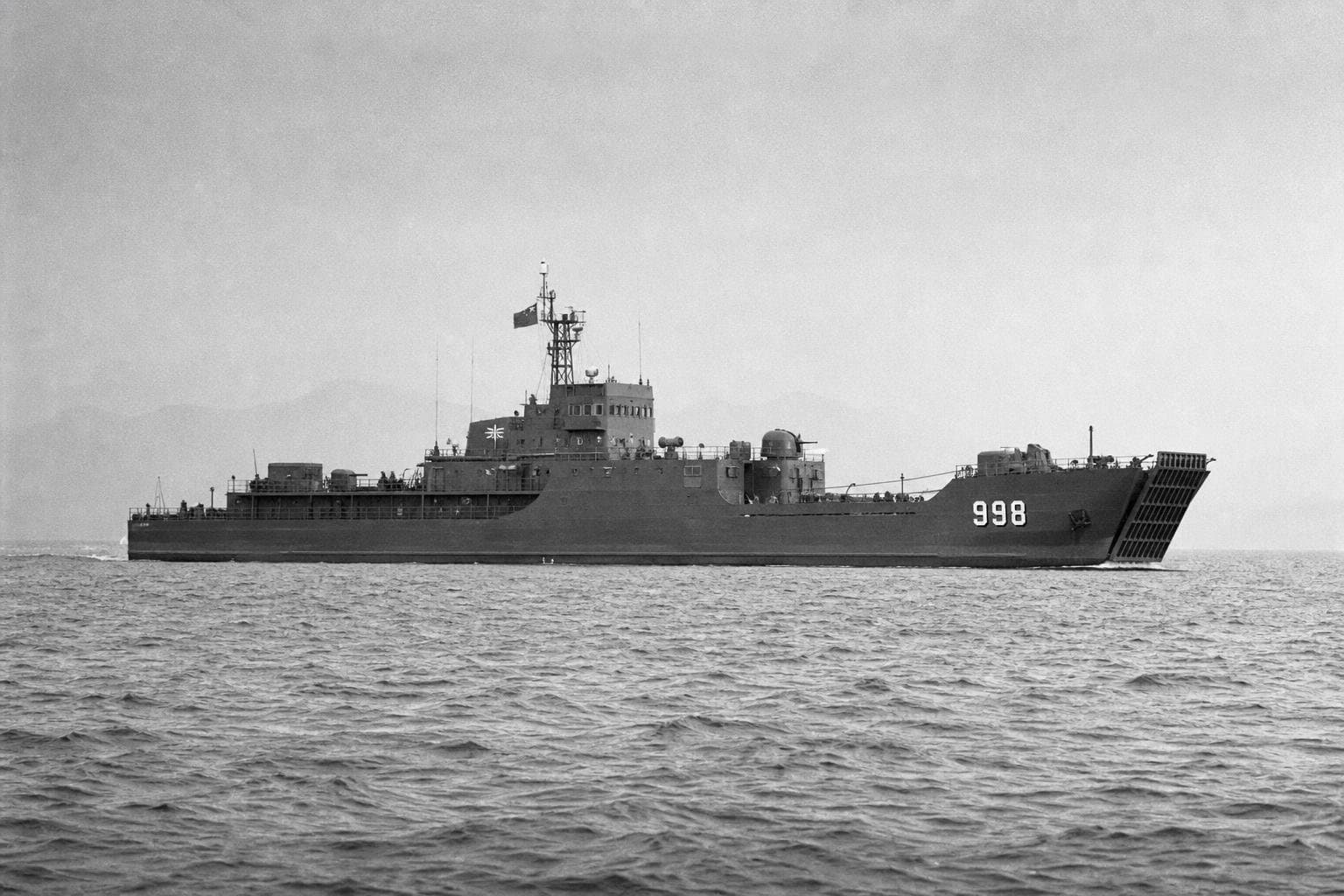
The problem, as War on the Rocks lays out in a direct rebuttal to Blair's argument, is the conflation of two distinct questions: whether China would succeed in a Taiwan invasion, and whether China could. Uncertainty about the former is not confidence about the latter. The PLA has spent years doing things that don't fit the "incapable" narrative — modifying civilian ferries to launch amphibious armored vehicles, developing equipment to move forces ashore without conventional port facilities, hardening air bases, and expanding missile forces specifically designed to deter or defeat U.S. intervention. These are not the investments of a military that has given up on the problem.
The analytical failure here has a historical shape that should be familiar. Assessments of adversary capability tend to anchor on the most visible weaknesses — the ones that generate headlines, defector testimony, or observable dysfunction — while underweighting the quiet, unglamorous capability-building that happens in parallel. The Wehrmacht's logistical problems in 1941 were real and ultimately fatal; that didn't mean the Red Army could afford to treat German operational capacity as negligible in 1942. Shortcomings and capabilities coexist. The question is which ones are load-bearing in the specific scenario under analysis.
Blair's piece acknowledges PLA improvements. The War on the Rocks critique argues he underestimates their scale — that the transformation of the PLA over two decades is more substantial than the sanguine analysis credits. That's a contested interpretive judgment, and reasonable analysts can disagree about the weight to assign specific indicators. What's harder to defend is the categorical conclusion: that China cannot and will not develop the capability. That framing closes off exactly the uncertainty that should be driving contingency planning.
The historical record on capability assessments is not encouraging. Committees and analysts have a long track record of being surprised — not because the evidence wasn't there, but because the framing of the question made certain conclusions feel safe. "They can't do it yet" is a comfortable resting place. It's also where the worst surprises tend to originate.