Latest issue
The Default That Saved Your 401(k) Can Also Quietly Drain It
10/29/2026
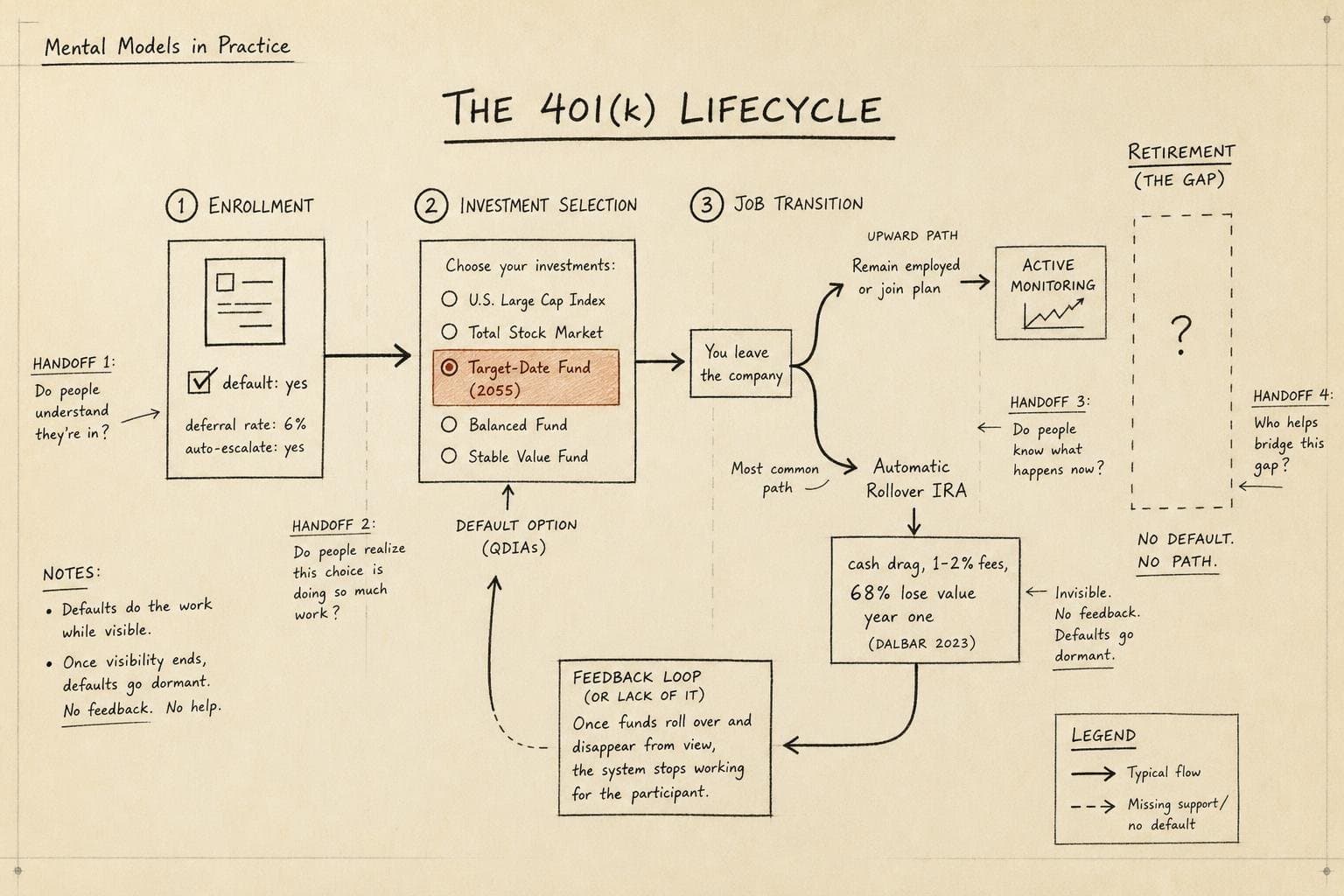
In 2001, a pair of economists studied what happened when a large employer stopped asking new hires to sign up for a 401(k) and started asking them to opt out instead. Participation went from 37% to 86% — a 49-point jump produced by nothing more than flipping a checkbox (Behaviora…
Recent posts
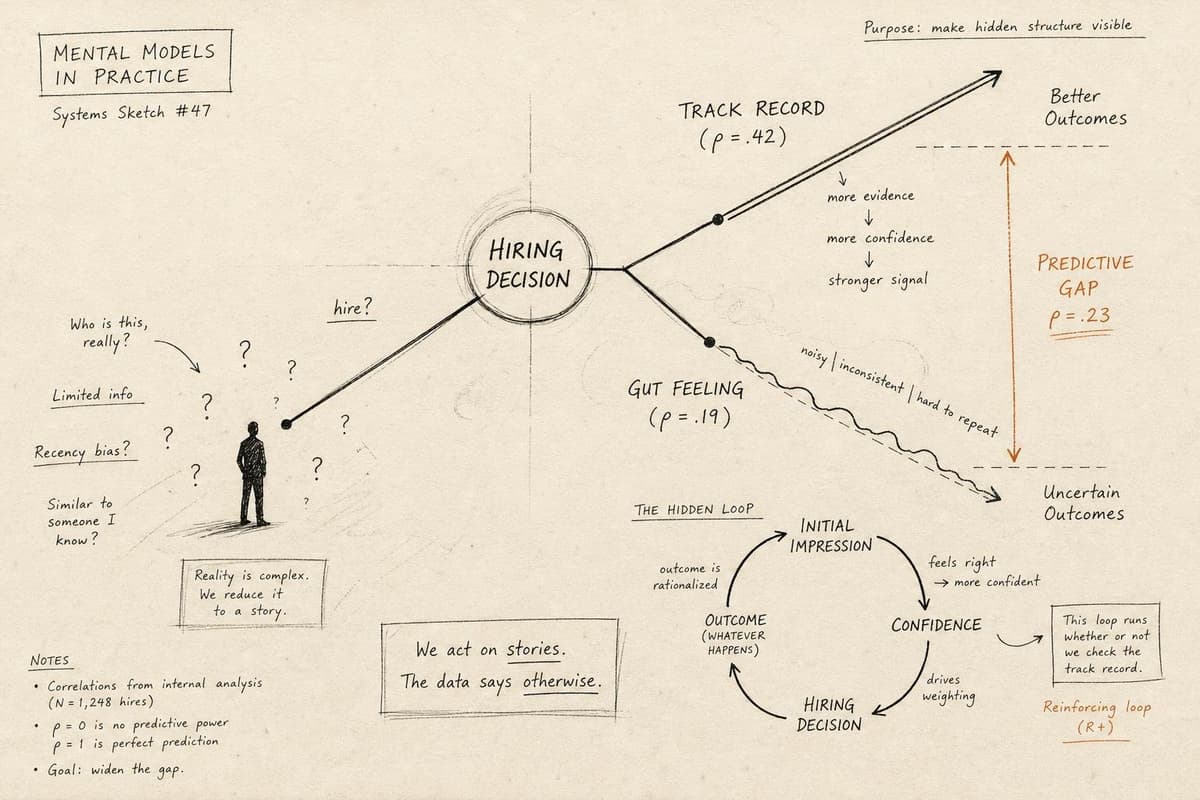
Here's a strange result from a study published this October. Give a professional recruiter accurate advice that contradicts their initial read on a candidate, and they'll often thr…
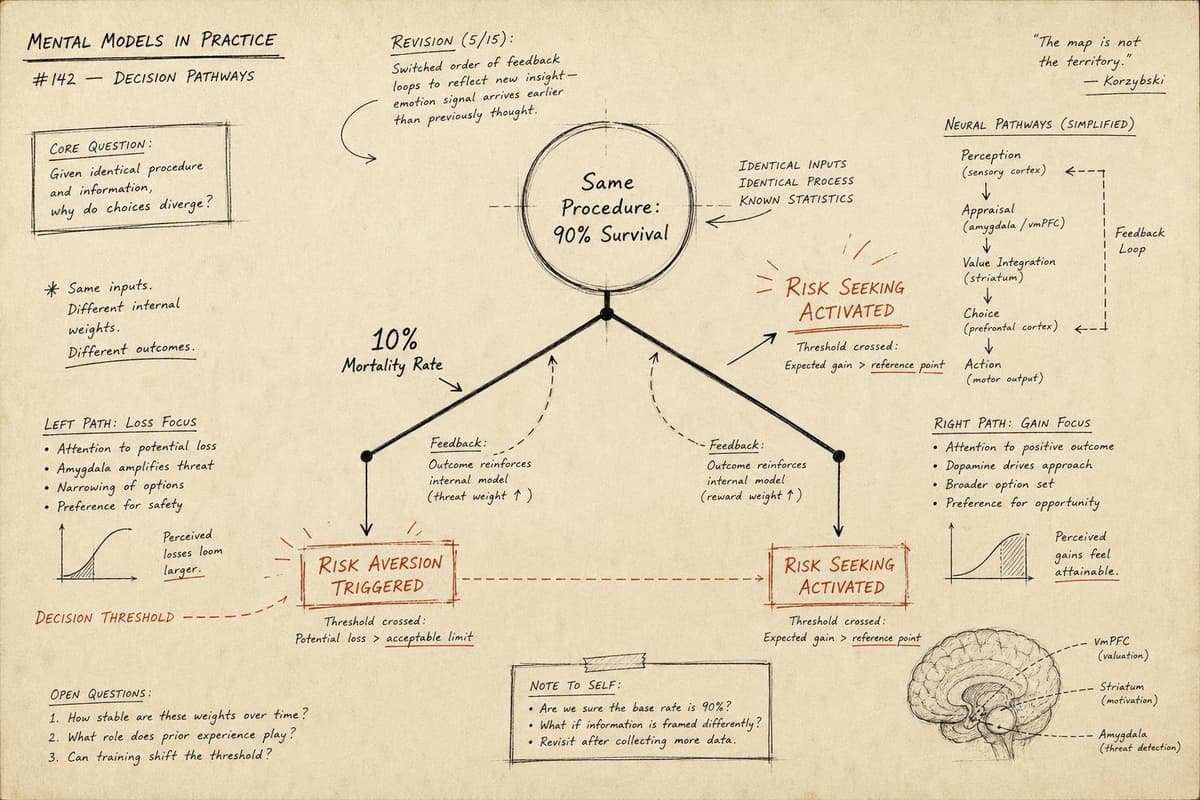
Picture a doctor explaining a treatment option. "Ninety percent of patients survive this procedure" sounds like good news. "Ten percent of patients die from this procedure" sounds…
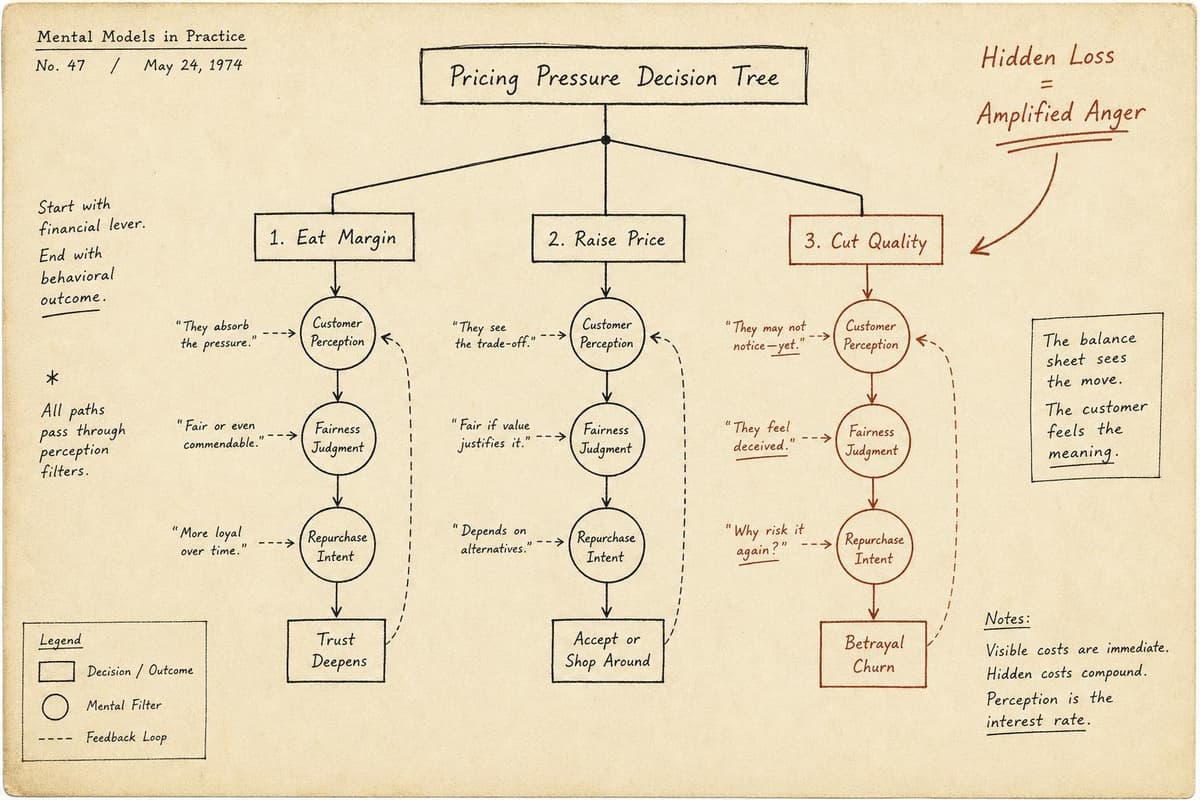
Picture a jar of pasta sauce. The price stays the same, the label looks the same, the size on the shelf is identical. But inside, a few less tomatoes, a little more water. Nobody n…
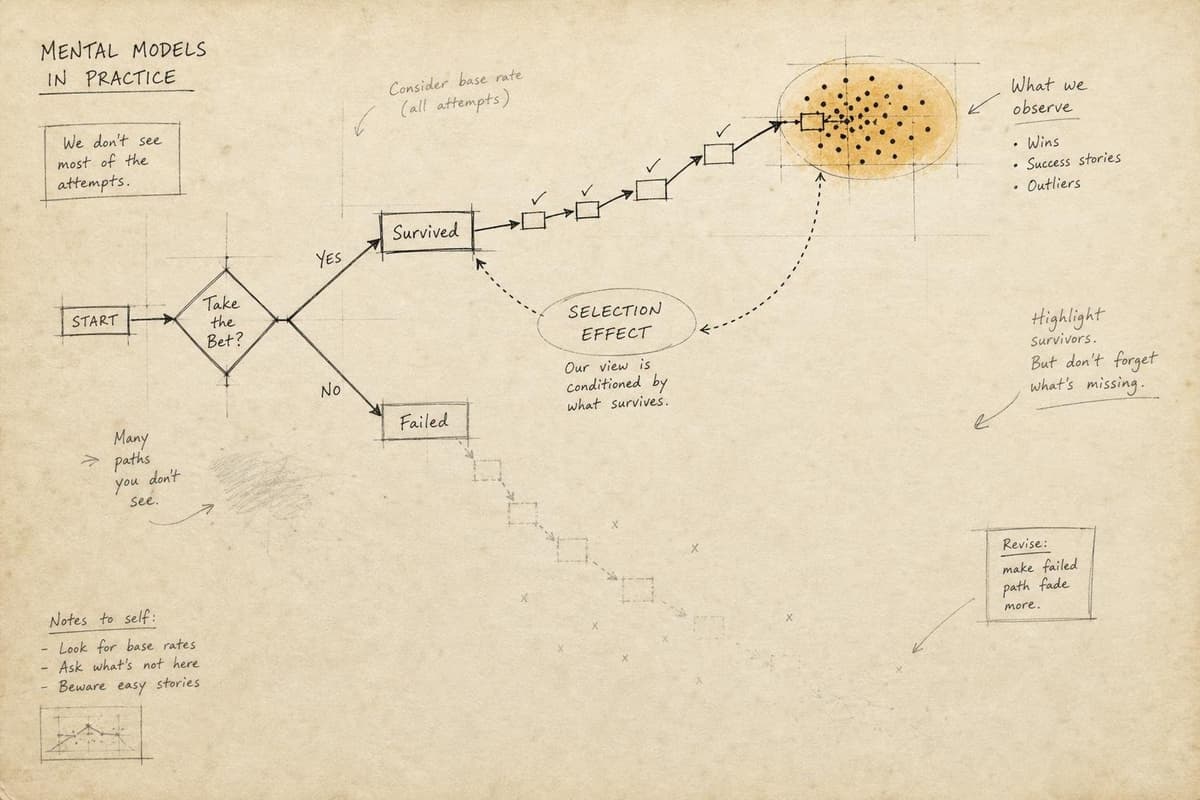
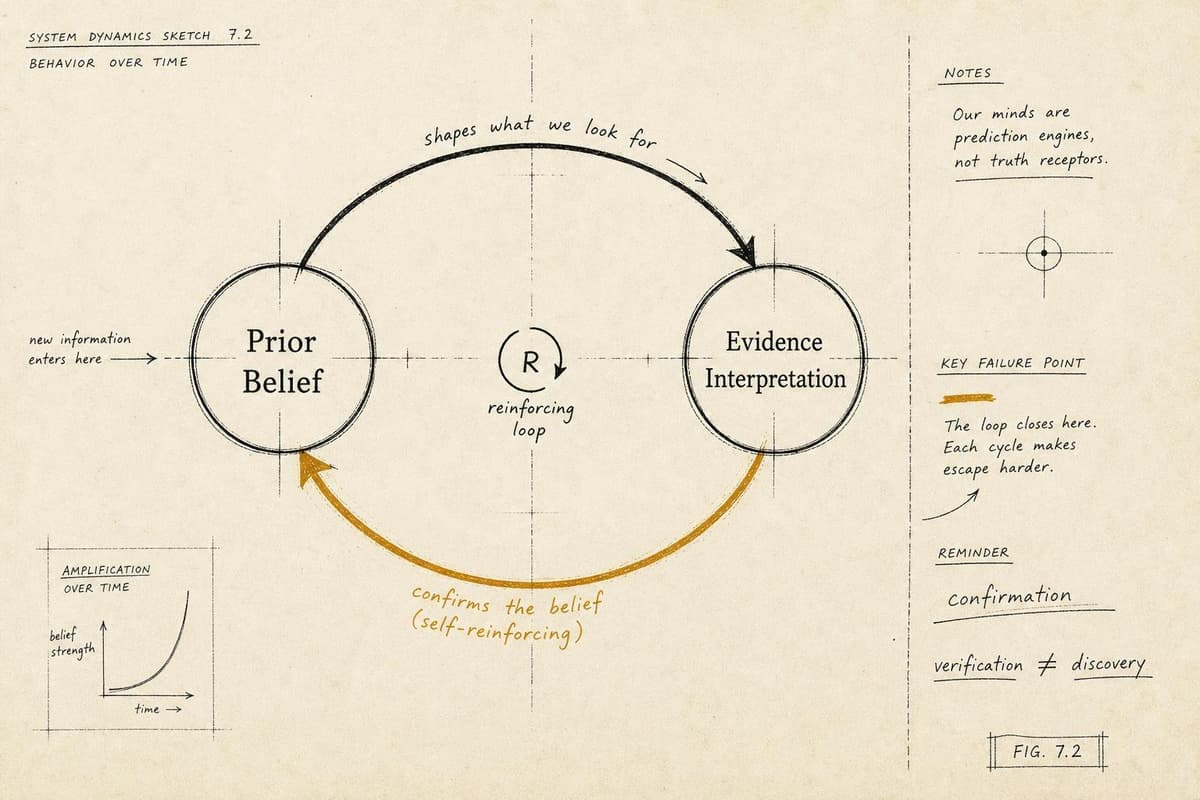
Here's a pattern worth sitting with. You read a book about how a founder built a billion-dollar company. You read another about a different founder who did the same. You pull out t…
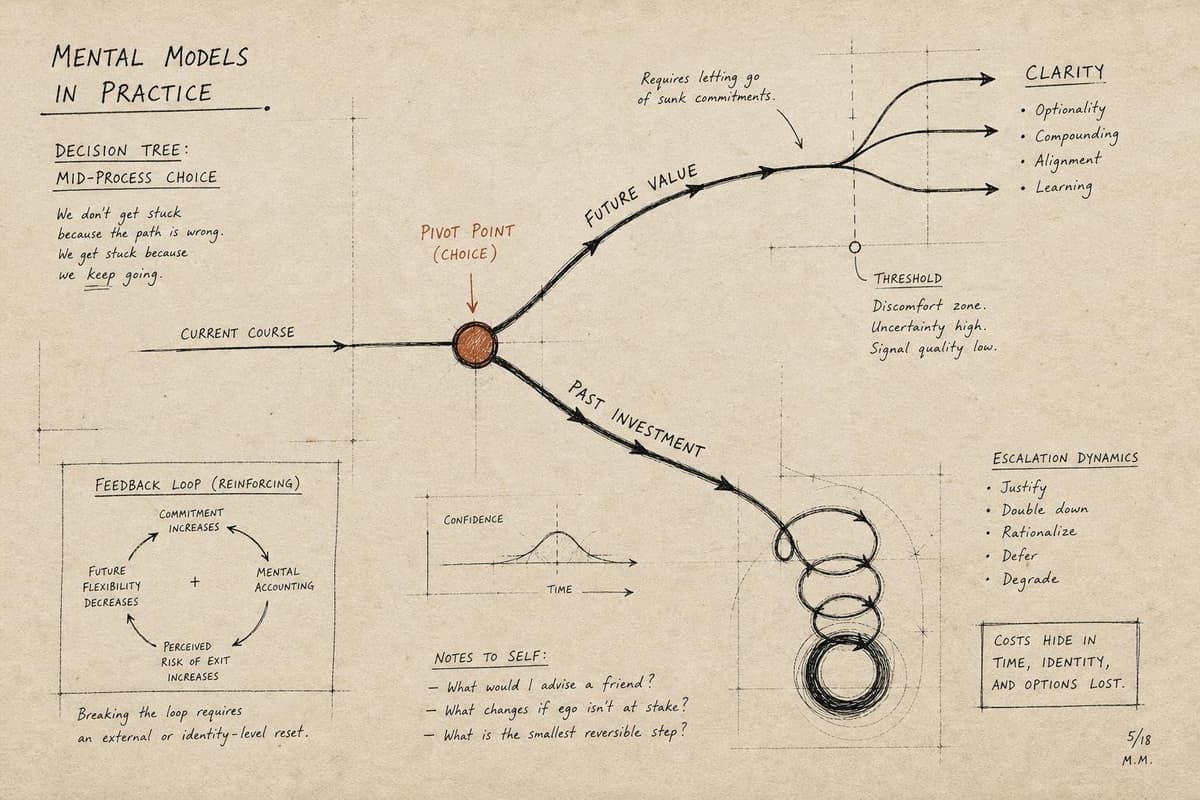
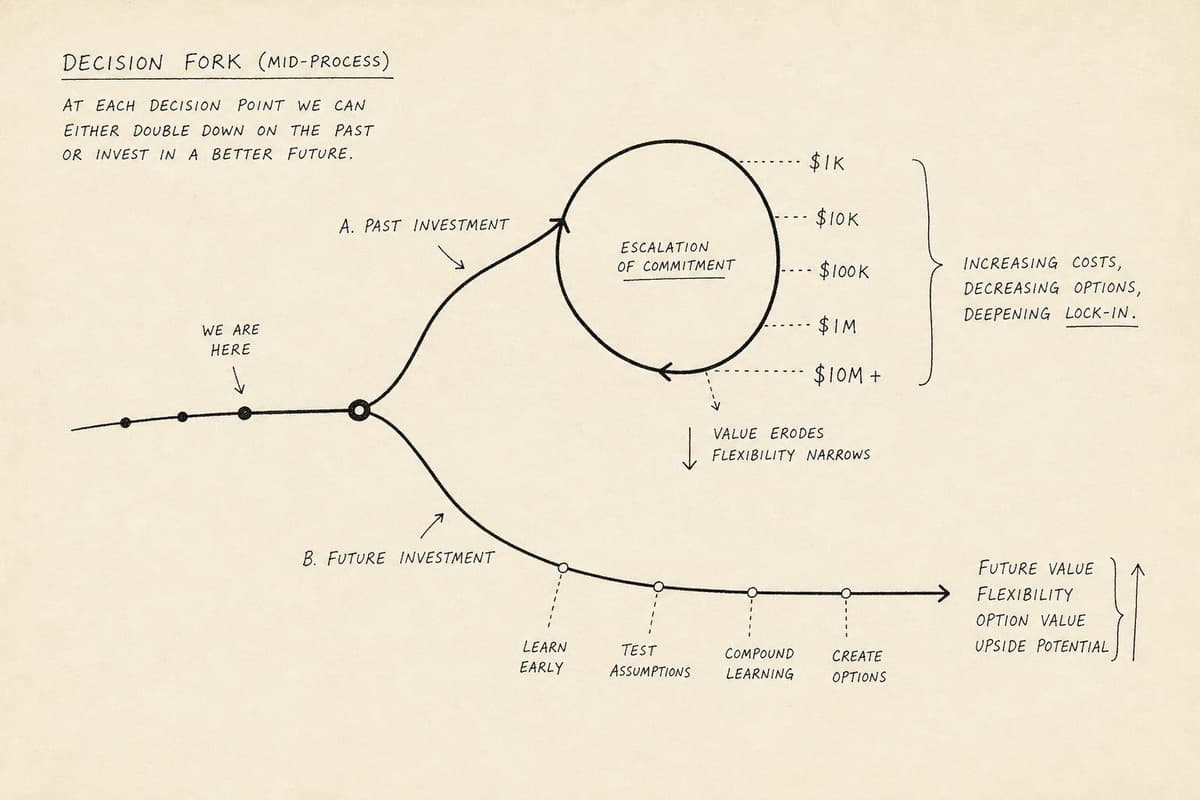
Here's a scene that plays out in product meetings everywhere. The roadmap review is underway, and someone raises the feature that's been in development for fourteen months. Adoptio…
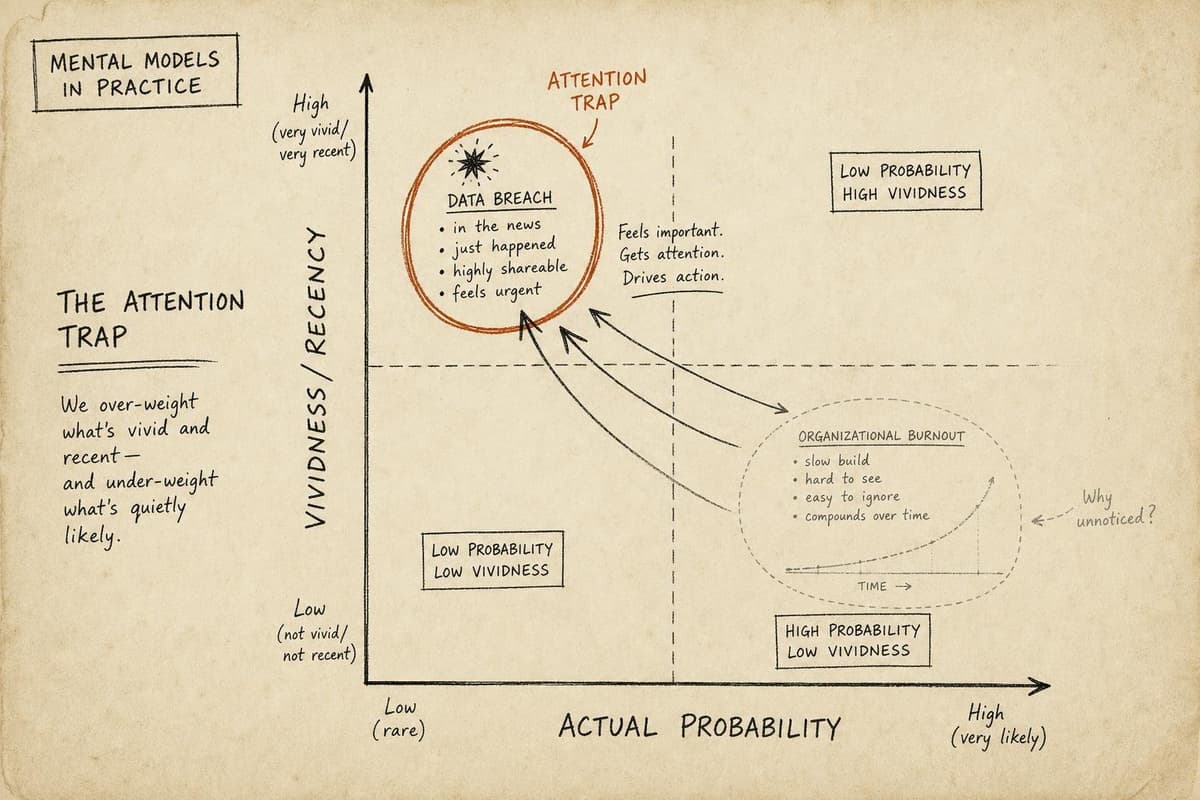
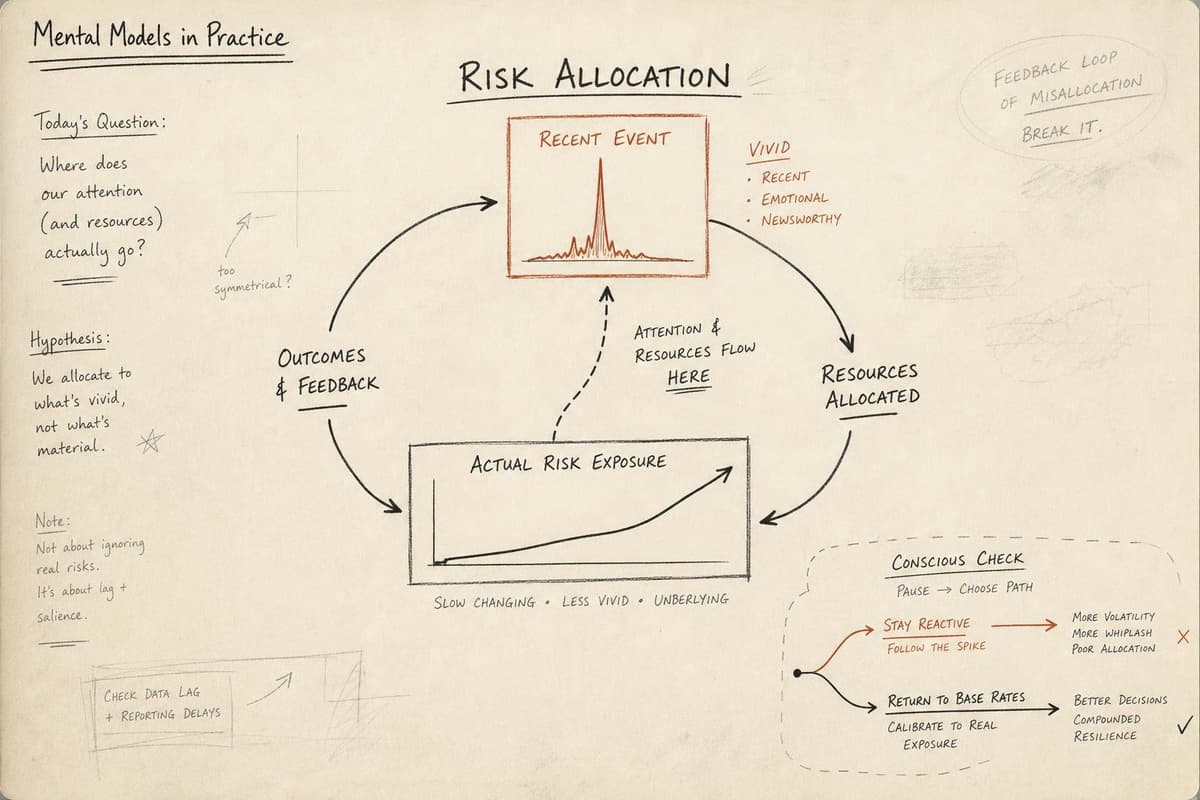
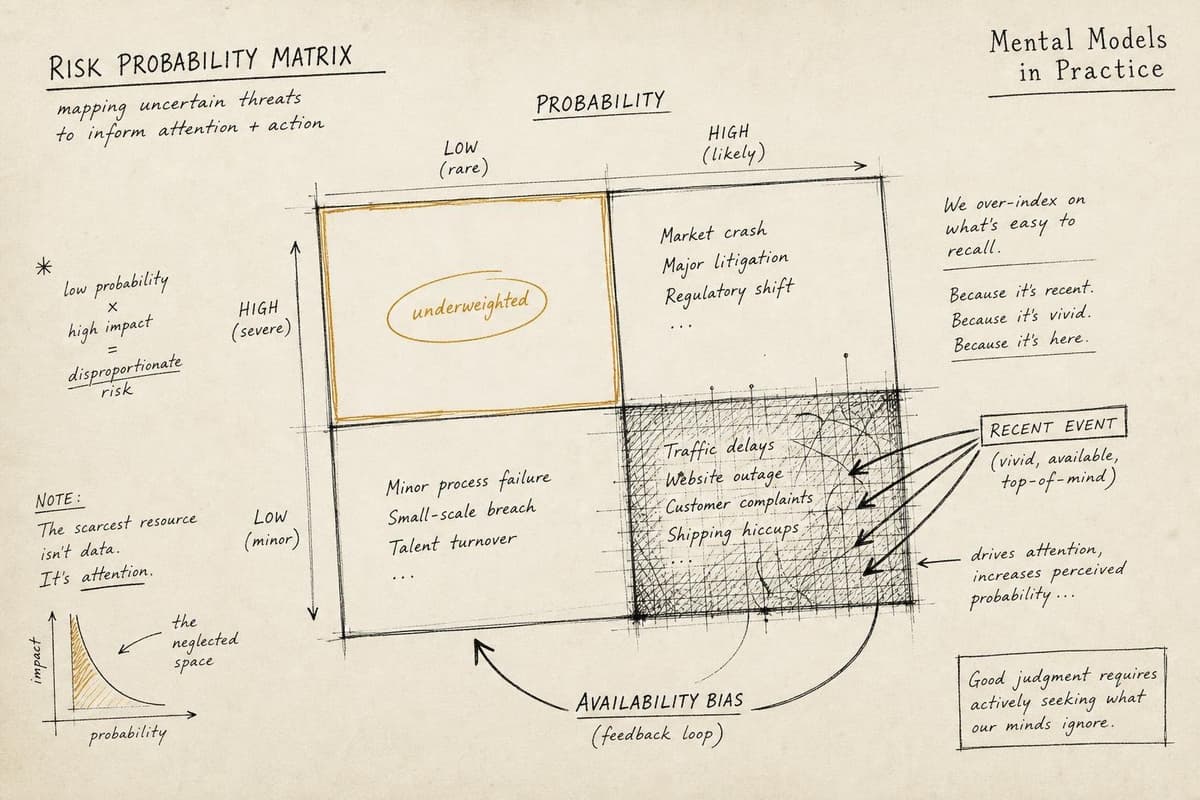
Here's a scenario that should feel uncomfortably familiar. A competitor suffers a high-profile data breach. The story runs on LinkedIn for two weeks. Executives testify before a co…
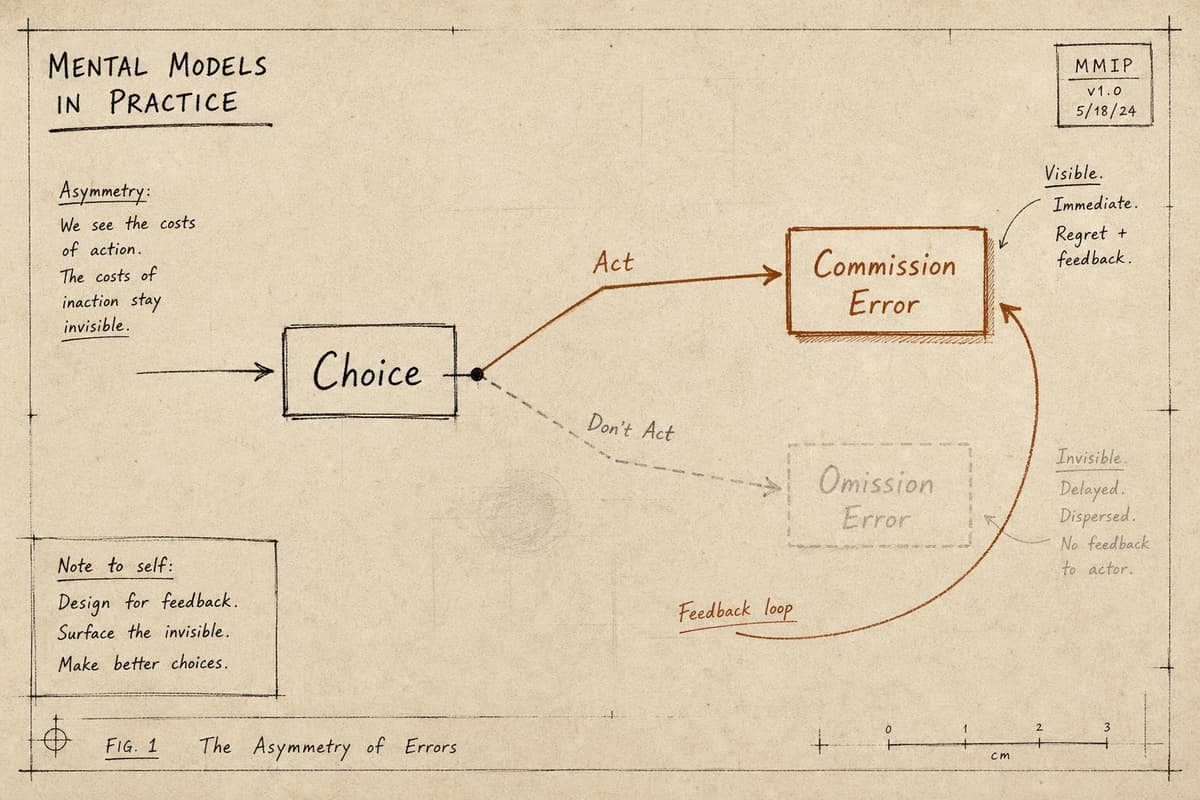
Here's a thought experiment. You have $1,000 and you spend it on a conference ticket. What did that decision cost you? The obvious answer: $1,000. But that's not the full answer. I…
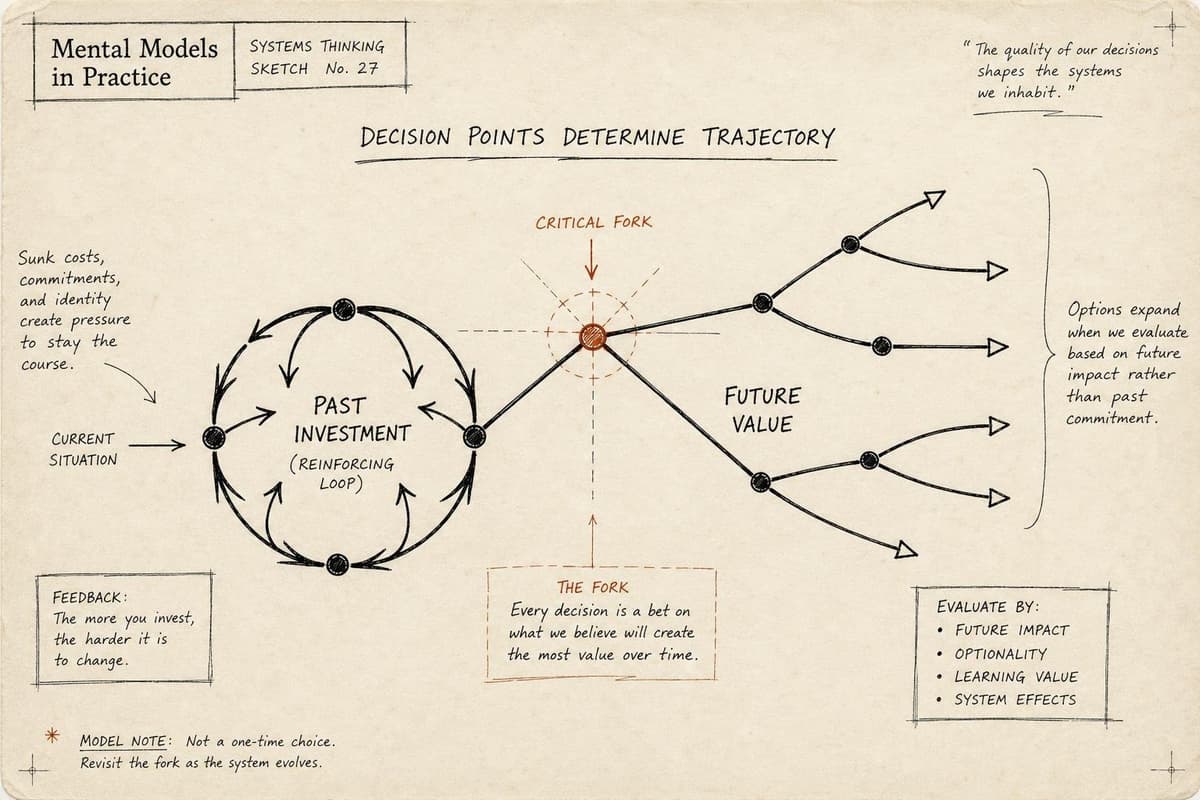
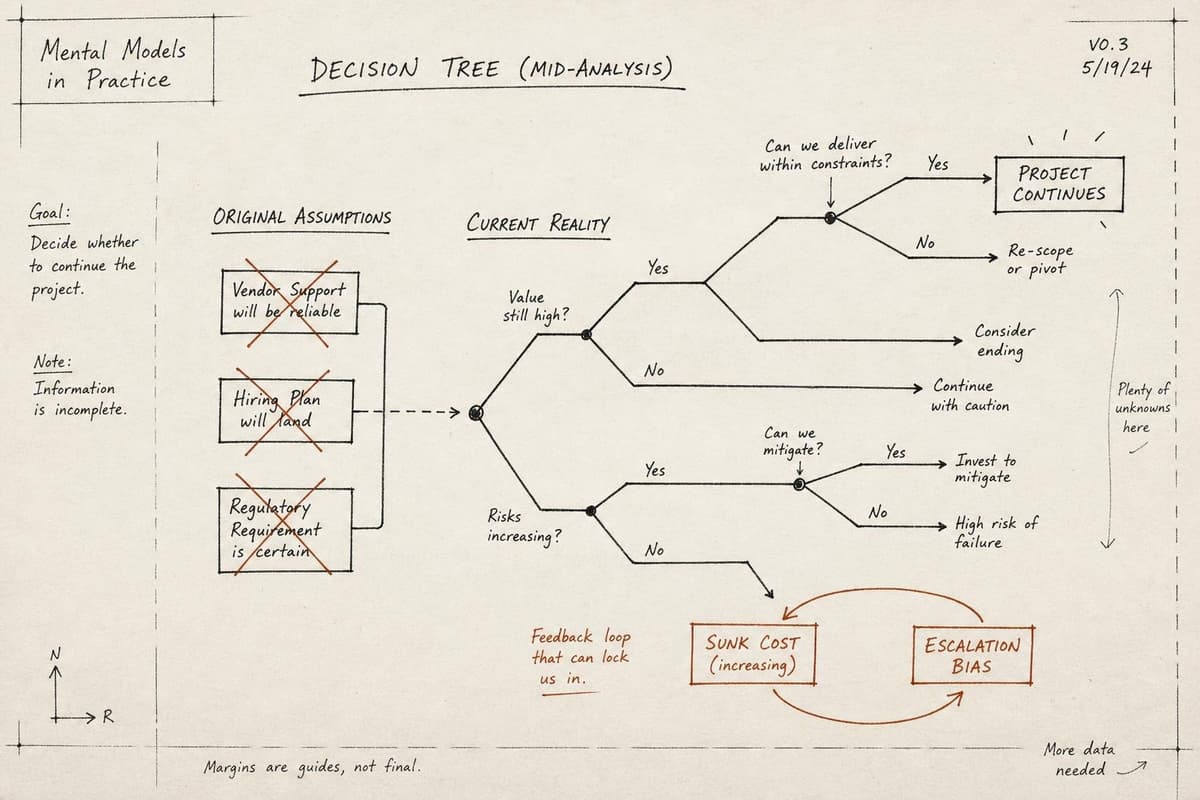
Here's a scene that probably sounds familiar. An engineering director is sitting in a quarterly review, looking at a slide showing a migration that's 72% complete. He asks a simple…
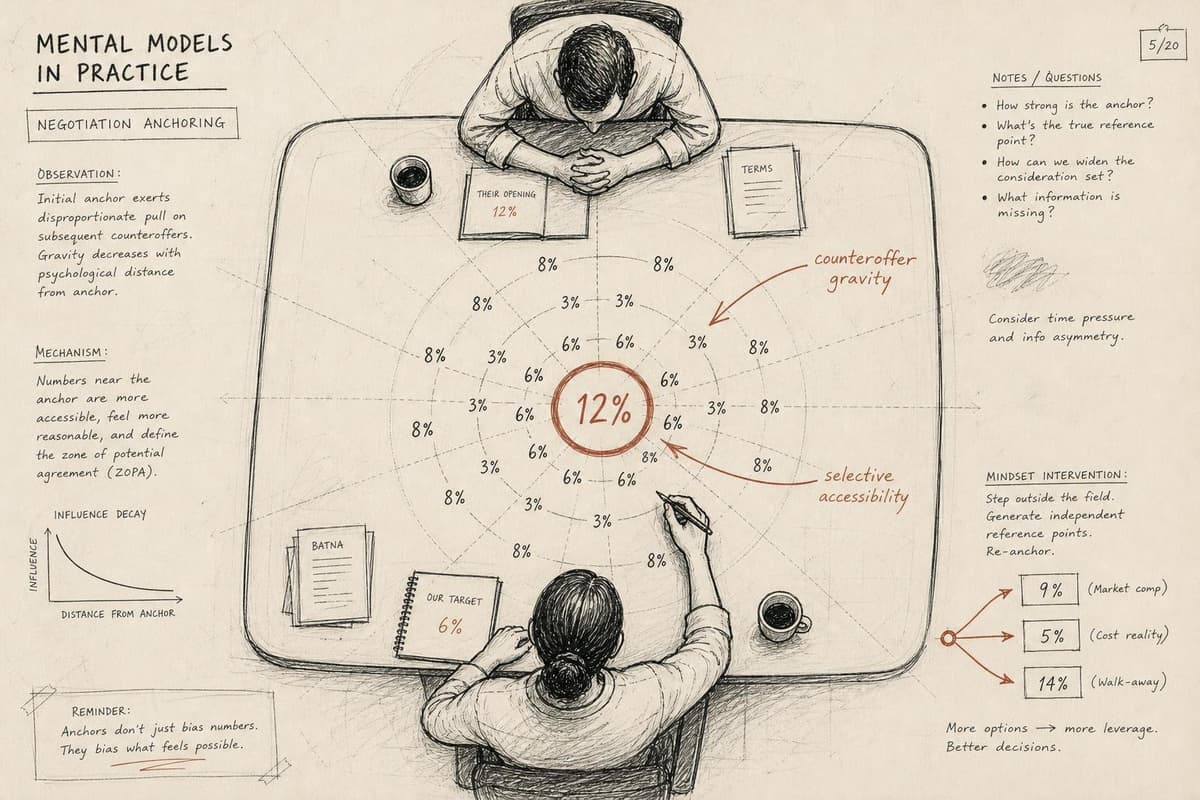
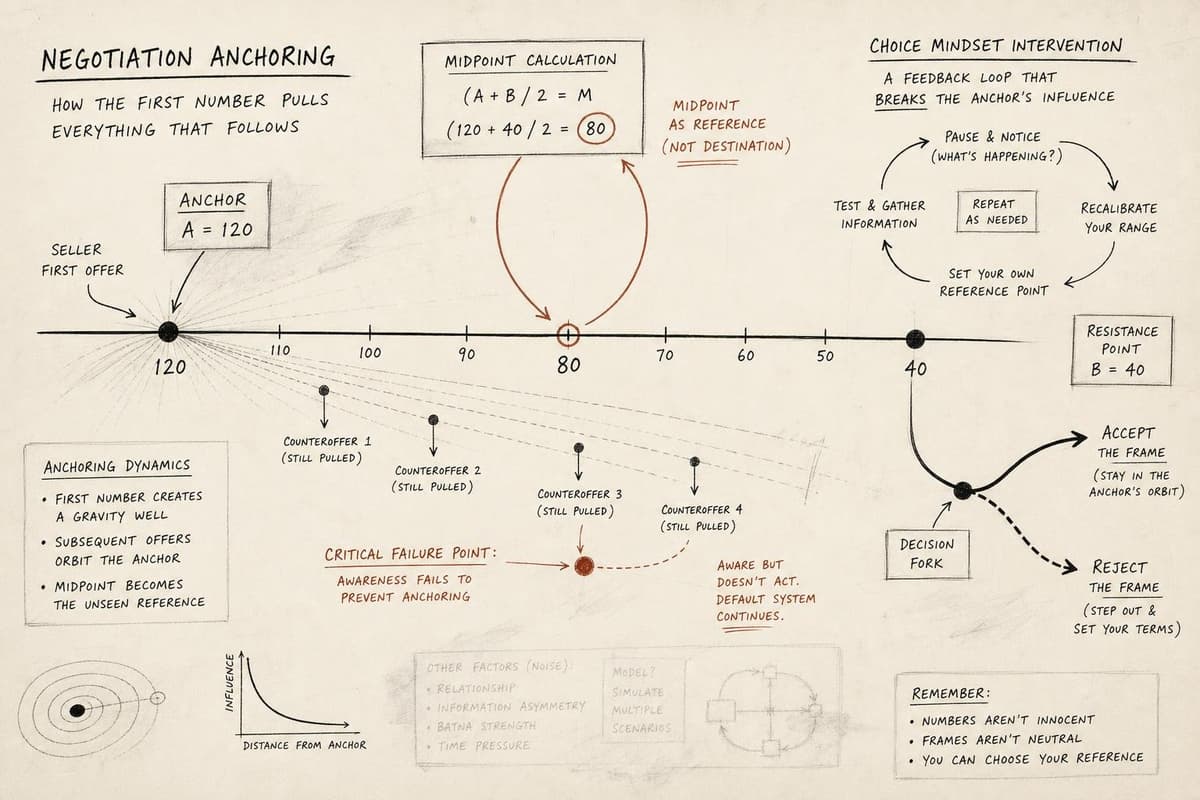
A student in one of Guhan Subramanian's negotiation simulations at Harvard Business School spent most of the exercise arguing that a wage rate of $10.69 per hour was completely unr…
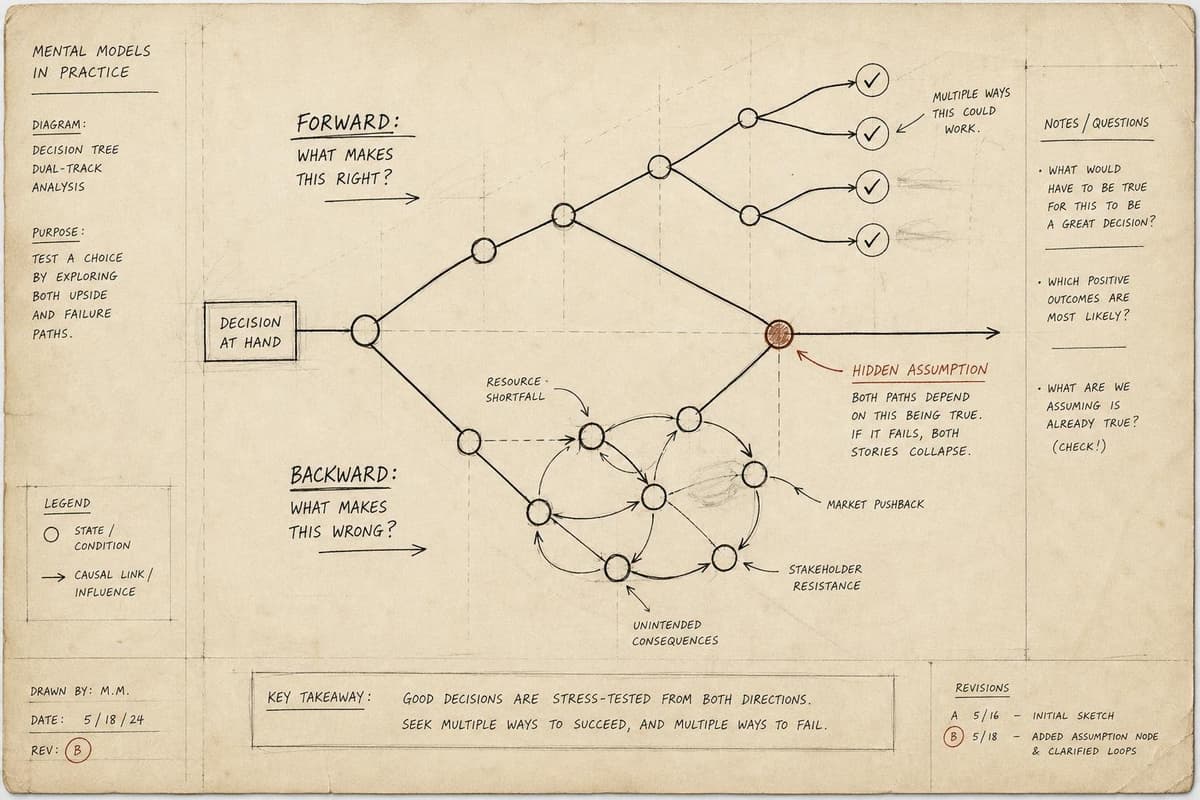
Here's a thinking habit that sounds almost too simple to be useful: before you figure out how to solve a problem, spend time figuring out how you'd guarantee failure. This is inver…
A competitor suffers a data breach. The story runs on LinkedIn for two weeks. Three executives testify before a parliamentary committee. A month later, your leadership team sits do…
(A note before we start: I wrote about sunk cost briefly in the June 18 issue — specifically how the model breaks down when building costs collapse. That was about when the framewo…
You walk into a salary negotiation having done your homework. You know the market rate. You have a number in mind. Then the hiring manager opens with something lower than you expec…
Here's a pattern that shows up in deal post-mortems with uncomfortable regularity: the red flags were visible in the data room. They were there in the financials, in the customer c…
Somewhere in a boardroom after the 2008 financial crisis, a risk committee added "mortgage-backed securities" to their list of things to worry about. Which would have been useful a…
Meta spent over $80 billion building a virtual world that peaked at 300,000 monthly active users — and then kept spending. Reality Labs lost $19.2 billion in 2025 alone on $955 mil…
A student in a Harvard Business School negotiation simulation spent most of the exercise arguing, with genuine conviction, that a wage rate of $10.69 per hour was completely unreas…
Most strategy sessions start with a question like "How do we make this succeed?" It sounds rigorous. It isn't. It's optimism wearing a whiteboard. The more useful question — the on…
A single data breach story in the news can temporarily tank conversion rates across an entire industry. Not because the actual risk of fraud increased. Because the mental availabil…