Latest issue
Overland AI's $20M Army Contract Is the Clearest Signal Yet That Autonomous Ground Systems Have Crossed the Threshold
9/16/2026
The Army doesn't hand out production-track contracts to companies that haven't proven their software in the field. That's what makes Overland AI's $20 million award for the Engineer Autonomous Breaching Capability initiative worth examining closely — not for the dollar figure, bu…
Recent posts
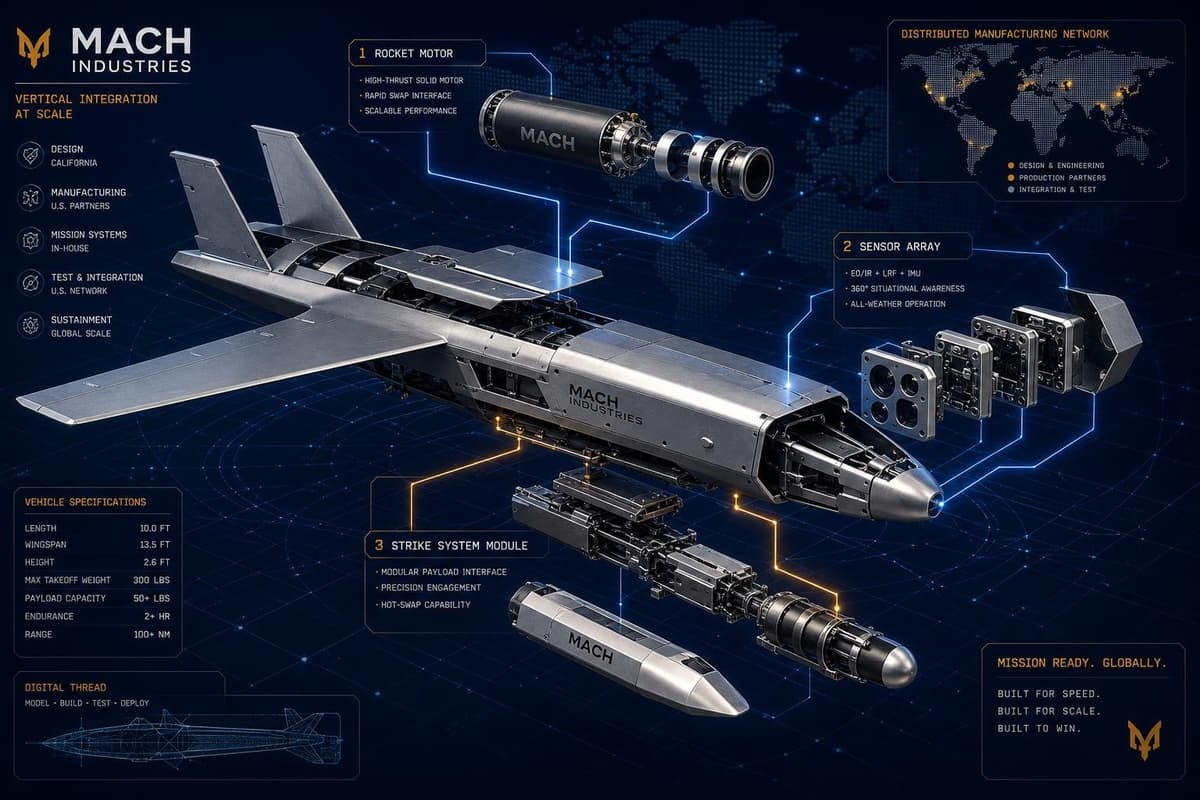
Three months. That's how long it took Mach Industries to double its valuation from $1.8 billion to $3.7 billion, closing a $600 million Series C extension with Sequoia, Ribbit Capi…
The math problem is almost embarrassingly simple. A U.S. ally once fired a $3 million Patriot missile to destroy a $200 consumer drone. The missile worked. The economics didn't. As…
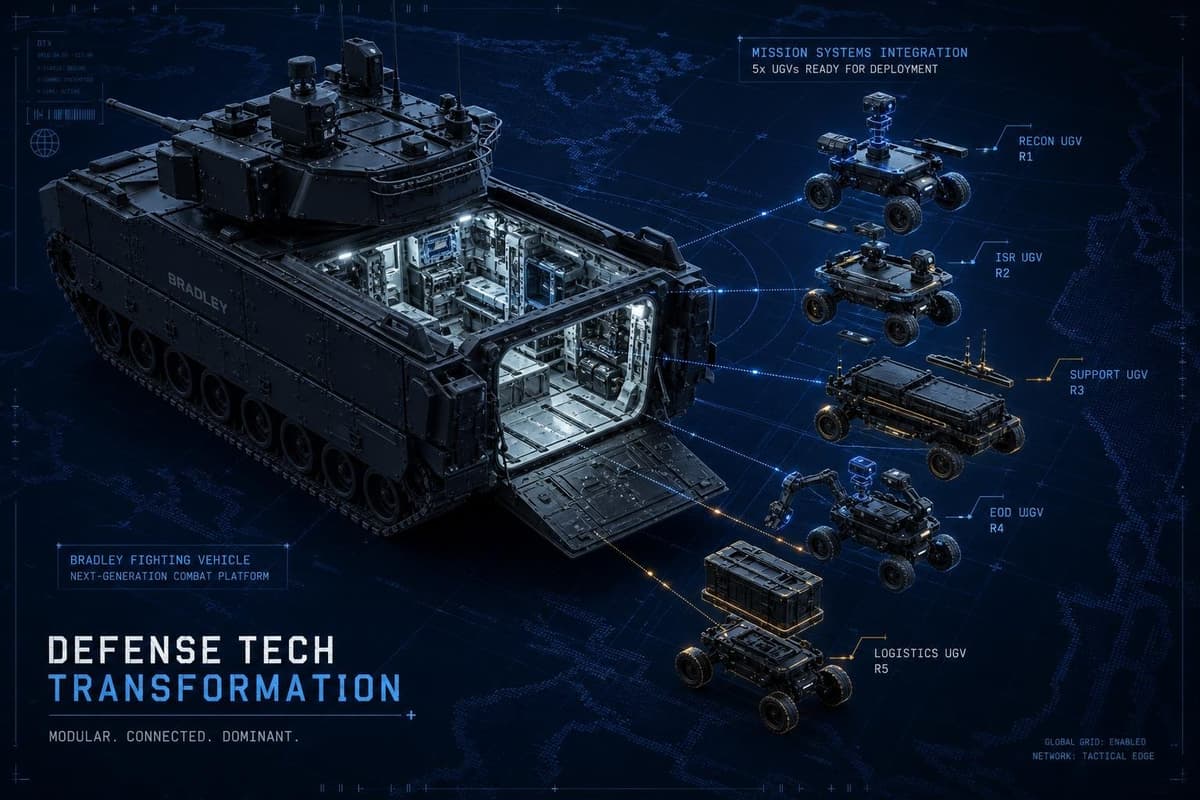
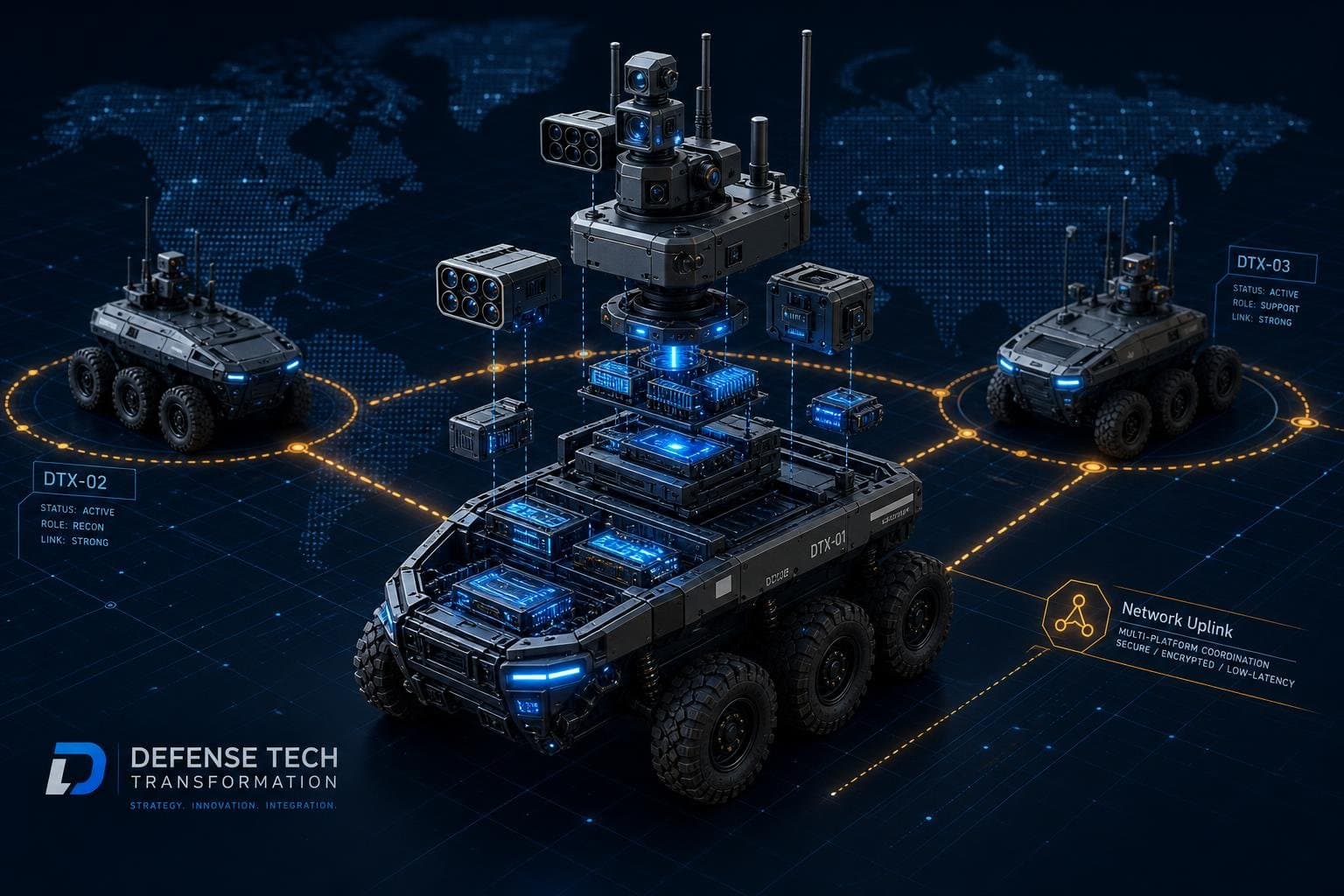
A squad of soldiers rides buttoned up inside a Bradley Fighting Vehicle — a hull designed in 1981 — while five 70-pound ground drones roll ahead of them into the trench. That image…
Three months ago, Mach Industries closed a $300 million Series C at a $1.8 billion valuation. Today, it announced a $600 million extension that puts the company at $3.7 billion — a…
The assigned topic — venture-backed AI counter-drone startups winning Air Force base air defense contracts — is directionally right but slightly ahead of where the sources land. Wh…
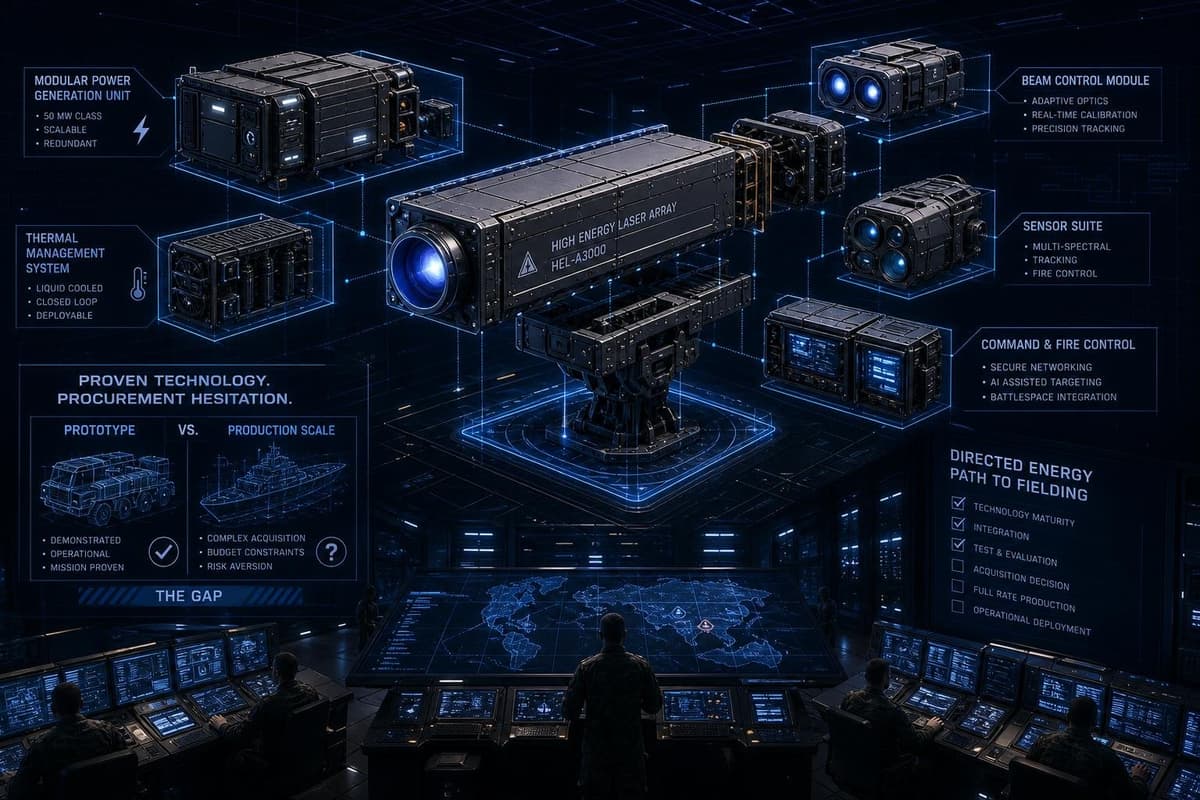
The Pentagon has been promising directed energy for decades. This week, it finally signed the check. The U.S. Army awarded AeroVironment a $464.8 million production contract for it…
A $121 million construction contract for a new cybersecurity operations facility at Fort Meade — awarded last week to Clark Construction Group — doesn't generate the same buzz as a…
The math has been broken for years. A Patriot interceptor costs roughly $3.9 million and takes years to manufacture through a handful of licensed producers. The threats it's design…
The Army just handed Georgia Tech Research Institute $33.4 million to lead integration of its Common Autonomous Multidomain Launcher — and the dollar figure is almost beside the po…
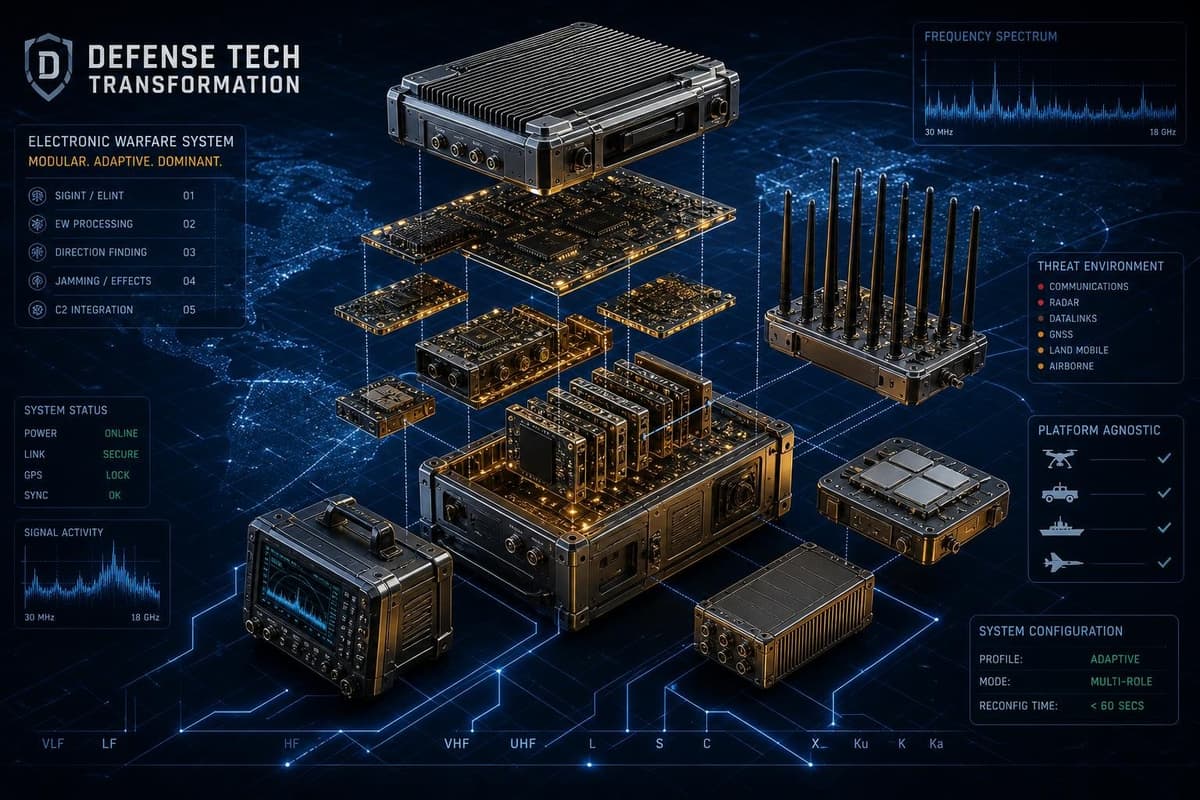
The Air Force just handed an AI-powered electronic warfare contract to Pacific Defense Solutions. That's the headline. The more interesting story is what it reveals about where spe…
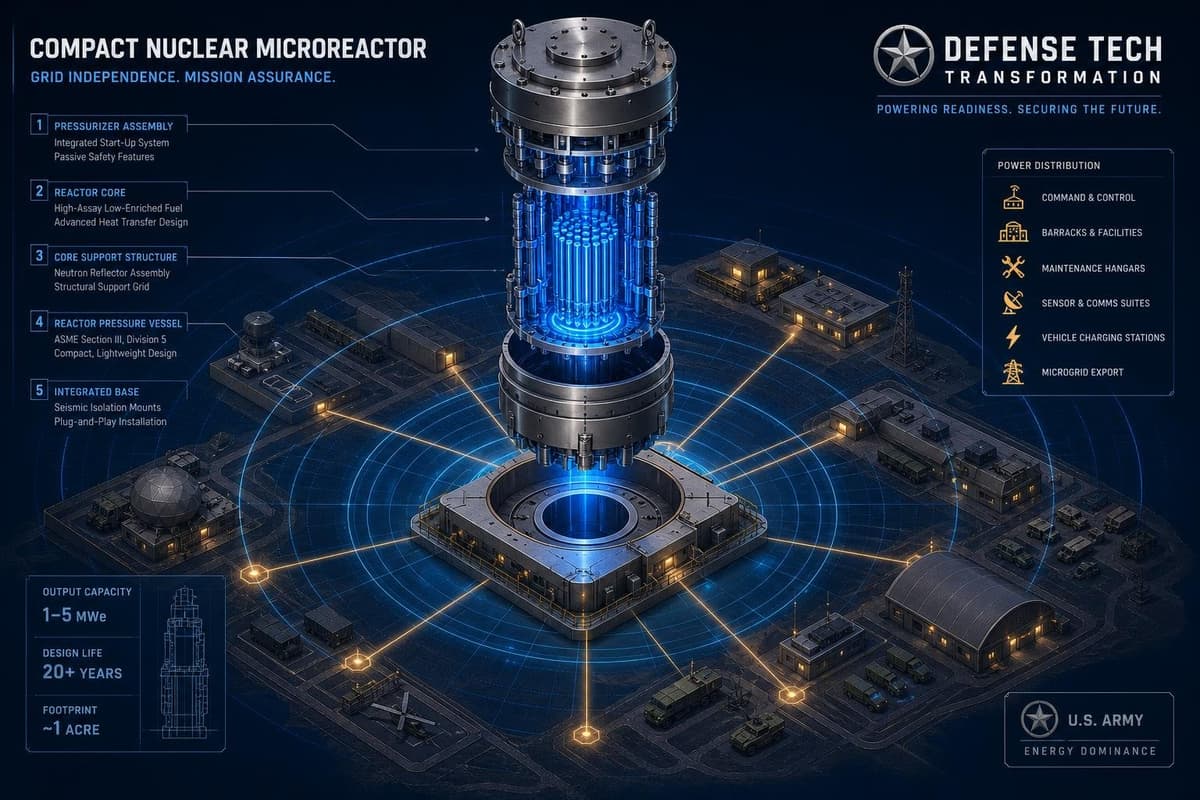
The Pentagon spends enormous energy debating drone swarms and AI logistics. Meanwhile, the Army just made one of the most consequential infrastructure bets in a generation — and it…
The assigned topic — venture-backed quantum computing startups winning DoD cryptography contracts — is a plausible thesis. It's just not what the sources show happening right now.…
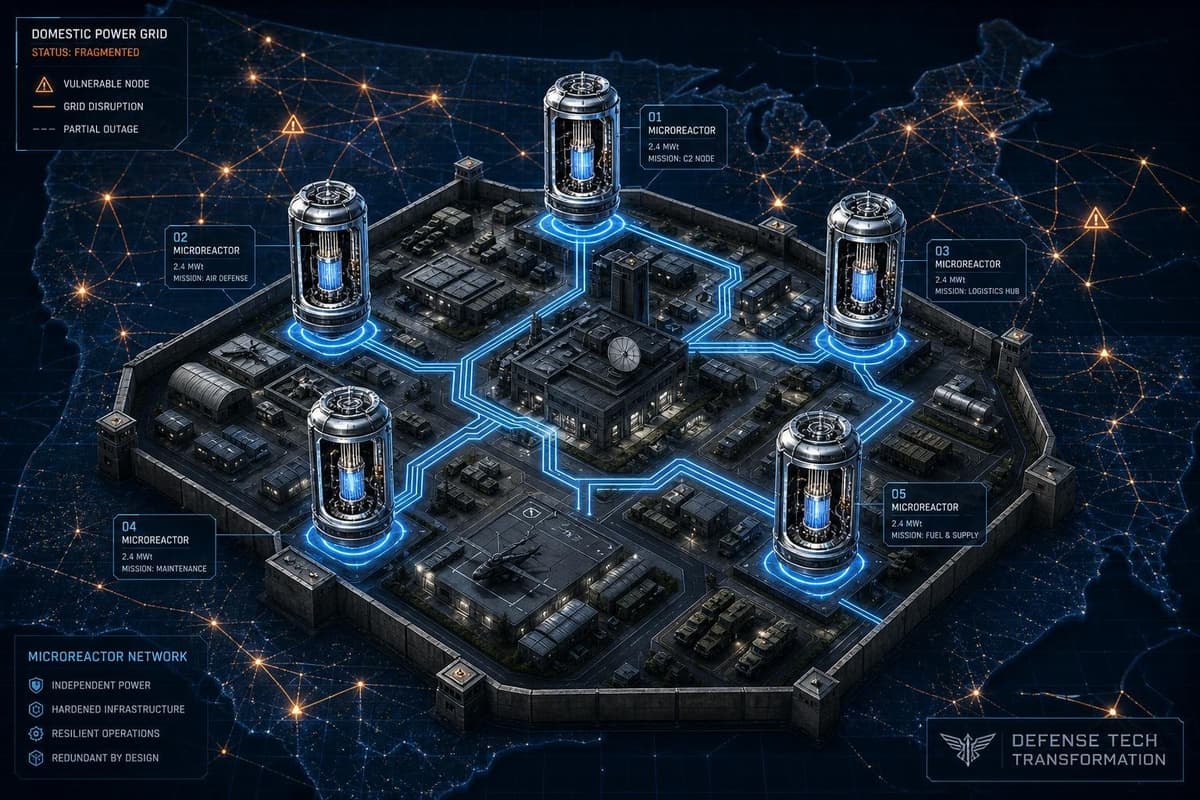
The Pentagon has spent years talking about energy resilience. The Army just started paying for it. Five companies — Antares Nuclear, BWXT Advanced Technologies, General Atomics Ele…
The assigned topic — venture-backed AI threat intelligence startups winning SOCOM intelligence fusion modernization contracts — is a compelling thesis. It's also one the current so…
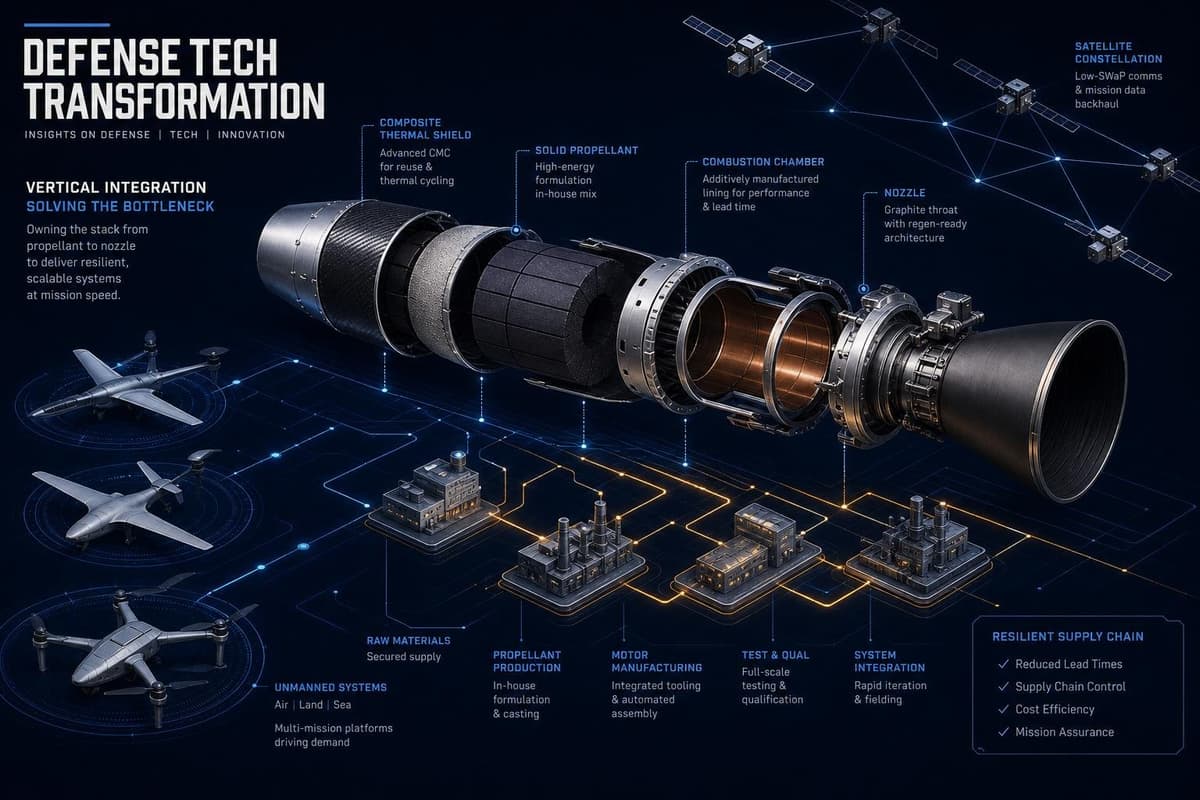
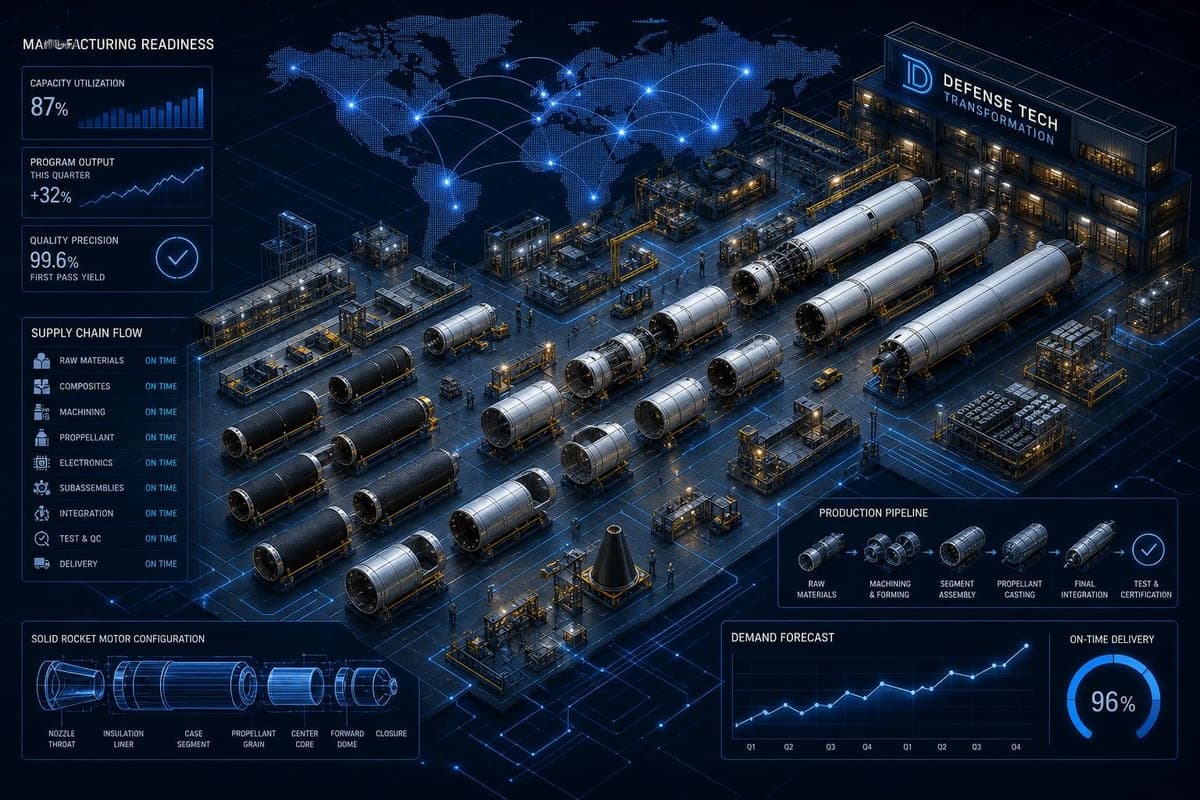
The venture-backed defense startup playbook has always had an awkward final chapter: raise private capital, win government contracts, then what? Ursa Major just answered that quest…
The assigned topic this week — venture-backed synthetic aperture radar startups winning Army ground penetration and all-weather reconnaissance contracts — is a real and important t…
The U.S. military has a logistics problem that no amount of additional personnel can solve. Across the Pacific Command, the Defense Logistics Agency, Army Europe and Africa, and No…
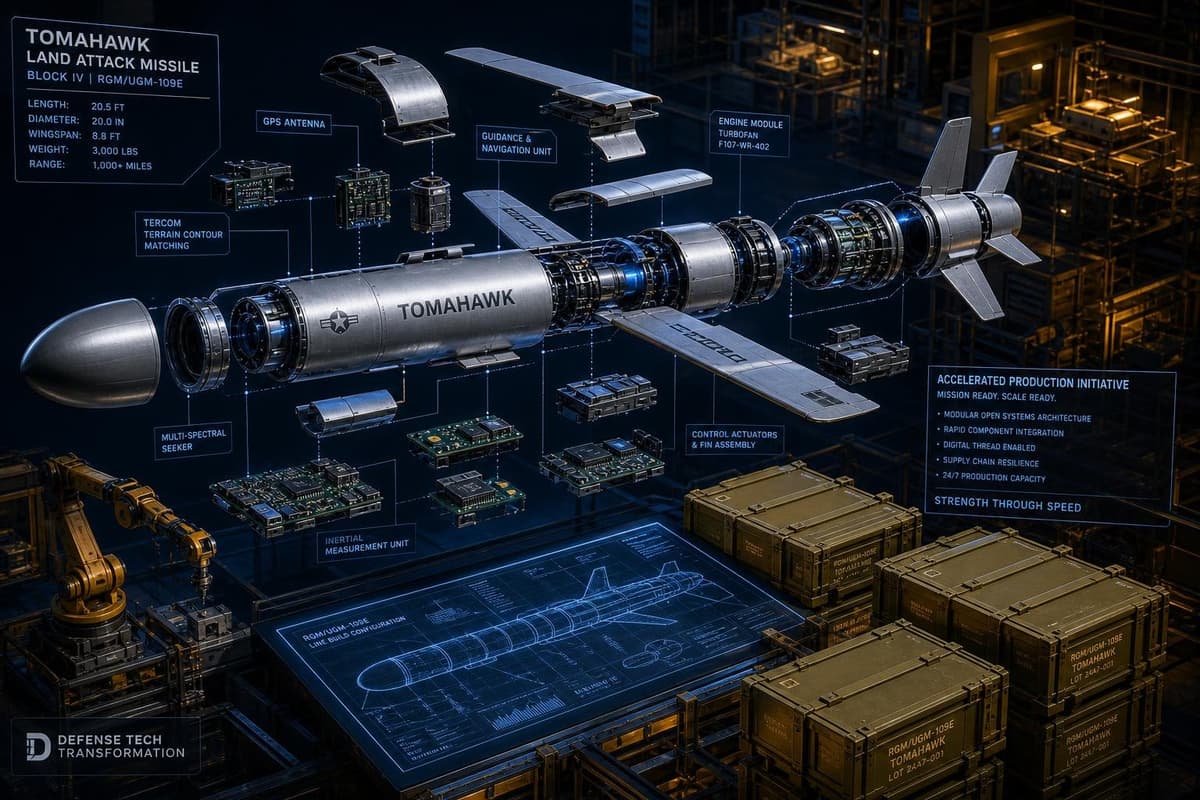
Sixty missiles a year. That's what Raytheon was producing before this week. The Navy just handed them a $22.9 billion, seven-year contract to get that number above 1,000 annually —…
The assigned topic this week — venture-backed supply chain visibility startups winning Pentagon defense industrial base resilience contracts — is a reasonable thesis to investigate…