Latest issue
The Incident You Can't Reproduce Is Already Teaching You Something
9/13/2026
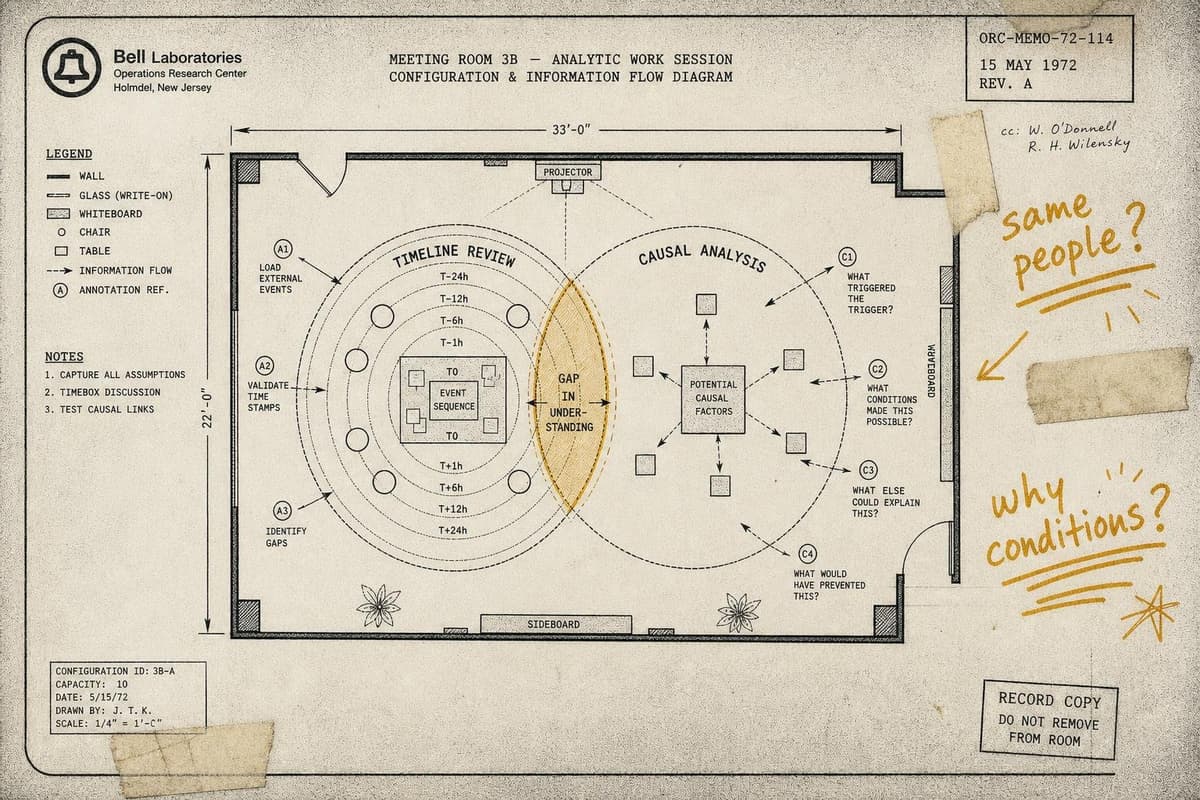
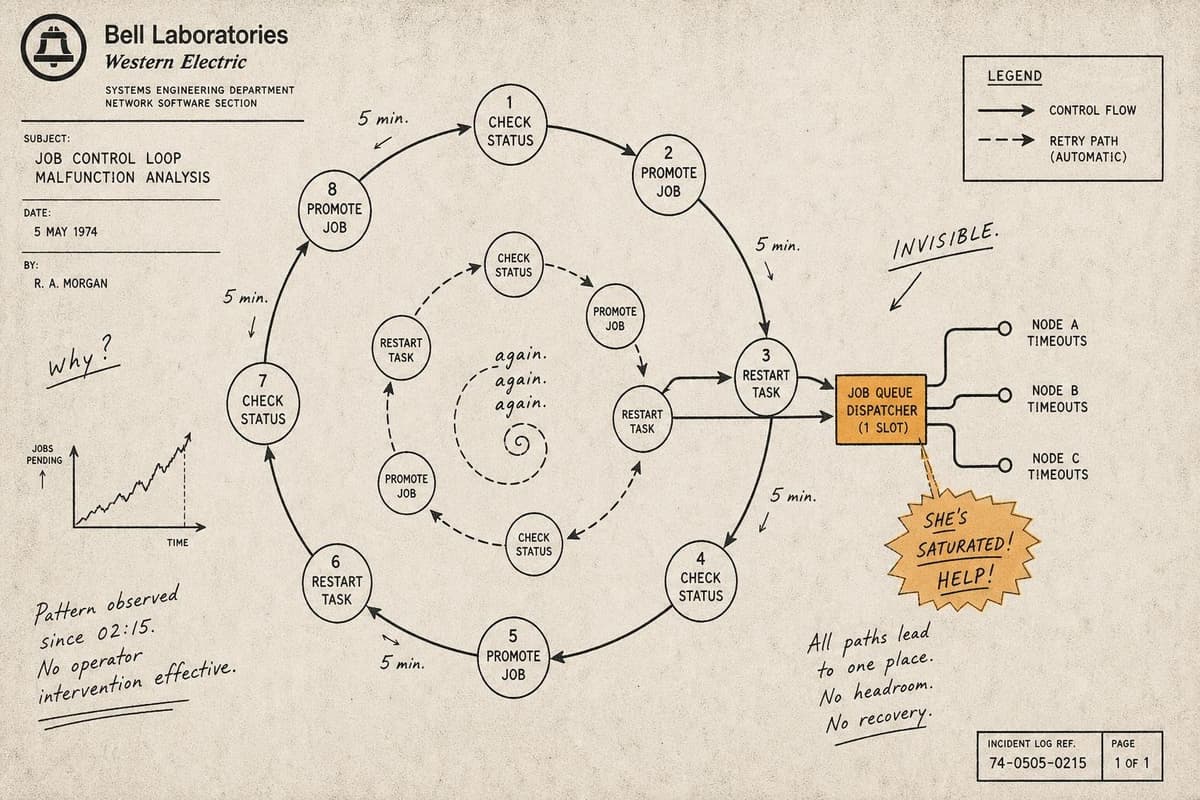
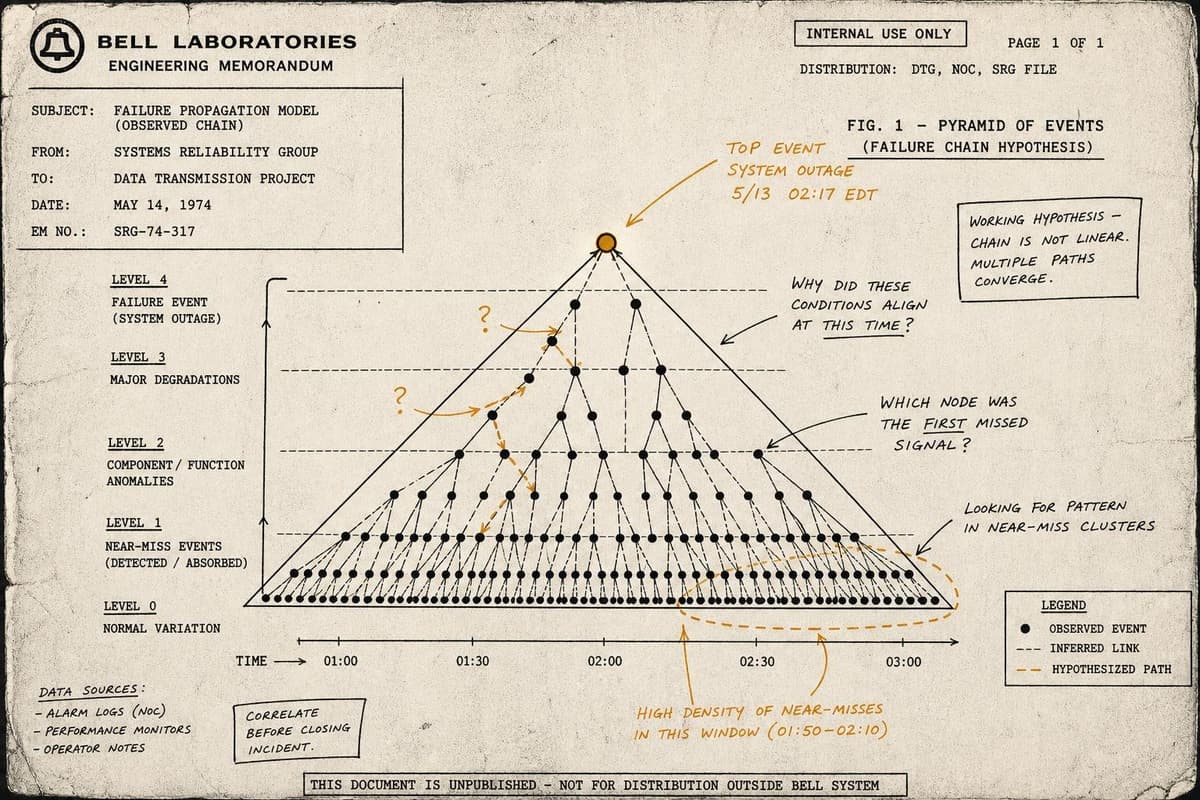
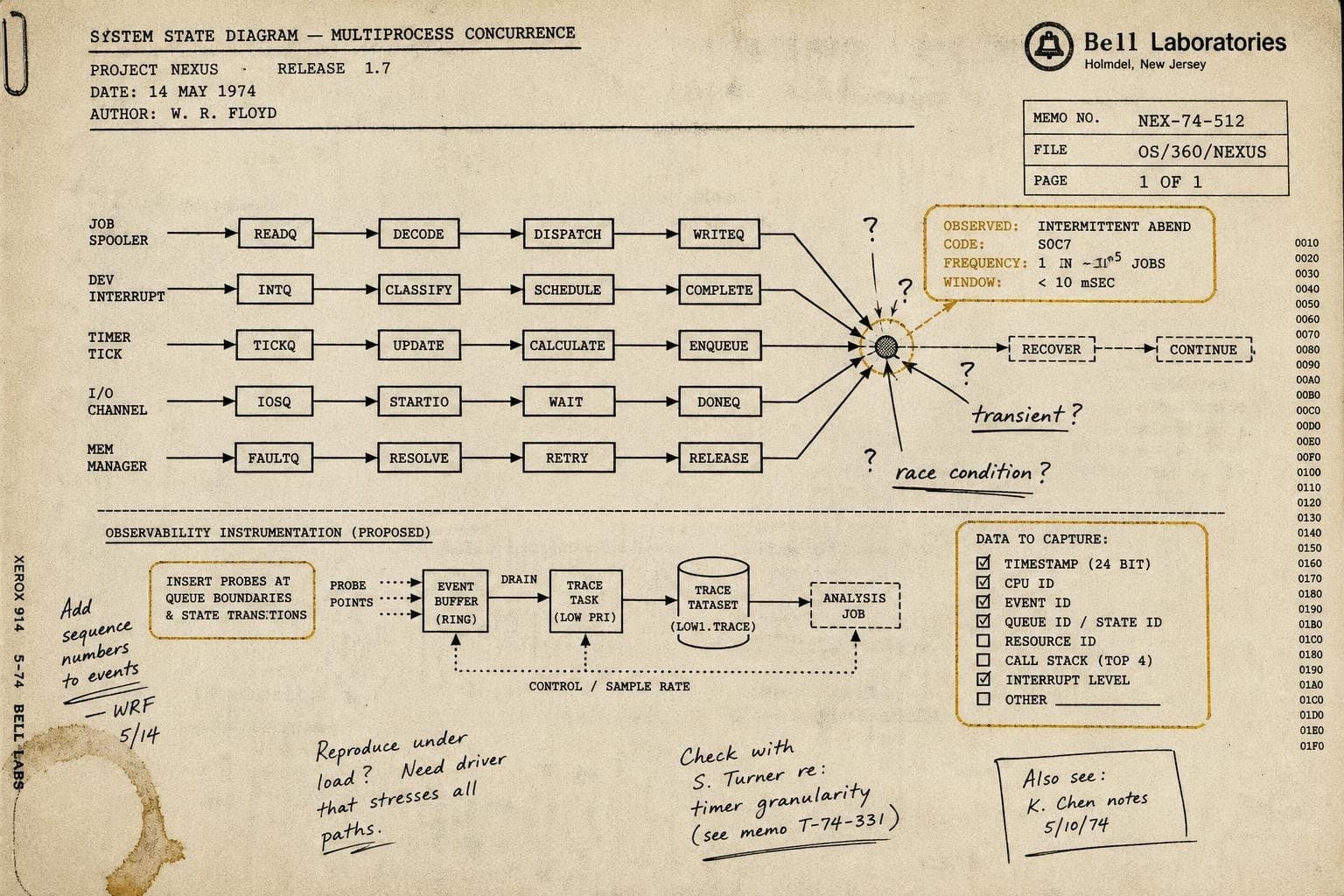
The most dangerous postmortem is the one where the team leaves the room saying "we still don't know why it happened." Not because the unknown is inherently dangerous — production systems are full of unknowns, and experienced engineers learn to live with them. The danger is what h…
Recent posts
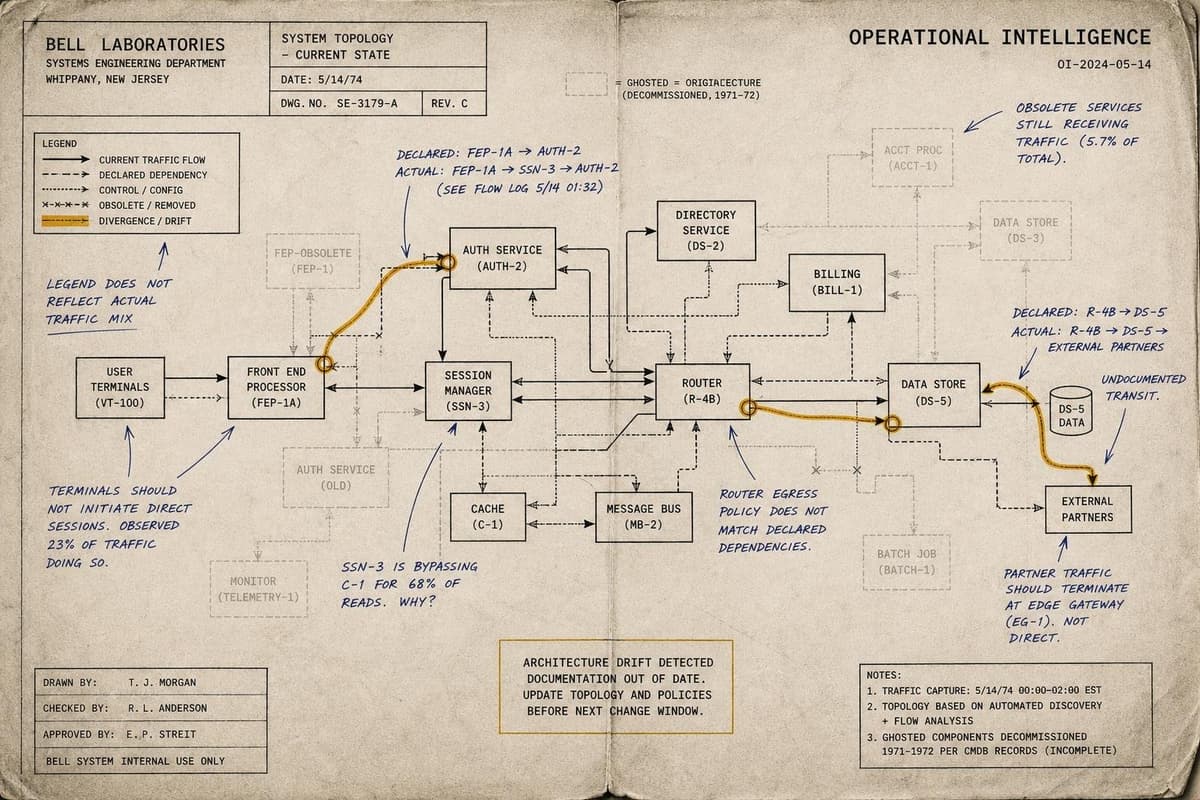
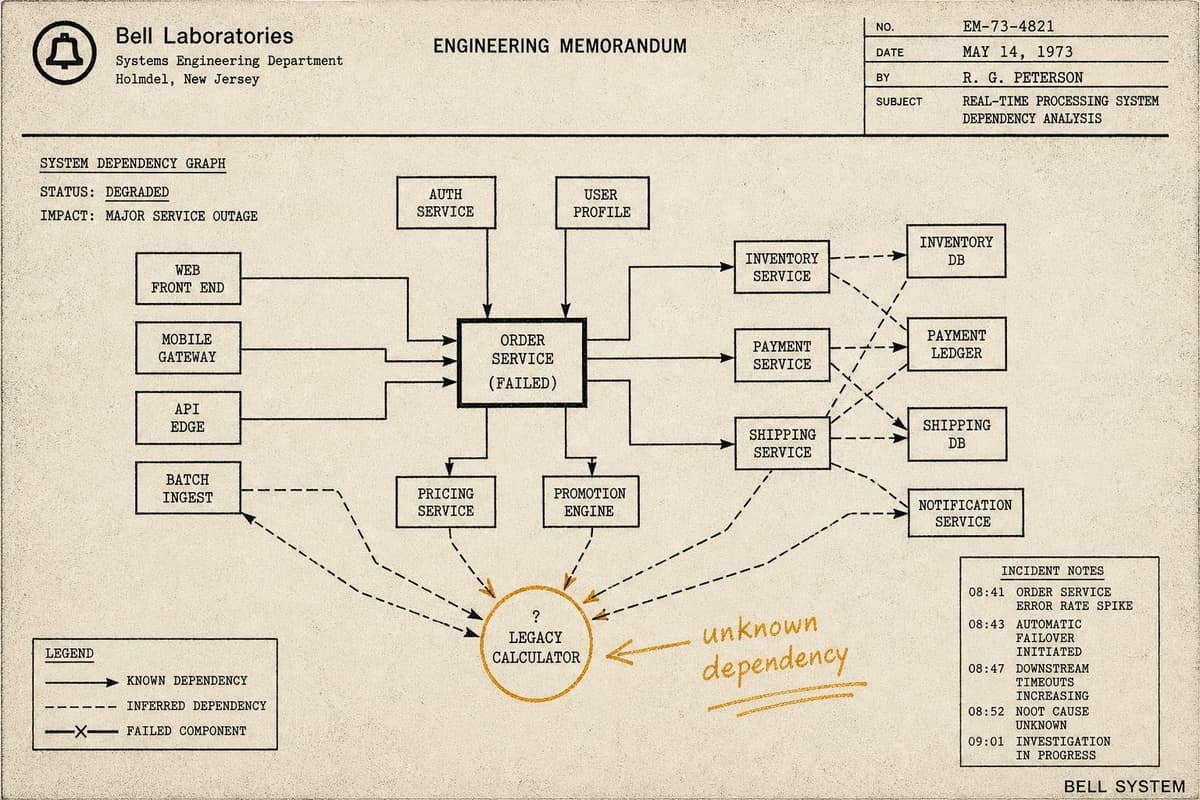
You drew it six months ago. Maybe it was a whiteboard session, maybe a Confluence page with boxes and arrows, maybe just a mental model you've carried since the service launched. I…
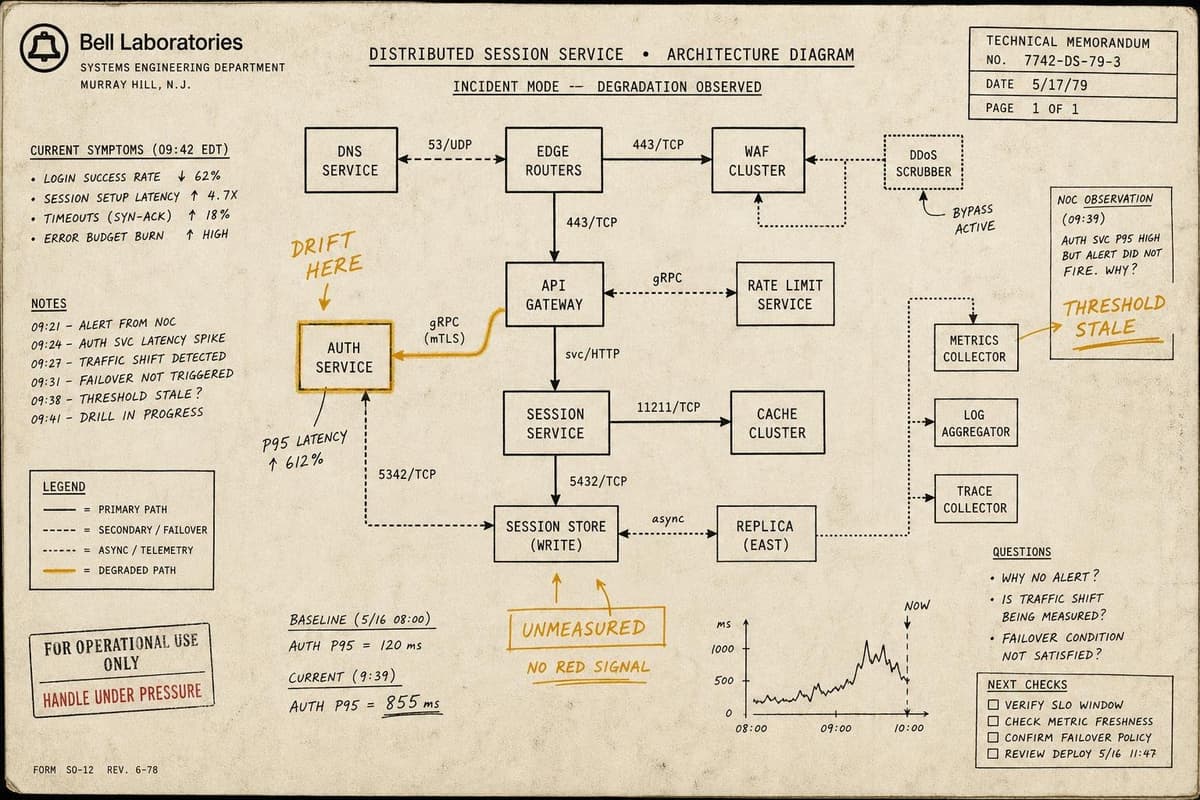
There's a particular kind of confidence that comes from a dashboard that's never been wrong. You built it eighteen months ago, it's been green ever since, and during incidents you…
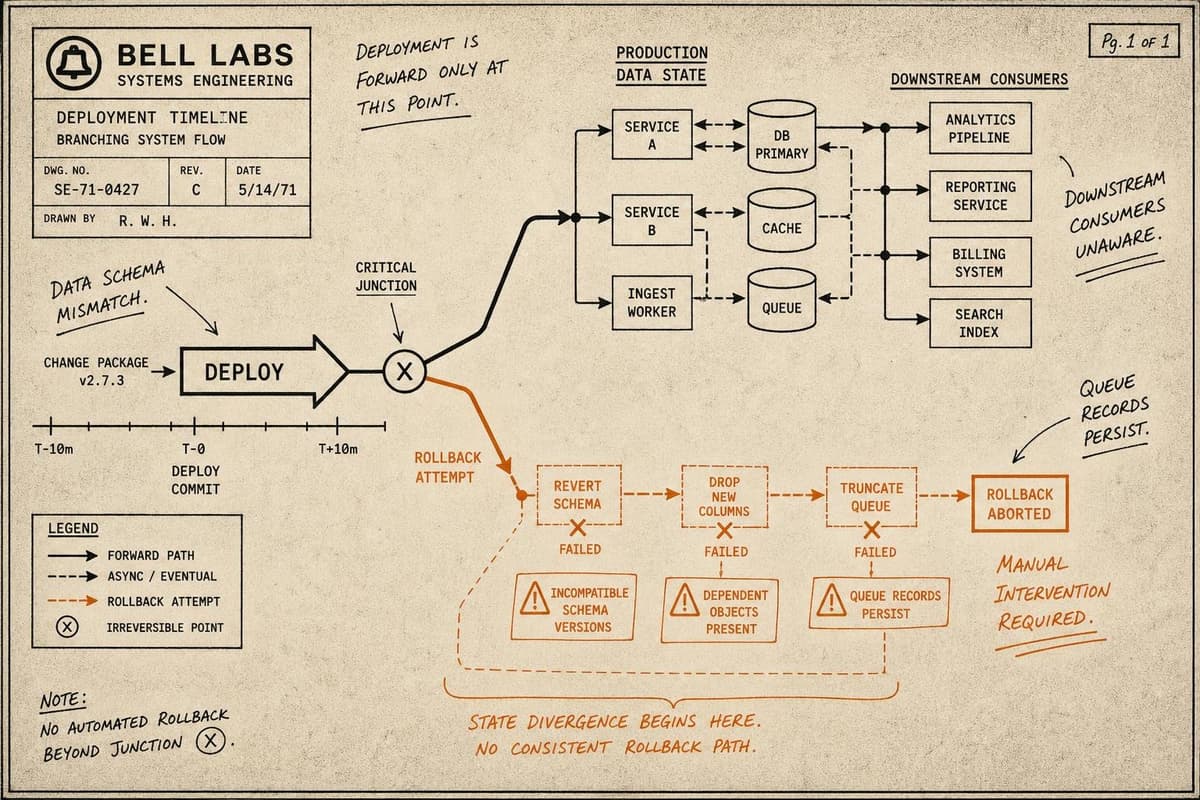
There's a particular kind of confidence that sets in after a deployment goes smoothly a dozen times in a row. The pipeline is green, the metrics look clean, and the rollback proced…
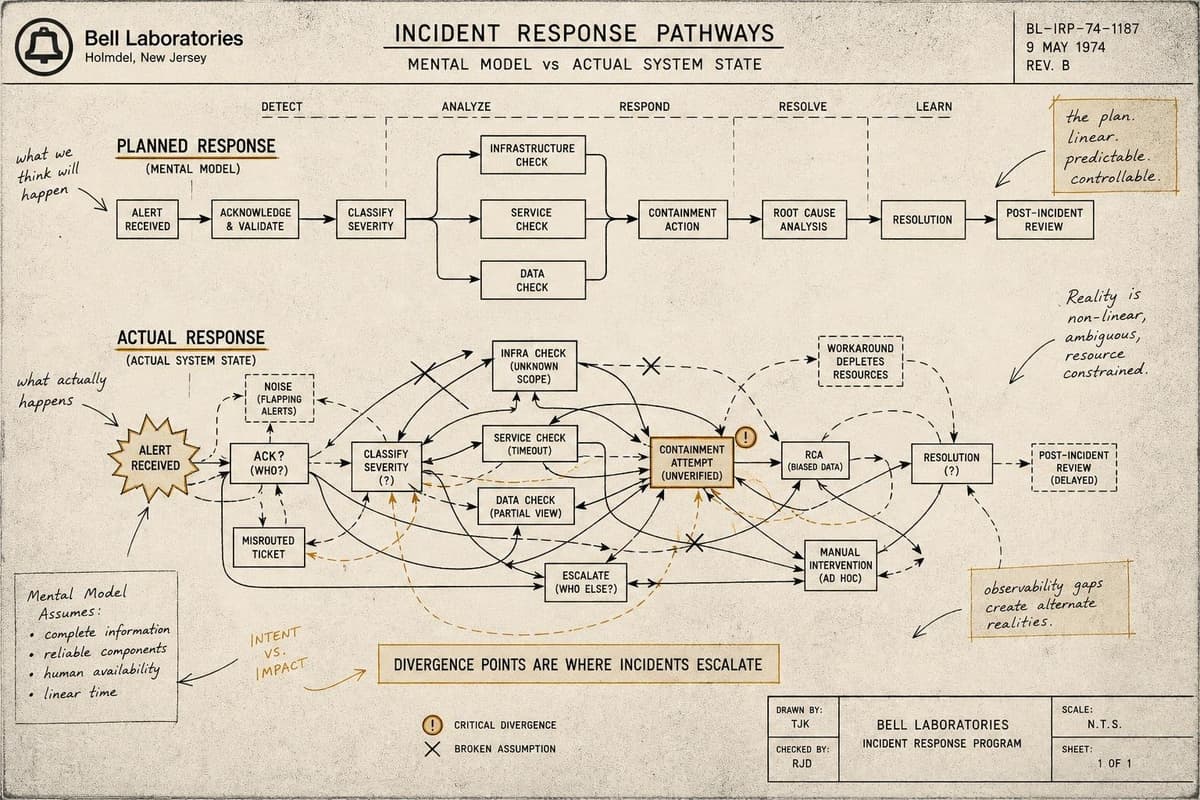
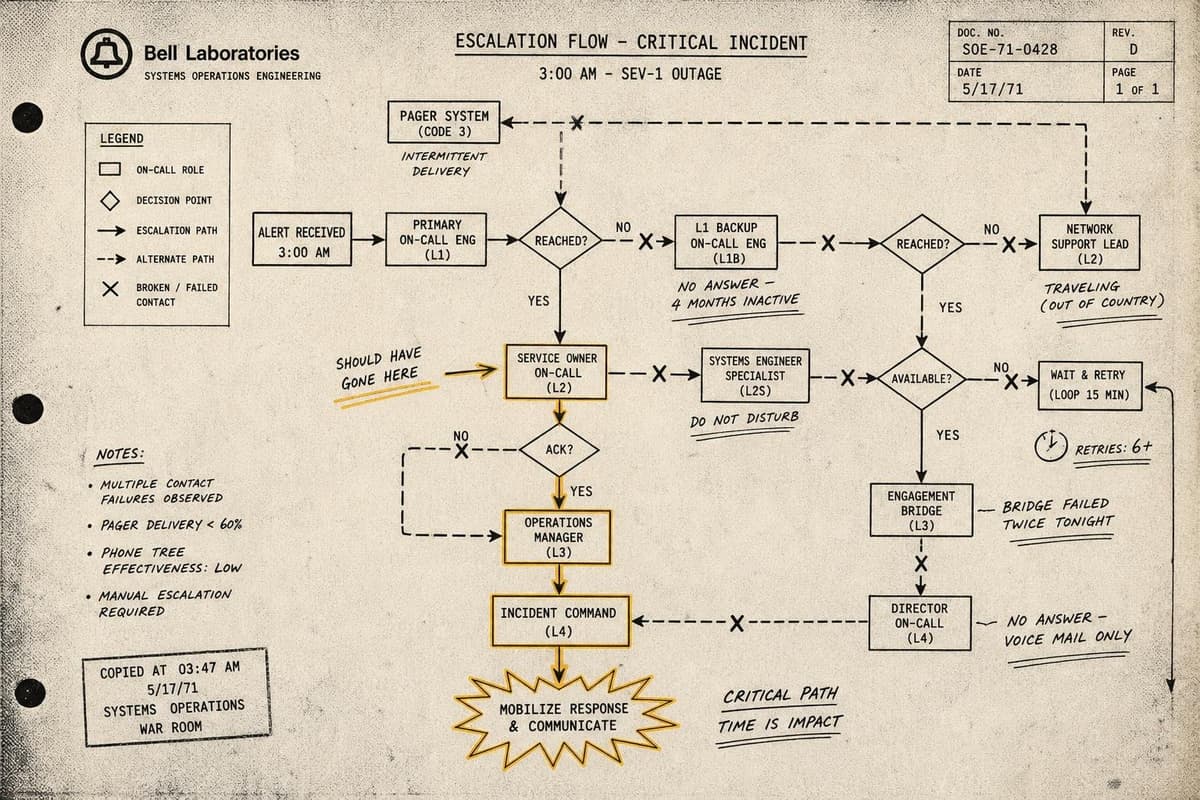
There's a particular kind of confidence that comes from having a good incident response playbook. You've documented the escalation paths. You've defined severity levels. You've run…
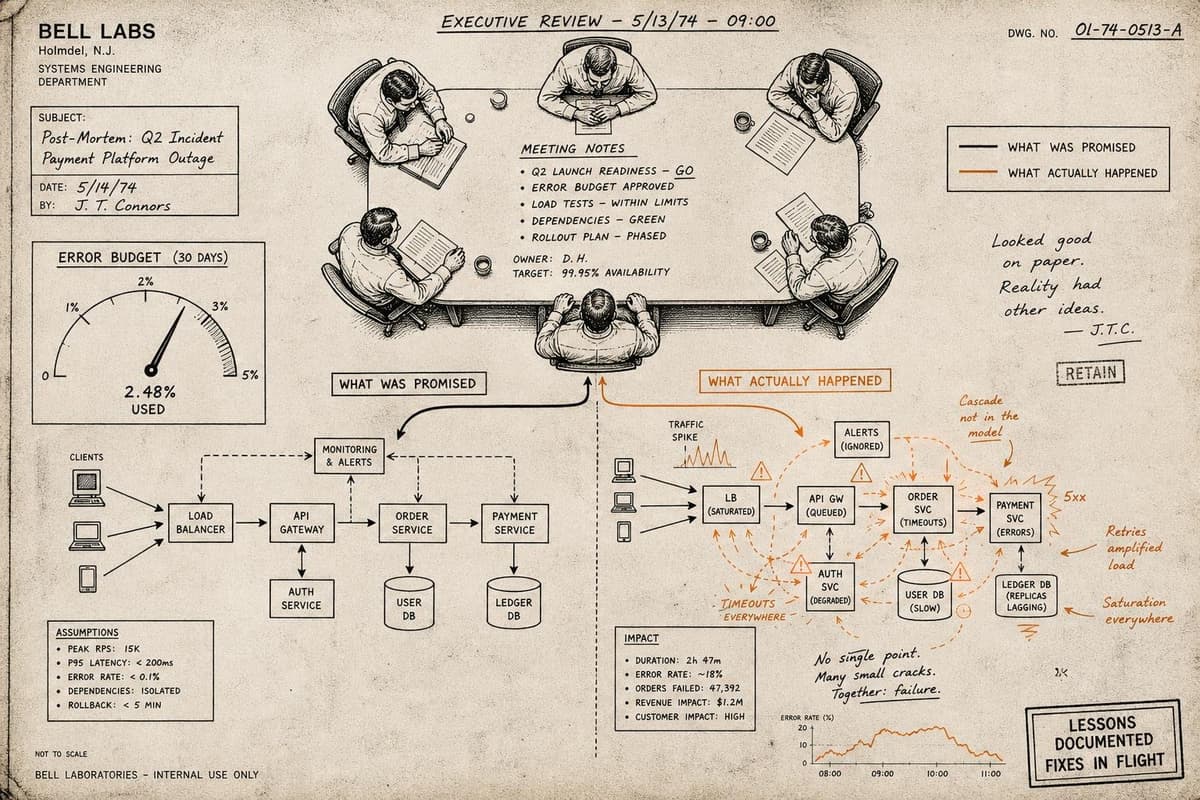
You've been in this meeting. Fifteen people on a call, someone sharing their screen, a timeline of what broke and when. The incident commander walks through the sequence. A few eng…
There's a particular kind of meeting that happens at most engineering organizations, usually sometime in Q1 or after a bad incident. Someone pulls up a blank doc, types "Service Le…
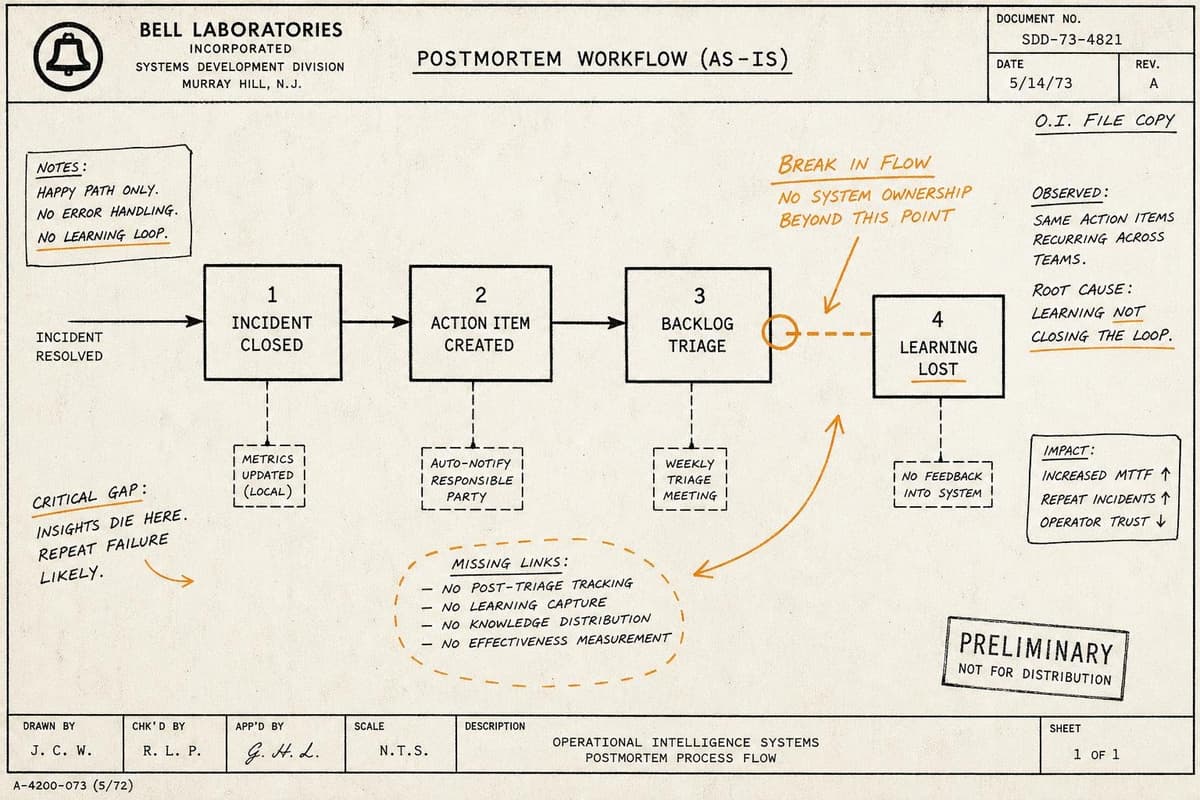
The postmortem is filed. The action items are in Jira. Someone marked the incident resolved at 4:17am and went back to sleep. By Monday morning, the ticket has a due date three spr…
You've tested your rollback procedure. You've run game days. You've validated that your alerting fires within thirty seconds of a threshold breach. What you probably haven't tested…
Somewhere on your team right now, someone is doing something for the third time this week that they've done a hundred times before. Restarting a service. Manually promoting a confi…
You schedule the chaos experiment for Tuesday at 2pm. You kill a pod. The system recovers. You write "resilience validated" in the ticket and close it. Three weeks later, a real fa…
The pager fires at 2:47am. Within ninety seconds, three engineers are awake and in the incident channel. Someone starts checking dashboards. Someone else begins restarting services…
There's a particular kind of operational irony that only reveals itself at 2am: the team spent three months building a beautiful observability dashboard, and when the incident actu…
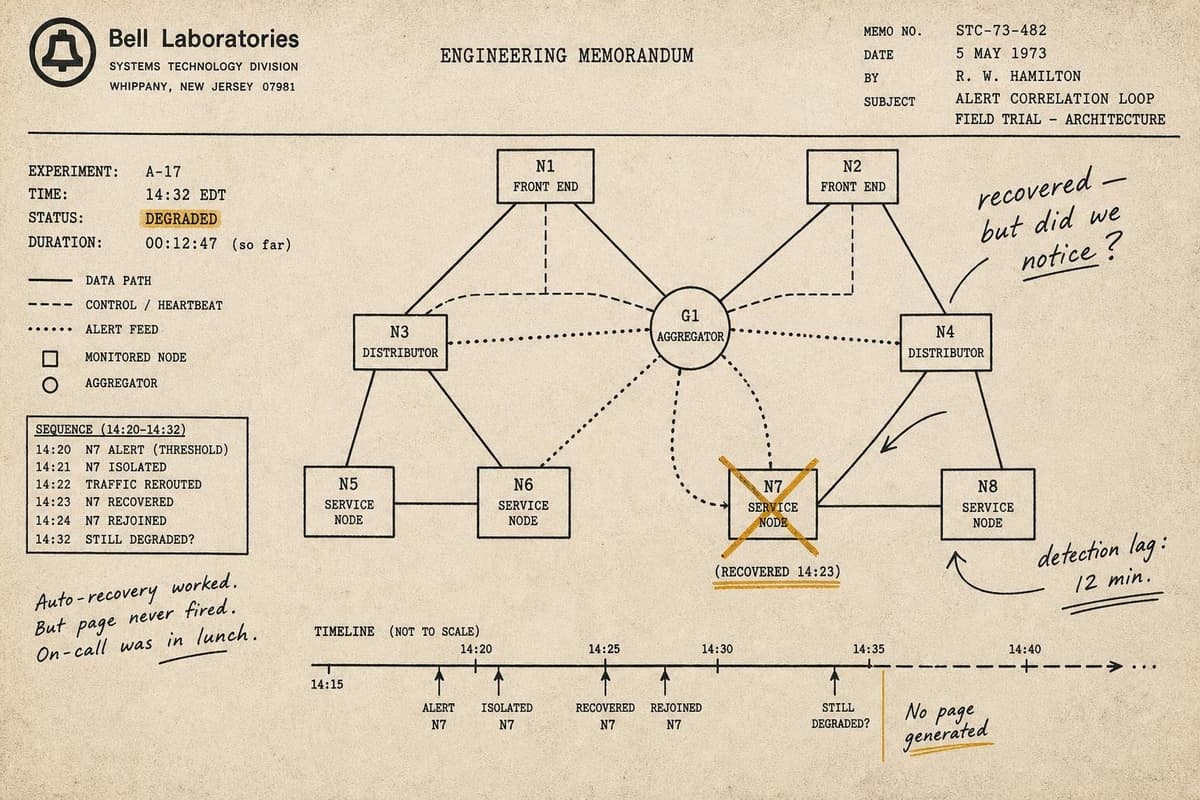
Nobody budgets for the cost of almost-incidents. The production system that degraded for eleven minutes and then recovered on its own. The deployment that caused elevated error rat…
The failure mode nobody writes about in their postmortem isn't the database that crashed or the deploy that went sideways. It's the service three hops away that nobody on your team…
The incident is over. The service is green. Someone writes "resolved" in the Slack thread and closes the bridge. The on-call engineer who fought through the night hands off to the…
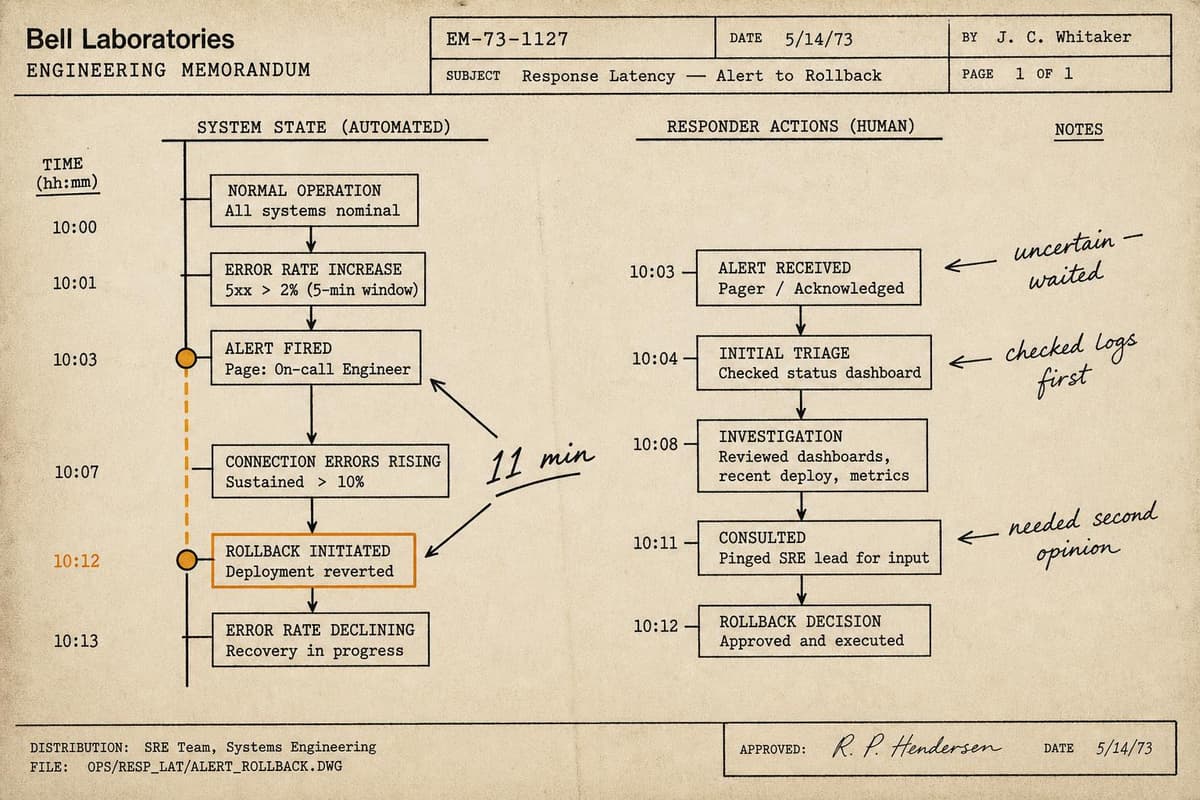
You're in the postmortem. The timeline is on the screen. Someone walks through the sequence: the deploy went out, the error rate climbed, the alert fired, the on-call responded, th…
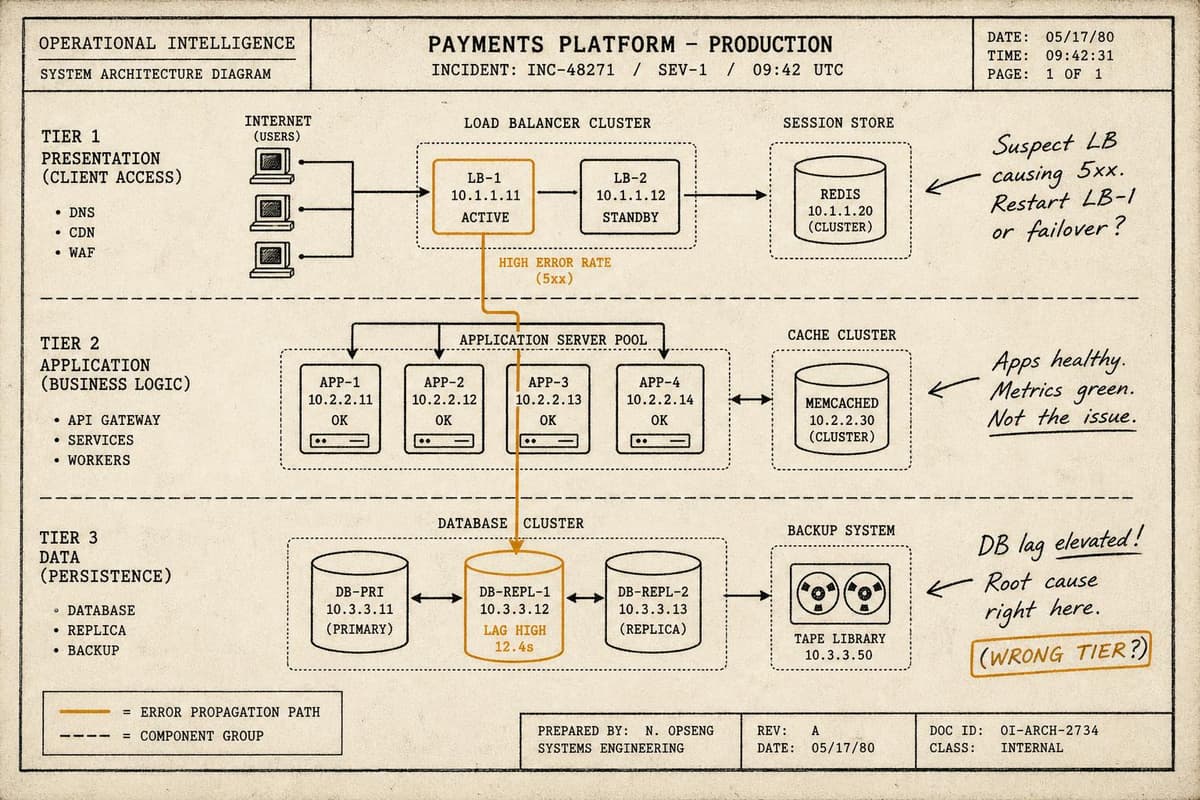
The call comes in at 2:47am. Database latency is spiking. You page the on-call DBA, scope the incident to the database tier, and start working the problem. Forty minutes later, you…
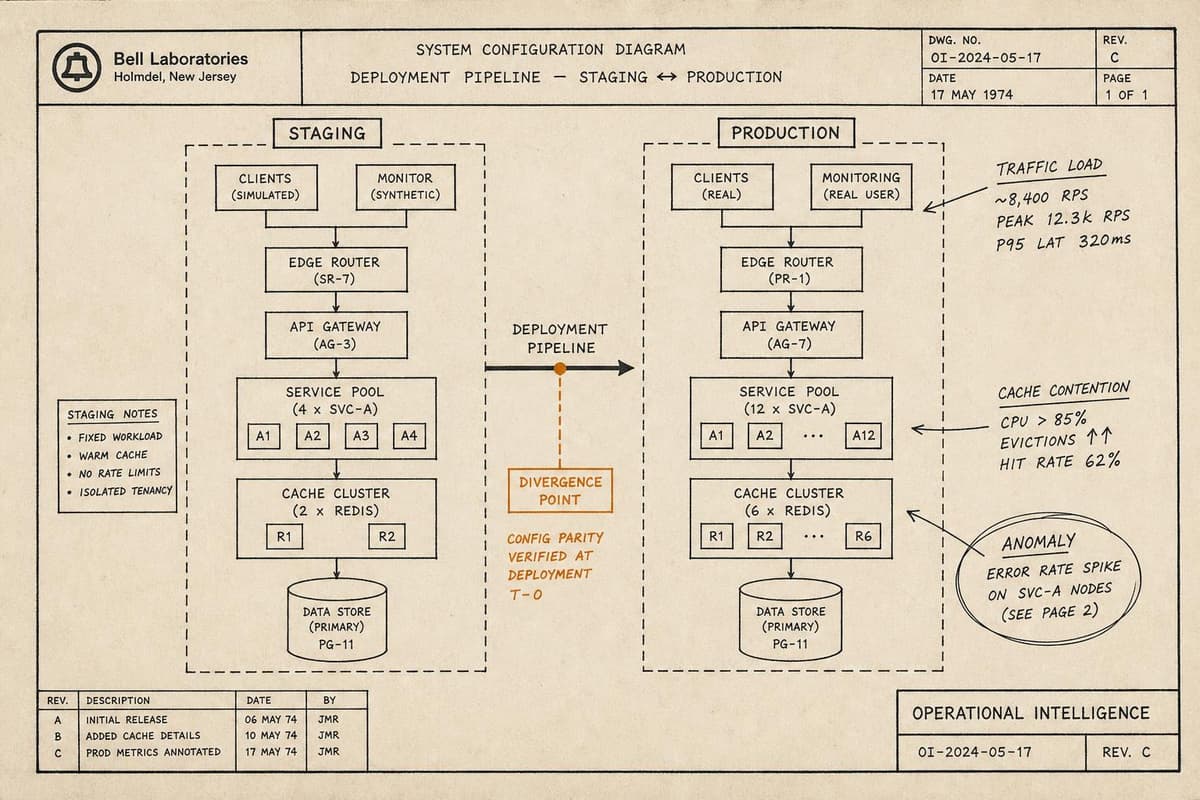
You've seen this movie. The change passes every test. Staging looks clean. The deploy goes out on a Tuesday afternoon — low traffic, good timing, cautious team. Then something star…
The postmortem is done. The action items are filed. Someone updated the runbook. You closed the ticket, and the on-call rotation moved on. Three months later, a different system fa…