Latest issue
Tlingit Builds Space Into Its Verbs — and That Changes Everything About How You Navigate It
9/16/2026
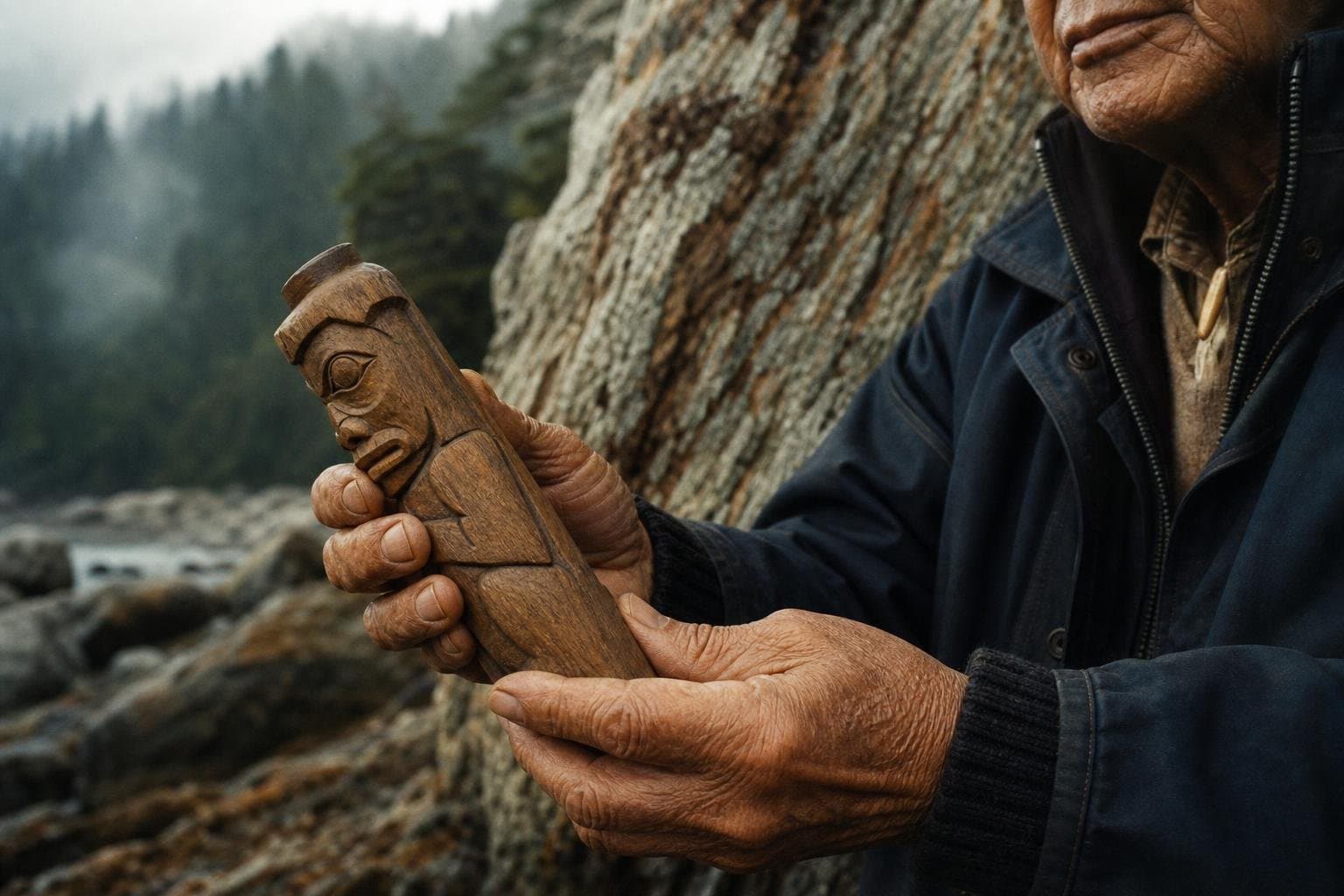
Stand at the edge of a Southeast Alaska beach and try to describe where something is. In English, you reach for prepositions: on, under, beside, across. They're small, interchangeable, geometrically neutral. They tell you almost nothing about the nature of the surface, the relati…
Recent posts
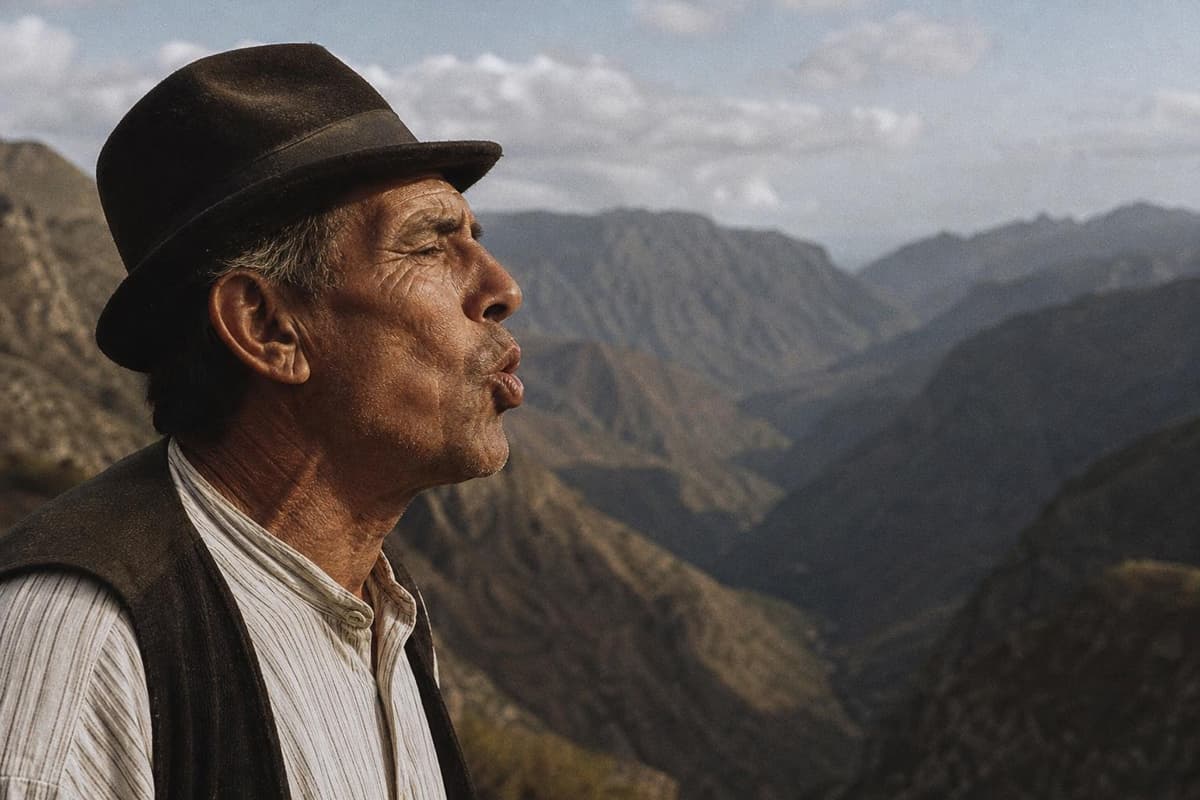
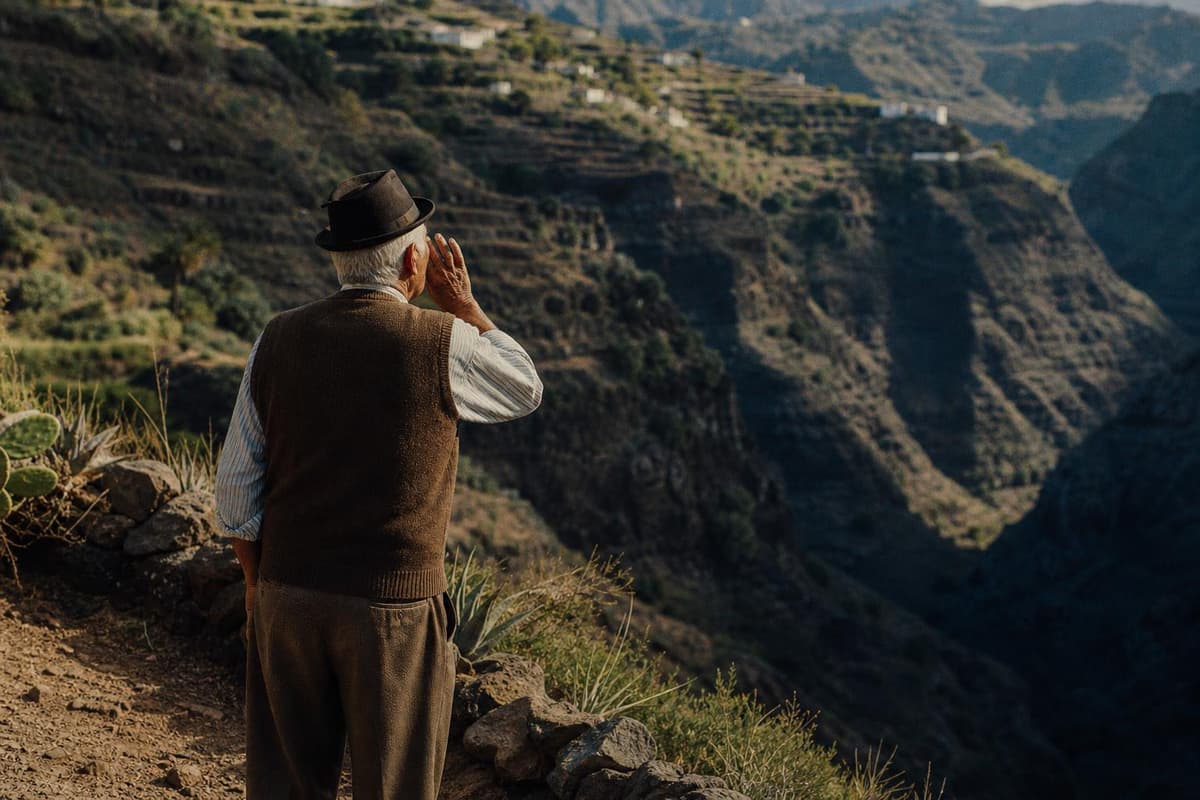
On the steep volcanic flanks of La Gomera, a message can cross a canyon faster than a car can reach the next village. The messenger doesn't shout. They whistle — and on the other s…
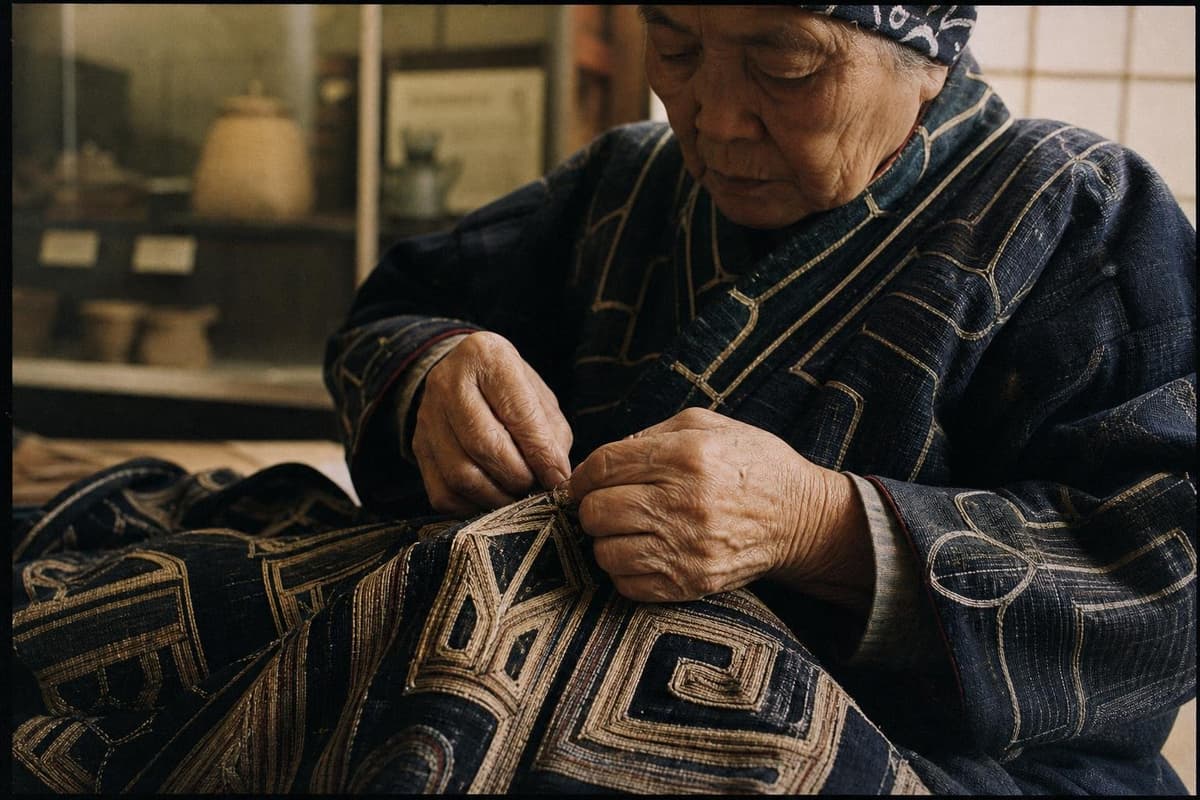
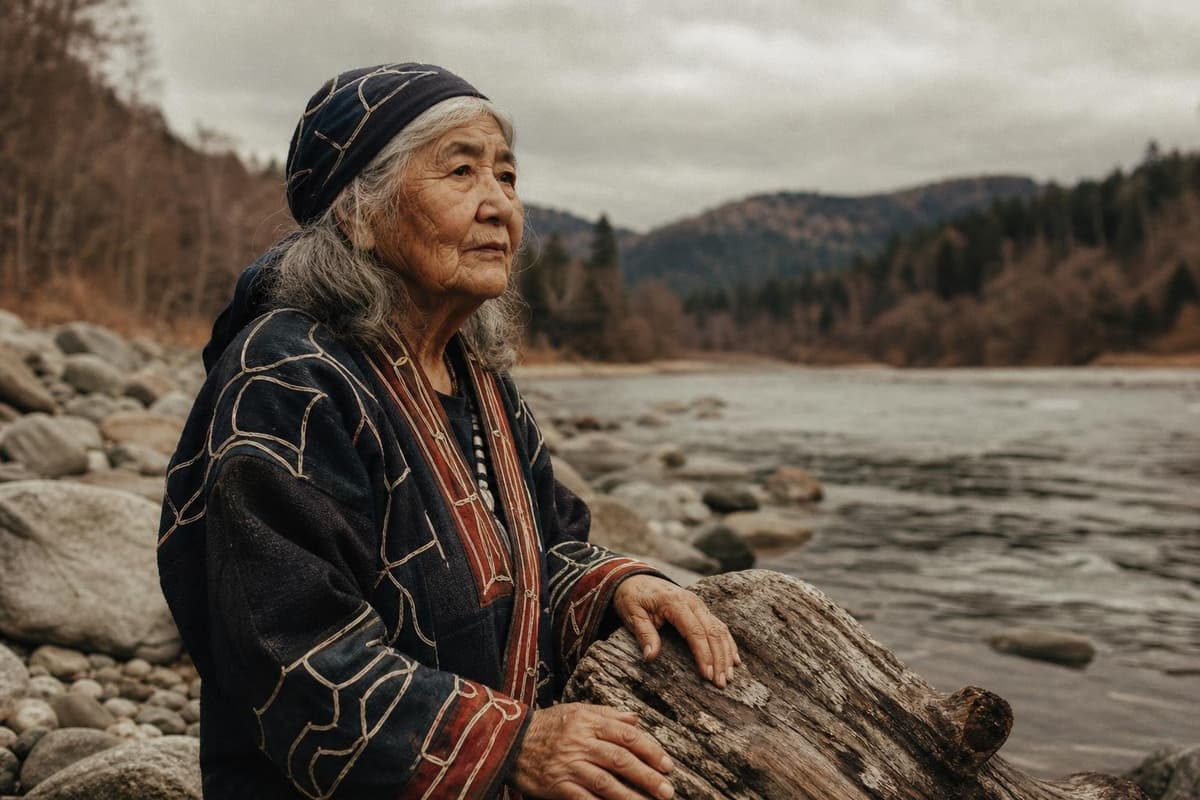
There is a word in Ainu — kamuy — that refers not just to gods or spirits but to the animating force present in bears, fire, disease, and the act of speech itself. To speak Ainu is…
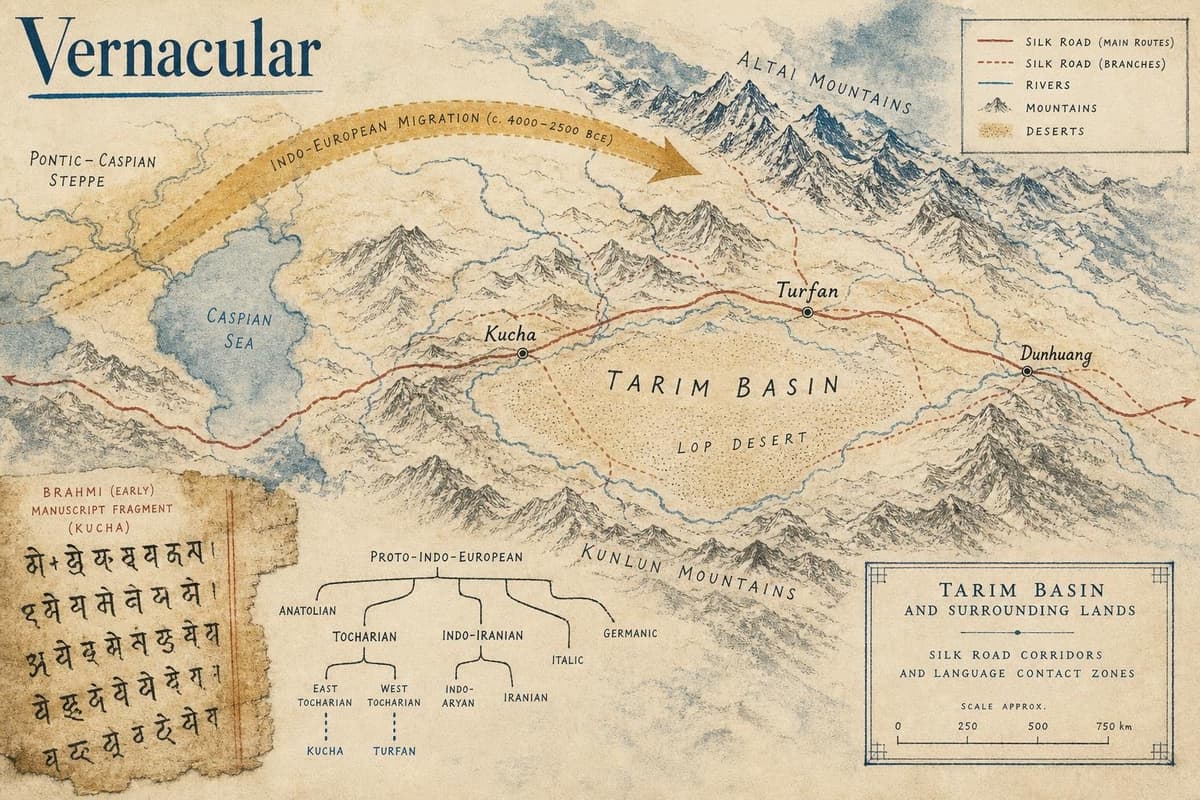
(A note before we begin: I covered Tocharian's geographic paradox in an earlier issue — the fact that the most easterly Indo-European language turns out to be among the most archai…
There's a verb in Pirahã that cannot exist in English. Every time a Pirahã speaker makes a claim — any claim, about anything — the verb itself must carry a marker indicating how th…
In May of this year, the Shibechari Ainu Tribe filed a lawsuit against the Japanese government in the Sapporo District Court, seeking the return of 279 ancestral remains taken from…
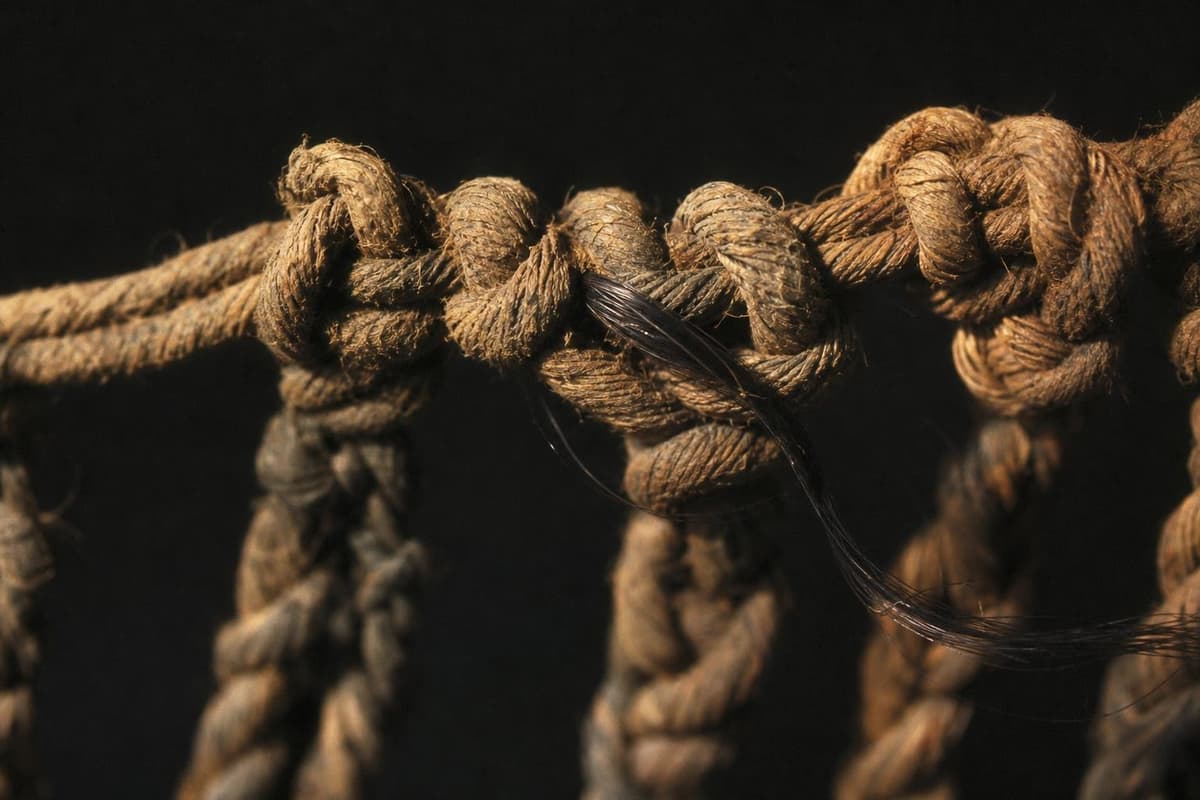
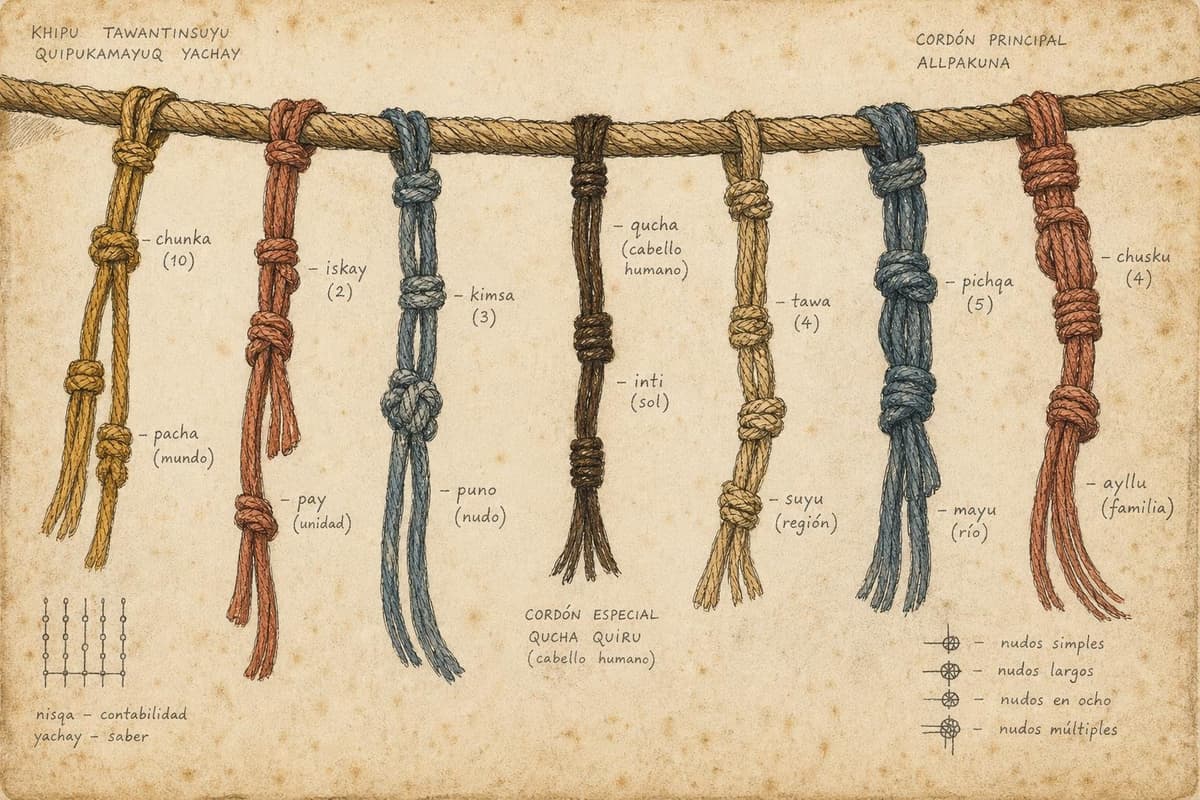
A meter-long braid of human hair, folded and twisted into a primary cord, sat in a Munich collection for over a century before anyone thought to ask whose hair it was. The answer,…
A language dies. Centuries pass. Then, at the turn of the twentieth century, expedition teams digging through the sands of the Tarim Basin in what is now western China pull out man…
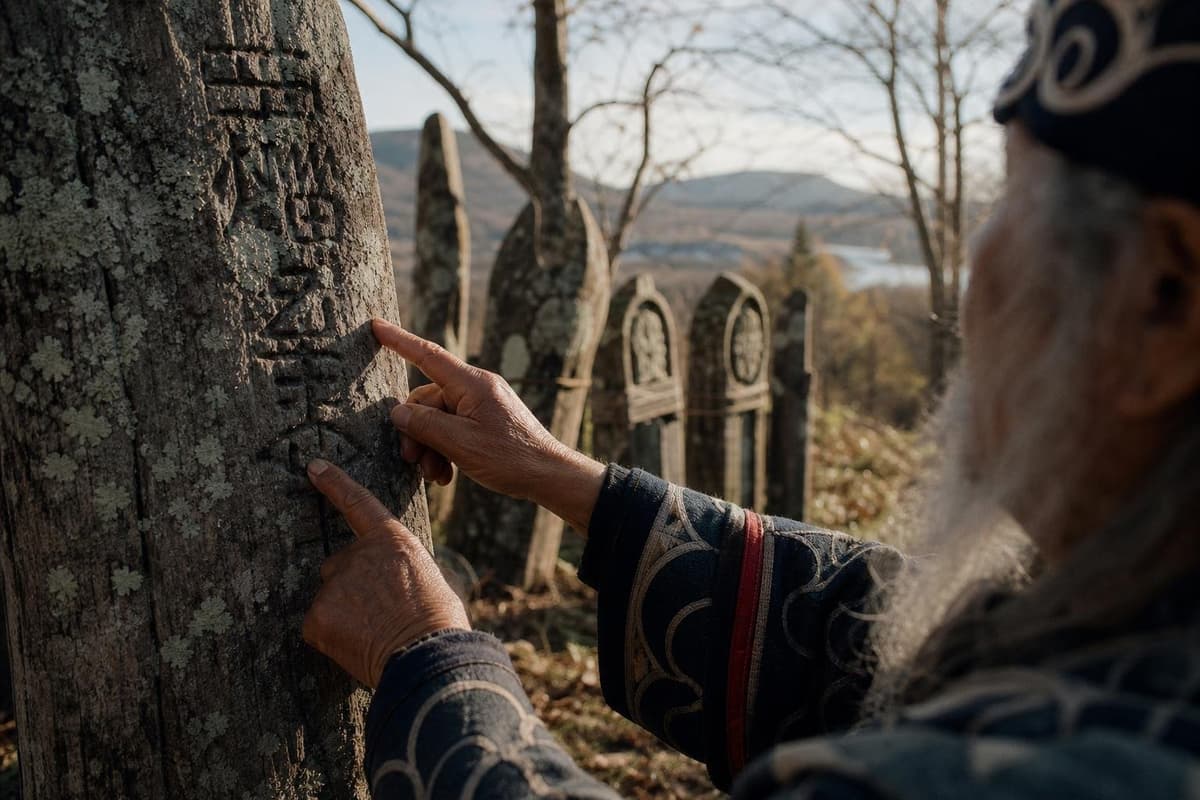
In Hokkaido, roughly 80% of river names still carry Ainu words, according to UNESCO's documentation of the Toya-Usu Geopark region. The mountains speak Ainu. The water speaks Ainu.…
I already wrote about Silbo Gomero back in May — specifically about the neuroimaging evidence that fluent whistlers process it in the left hemisphere, the same region as spoken spe…
A cord of human hair, radiocarbon-dated to around 1498, has quietly upended one of the most persistent assumptions about Inca record-keeping. Researchers had long believed that khi…
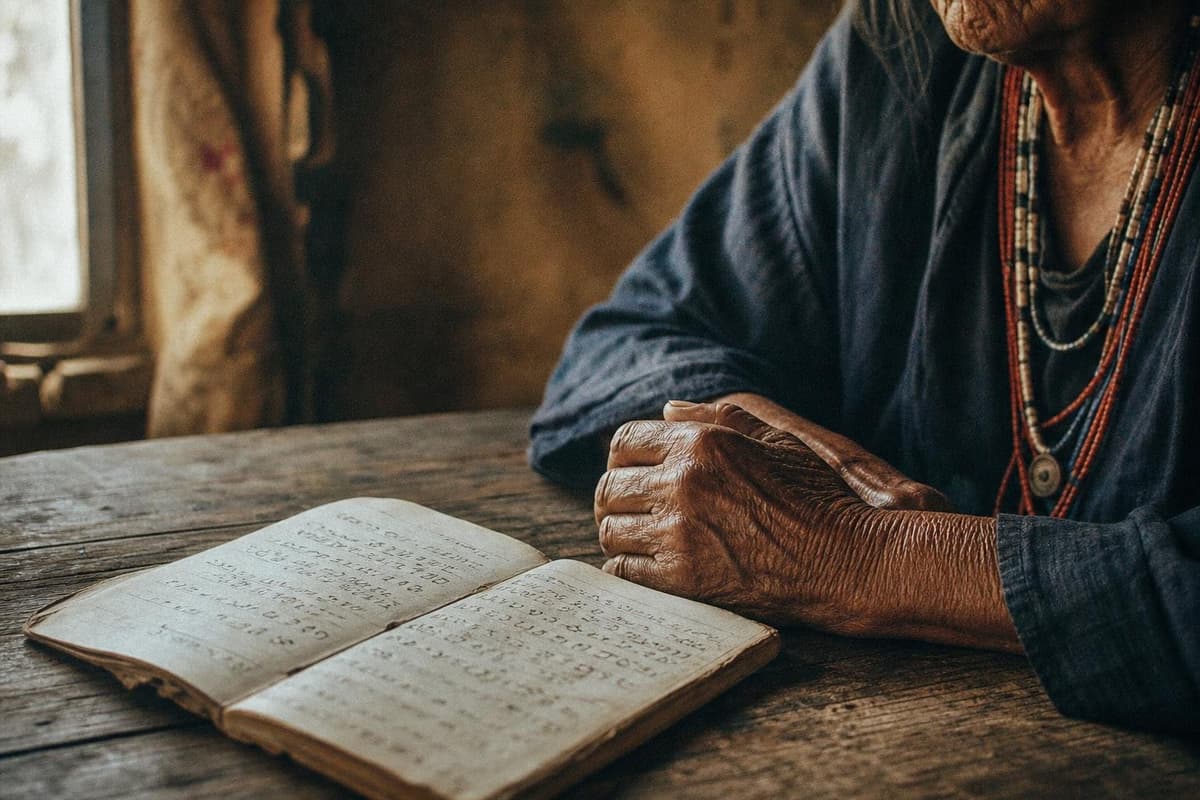
Maxine Wildcat Barnett learned Yuchi before she learned English. It was the only language her parents spoke, and it carried her through childhood in rural Creek County, Oklahoma —…
There is a word in Ainu — kamuy — that doesn't translate cleanly into Japanese or English. It refers not to gods in any distant, theological sense, but to the spiritual force prese…
Somewhere in the Tarim Basin — the vast desert depression in what is now western China — scribes were copying Buddhist texts in a language that had no business being there. The scr…
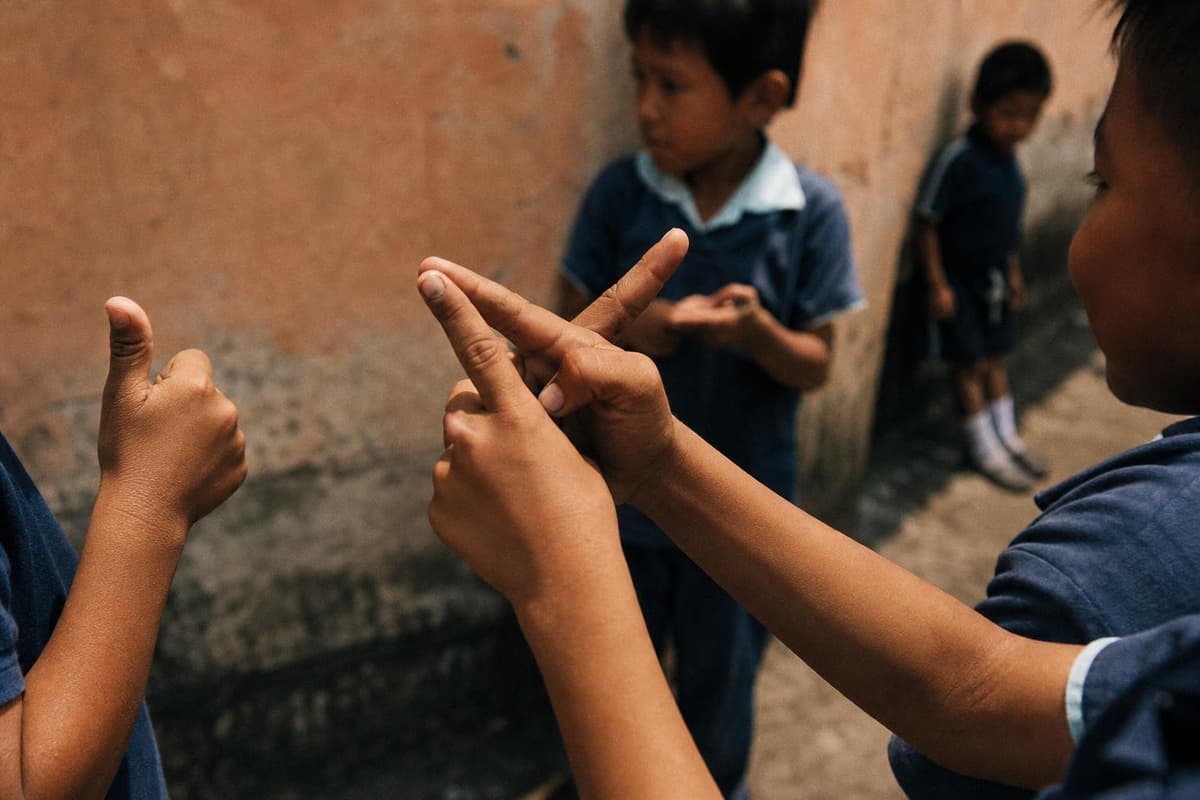
In 1980, a new school for deaf children opened in Managua. The students who arrived had grown up largely isolated from one another, each relying on homemade gesture systems develop…
There is a moment, documented in a 2005 neuroimaging study published in Nature, that stops you cold if you think about what it means. Researchers placed five fluent silbadors — spe…
There is a cassette player somewhere in Nibutani, Hokkaido, and through it, a child named Maya Sekine heard her ancestors speak. Her bedtime stories came on magnetic tape — folk ta…
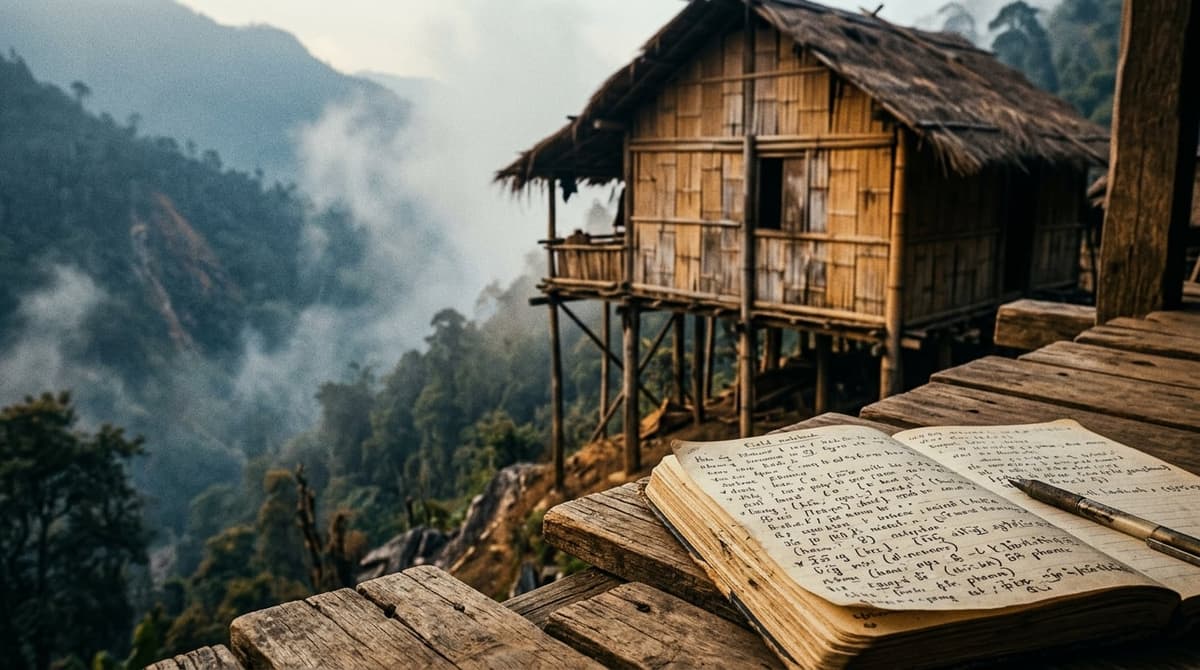
In 2008, a team of linguists climbed steep hillsides in Arunachal Pradesh, India's remote northeastern state, going door-to-door among bamboo houses on stilts. They were looking fo…
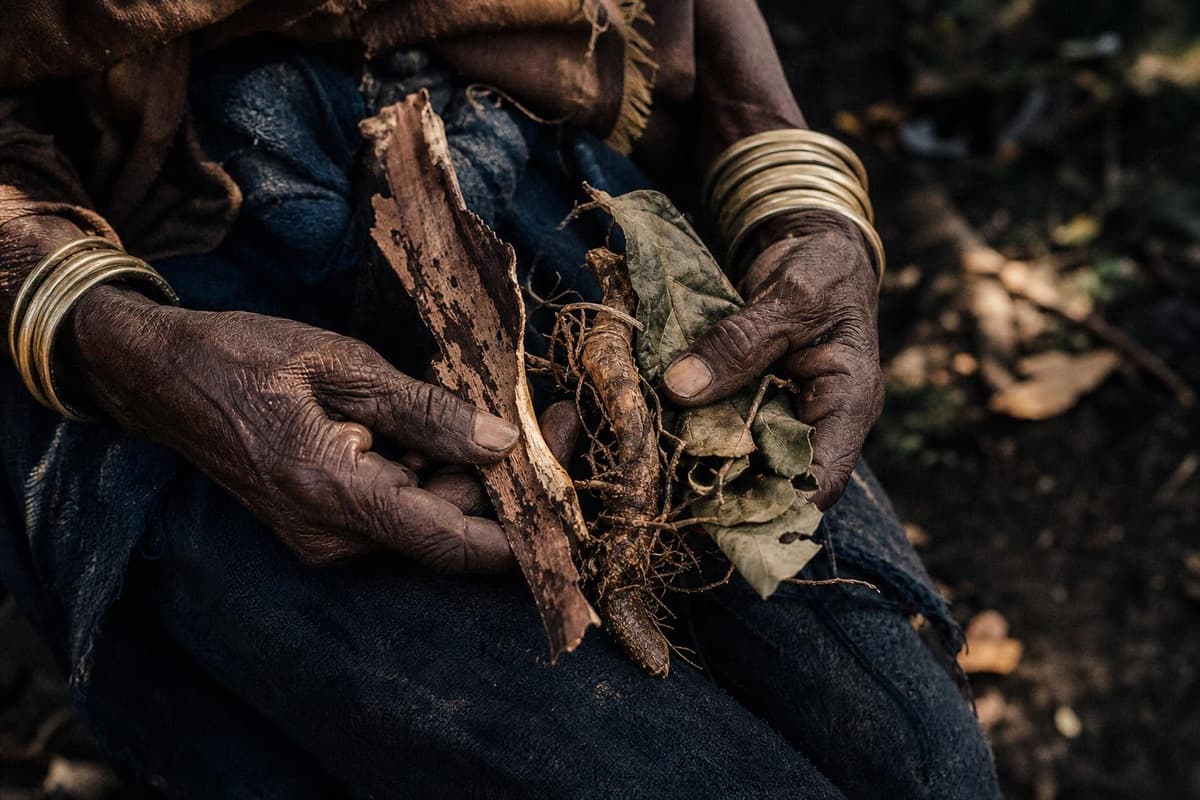
There is a word in Ongota for a specific kind of pain treated with a specific plant harvested from a specific forest in the South Omo Zone of Ethiopia. When the last six speakers o…
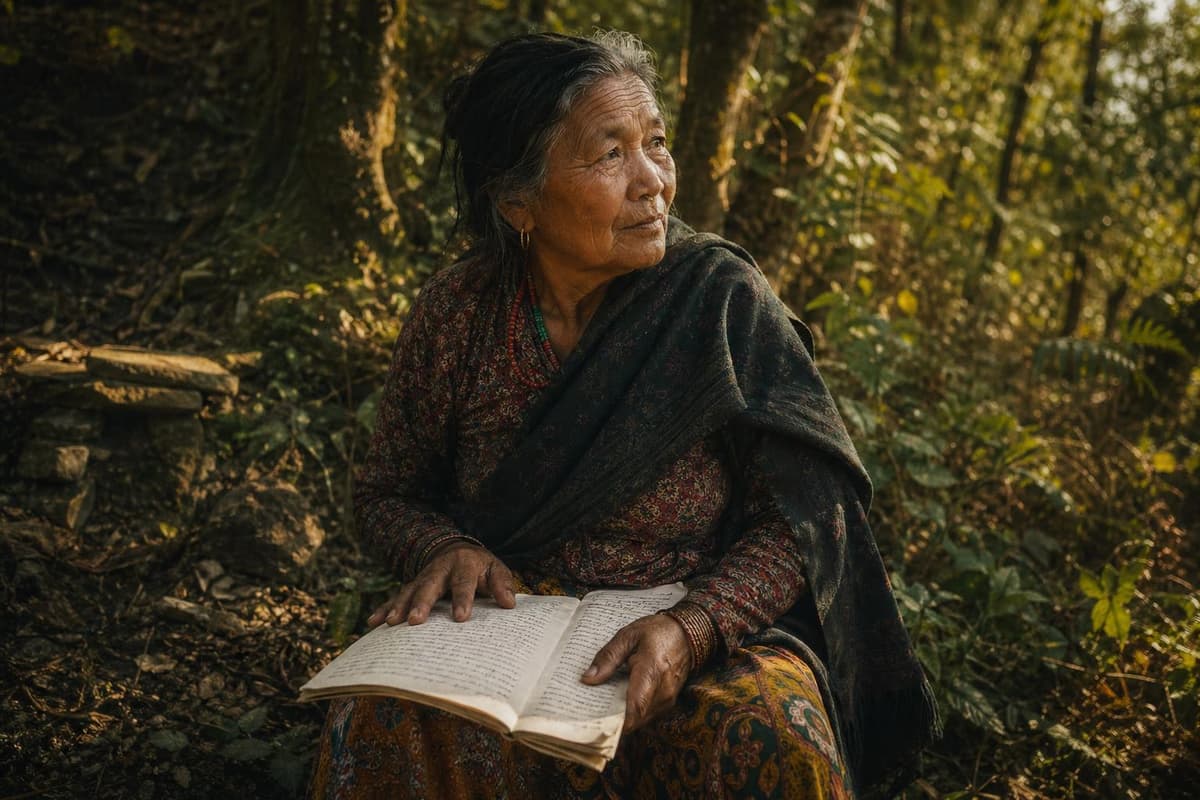
There are no words for "yes" or "no" in Kusunda. No words for direction — no "left," no "right," no "north." For a language that has survived two near-extinctions in the hills of N…