Latest issue
The Incentive to Find Something Is Baked Into How Science Gets Funded
9/8/2026
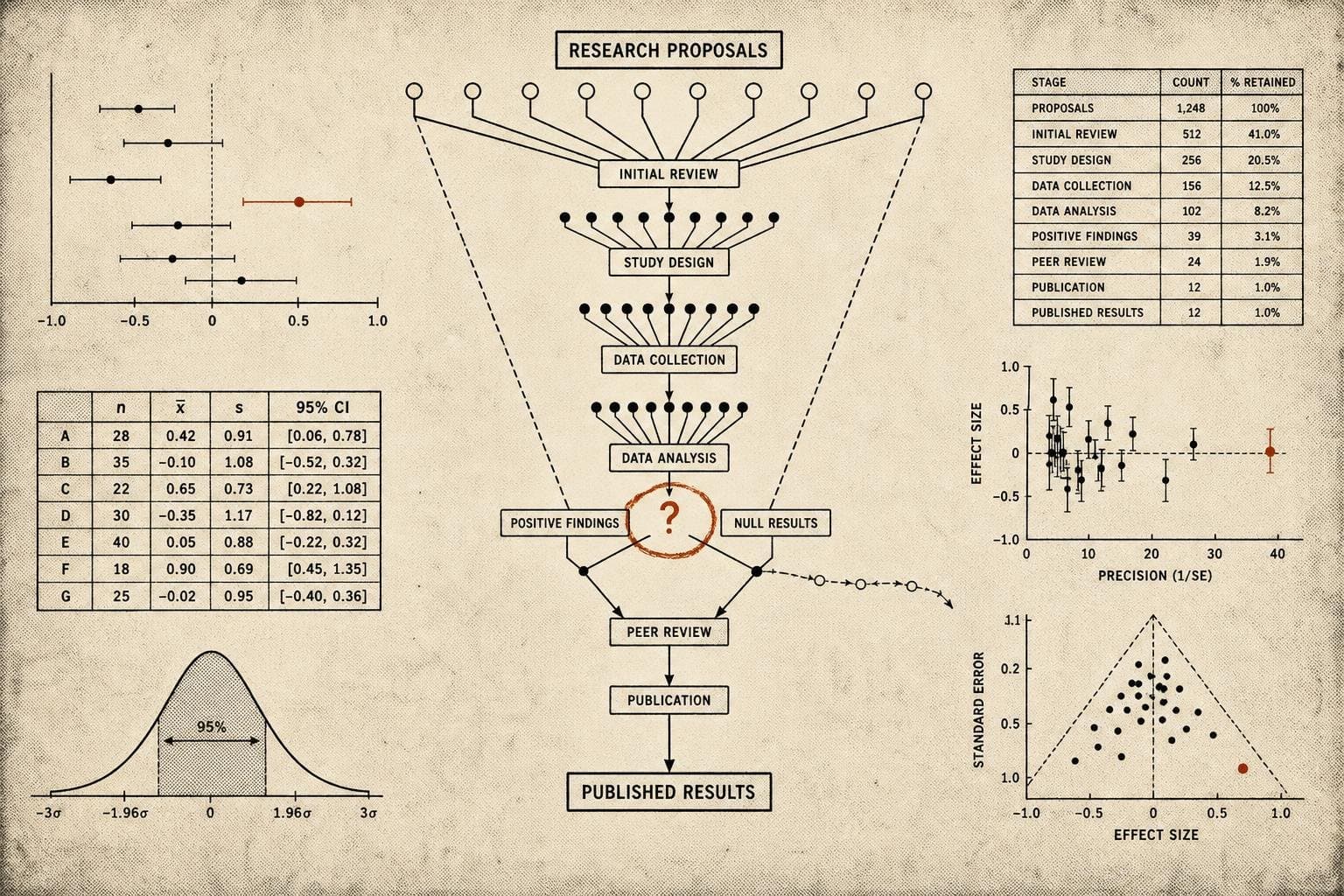
Here's a structural problem that rarely makes headlines: the same system that funds biomedical research also, quietly and systematically, rewards positive results. Not through explicit corruption — no one is handing out bonuses for statistically significant p-values — but through…
Recent posts
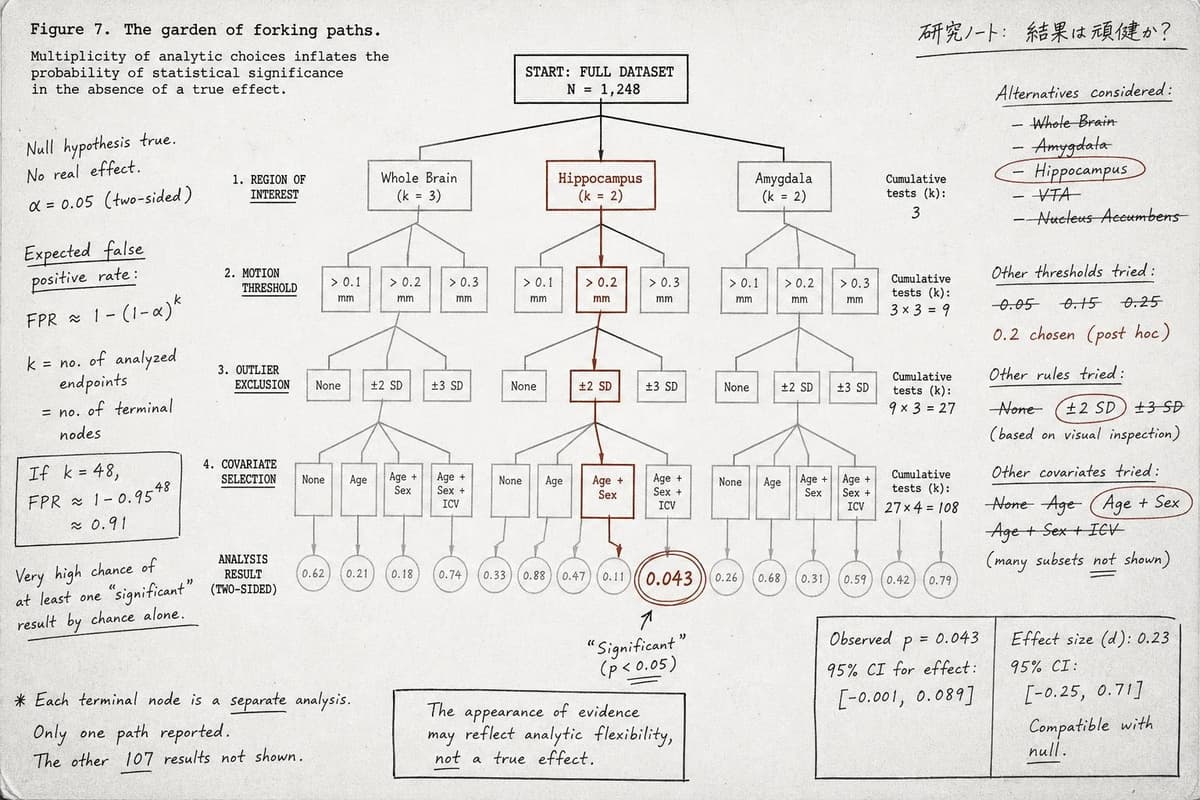
Here's a number worth sitting with: in a typical psychology experiment, the odds of getting a statistically significant result by chance — if you test just one hypothesis, once, cl…
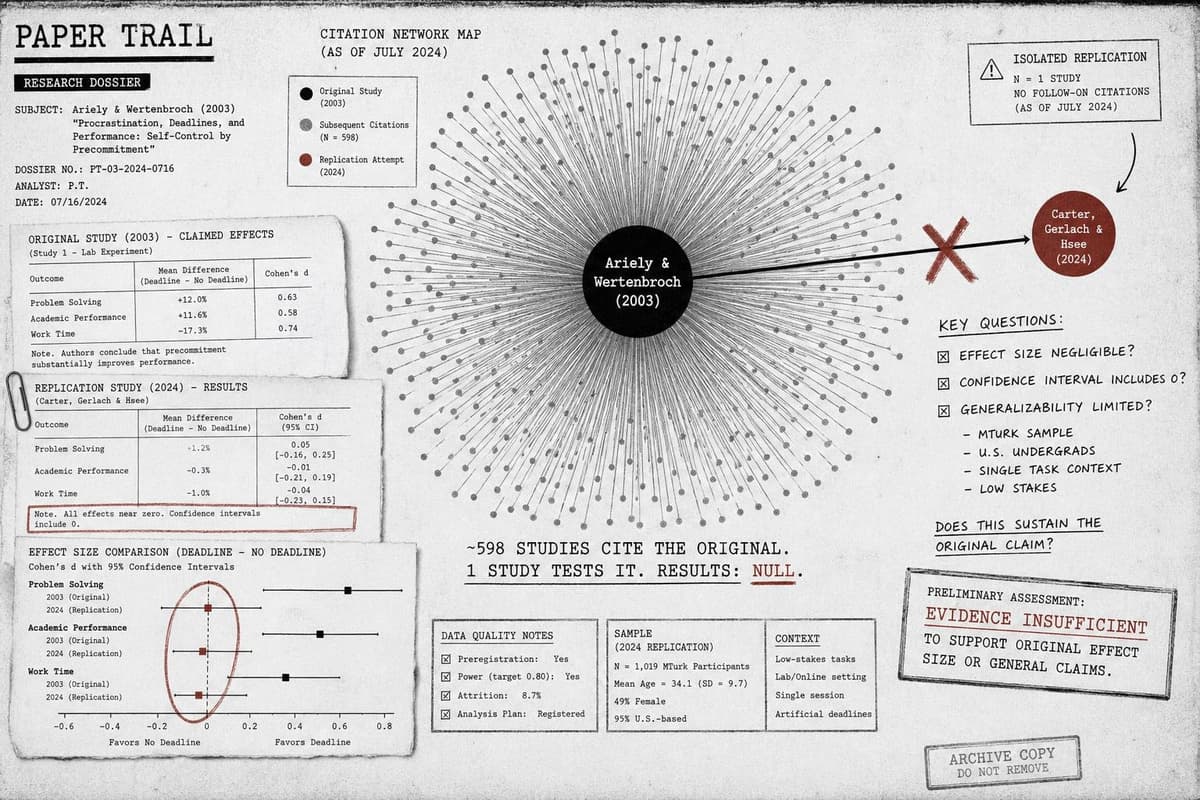
Psychology's replication crisis has been well-documented in these pages — the landmark Ariely findings that didn't hold up, the publication bias that buries null results, the struc…
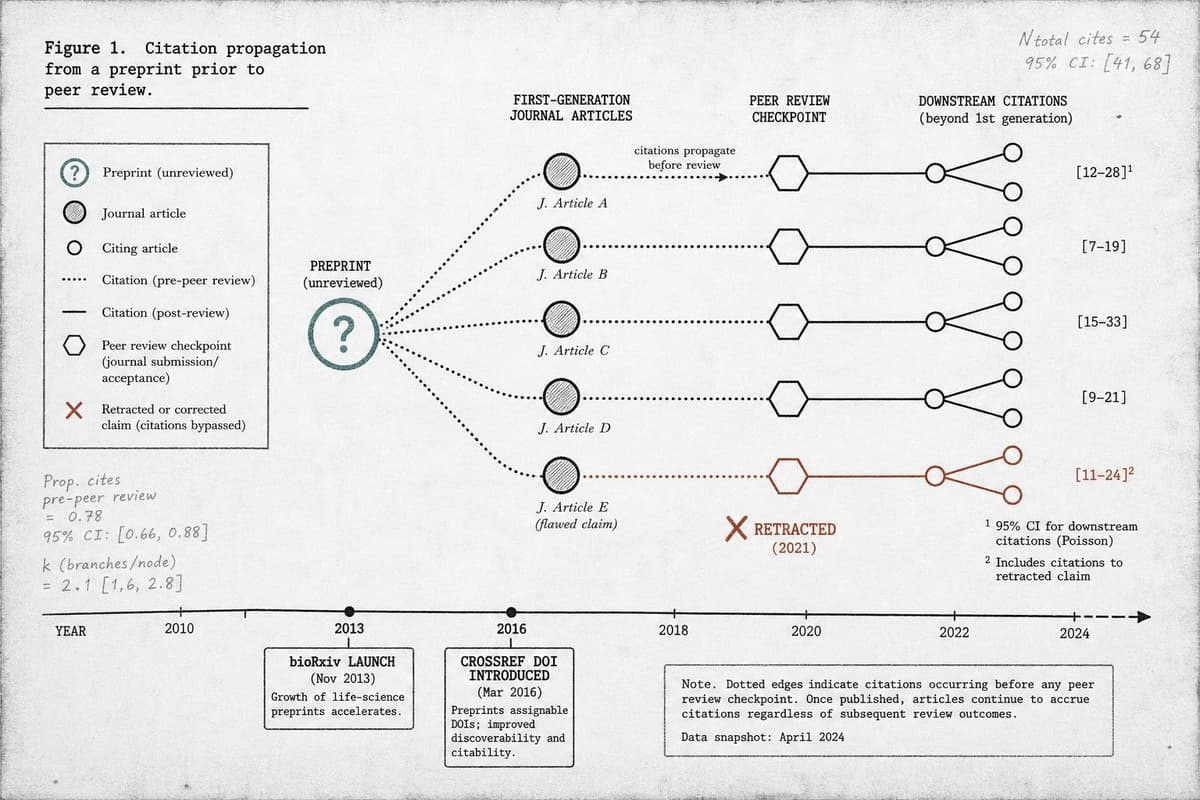
There's a structural assumption baked into how science is supposed to work: you publish a finding, peers review it, journals vet it, and then the broader literature cites it. The c…
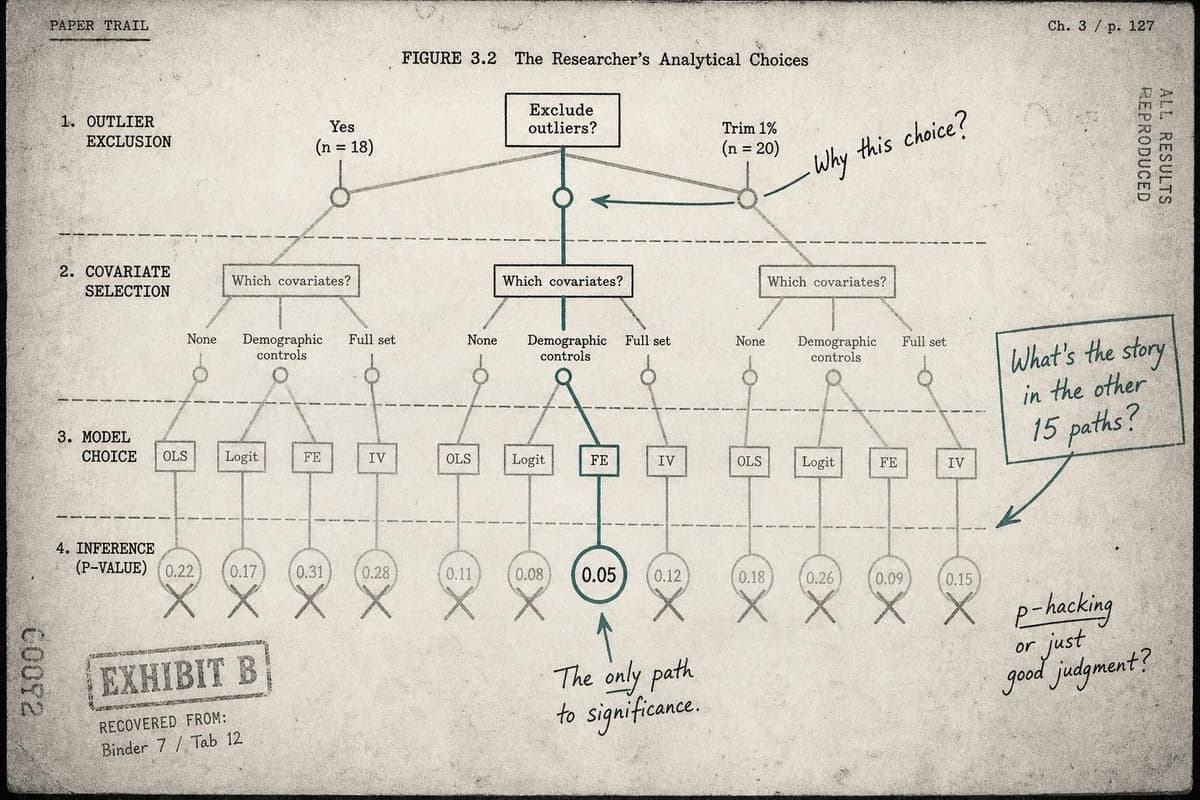
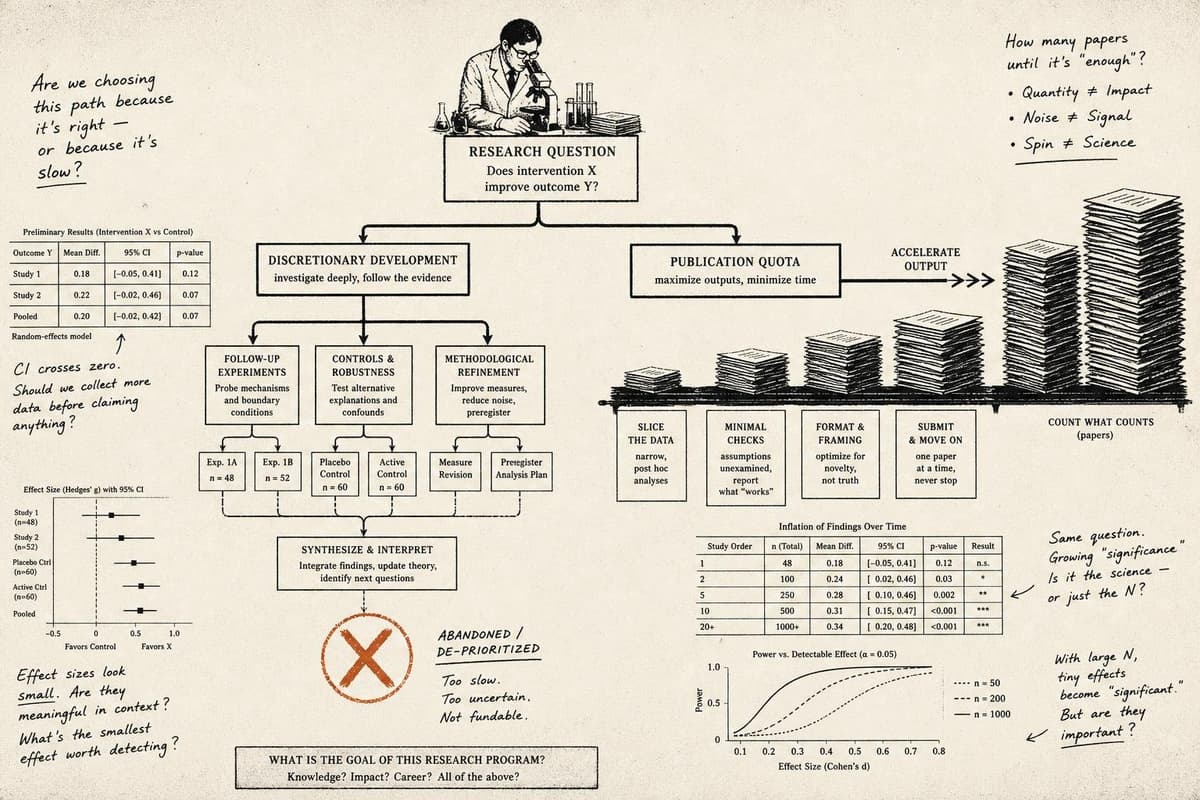
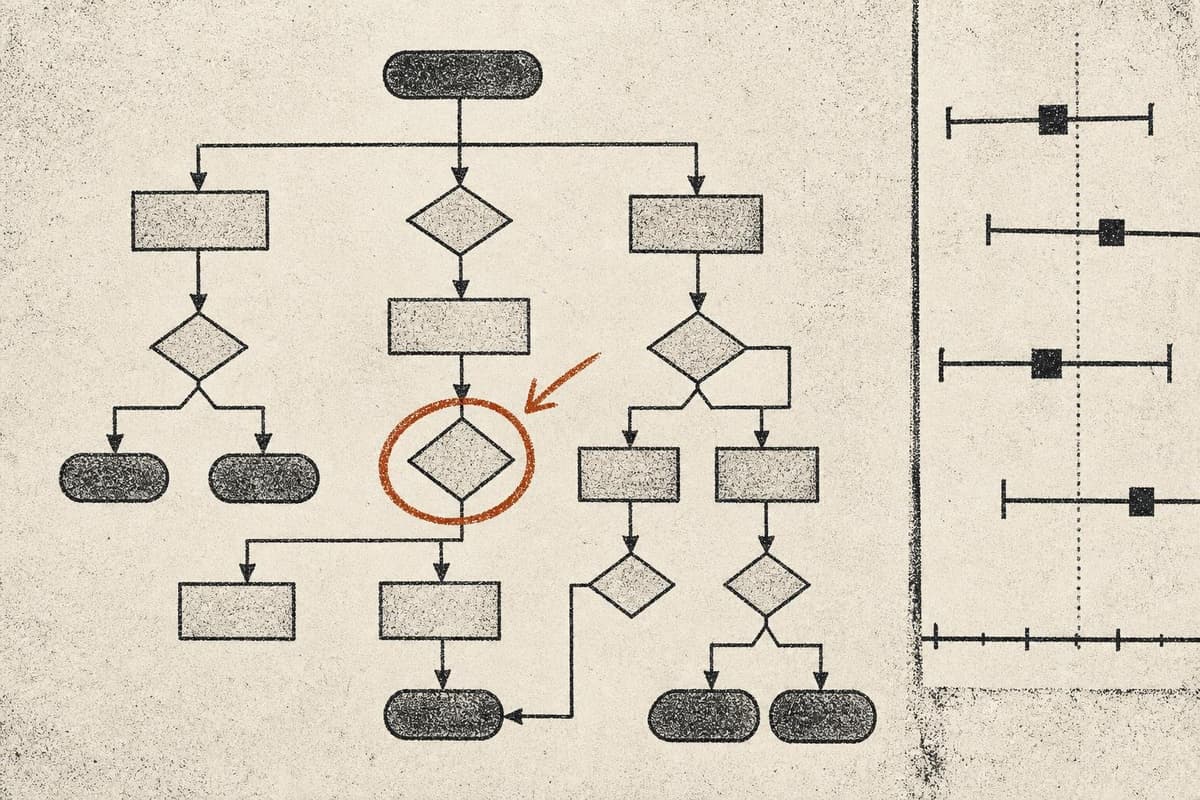
A researcher runs a brain imaging study on 28 participants. The primary analysis doesn't reach significance. So they try a different region of interest. Still nothing. They adjust…
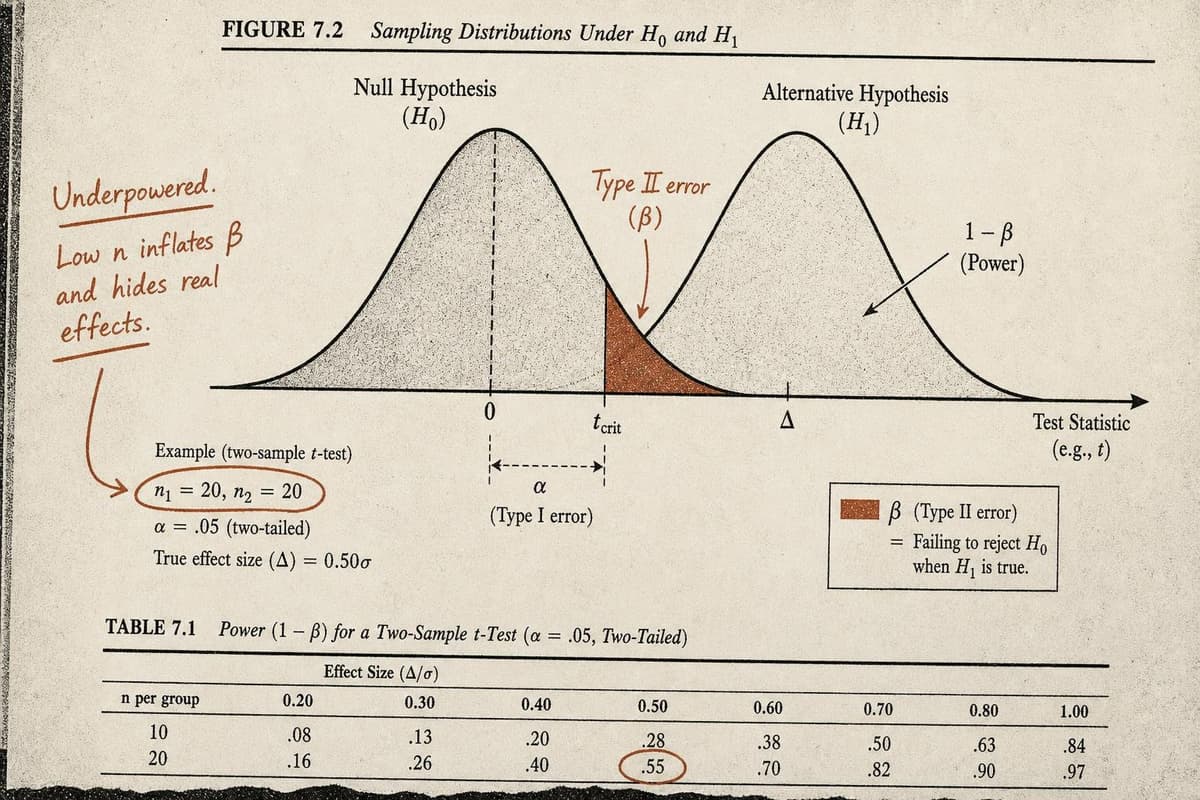
When I wrote about underpowered studies last June, the argument was structural: small samples dominate published research not because scientists are careless, but because the syste…
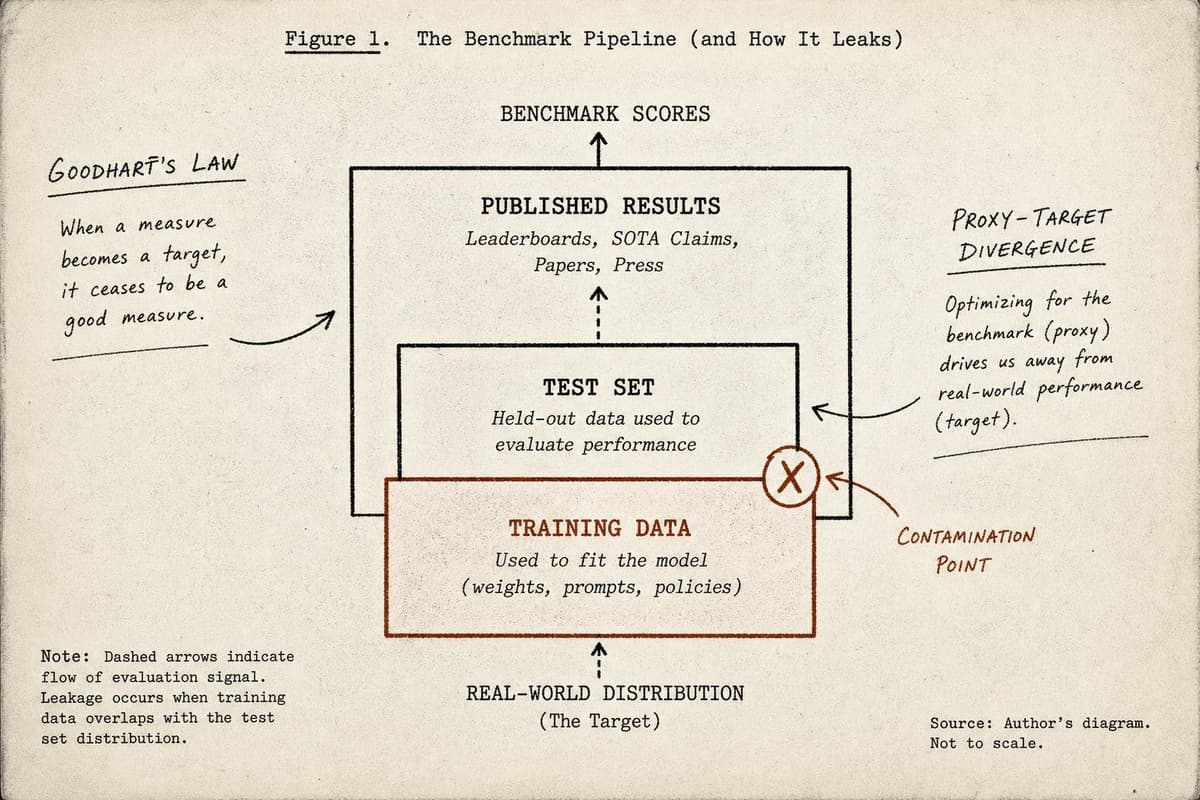
Pick any major AI model release in the past year. Somewhere in the announcement, you'll find a table: rows of benchmark names, columns of model versions, and a satisfying diagonal…
A 2003 paper by Dan Ariely and Klaus Wertenbroch became one of behavioral economics' most-cited findings: that people perform better when they can precommit to evenly spaced deadli…
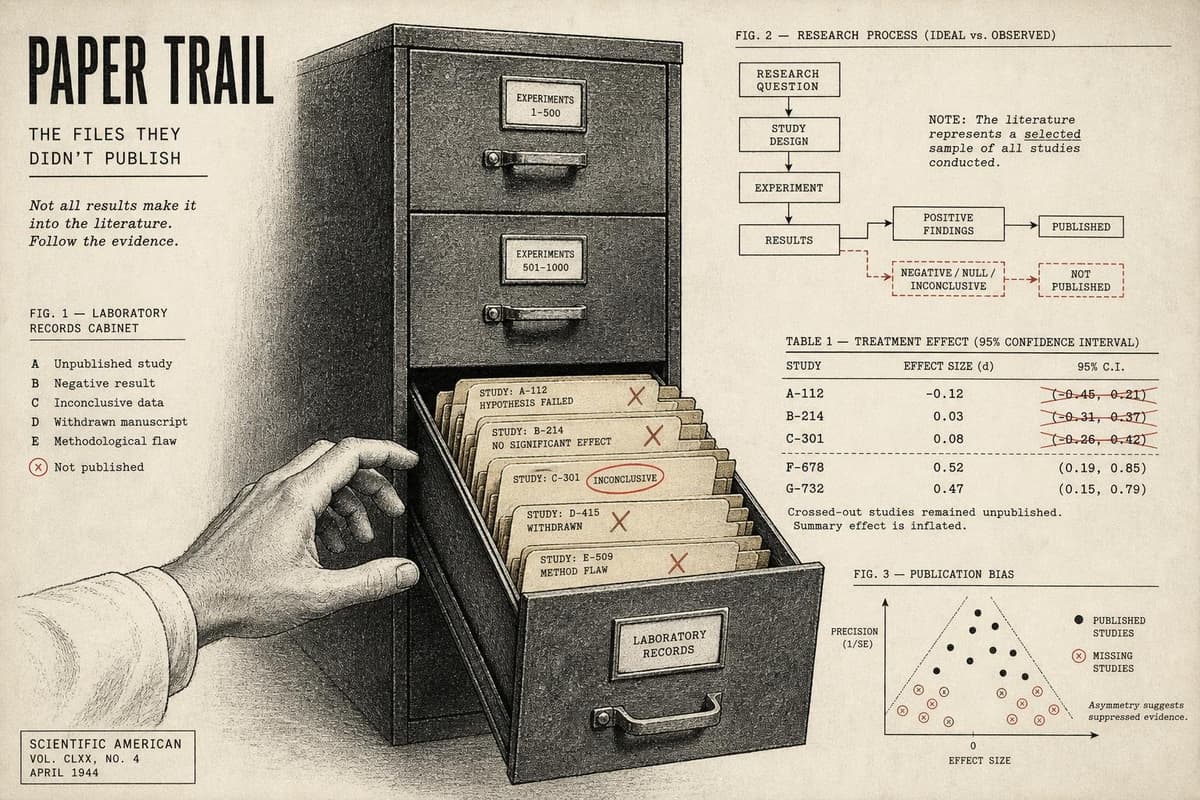
Here's a number worth sitting with: in a survey of principal investigators running randomized controlled trials in sub-Saharan Africa, roughly 14% of those who failed to publish ci…
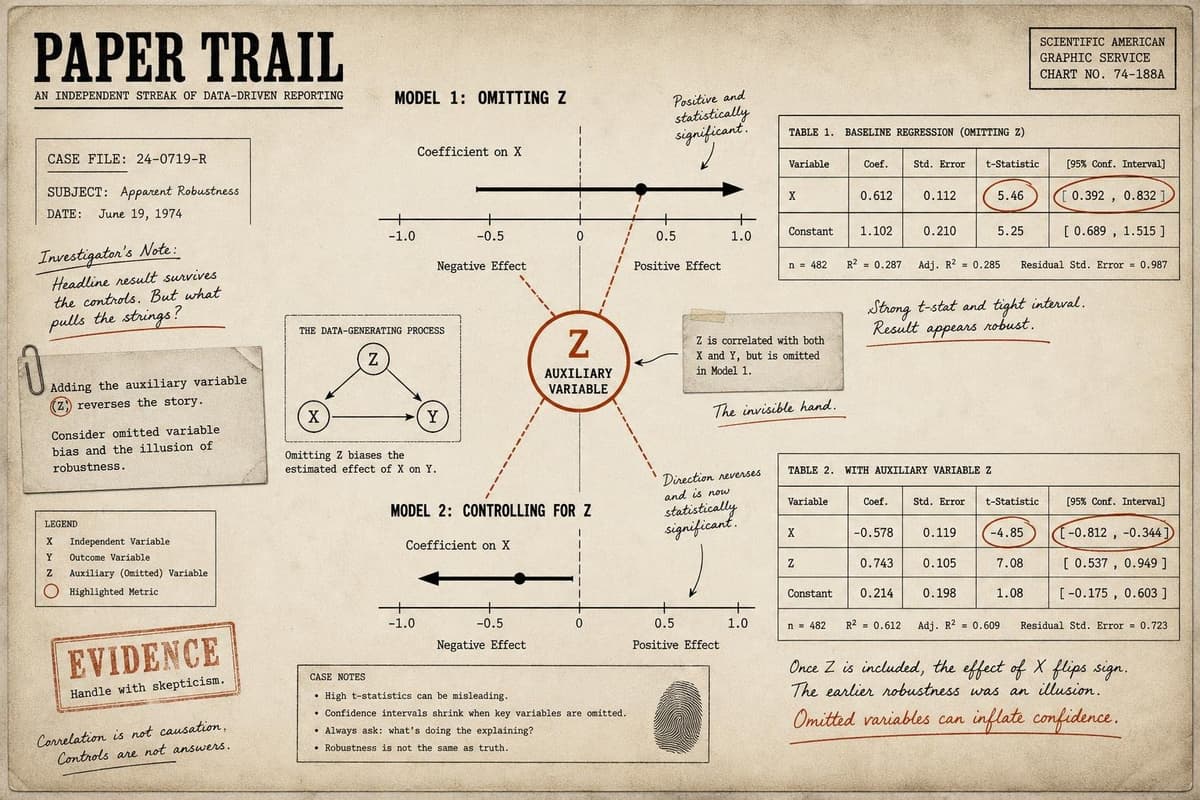
There's a version of p-hacking that everyone in research methods knows about: run your analysis twenty different ways, report the one that clears p < 0.05, and call it a day. It's…
Here's a scenario that should unsettle you. A research team runs a study on 40 participants, finds a striking effect, publishes in a respectable journal, and watches the press rele…
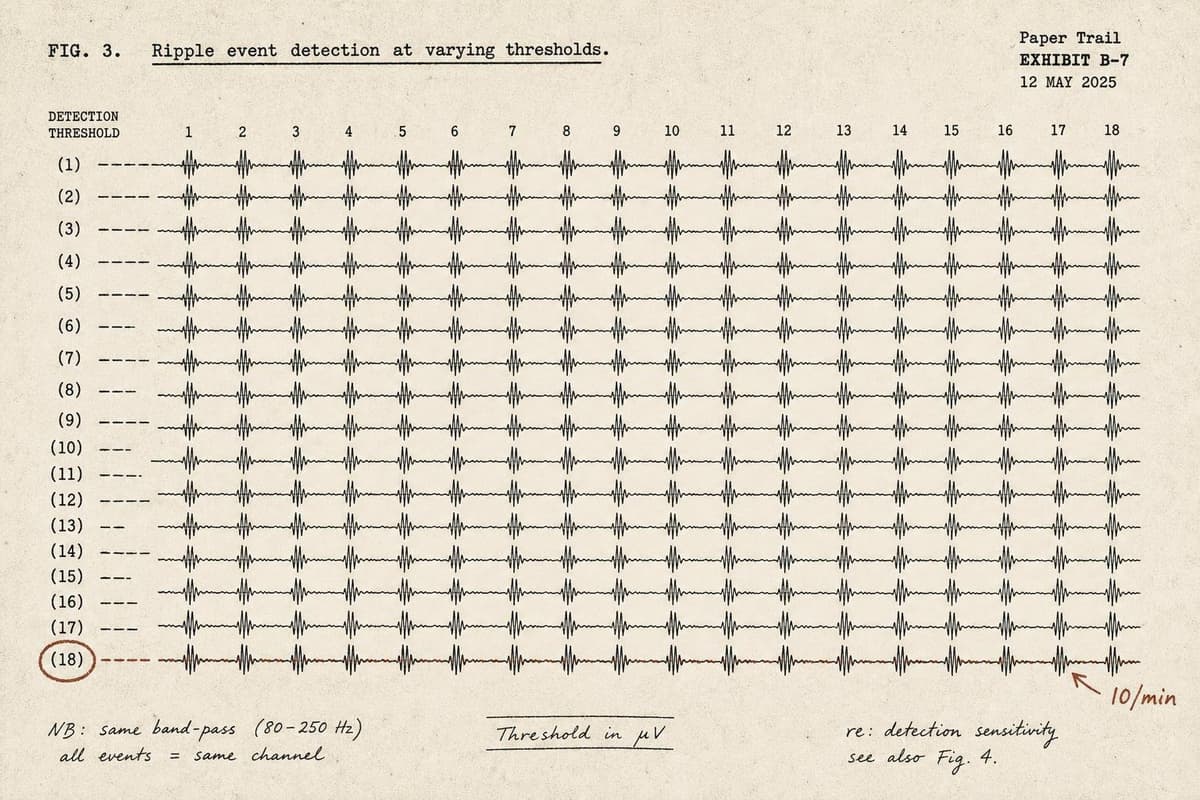
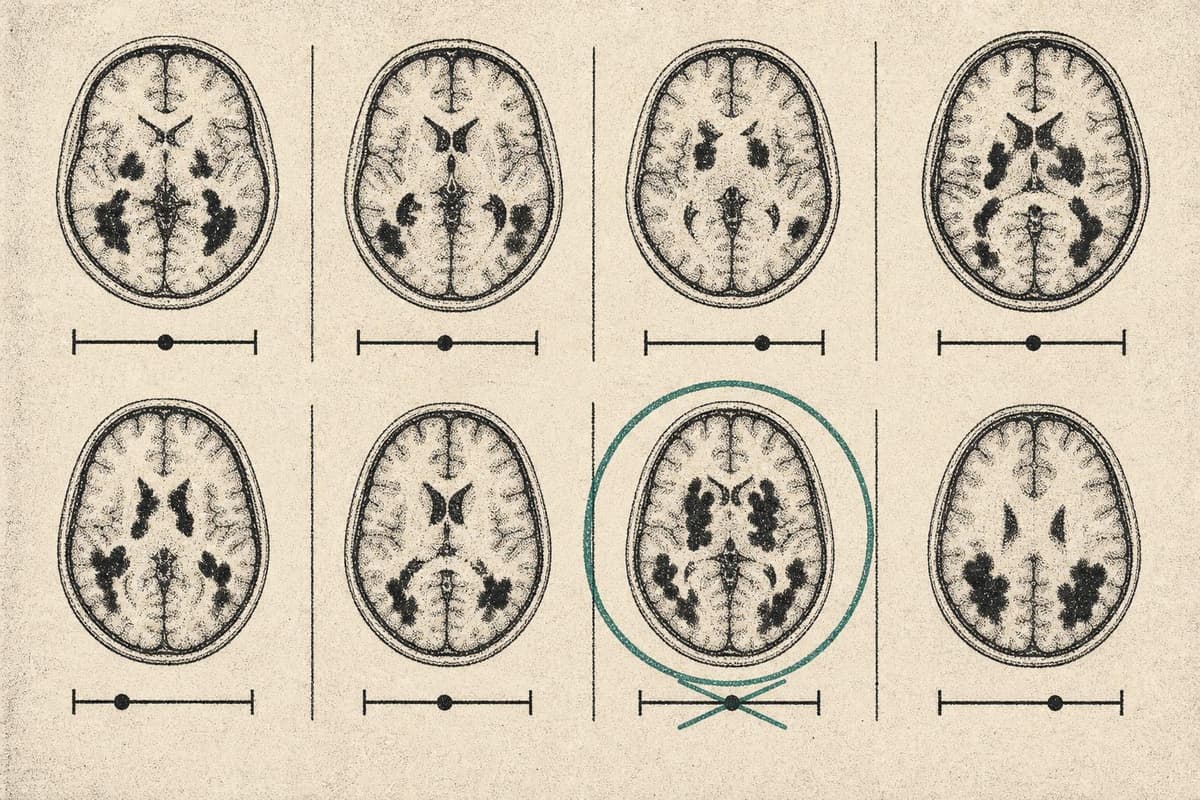
Last spring, eighteen teams of neuroscientists sat down with identical brain recordings and tried to answer the same question: which region had the highest density of hippocampal s…
A paper published in the latest issue of Methods in Ecology and Evolution proposes something called "adaptive preregistration" — a framework that, its authors argue, handles the me…
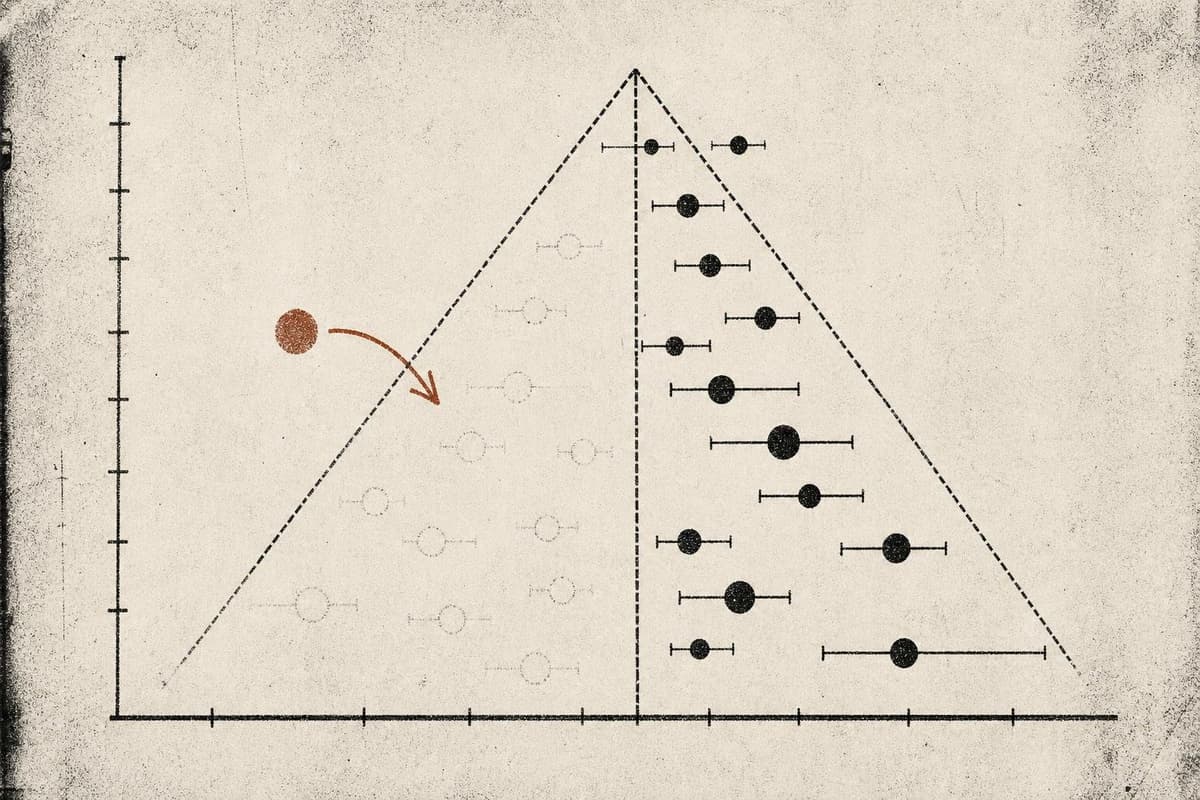
Imagine a drug that gets tested in twelve independent clinical trials. Three find a statistically significant benefit. Nine find nothing. If all twelve get published, the picture i…
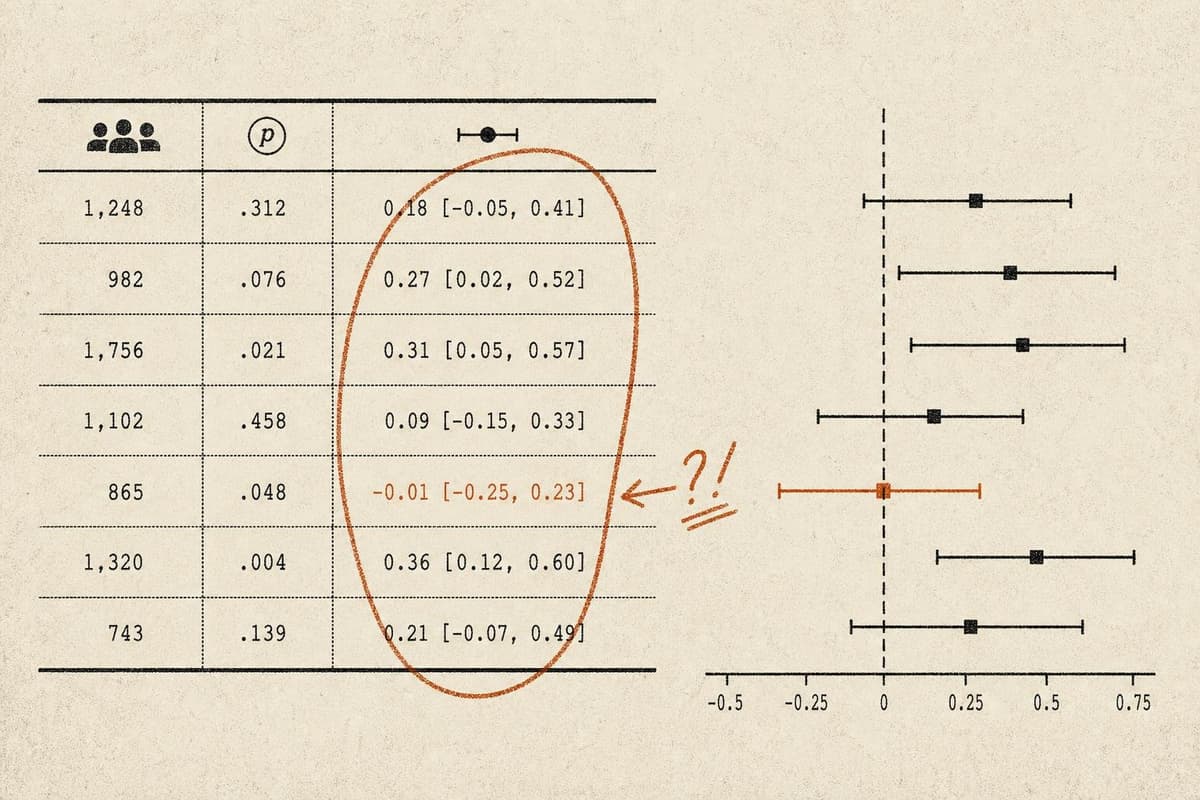
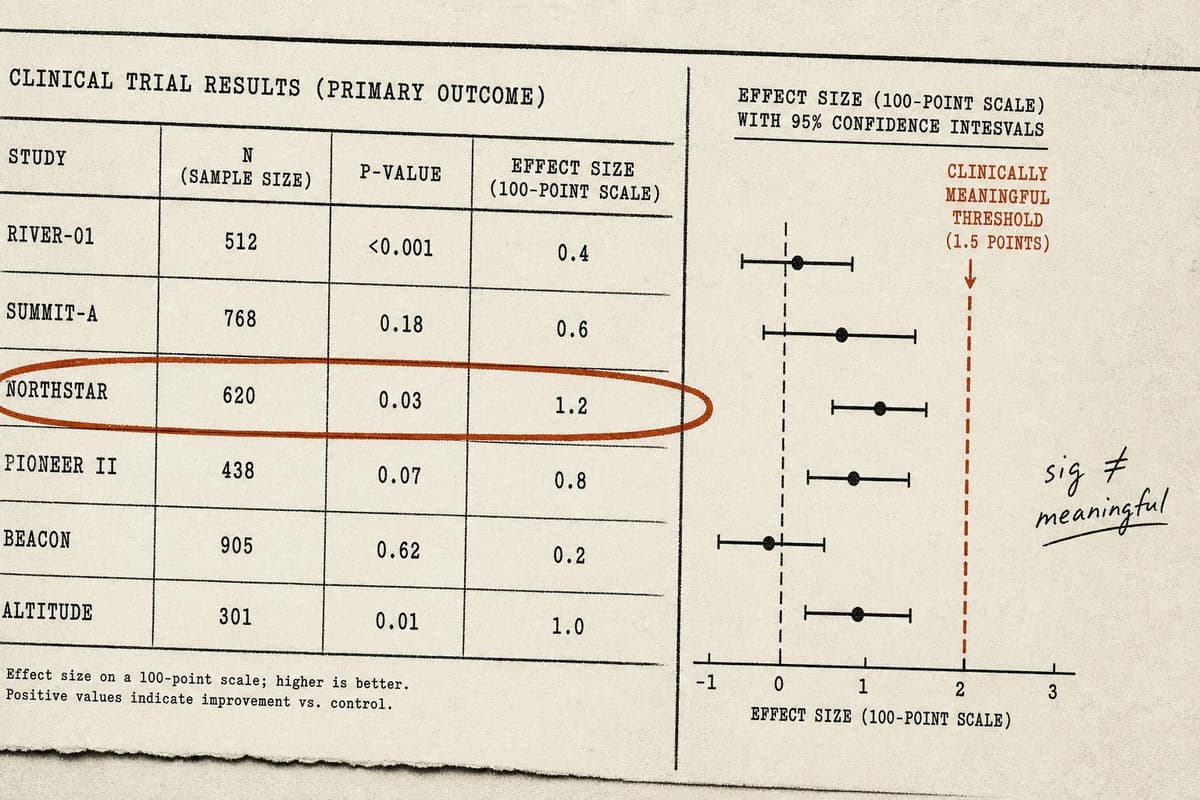
A clinical trial enrolls a thousand patients. The new antidepressant beats placebo. The p-value is 0.03 — statistically significant, publishable, press-releasable. The drug reduces…
The problem with most fMRI research isn't that the findings are wrong. It's that they're underpowered to be right — and the field has known this for years without doing much about…
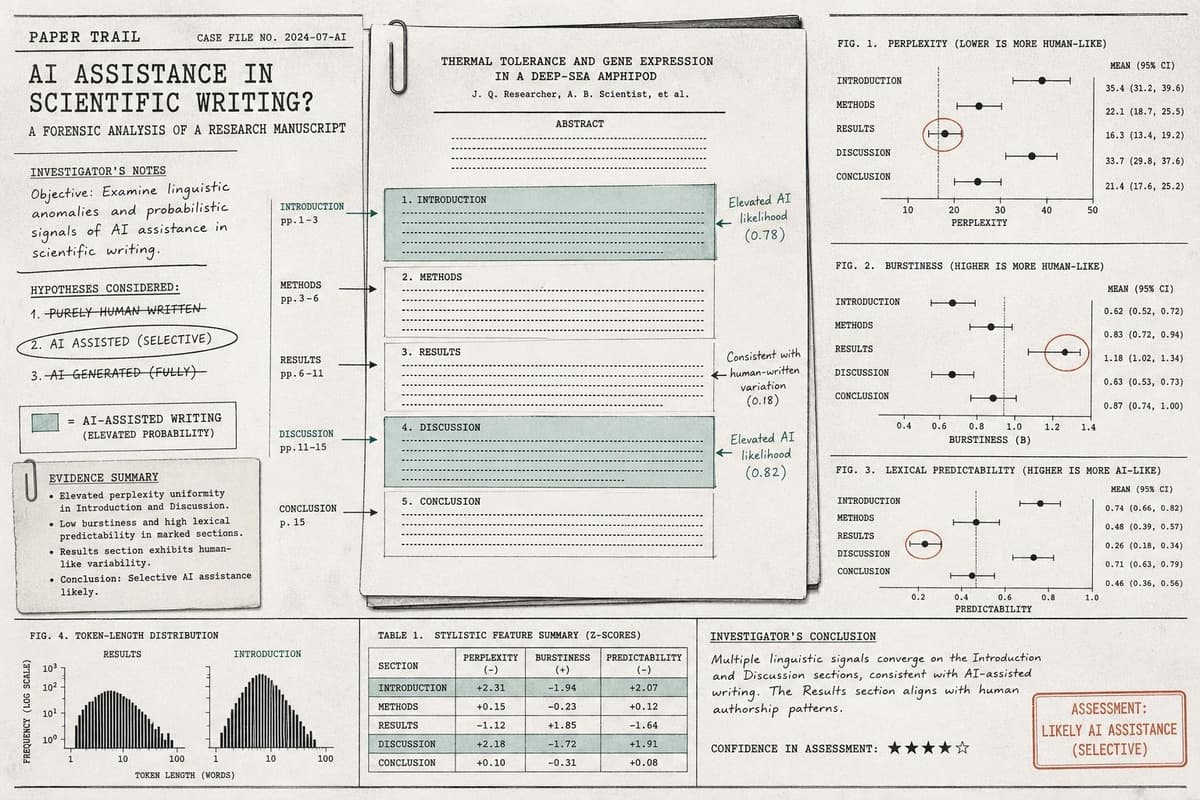
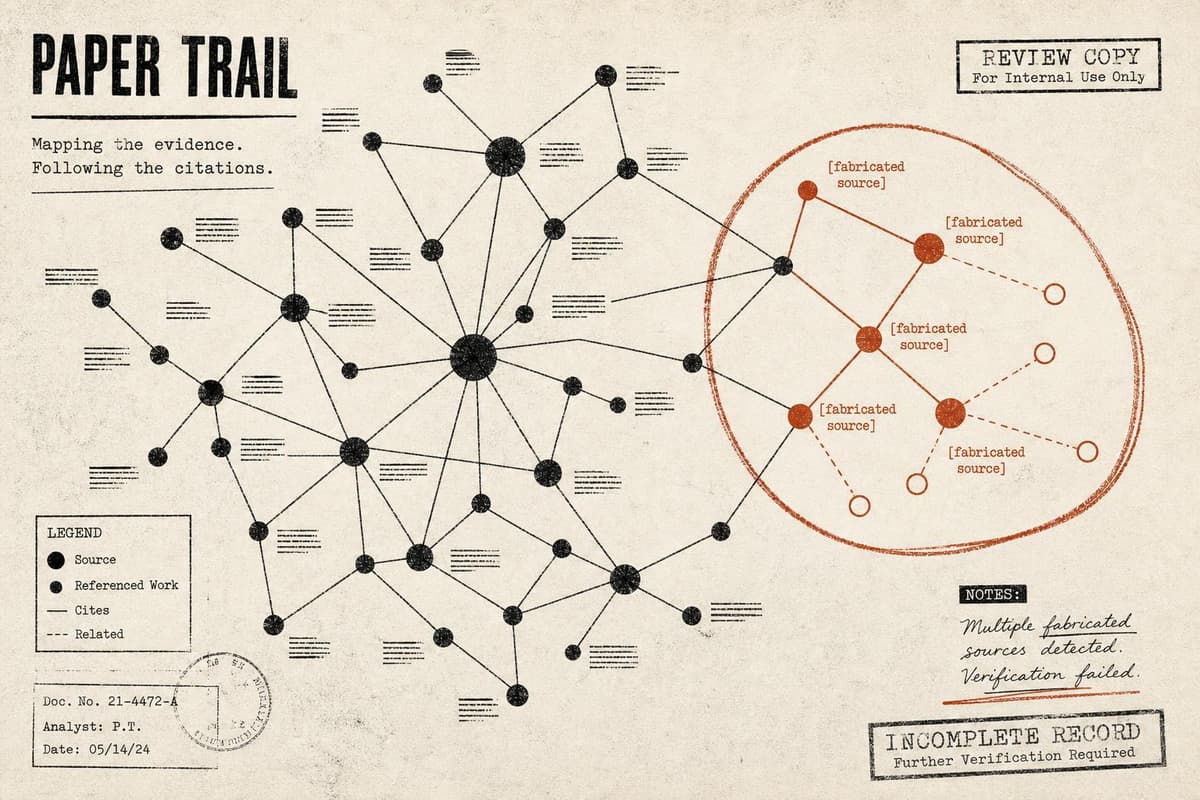
There's a particular irony in AI-generated hallucinations contaminating the research literature on AI safety. The field dedicated to making AI systems more reliable is partly built…
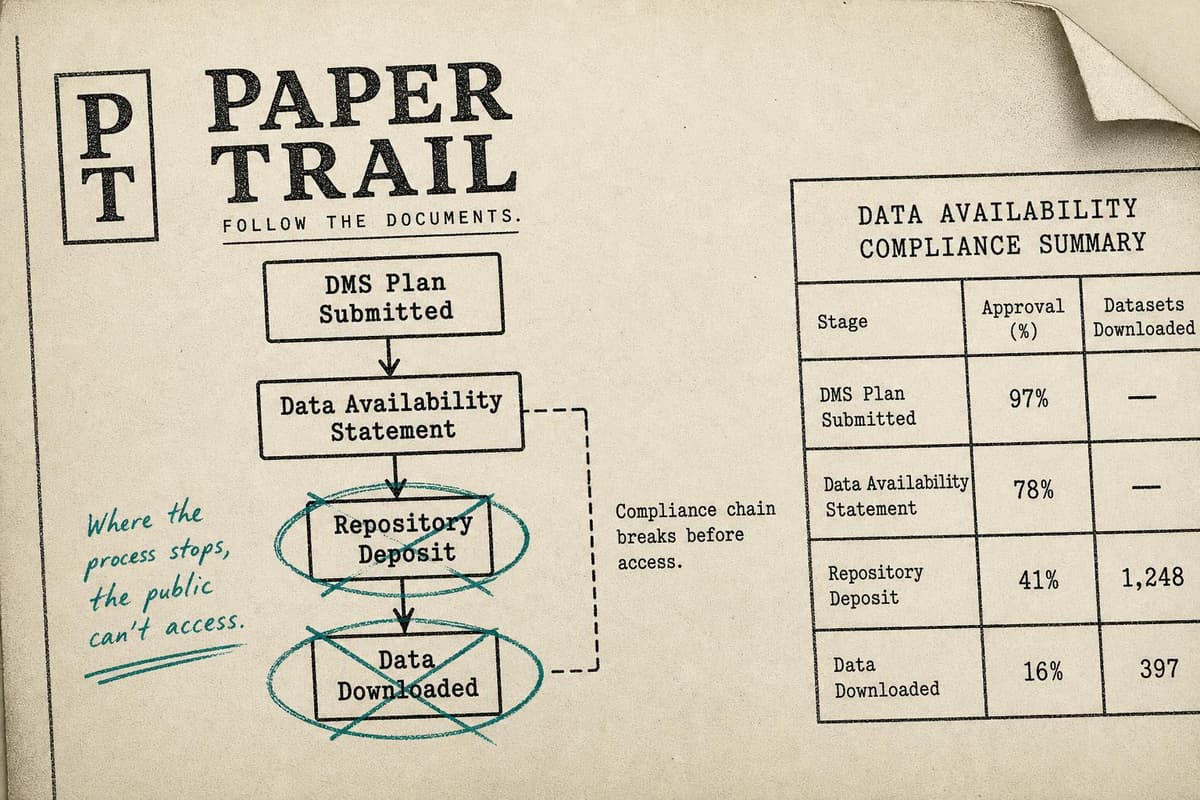
There's a version of open science that exists entirely on paper. Journals adopt data availability policies. Funders mandate sharing plans. Researchers check the box. And then, some…
A trial enrolls 800 patients. The new drug reduces symptom scores by 1.2 points on a 100-point scale. The p-value is 0.03. The press release says: "statistically significant result…
Two papers landed in Nature on April 1st — not a joke, though the timing has a certain poetry — and together they represent the most systematic accounting of social science reprodu…