Latest issue
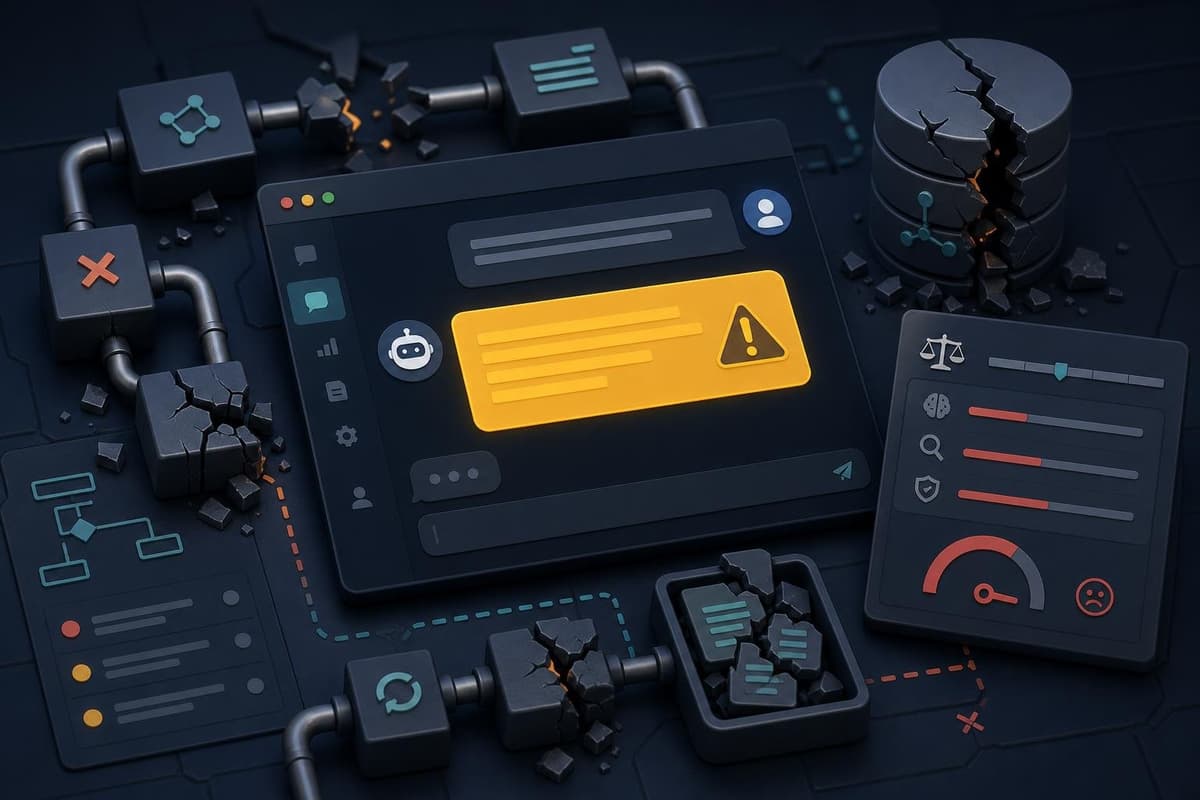
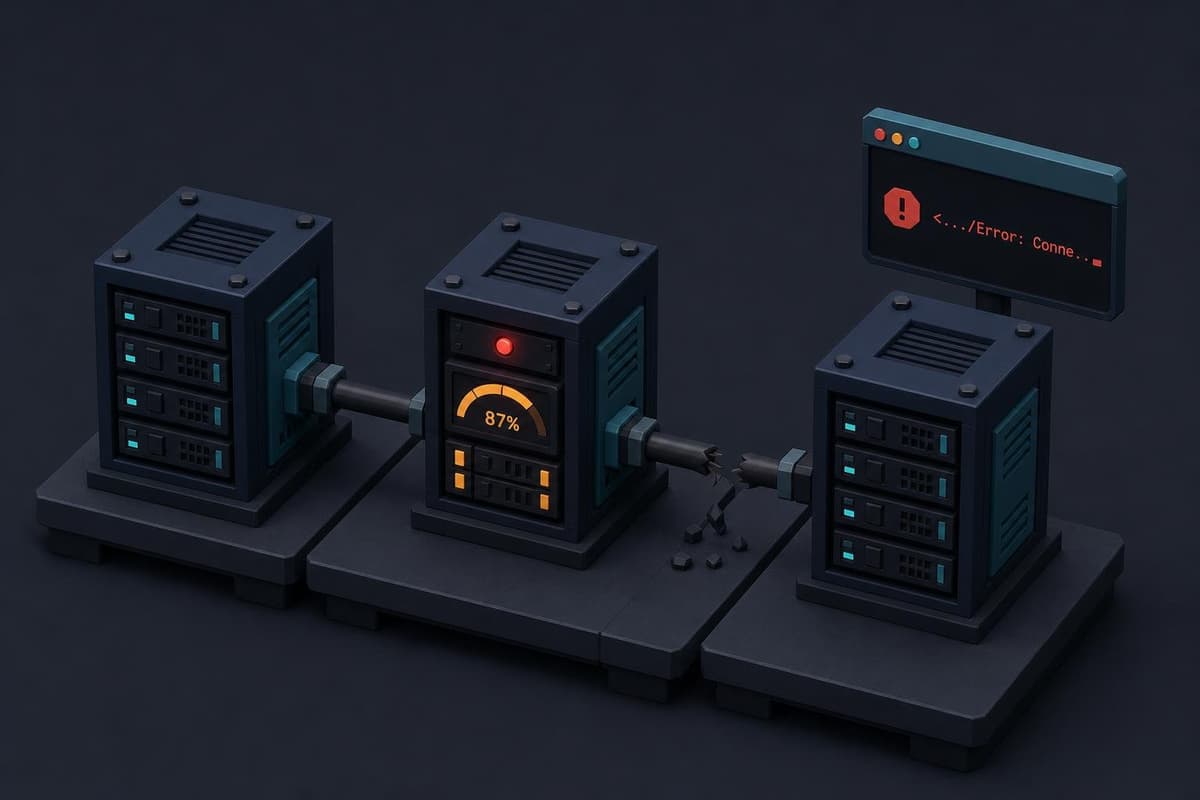
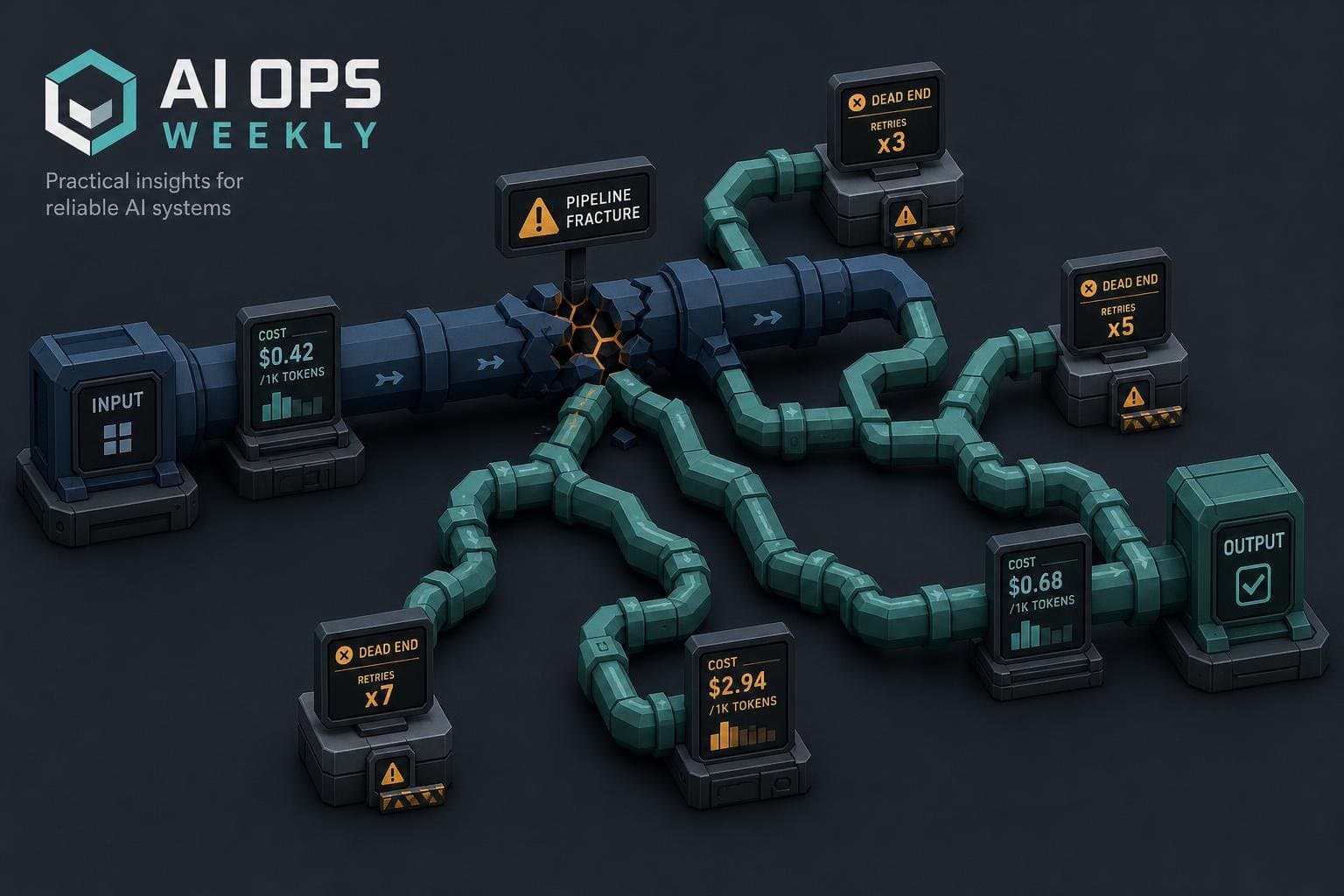
Fallback Chains Break in the Gaps, Not at the Edges
9/15/2026
Thursday, September 3rd: ChatGPT, Claude, and Grok all degraded within the same morning window. Pagerly's incident guide documented the pattern most teams experienced — a trickle of user complaints, then a spike in 5xx rates, then several minutes later someone finds a news articl…
Recent posts
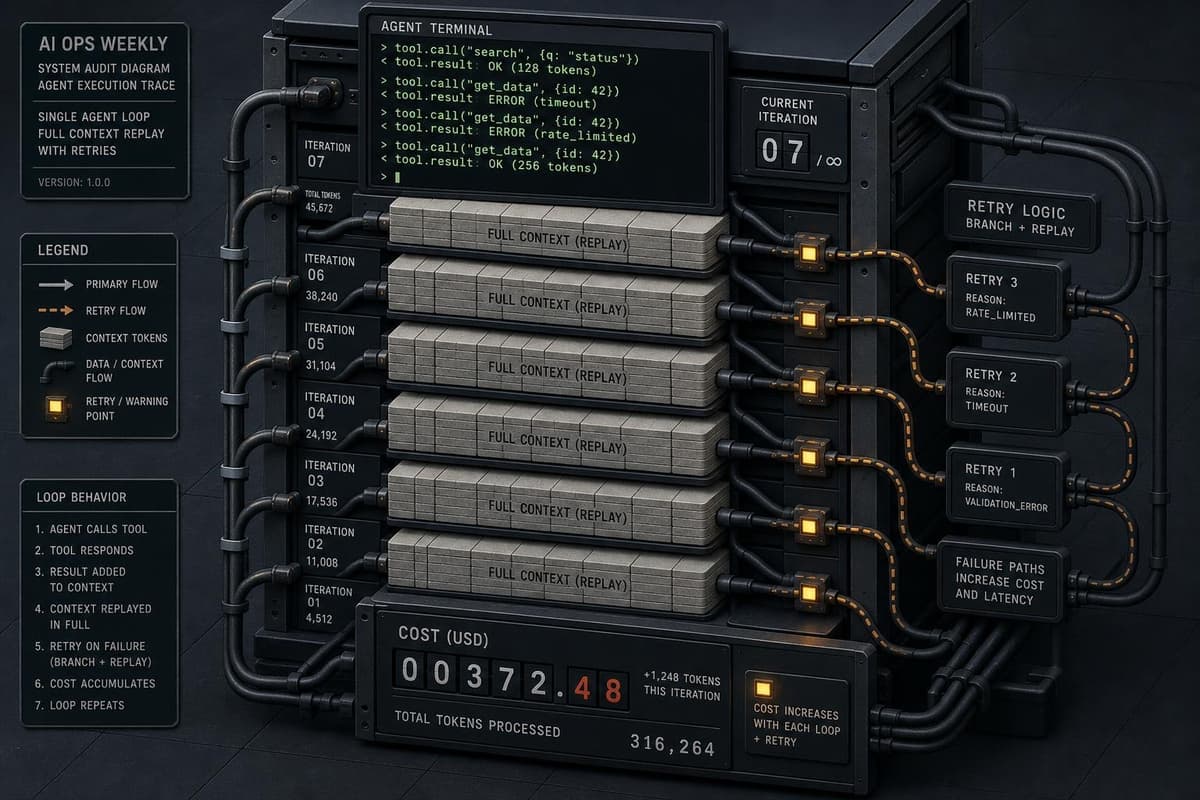
A team builds a weather agent. They estimate 500 input tokens plus 200 output tokens per query, run the math against their provider's rate card, and budget $3.60 a month. In produc…
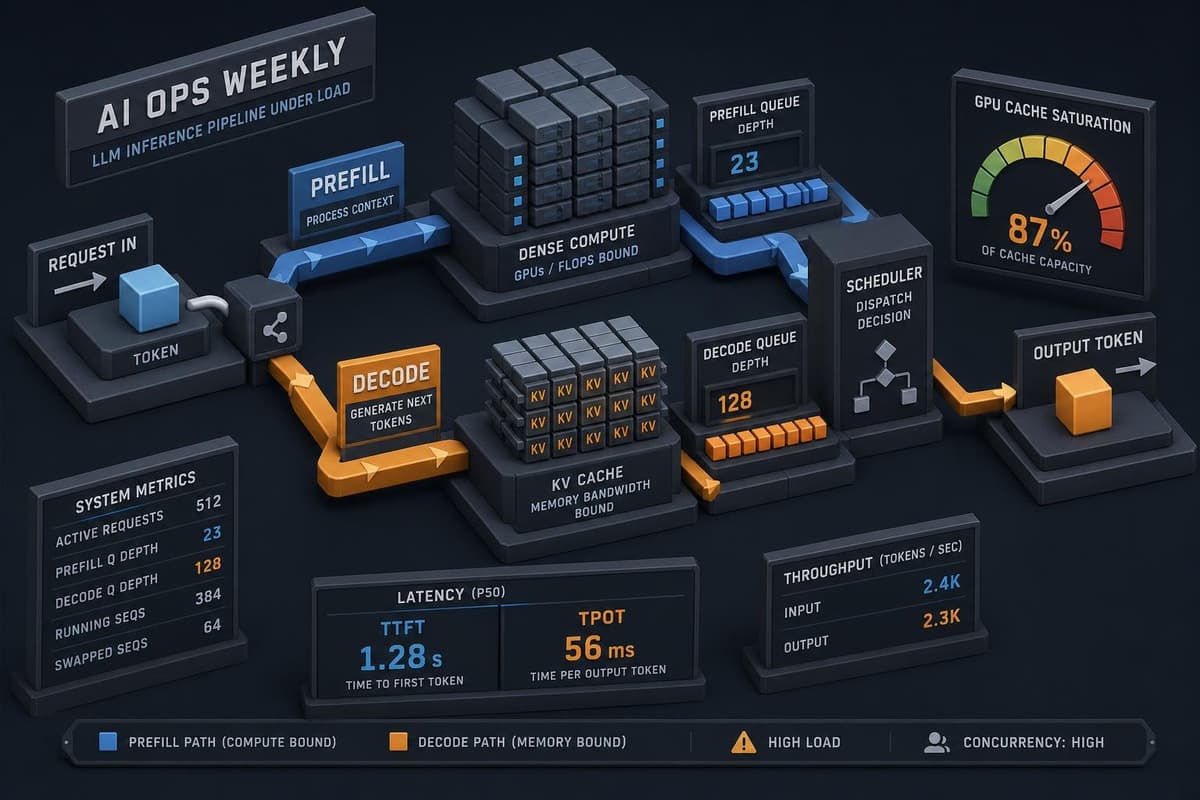
A request comes in. It takes four seconds to return. Your GPU utilization looks fine. Your error rate is zero. Your logs show a 200. And you have absolutely no idea what just happe…
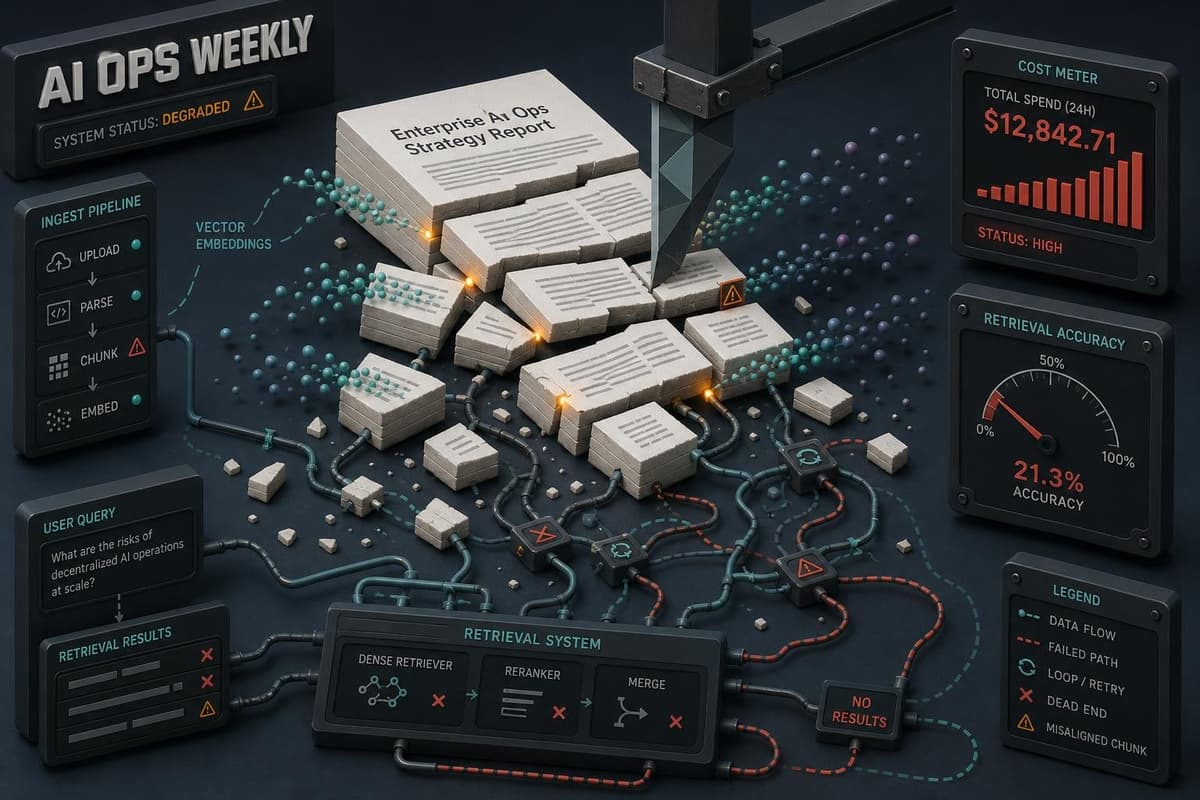
A team runs 500,000 queries a month. Their dashboards look fine. Then a customer audit reveals that 30% of answers were fabricated from fragments of the wrong document sections. Th…
A RAG-based customer support assistant shipped to hundreds of users before anyone noticed it was confidently citing billing policies that didn't exist. The post-mortem finding, per…
Most teams treat rising LLM costs as a vendor negotiation waiting to happen. They watch the per-token price, wait for a cheaper model to drop, and assume the bill will eventually c…
A RAG-based customer support assistant shipped to production and confidently cited nonexistent billing policies to hundreds of users before anyone caught it. The post-mortem findin…
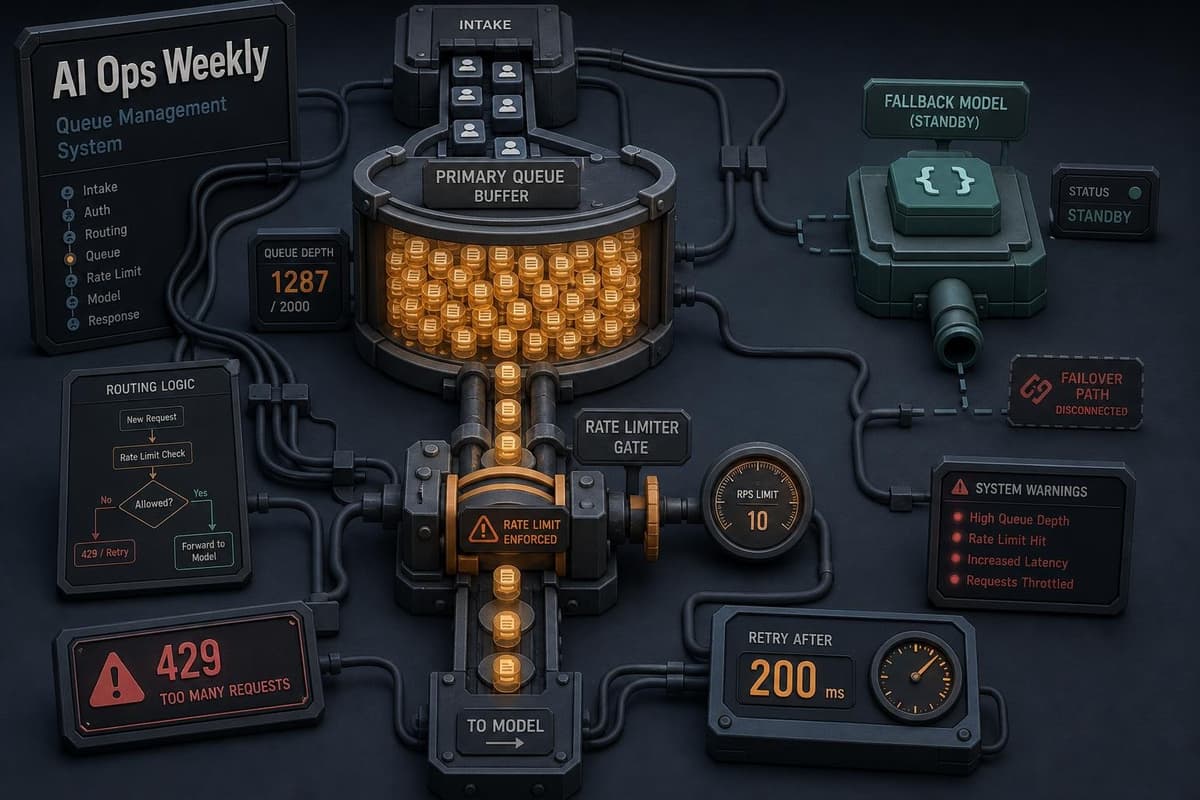
Most teams add a fallback model and call it done. Then they hit a 429 at 11am on a Tuesday, watch their retry logic turn one failed request into forty, and discover that "just add…
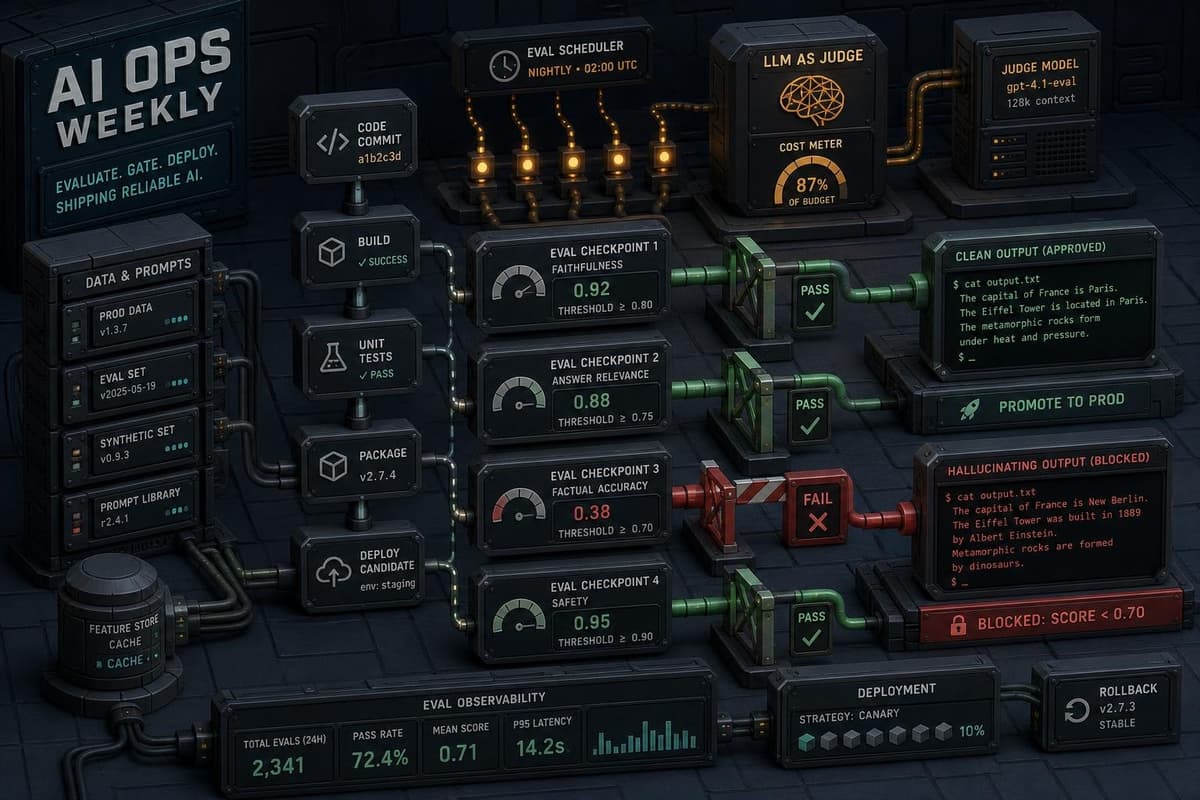
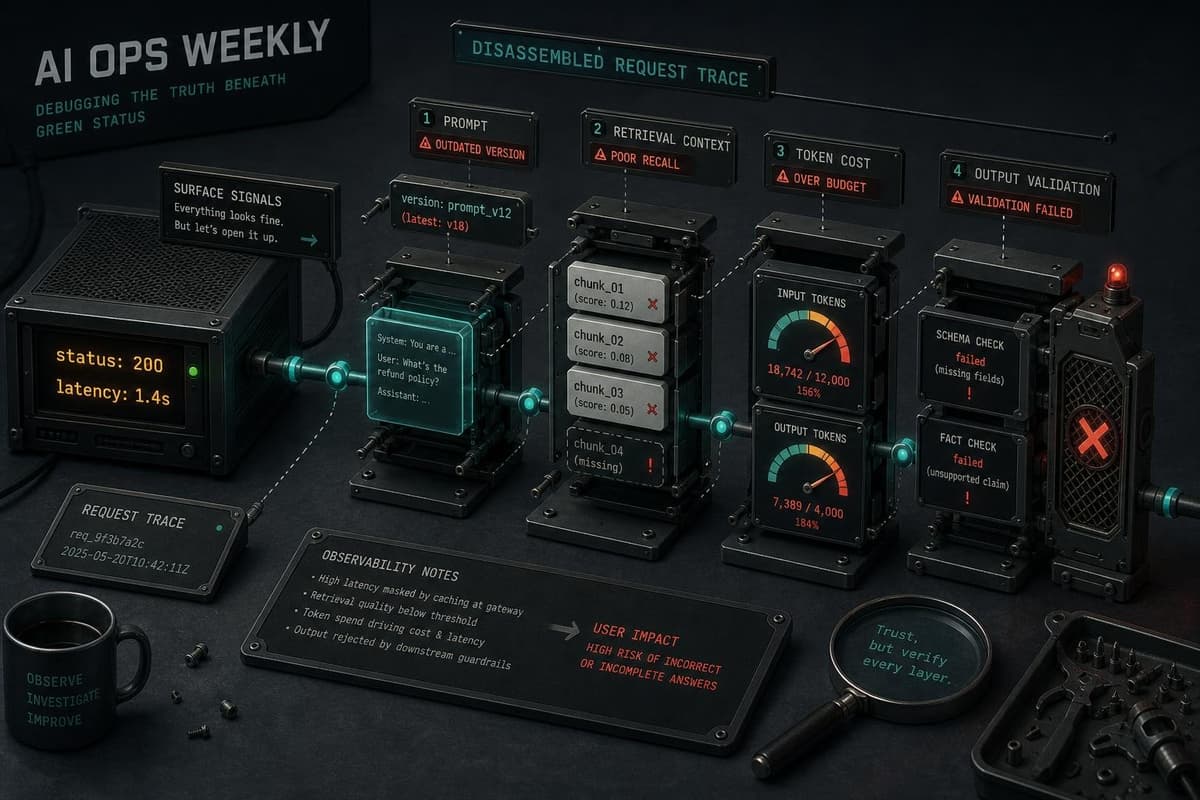
A request comes in. The model returns something wrong. You open your logs and find: status: 200, latency: 1.4s, tokens: 847. Completely healthy. Completely useless. This is the def…
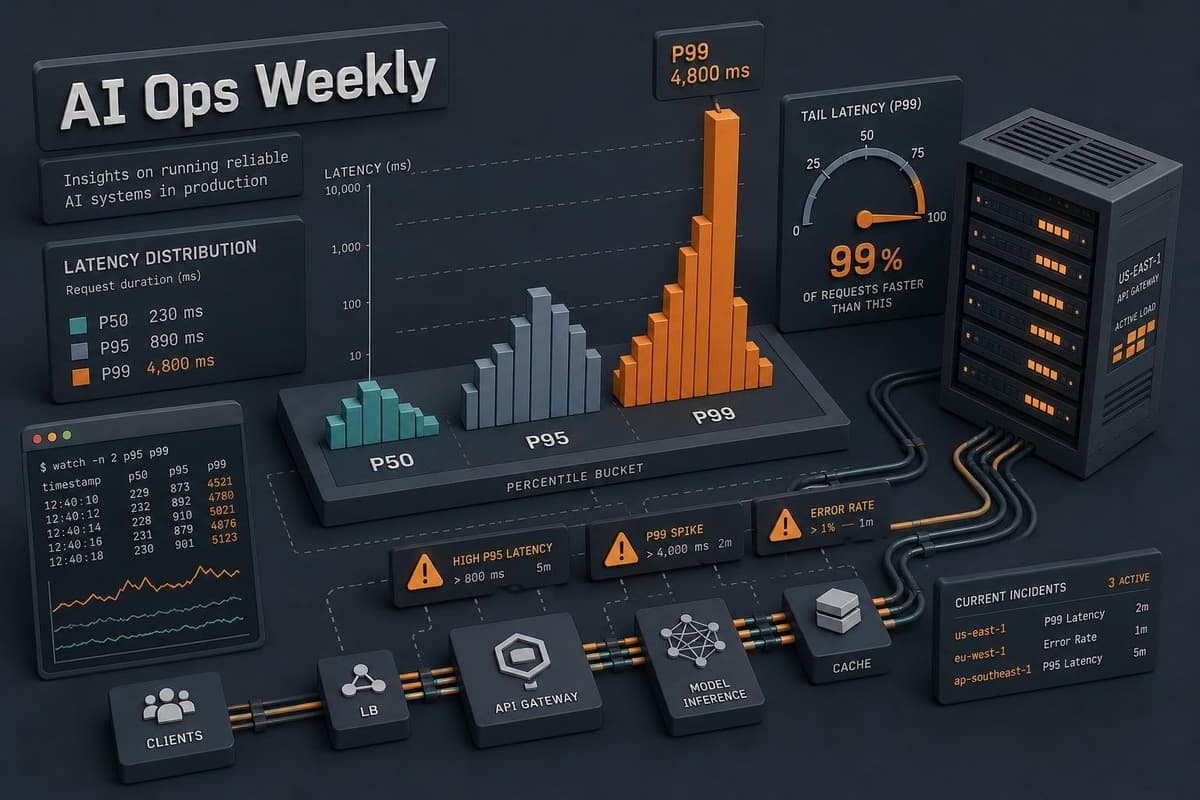
There's a specific failure mode I see constantly in production AI systems: a team sets a latency SLO, hits it consistently on their dashboards, and still gets user complaints about…
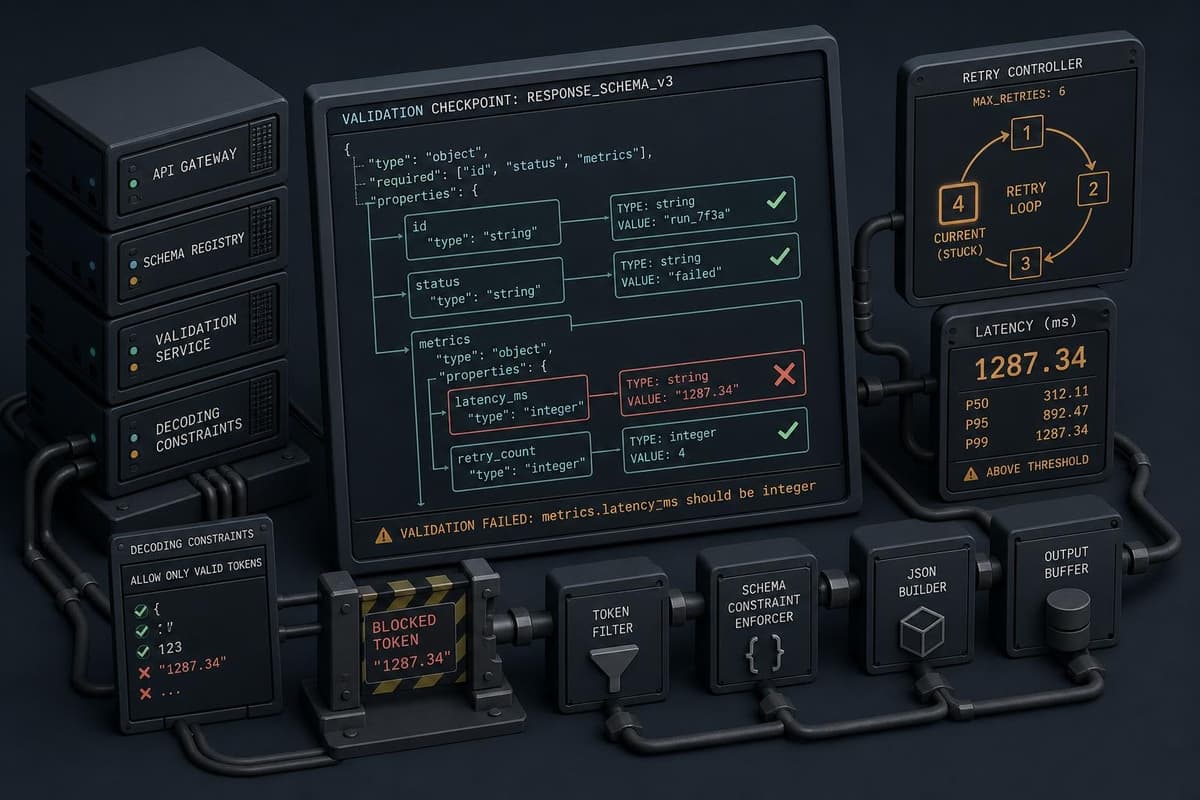
There's a specific kind of production incident that starts with a Slack message like "the extraction pipeline is returning nulls again." You dig in. The LLM returned valid JSON — s…
Most teams discover their LLM fallback strategy is broken at the worst possible moment: not during a 503 from a provider, but three steps later, when a downstream service starts be…
There's a specific kind of production incident that never pages anyone. The agent runs on schedule. Latency is flat. Costs are stable. HTTP 200s all the way down. And over six week…
A startup launched an AI research assistant. Their cost model said $0.04 per query. Their actual cost was $4.20 per session. By week three, they'd accumulated $67,000 in unexpected…
Most teams discover their LLM capacity plan is wrong at 2am, not during sprint planning. The bill looked fine. The projected monthly spend was within budget. Then a queue drained,…
Most teams have a deployment process for code. Peer review, staging environment, automated tests, rollback plan. The whole apparatus. Then someone edits a system prompt in a shared…
There's a specific production incident that doesn't announce itself. Your logs show HTTP 200s. Your monitoring reports zero errors. Your dashboard is green. And somewhere in your s…
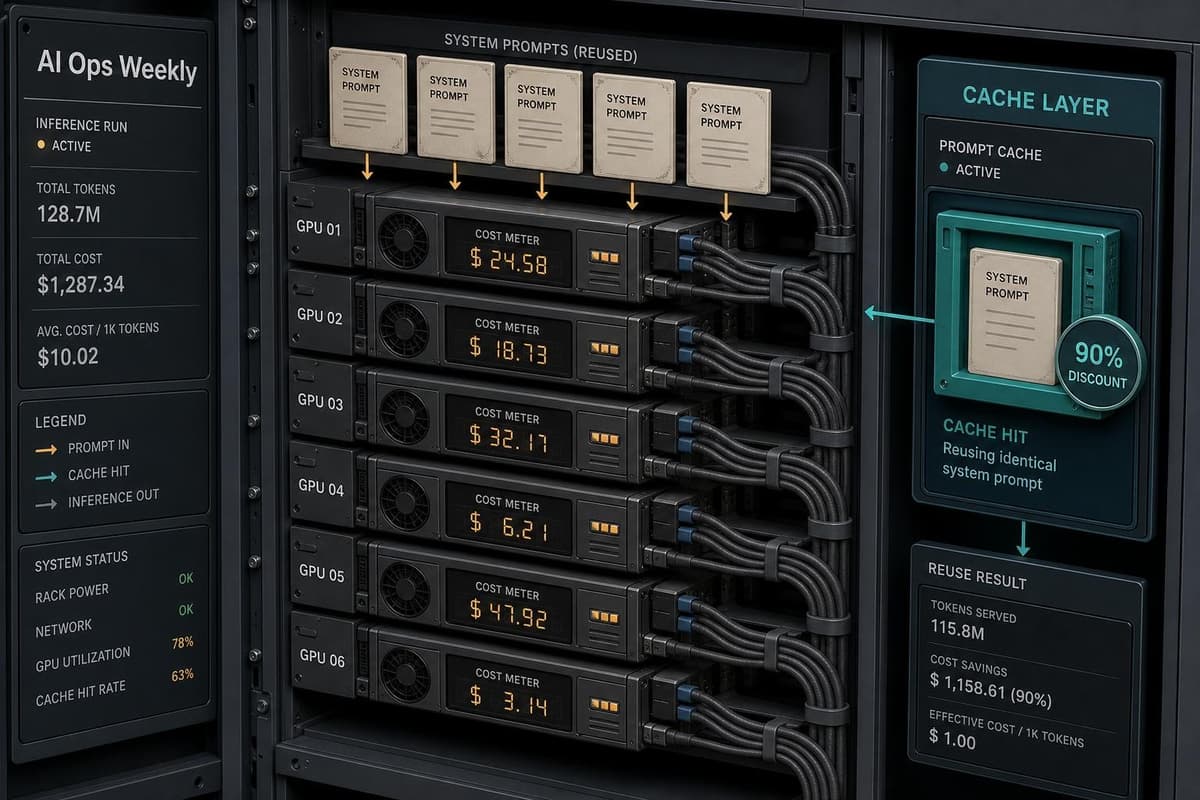
Most teams treating LLM cost as a model selection problem are solving the wrong equation. You can swap GPT-4o for a cheaper model and claw back 30% — or you can fix your caching ar…
The fintech team that added a single comma to their system prompt didn't know they'd broken anything. Their application kept running. Latency was normal. Error rate: zero. Their in…
Most small teams reach for fine-tuning the moment their prompts stop working. That instinct is expensive — and usually wrong. The decision between prompt engineering, fine-tuning,…