Latest issue
Rust's Borrow Checker Isn't Magic — It's Affine Logic in a Compiler
9/16/2026
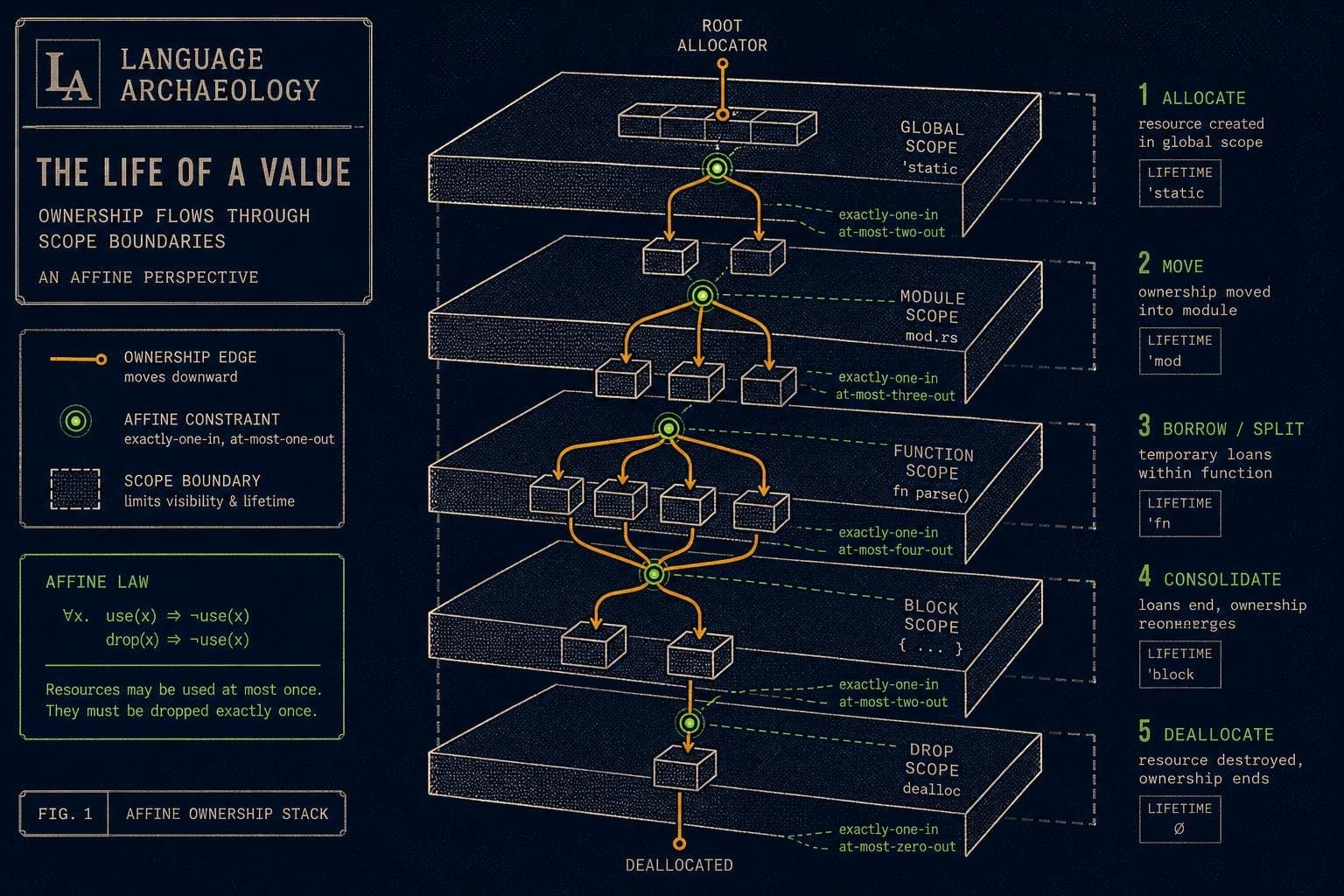
Lesson 26: What a 50-year-old mathematical idea teaches us about memory For five decades, systems programmers lived with a deal that felt non-negotiable: you could have control over memory, or you could have safety — not both. C and C++ gave you the first. Java and the JVM gave y…
Recent posts
Lesson 25: Why Haskell's design forces a different theory of computation There's a moment every programmer hits when learning Haskell where something feels genuinely wrong. You wri…
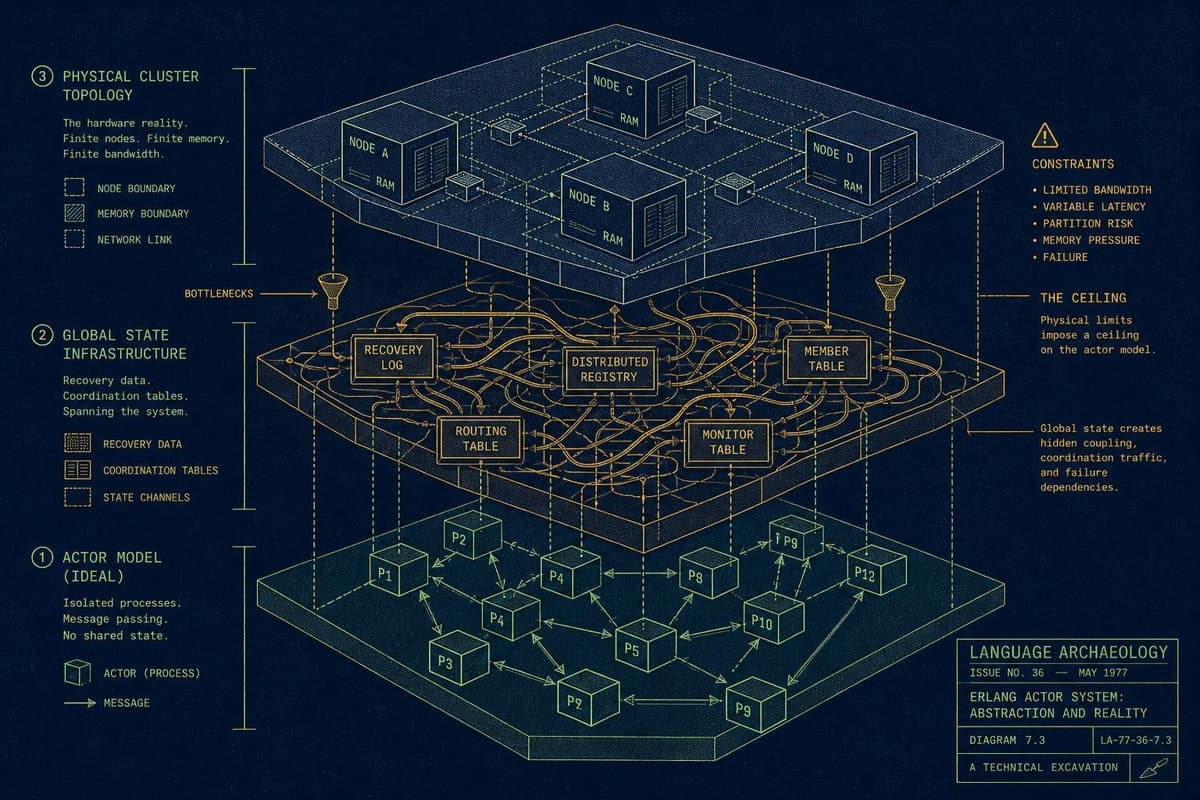
Lesson 25: What Erlang's origin story reveals about the difference between designing for failure and designing around it --- The actor model is commonly described as "Erlang's conc…
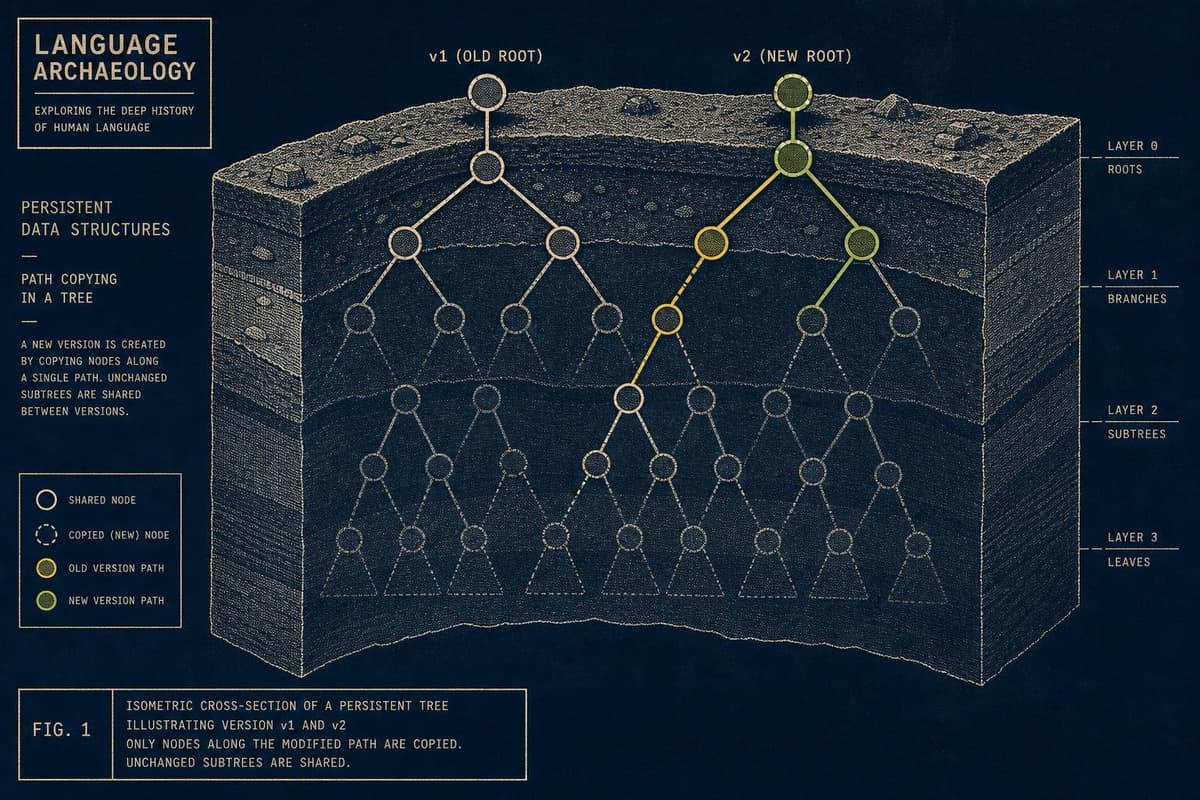
Lesson 24: What Clojure's persistent data structures reveal about the real cost of shared mutable state --- There's a moment every programmer hits when they first encounter functio…
Lesson 24: What Polonius teaches us about the original design bet --- There's a specific kind of frustration that Rust programmers know well: the compiler rejecting code that you k…
Lesson 23: What prohibition-as-design teaches us about correctness --- I covered Haskell's type system back in Lesson 17 — specifically how it encodes what you know rather than jus…
Lesson 22: What Erlang's scaling limits reveal about the difference between a good abstraction and a complete one --- In a previous issue, I wrote about the hidden assumption baked…
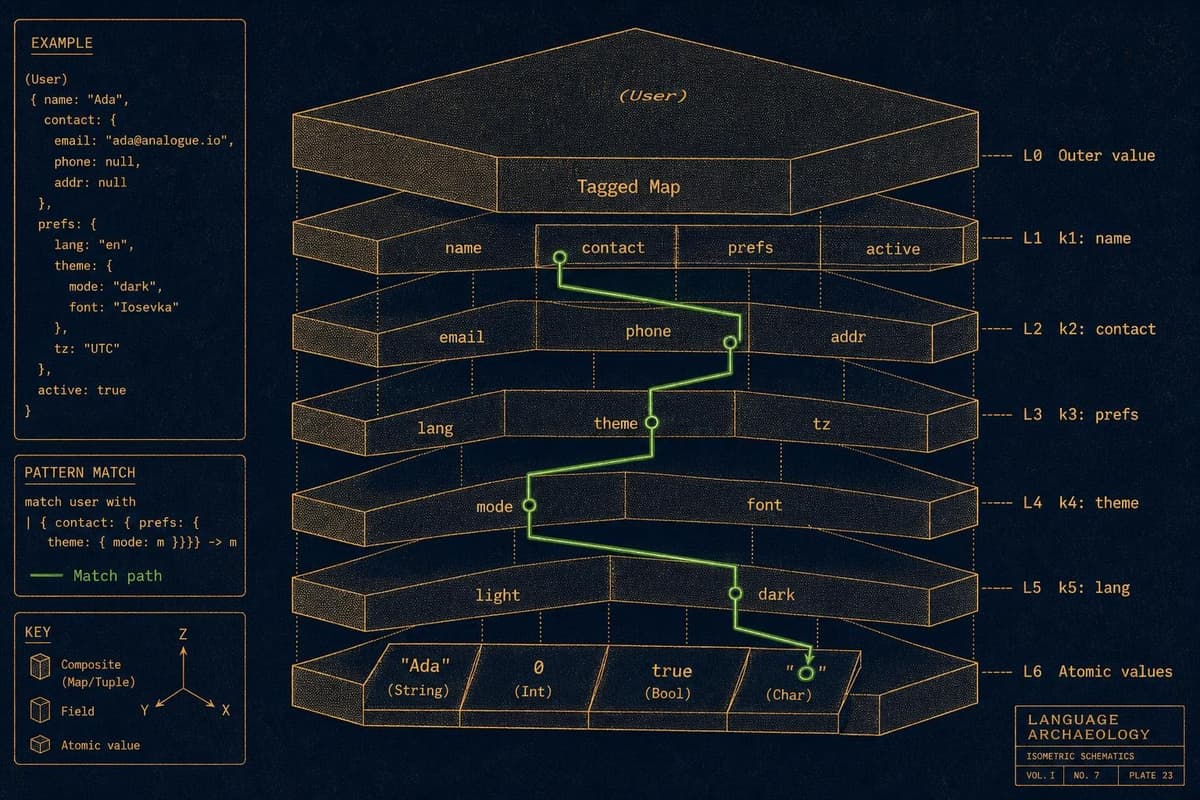
Lesson 21: What Elixir's approach to branching reveals about how we think about data --- Most programmers learn control flow as a sequence of questions: Is this value equal to X? I…
Lesson 20: What Rust's compile-time resource model teaches every programmer, regardless of language --- Most programmers encounter Rust's ownership system and immediately frame it…
Lesson 18: What the BEAM's design philosophy actually promises — and where it stops --- When WhatsApp was acquired by Facebook in 2014, the number that made engineers sit up wasn't…
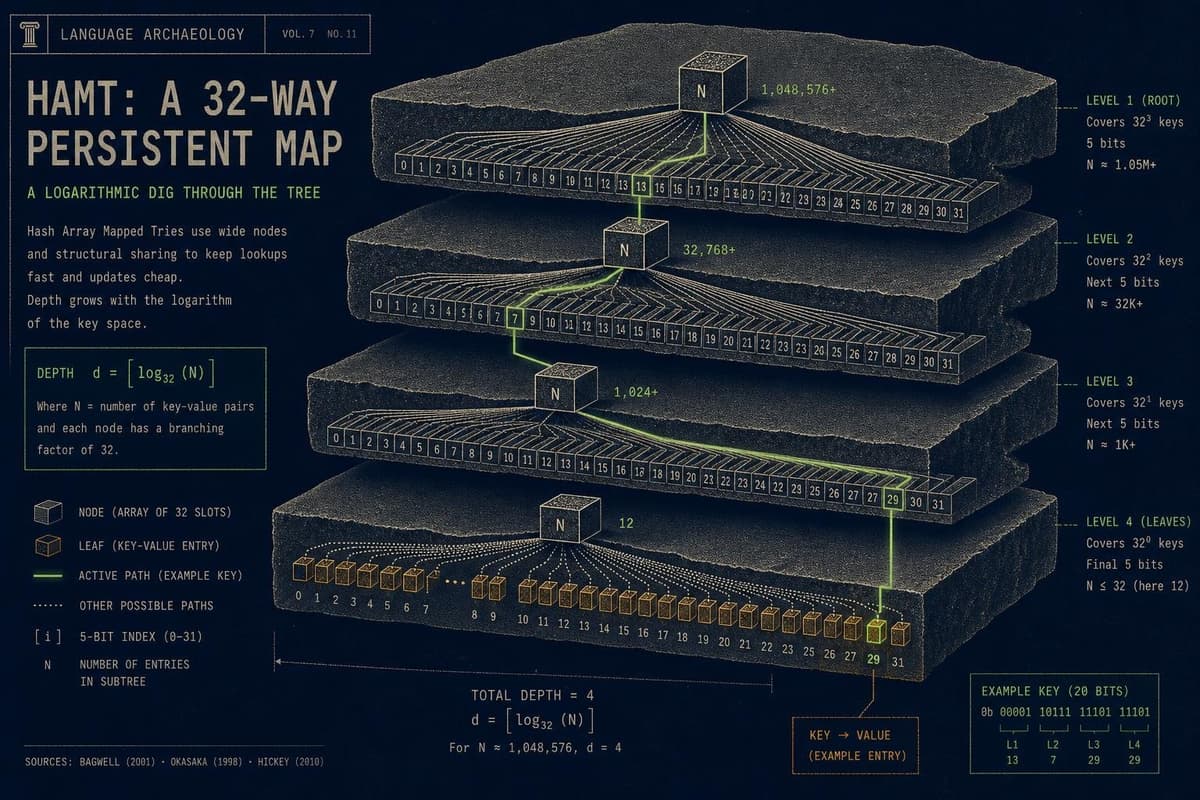
Lesson 18: What the HAMT debate reveals about the gap between design philosophy and performance reality --- When I wrote about immutability in Clojure last month, I focused on the…
Lesson 17: Why pure functional programming is a design philosophy, not a restriction --- There's a moment in Simon Peyton Jones's recent interview on The Developing Dev where he ex…
Lesson 16: What Rust's ownership model reveals about the hidden cost of "letting the runtime handle it" --- A note before we start: I covered Rust's borrow checker in Lesson 13 fro…
Lesson 15: What Erlang's actor model teaches us about building systems that expect to fail --- A telephone switch that handles 30–40 million calls per week cannot afford a maintena…
Lesson 14: What Clojure's persistent data structures reveal about the nature of change --- There's a moment every developer hits when working with shared mutable state: you're debu…
Lesson 13: What Rust's ownership system reveals about the cost of trusting programmers --- There's a number that keeps appearing in conversations about memory safety, and it's wort…
Lesson 12: What Homoiconicity Teaches Every Programmer --- There's a moment that happens to almost every programmer who first encounters Lisp. They see something like (+ a ( b c))…
Lesson 12: When the Language Is the Architecture --- Most distributed systems frameworks start with a lie: that you can make a network of machines behave like a single machine, if…
Lesson 11: What a 1970s Government Contract Teaches About Modern Language Design --- The United States Department of Defense surveyed its own software in the early 1970s and found…
Lesson 10: What Embedding Philosophy Teaches About Language Design for Hostile Environments There's a design principle hiding inside Lua that most programmers walk right past. They…