


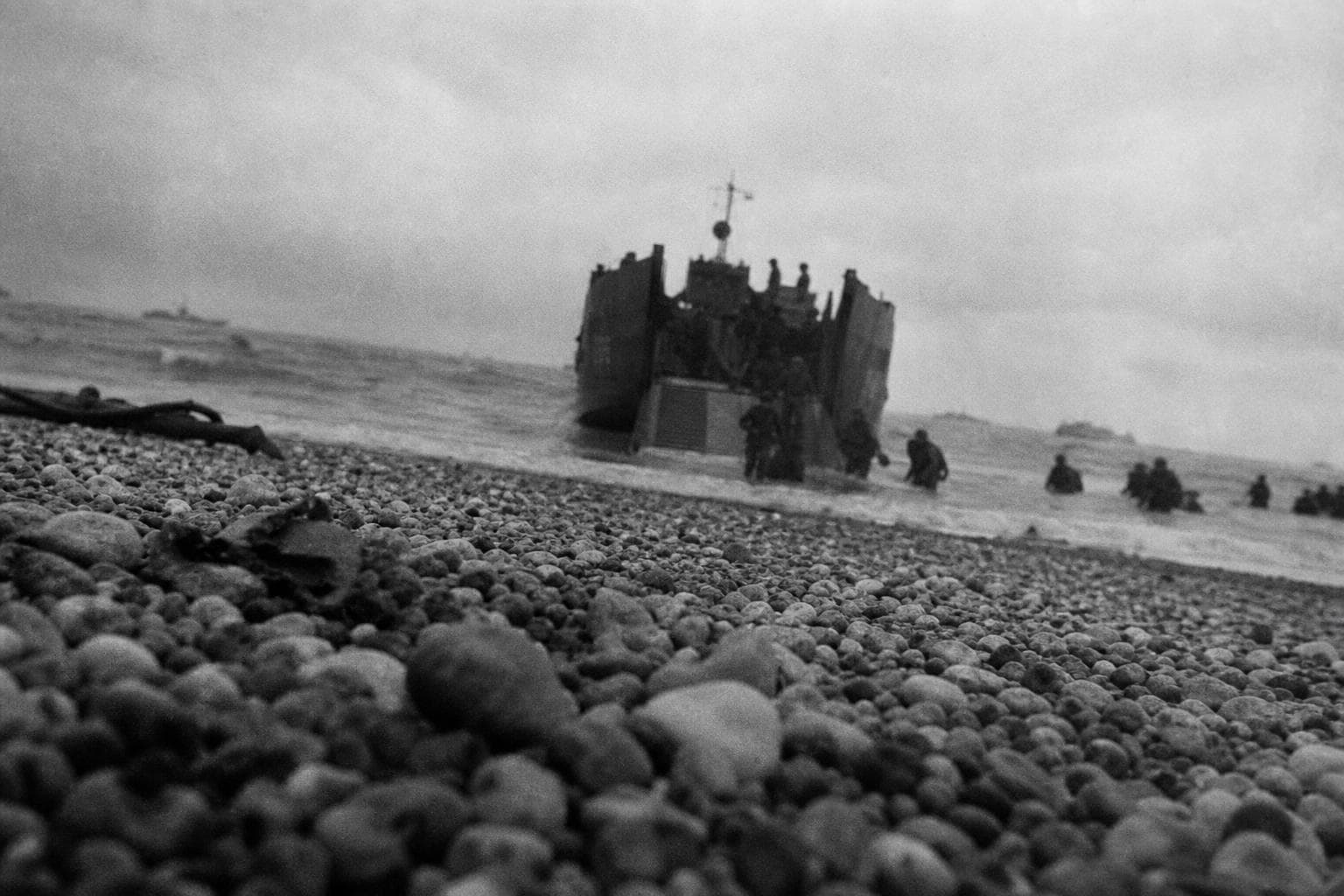

The medical officer of Les Fusiliers Mont-Royal was killed almost as soon as he landed. Of the 17 officers and 117 other ranks of the Royal Canadian Army Medical Corps who sailed toward the French coast on August 19, 1942, only seven officers and 21 other ranks ever made it ashore. The rest watched from craft two to three miles out. Of those who did land, 24 became casualties. One officer and three other ranks returned to England unscathed.
That accounting — drawn from the Official History of the Canadian Medical Services, 1939–1945 compiled by Lieutenant-Colonel W.R. Feasby — is not the Dieppe most people know. The popular version centers on the tactical catastrophe: tanks that couldn't cross the shingle, infantry cut down in the open, a frontal assault against a defended port that any competent staff officer should have recognized as suicidal. The intelligence failure is usually framed as a failure to gather information. The harder truth is that it was partly a failure to act on information that existed.
The Planners Knew the Beach Was Wrong
The shingle at Dieppe — loose, fist-sized stones — was not a secret. Aerial reconnaissance and pre-war tourist photographs both documented it. The problem wasn't that the beach's composition was unknown; it was that the operational plan was built around the assumption that tanks could cross it anyway. When that assumption proved catastrophically wrong on August 19, it wasn't a surprise sprung by the enemy. It was a risk the planning process had absorbed and then papered over.
This is the structural pattern that recurs in amphibious disasters: not pure ignorance, but the subordination of inconvenient intelligence to operational optimism. The intelligence picture at Dieppe was thin in some areas — German defensive improvements in the weeks before the raid were not fully captured — but the foundational terrain problem was knowable and known. What the planning process failed to do was treat that knowledge as a constraint rather than an obstacle to be managed by confidence.
The distinction matters because it changes what lesson you draw. If Dieppe failed because of missing intelligence, the fix is better collection. If it failed because existing intelligence was discounted, the fix is institutional — how command cultures handle information that complicates preferred courses of action.
What the Medical Record Reveals About Command Assumptions
The Feasby history reveals something else: the medical planning for Dieppe was built on assumptions about casualty rates and evacuation timelines that bore no relationship to what a contested beach landing against prepared defenses would actually produce. The corps that went ashore had entered the war with 40 permanent medical officers, obsolete equipment, and a formal assessment from its own directorate that Canada could not medically support any force larger than a brigade. By August 1942, it had expanded — but the planning assumptions embedded in the Dieppe operation did not account for the scale of loss a failed assault would generate.
This is what operational optimism looks like from the medical side: casualty estimates calibrated to a raid that succeeds, not one that collapses in the first hour. The men left offshore watching weren't there by accident. The plan had placed them with tank reserves that never committed to the battle — a contingency structure that assumed the initial assault would create conditions for exploitation, not that it would be over before those reserves could be useful.
The Institutional Question That Outlasts the Tactical One
Historians continue to argue about Dieppe's specific intelligence failures — what was known about German reinforcements, whether the raid's security had been compromised before it launched, how much the cancellation and restart of an earlier version of the operation (Operation Rutter) degraded whatever surprise remained. These are genuine contested questions, and the evidence is still not fully resolved.
But the more durable problem is the one the medical record surfaces: a planning process that treated the operation's success as a baseline assumption rather than a probability to be stress-tested. Intelligence failures in that environment aren't primarily about missing information. They're about what a command culture is willing to hear.
The beach at Dieppe was always going to be what it was. The tanks were always going to bog down in the shingle. Someone in the planning chain had access to that information. The question worth sitting with — the one that applies well beyond August 1942 — is what it takes for an institution to act on what it already knows when acting on it means abandoning the plan.
The casualty figures cited here draw from the Official History of the Canadian Medical Services, 1939–1945, Volume One, as reproduced in secondary analysis. Historians continue to debate the total Canadian losses at Dieppe; figures vary by methodology and source, and official counts should not be treated as interchangeable with estimates.