


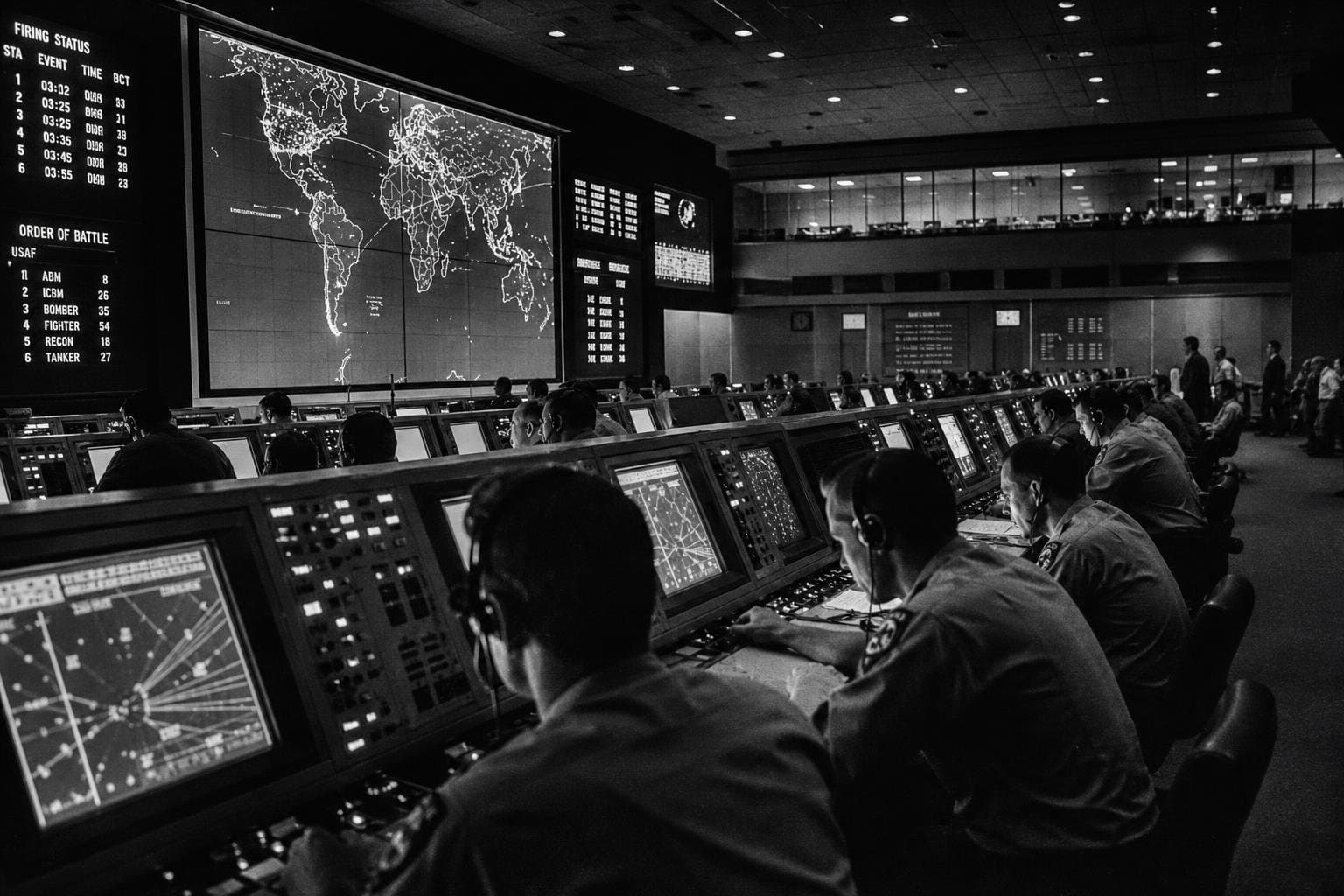

The pattern is almost boring by now. Precise strikes, impressive kill chains, technological adaptation that would have seemed like science fiction to a Vietnam-era planner — and then, somehow, the strategic situation is worse than when the shooting started.
War on the Rocks published a piece this week — timed to the approaching 25th anniversary of September 11 and the five-year mark of the Afghanistan withdrawal — that puts the diagnosis plainly: the United States is extraordinarily good at tactical and technological military adaptation, and that competence has become a trap. The fixation on lethality, on physical systems, on the measurable outputs of kinetic operations, consistently blinds American strategic culture to what those outputs actually produce at the political level.
The author draws a direct line from Afghanistan to the current campaign against Iran: well over 10,000 military strikes, by that account, that have inflicted real tactical damage while leaving Iran in control of the Strait of Hormuz and the United States searching for an exit. The tactical ledger looks impressive. The strategic ledger does not.
The Institutional Problem Is Older Than the 9/11 Wars
What makes this worth sitting with, from a military history standpoint, is how recognizable the pathology is. The French army in 1940 had a command system that couldn't process bad news fast enough to respond — a structural failure, not a failure of individual courage or intelligence. MacArthur's headquarters in late 1950 built a command culture that made ignoring Chinese signals almost inevitable. The problem in each case wasn't that the people involved were stupid. It was that the institution selected for certain kinds of information and filtered out others.
The argument being made about American strategic culture is structurally identical: the institution selects for tactical metrics — strikes executed, targets destroyed, technologies fielded — because those are measurable, reportable, and politically legible. Strategic outcomes in resilient human networks are none of those things. So the institution keeps optimizing for what it can count.
The honest question for anyone studying 20th-century military history is whether this is correctable through reform, or whether it's load-bearing. Every major power that has tried to substitute tactical excellence for strategic coherence has eventually paid for it. The bill just arrives on different timelines.
The 25th anniversary of September 11 will generate a great deal of reflection. Whether any of it reaches the institutional level — doctrine, resource allocation, the actual incentive structures of military careers — is a different question entirely, and the historical record on that front is not encouraging.