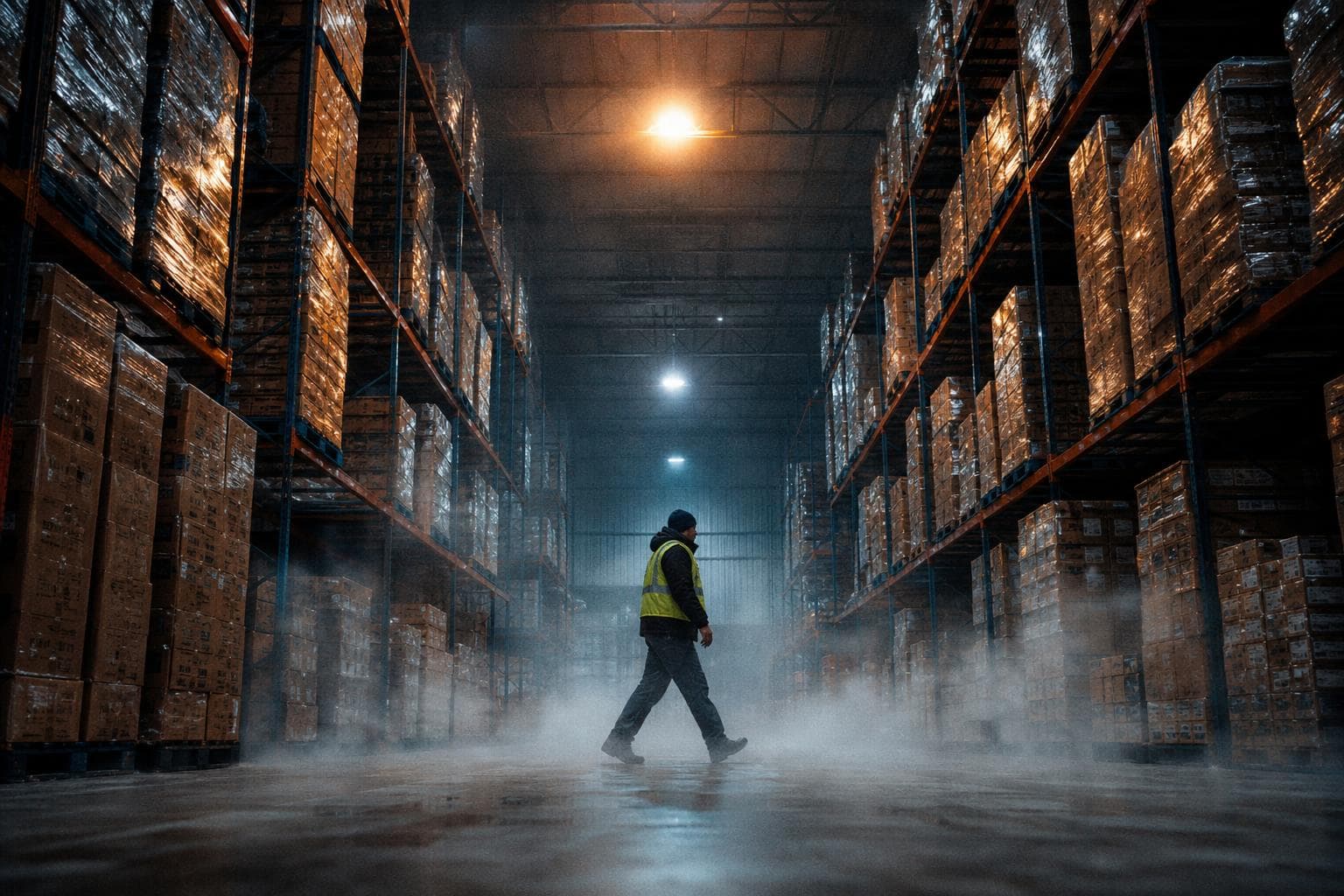

There's a category of supply chain constraint that doesn't show up in port dwell times or container spot rates. It doesn't generate headlines until a product disappears from a shelf. Cold storage capacity is that kind of constraint — invisible until it isn't, and by the time it isn't, the damage is already priced in.
The USDA's April 24 cold storage report offers a useful data point: total natural cheese stocks in refrigerated warehouses on March 31, 2026 were up 1 percent from the previous month. That's a modest number, but it's directionally significant. When refrigerated warehouse stocks are building — even incrementally — it means product is moving into cold storage faster than it's moving out. In a system with limited physical capacity, that gap compounds.
The Constraint Nobody Budgeted For
Cold storage isn't elastic. You can't spin up a refrigerated warehouse the way you can add a truck to a lane or open a new fulfillment center. Construction timelines run 18 to 24 months minimum. Refrigeration infrastructure requires specialized contractors, specific power infrastructure, and regulatory compliance that dry warehousing doesn't. The capital cost per square foot is substantially higher.
What this means operationally: when demand for cold storage rises — whether from import surges, domestic production buildups, or seasonal patterns — the system has almost no short-term release valve. Utilization climbs, rates follow, and the cost lands on whoever has the least negotiating leverage. That's typically midsize food producers and regional distributors, not the large retailers who locked in long-term agreements years ago.
The pattern I'd watch here isn't the cheese stocks number in isolation. It's what it signals about the broader refrigerated warehouse utilization picture heading into summer, when produce volumes peak and cold storage demand from multiple categories converges simultaneously.
Where the Pressure Transfers
When cold storage fills, the pressure doesn't disappear — it transfers. Reefer trucking absorbs some of it, as shippers use temperature-controlled trailers as rolling warehouses to buy time. That's expensive and operationally inefficient, but it's a real workaround that procurement teams use. The Journal of Commerce's trucking coverage notes that refrigerated trucking is a distinct segment with its own capacity dynamics — and right now, the broader truckload market is already seeing rate momentum building from tightening capacity, per Covenant Logistics' recent outlook. Reefer capacity tightens faster than dry van when demand spikes, because the equipment pool is smaller and driver requirements are more specialized.
The second transfer point is landside infrastructure. As the Journal of Commerce has reported, landside bottlenecks are already the next major chokepoint in container shipping — and refrigerated containers (reefer boxes) require powered plug-in positions at terminals and inland facilities. When cold storage is tight and reefer trucking is stretched, reefer containers start dwelling longer at ports and rail ramps, consuming powered positions and creating congestion that affects the broader terminal operation.
This is the cascade that makes cold storage constraints systemically important: it's not just a food industry problem. It backs up into port operations, rail capacity, and trucking rates in ways that affect shippers across categories.
Signals
Watch: USDA releases its next cold storage report in late May. The March-to-April movement in refrigerated warehouse stocks — particularly for butter, frozen poultry, and pork — will indicate whether the current buildup is seasonal or structural.
Watch: Reefer spot rates on lanes serving major produce corridors (California Central Valley outbound, Florida outbound) as summer harvest volumes begin moving in late May and June. If reefer spot premiums over dry van widen beyond seasonal norms, it confirms cold storage is absorbing the overflow.
Watch: Annual Roadcheck inspection blitz — flagged in JOC's trucking coverage as likely to tighten capacity and boost rates, particularly in agriculture-dominant states. For reefer operators, a compliance-driven capacity pullback during peak produce season is a compounding problem, not just a temporary one.
The Actionable Read
If you're in food procurement or cold chain logistics, the time to negotiate refrigerated warehouse agreements is before utilization peaks — not after. The structural constraint here is physical: there is no new cold storage coming online fast enough to absorb a demand surge this summer. Contracts signed now, even at rates that feel elevated, will look reasonable by August if the seasonal pattern holds and the broader trucking market continues tightening. The alternative is spot reefer rates and whatever warehouse space is left, priced accordingly.
The constraint is real. The calendar is not on your side.


