



Day 29 until kickoff
Mexico dropped their preliminary squad list on May 12 — and the sheer size of it tells you everything about where El Tri stands right now. According to ESPN, the provisional roster runs six goalkeepers deep and stretches across Liga MX stalwarts and European-based players alike: Edson Álvarez at Fenerbahçe, Julián Araujo at Celtic, Obed Vargas at Atlético de Madrid. The bones of a competitive squad are there. Whether Javier Aguirre can carve 26 names from that list by June 1 — and whether the right 26 survive the fitness gauntlet — is the question that will define Mexico's tournament before a ball is kicked.
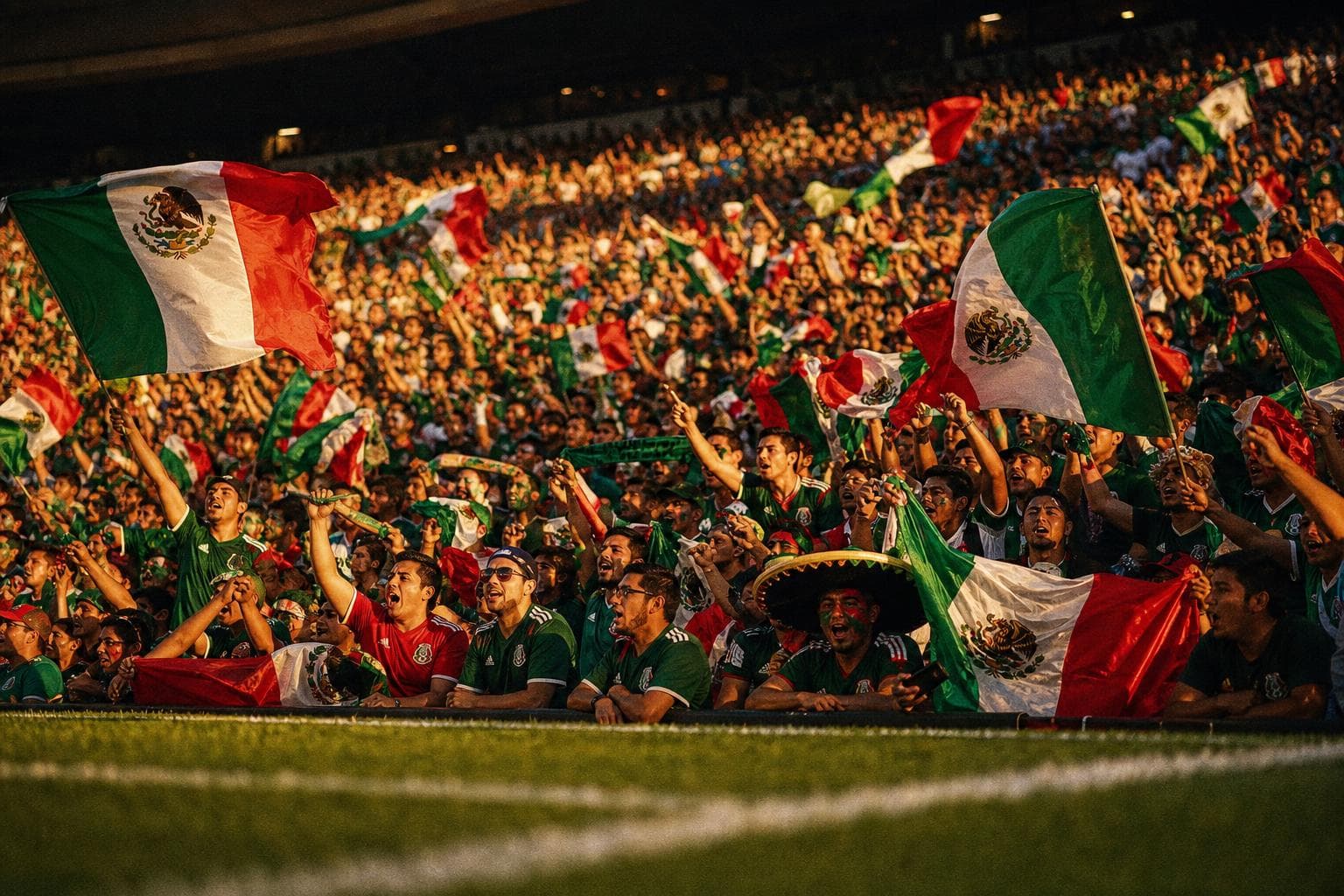
The stakes are unusually high for the hosts. Mexico opens the entire World Cup on June 11 against South Africa at the Estadio Azteca in Mexico City, per BBC Sport — the first match of a 48-team, 104-game tournament that spans three countries and 39 days. That's not just a home opener. That's the global curtain-raiser. No pressure.
The USMNT's June 2 Moment Is the One to Watch
The United States hasn't released its preliminary list publicly — ESPN's squad tracker confirms provisional rosters were due to FIFA by May 11, but federations weren't required to publish them. The final 26-man squad gets submitted June 1 and officially announced June 2. That's the date circled in red for USMNT fans.
Mauricio Pochettino's selections will be scrutinized like few American rosters before them — partly because of the home-tournament pressure, partly because the injury situation among key players has been genuinely unsettling heading into the final weeks. The US lands in Group D alongside Paraguay, Australia, and Türkiye. Winnable on paper. Dangerous if the squad arrives depleted.
Canada Is Already There
Of the three hosts, Canada is the one that feels most quietly ready. Their stadiums — Toronto and Vancouver — have cleared their final preparation benchmarks, and the team itself lands in what looks like a navigable Group B: Bosnia-Herzegovina, Qatar, and Switzerland. No gimmes, but no Argentina either.
The Canadian squad announcement is still pending, but the infrastructure story is essentially told. The more interesting Canadian angle now is cultural: this is the first World Cup on Canadian soil, full stop, and the country is still figuring out what that means for a nation where soccer has historically played second fiddle to hockey. The answer, based on ticket demand and fan zone planning in both cities, seems to be: a lot more than anyone expected.
Mexico's Kit Is Already Doing Work
On the jersey front, ESPN's kit rankings note that Mexico's 2026 primary kit draws directly from the elaborate Aztec design worn at the 1998 World Cup in France — one of the most celebrated kits in tournament history. It's a smart move. When you're hosting the opening match of the biggest World Cup ever staged, wearing something that connects to a golden era of Mexican football isn't nostalgia. It's a statement.
The kit will be on the Azteca pitch in 29 days. The players wearing it still need to be named.
Countdown Corner
The 2026 World Cup will be played across 16 cities — 11 in the United States, 3 in Mexico, and 2 in Canada — making it the first tournament ever contested across three nations simultaneously. The farthest two host venues are roughly 2,800 miles apart, according to BBC Sport. For context: that's farther than the distance from London to Tehran. One tournament. One trophy. Continent-sized logistics. June 2 — when final squads drop — is the next real checkpoint. Mark it.