



Day 28 until kickoff
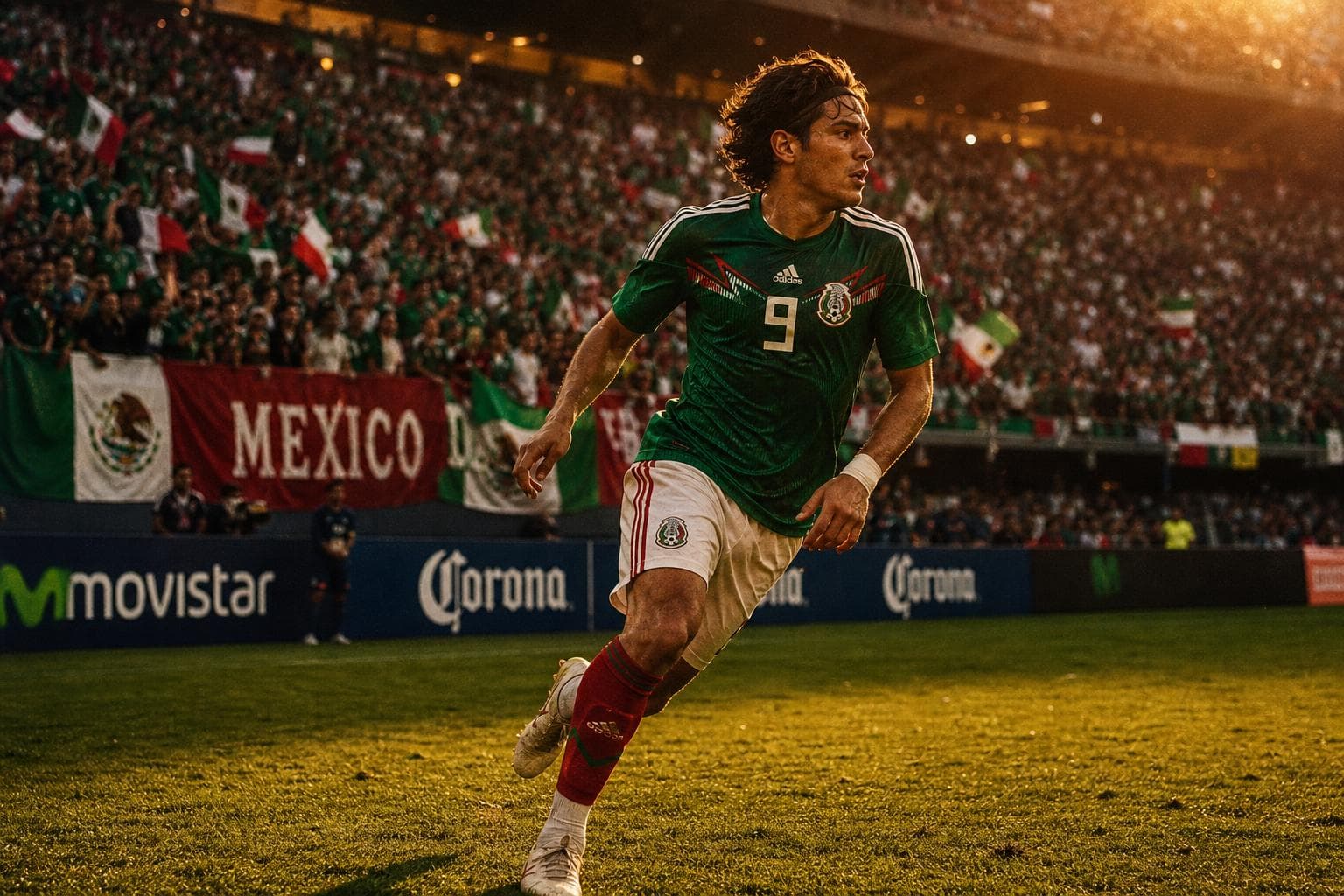
Four weeks from today, Mexico walks out at Estadio Azteca to open the 2026 FIFA World Cup. The confetti is ordered. The jerseys are printed. The squads are almost set. And yet, for the three host nations, the final stretch feels less like a victory lap and more like a controlled sprint through a minefield.
Mexico's Roster Is a 55-Man Argument
Mexico's preliminary squad — announced earlier this week and tracked by Olympics.com — is a sprawling 55-name list that reads like a federation trying to hedge every bet simultaneously. Guillermo Ochoa is in there, which is either a sentimental nod to a legend or a genuine competition for the third goalkeeper spot, depending on who you ask. Obed Vargas, the 20-year-old midfielder who made the jump to Atlético de Madrid, is included alongside veterans like Edson Álvarez and Álvaro Fidalgo. The final 26 won't be confirmed by FIFA until June 2, per the official timeline — which means El Tri's coaching staff has roughly two more weeks to make some genuinely difficult calls.
The interesting tension: Mexico is in Group A, which means they open the tournament at home, in front of their own fans, under maximum pressure. That's not a gift — it's a gauntlet. The squad selection isn't just a tactical decision; it's a statement about what kind of team Mexico wants to be seen as in front of the world.
The Immigration Variable Nobody Has Solved
Here's the story that keeps getting buried under jersey drops and stadium renders: international fans traveling to a tournament co-hosted by the United States are navigating a visa and entry environment that has grown considerably more complicated over the past year. Supporters from dozens of nations — including many whose teams have qualified — face heightened scrutiny at US ports of entry. FIFA and US authorities have worked on streamlined protocols, but as of this writing, no comprehensive public framework has been confirmed that would give fans the same confidence as, say, a Euro or a Copa América on a single-nation host.
This matters for the host cities. MetLife, AT&T Stadium, SoFi — these venues are built for massive crowds. If international fan travel is suppressed by logistical anxiety, the atmosphere in the stands becomes a domestic-heavy affair. That changes the tournament's feel in ways that don't show up in any official press release.
Player Spotlight: Obed Vargas, the American-Born Mexican Who Chose El Tri
Worth pausing on Vargas specifically. Born in Washington state, developed in the Seattle Sounders academy, now at Atlético de Madrid at 20 years old — his inclusion in Mexico's preliminary list is the kind of dual-identity story that makes the CONCACAF region so narratively rich. He was eligible for the USMNT. He chose Mexico. And now he's potentially going to play a World Cup on American soil, in front of fans who might have been cheering for him in a different shirt. That's not a footnote. That's the World Cup in miniature — identity, geography, and football colliding in one player's career arc.