



This Week in Voltage
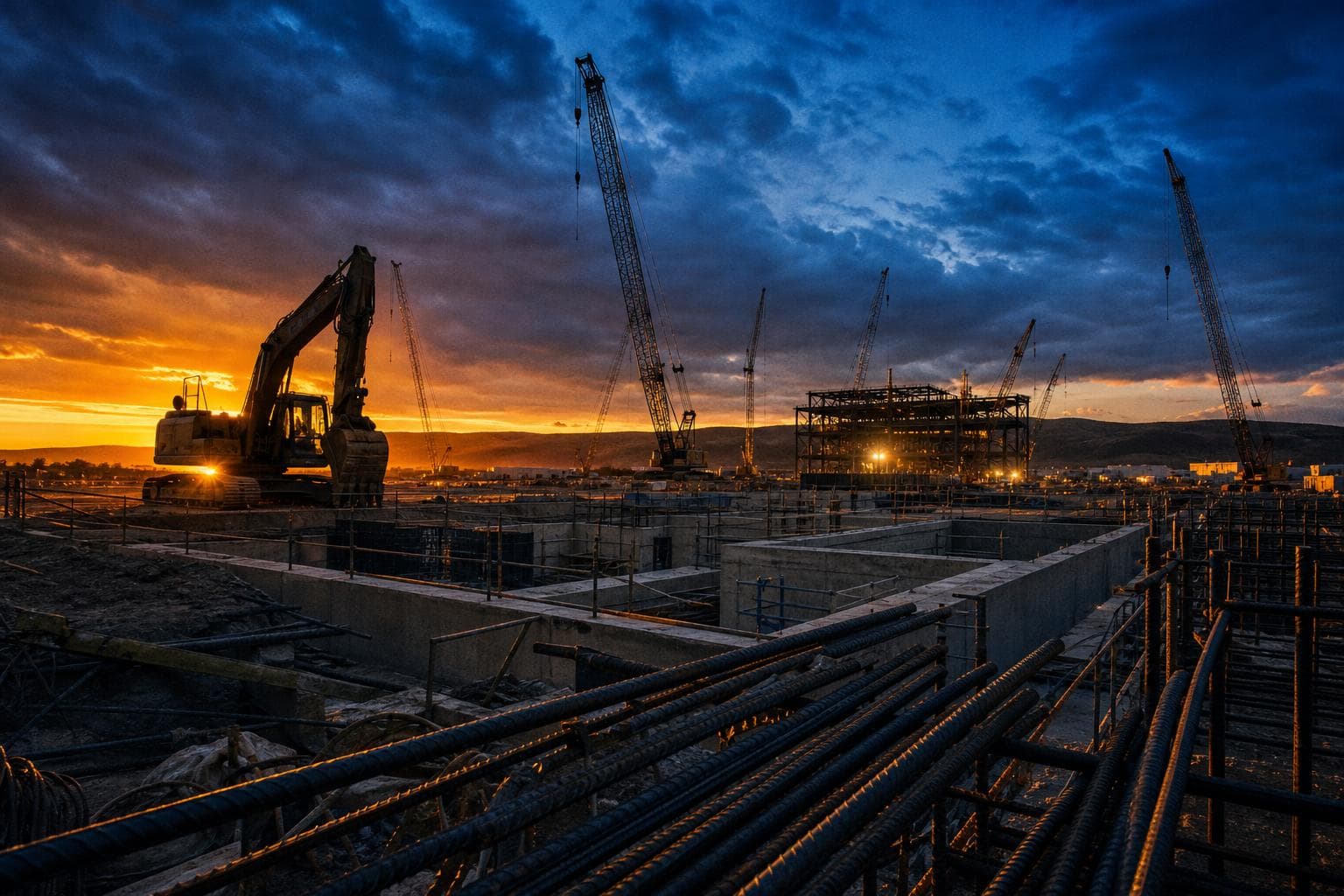
The NRC issued TerraPower's construction permit ahead of its previously expected September 2026 timeline — and full construction on the 345-MW Natrium reactor in Kemmerer, Wyoming is now underway. ENR reports the $4 billion project, backed by roughly $2 billion in federal DOE funding, is the first utility-scale advanced reactor build in the United States. The sodium-cooled fast reactor can surge to 500 MW during peak demand. If it hits its 2031 target, it powers roughly 400,000 homes — and more importantly, it proves the commercial blueprint for a fleet.
The Grid Is Already Paying the Price for Waiting
Here's the uncomfortable counterpoint to the nuclear optimism: the demand wave isn't waiting for 2031. Utility Dive reports that PJM — the grid operator covering 65 million people across the mid-Atlantic and Midwest — has seen capacity costs surge nearly 300% in a single year, congestion costs rise almost 80%, and total system costs climb over 50%. The culprit is the AI data center buildout hitting a grid that wasn't built for it.
The IEA projects U.S. data centers will need roughly 130% more energy by 2030. Meanwhile, the EIA projects 80 GW of new solar, wind, and storage capacity coming online by early 2027 — a 75% acceleration over the prior 12-month period. That's real. Battery storage alone is projected to surge 51%. The buildout is happening.
But intermittent capacity and dispatchable baseload are not the same thing, and PJM's cost explosion is what happens when you discover that gap under live load conditions.
By the Numbers
- 345 MW baseload / 500 MW peak: Natrium's output range
- ~300%: PJM capacity cost increase in one year
- 80 GW: projected new U.S. renewable + storage additions through early 2027
- 130%: IEA's projected increase in U.S. data center energy demand by 2030
What We're Fighting For
The Kemmerer permit arriving early is the kind of signal that rewrites timelines. Watch for TerraPower's next site announcements — Levesque has been explicit that Kemmerer is a commercial blueprint, not a one-off. The question isn't whether advanced nuclear works. It's whether we can replicate it fast enough to close the gap before grid stress becomes grid crisis.
The future is electric. The bill is already here.