


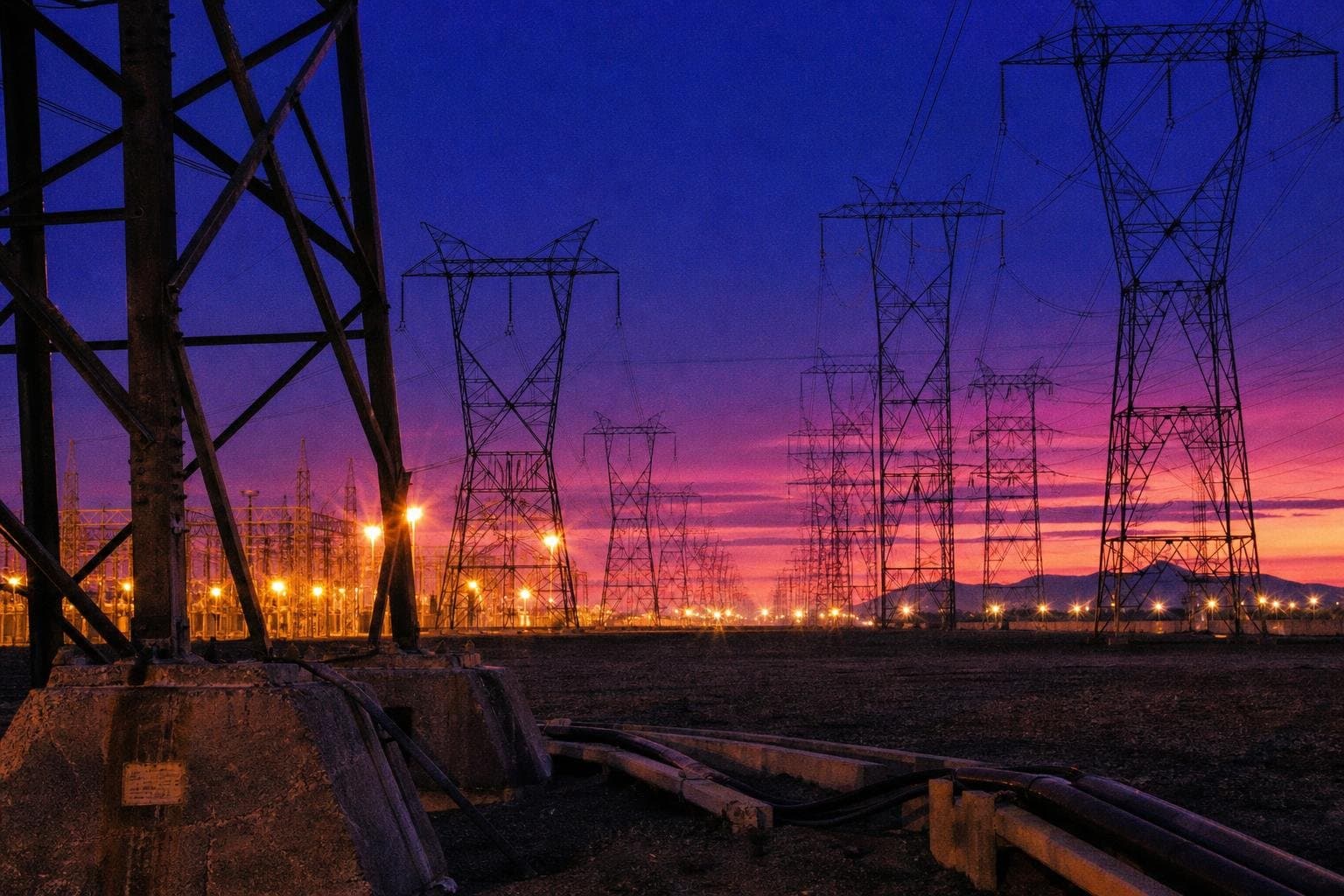

For forty years the assumption underneath global finance was that resources show up when you need them: just-in-time delivery, globalized supply chains, infinite elasticity. That assumption is now being buried in investment memos, not op-eds. A Reuters commentary this week argues the world has shifted from an "era of abundance" to an "era of scarcity," where structurally higher demand for energy, metals, and resources is colliding with years of underinvestment and fragile supply chains (Reuters). The headline number: the IEA projects global data center electricity demand will more than double by 2030 and roughly triple by 2035 versus 2024 levels (Reuters).
I've been saying this for months — scarcity thinking is a planning failure, not a law of physics. But the finance world catching up matters, because it means capital stops chasing "efficiency and optimization" and starts chasing addition: more transmission, more generation, more of everything, built as fast as permits allow. The piece frames this as an "energy addition" story rather than a clean substitution of renewables for fossil fuels — alternative energy market share is set to double, but it's layering on top of continued oil and gas demand, not replacing it outright.
Meanwhile the geopolitical backdrop keeps reminding everyone why diversified, abundant domestic generation beats dependence on volatile supply routes. Houthi strikes on Saudi oil infrastructure and rising tanker attacks near the Strait of Hormuz are pushing energy markets toward the view that disruption isn't temporary anymore (Reuters).
Scarcity mindsets ration the present. Addition mindsets build the future. Watch which one Wall Street actually funds.