



This Week in Voltage
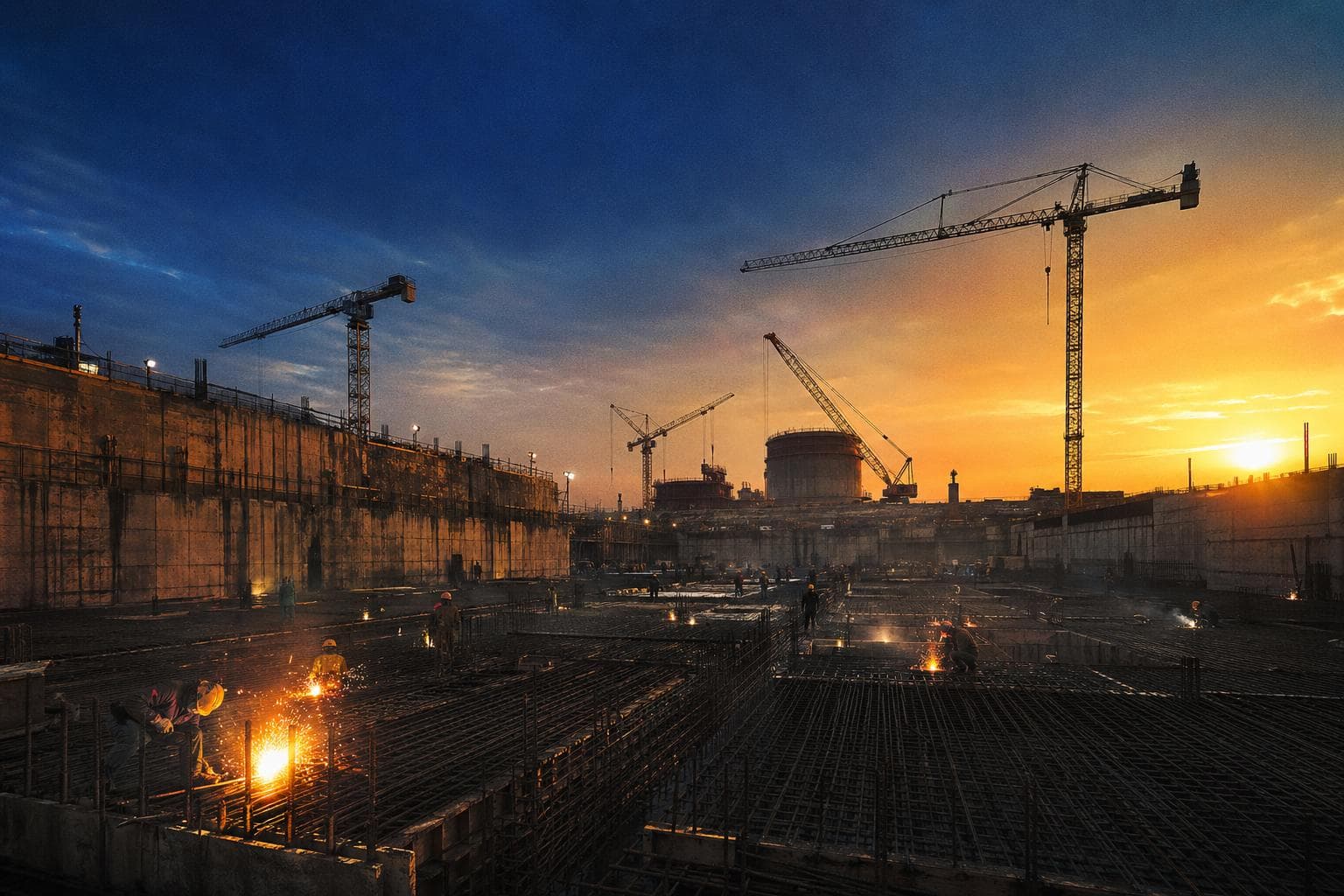
On April 23rd, TerraPower broke ground on Kemmerer Unit 1 in Wyoming — the first utility-scale advanced nuclear power plant in the United States. Not a rendering. Not a permit filing. Actual construction, on actual ground, on an actual Natrium reactor. CEO Chris Levesque called it "the moment our industry has been working toward for a generation." He's not wrong.
This is what we're fighting for. Not the announcement. The shovel.
The same week, Reuters reported that a new U.S. government initiative will provide low-cost financing to squeeze 5 additional gigawatts out of the existing nuclear fleet by 2029 — squeezing more electrons from plants already built while the next generation gets constructed. The Trump administration is also overhauling the NRC to accelerate regulatory approvals, targeting 400 GW of nuclear output by 2050. That's quadrupling current capacity. The ambition is real. The question is whether the construction pipeline can match it.
Deep Charge: The Renewable Surge Is Real — and It's Not Enough
Here's the number that should be on every grid investor's whiteboard: 80 GW of new solar, wind, and battery storage is projected to come online in the U.S. by February 2027, per fresh EIA data. Renewable capacity additions this cycle are running nearly 75% higher than the previous 12-month period. Battery storage alone is projected to surge 51%. Renewables will hit roughly 36.6% of total U.S. utility-scale generating capacity by early 2027.
I'll say it plainly: this is genuinely impressive. The buildout is accelerating faster than most forecasters predicted.
And it still won't be enough.
AI data centers are arriving faster than any capacity addition can absorb. Brookings flagged that AI-driven data center growth is driving electricity and water consumption increases worldwide — demand that is baseload, not peaky, not shiftable, not satisfied by a solar farm that goes dark at 6pm. Hyperscalers need electrons around the clock, every day, at industrial scale.
That's why Kemmerer matters beyond the symbolism. The Natrium plant is dispatchable. It runs when the grid needs it, not when the sun cooperates. If it becomes the commercial blueprint TerraPower says it will — a fleet of Natrium plants replicating this design across the country — then we're talking about the first credible answer to AI's baseload hunger that doesn't involve burning more gas.
By the Numbers
- 80 GW — projected new U.S. solar, wind, and storage capacity by February 2027 (EIA)
- 5 GW — additional nuclear output targeted from existing fleet by 2029 via new U.S. financing initiative (Reuters)
- 36.6% — projected renewable share of U.S. utility-scale generating capacity by early 2027, up from 33.4% (EIA)
- 400 GW — U.S. nuclear output target by 2050, roughly 4x current capacity (Reuters)
What We're Fighting For
Watch Kemmerer's construction timeline closely — TerraPower's ability to execute on schedule will determine whether advanced nuclear gets a second act or a second excuse. The next milestone to track: NRC approval progress on additional Natrium sites. The blueprint only matters if someone builds from it.
The future is electric. Now we need it to be dispatchable.