


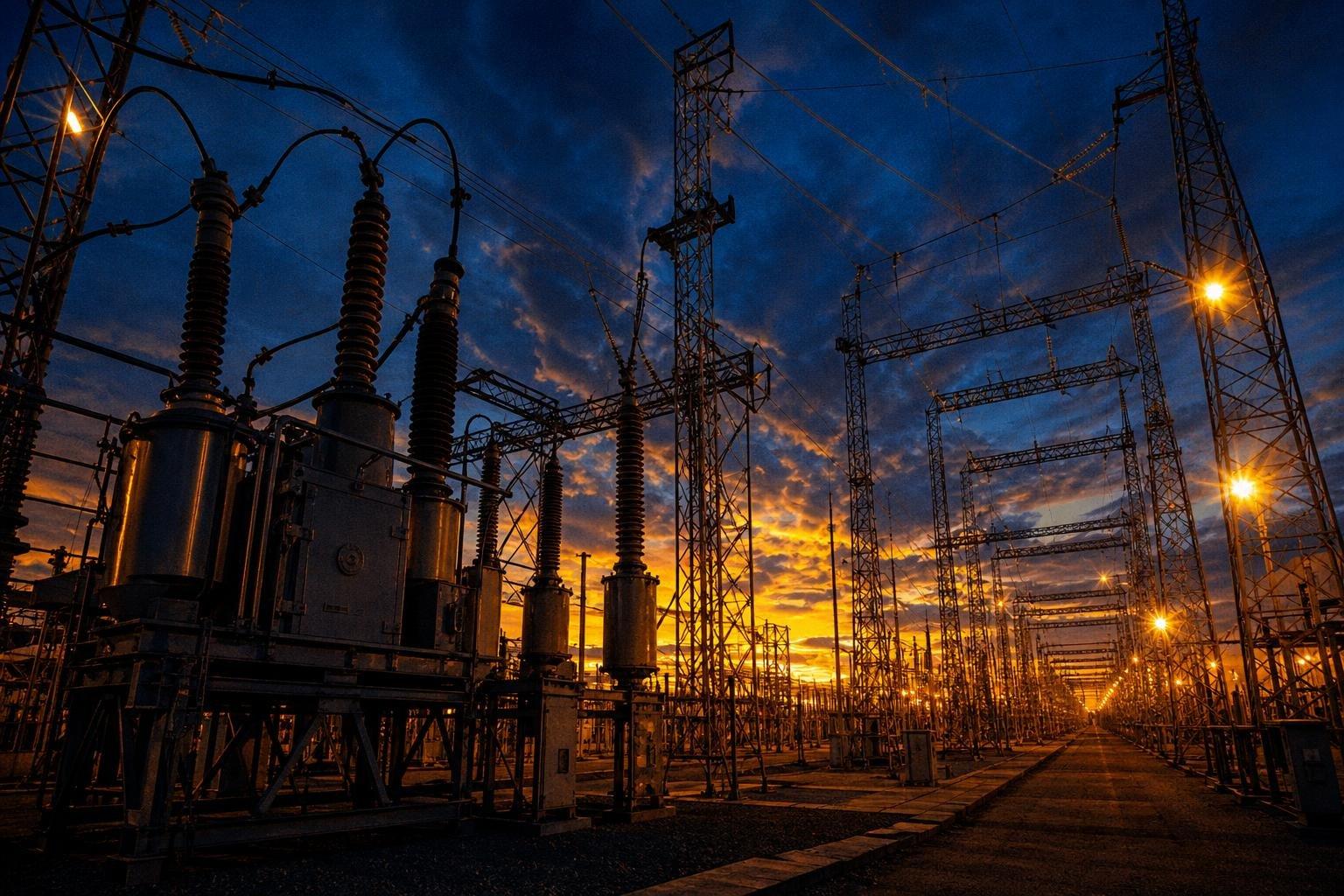

PJM filed its fast-track interconnection plan with FERC this week — a 1,067-page proposal that would cut data center and power plant study timelines from 24 months to 12 by running generation, transmission, and large-load reviews in parallel, according to Bloomberg. Reuters adds the number that matters most: PJM is sitting on a roughly 6.8 gigawatt supply shortfall across a grid serving 67 million Americans. The plan would also let states bill data center operators directly for the transmission upgrades they trigger, instead of socializing those costs across every ratepayer.
I wrote last week about the 12-month fix itself. What's worth sitting with now is the mirror image of that story, playing out one border south.
Bloomberg reports that Mexico has nearly everything a hyperscaler wants — proximity to US fiber routes, latency good enough to feel domestic, and a president actively courting the investment. What it doesn't have is a grid that can say yes fast enough. Permitting delays and an aging transmission system are pushing data center capital elsewhere, even as demand for exactly this kind of infrastructure accelerates.
That's the whole argument for electricity maximalism in one pairing. PJM's problem is success — too much demand, a legacy process too slow to meet it, and regulators now forced to redesign interconnection rules from scratch. Mexico's problem is the one that actually kills growth: capital that wants to come, locked out by a grid nobody built fast enough. One of these countries is going to have the compute. The other is going to read about it.
The IEA's new World Energy Outlook frames the next decade as one where global energy demand keeps climbing regardless of policy mood, driven by population growth and a larger global economy, per the IEA. Watch which governments treat interconnection speed as the actual industrial policy. PJM just did. Mexico's test comes next.