



This Week in Voltage
The TerraPower Natrium reactor in Kemmerer, Wyoming cleared another milestone this week, with the NRC formally docketing its construction permit application — the first Part 50-based review of a commercial non-light-water reactor in more than 40 years. Non-nuclear construction starts this summer. If the 345-megawatt plant comes online by 2031 as planned, it could power nearly half a million homes — and that's before Meta's agreements for additional reactors even enter the picture.
Meanwhile, PJM is weighing a market overhaul — and notably, American Bitcoin surfaced in that same Reuters dispatch as a named stakeholder in the conversation. The grid's biggest operator and one of crypto mining's largest players, in the same sentence. That's not a coincidence.
Deep Charge: Flexible Load Is the Feature, Not the Bug
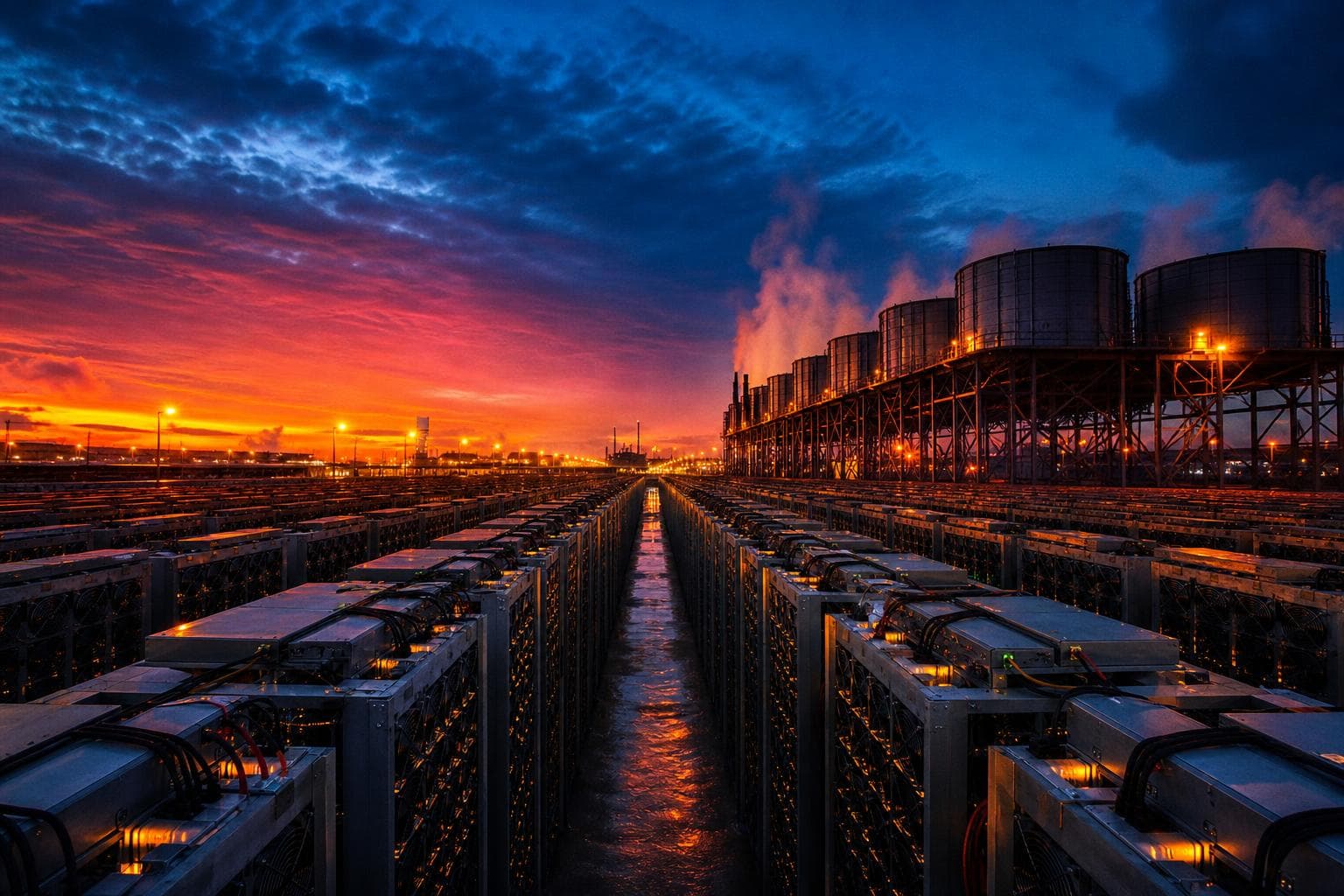
Here's the argument critics of Bitcoin mining always get backwards: they treat mining's electricity appetite as a problem to be solved. I'd argue it's infrastructure we should be building toward.
The Congressional Research Service estimated global Bitcoin network demand at roughly 12.3 GW in 2022 — more than 1% of U.S. generating capacity. That's a significant, dispatchable load. Mining rigs can be switched off in seconds. No other industrial consumer offers that kind of real-time flexibility at scale.
This matters enormously right now. U.S. power consumption has risen more in the last two years than over the previous 15 combined, and the grid is struggling to keep pace — residential electricity prices are up more than 40% since 2020 and still climbing. The problem isn't just supply; it's that demand is increasingly rigid. Data centers, EV charging, heat pumps — these loads don't negotiate with the grid.
Bitcoin miners do. They are, structurally, the grid's shock absorber. When supply tightens, they curtail. When renewables flood the zone at 2 a.m., they absorb. That's not a liability — that's exactly the kind of demand-side flexibility grid operators are desperate for as PJM considers its market redesign.
By the Numbers
- 12.3 GW — estimated global Bitcoin network power demand, 2022 (CBECI via CRS)
- +40% — U.S. residential electricity price increase since 2020
- 345 MW — Natrium reactor capacity; non-nuclear construction begins this summer
- 130% — projected increase in U.S. data center energy demand by 2030 (IEA, via NPR)
What We're Fighting For
The abundance thesis requires flexible demand, not just new supply.
Every gigawatt of curtailable Bitcoin mining load is a gigawatt of headroom that lets the grid absorb more renewables, stress-test its limits, and defer expensive peaker plants.
That's not a consolation prize — that's a civilizational tool.