



The milestone that matters most in nuclear isn't a permit or a groundbreaking. It's criticality — the moment a reactor sustains its own chain reaction. Antares Nuclear Inc. just hit it, becoming one of the first small modular reactors to reach that threshold through the DOE's Reactor Pilot Program. This is not a rendering. This is not an announcement. This is fission, happening, now.
That program — launched within weeks of President Trump's May 2025 executive orders — set a target of at least three reactor designs reaching criticality by July 4, 2026. Three projects have already secured a Final Documented Safety Analysis as of May 2026, and Antares just put the first actual criticality on the board. The clock is running.
The Fuel Side Is Finally Catching Up
A reactor that works is only as good as the fuel you can put in it. That's been the quiet chokepoint of the nuclear renaissance — and it's starting to crack open.
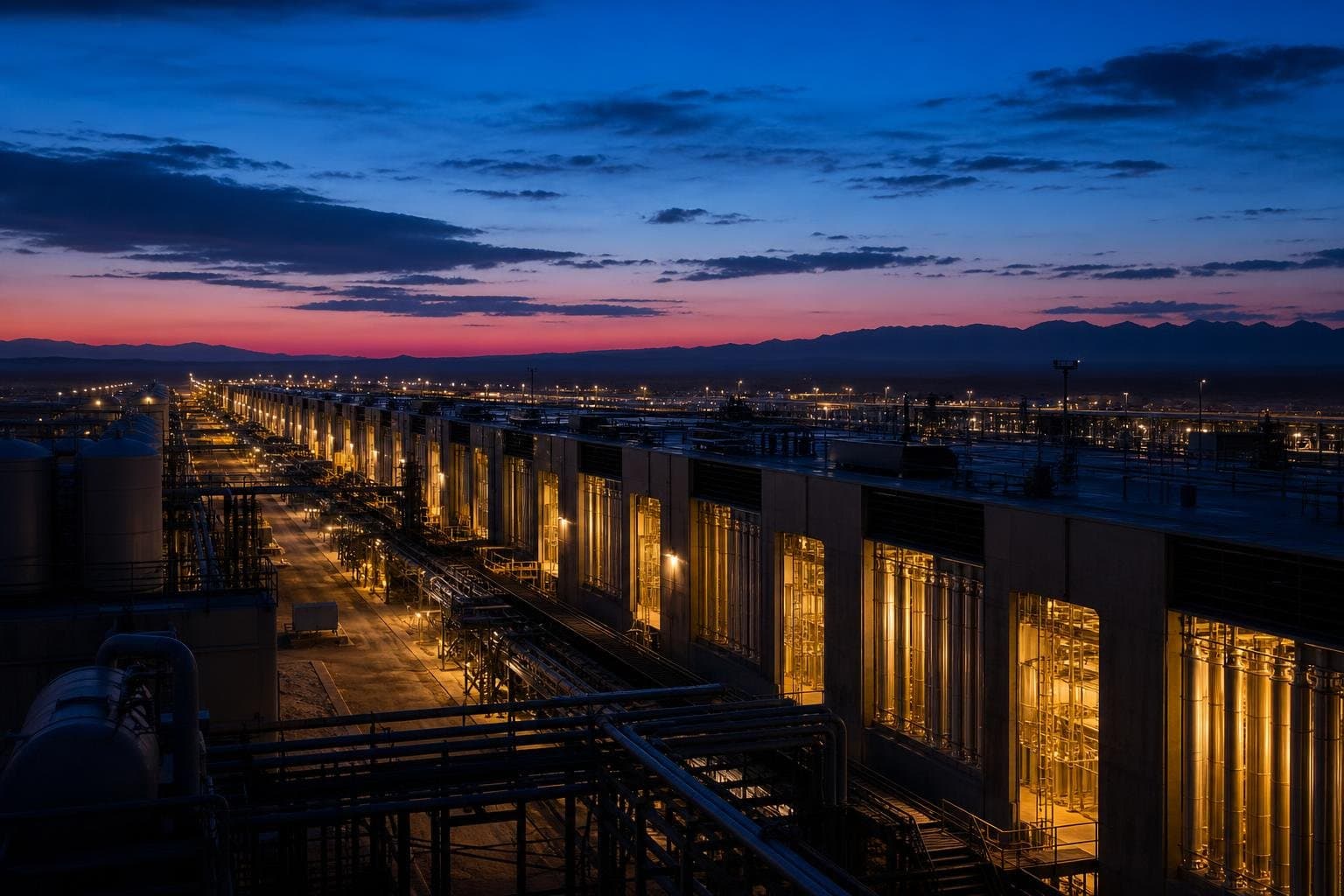
Urenco USA, the only commercial-scale nuclear fuel enricher in the country, announced plans to expand its Eunice, New Mexico facility by nearly 50% — a multibillion-dollar bet timed directly to the AI-driven electricity demand surge and the U.S. ban on Russian uranium. The expansion targets operational status in roughly six years, which is exactly when the first wave of new reactors will need fuel at scale.
This is what supply chain coordination looks like when it's working: reactor designs reaching criticality in 2026, fuel enrichment capacity coming online by the early 2030s, interconnection reform under active FERC review. The pieces are moving in sequence, not in isolation.
I've written before about the uranium fuel problem — the gap between the nuclear renaissance's ambitions and its supply chain reality. The Urenco expansion doesn't close that gap overnight, but it signals that private capital is now pricing in the demand. That's the market telling you the renaissance is real.
The civilizational argument for nuclear has always been simple: it's the only carbon-free baseload technology that can scale to the terawatt level. What's new is that the argument is now being made in enrichment contracts and criticality announcements, not just white papers. Watch for FERC's large-load interconnection ruling before the end of June — that's the next domino, and it determines how fast the reactors that are being built can actually reach customers.
The future is electric. The fuel is splitting.