
Kogonada spent the last few years inside a studio machine that didn't want what he was good at. This week, a micro-budget Hong Kong film he shot on the way back from that experience landed in select theaters. Meanwhile, the film a lot of critics are calling the year's best piece of direction — Sandra Wollner's Everytime — doesn't have a U.S. release date, a distributor announcement, or a theatrical slot anywhere in the sources I can see. Same week, same tier of critical acclaim, two completely different fates. That's not a coincidence worth shrugging off. It's the whole ecosystem in miniature.
Zi Is What Happens When a Director Gets Small on Purpose
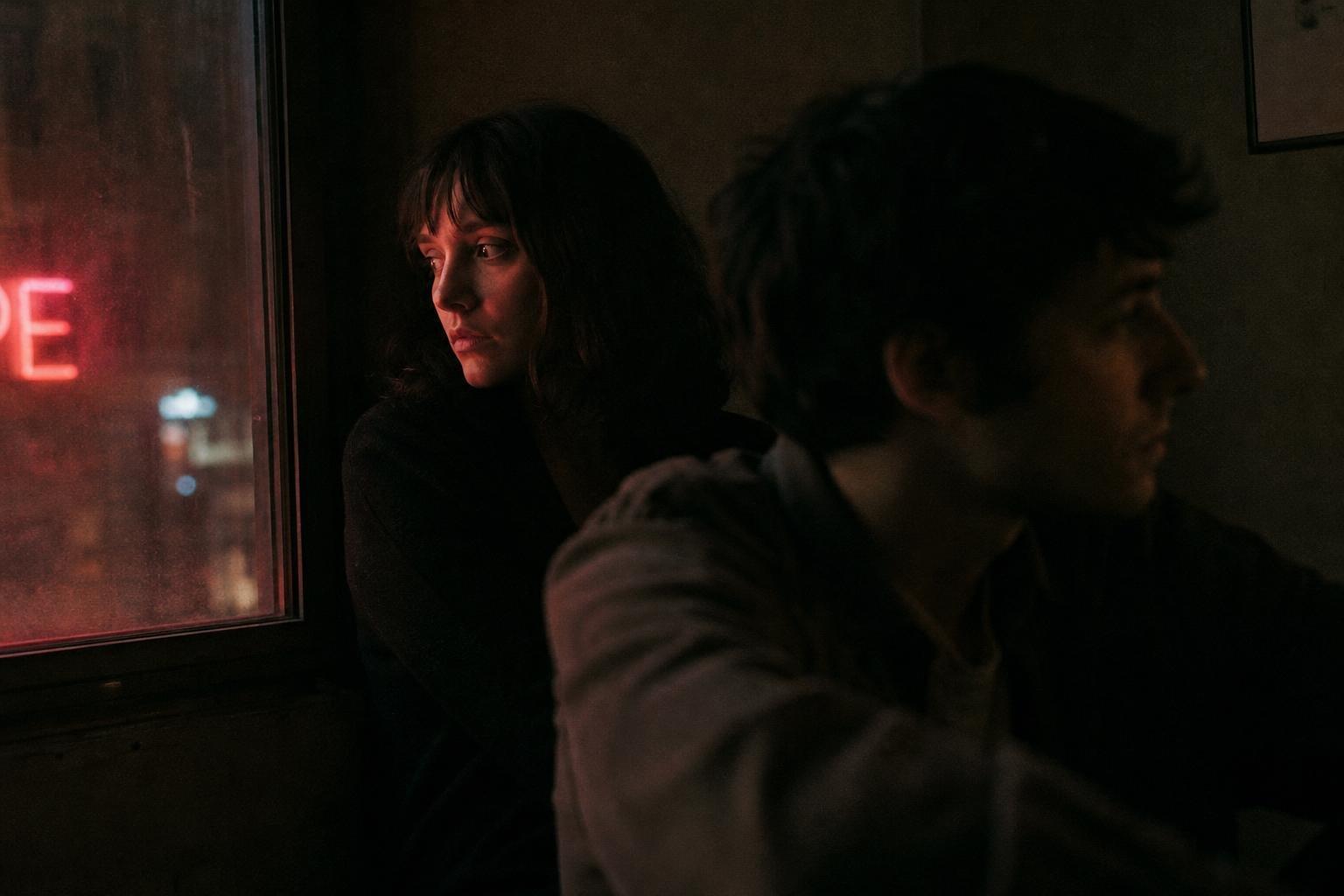
Kogonada's Zi premiered at Sundance in 2026 and Grasshopper Film is releasing it in select theaters starting Friday, November 6 — a limited release, not a wide one, and worth saying plainly rather than letting "opened this week" do vague work it hasn't earned. The film follows a Hong Kong violinist, Zi, played by Michelle Mao, who spends one long night with an American expat played by Haley Lu Richardson while waiting on test results for a possible brain tumor. IndieWire's review describes the film as assembled from "the half-formed memories of films like 'La Jetée' and 'Cléo from 5 to 7,'" which tells you Kogonada isn't trying to hide his influences — he's building the film openly out of them, the way Columbus built itself openly out of modernist architecture.
What's actually interesting here isn't the pedigree, it's the scale. This is explicitly described as a "microbudget" project, a deliberate retreat from the studio apparatus after what the review calls an "ill-received foray into studio filmmaking." I don't know what that studio film meant to Kogonada personally — nobody's quoted him on it in the sources I have, so I won't guess — but I can look at what the smaller film does: compress the cast, compress the timeframe to a single night, let two performers carry the emotional load instead of a plot engine. Whether that choice earns its place depends on whether the intimacy reads as discipline or as a filmmaker simply not having the budget for anything bigger. Grasshopper Film putting it in select theaters rather than dumping it straight to a platform is itself a bet that the discipline reads as discipline.
Everytime Is the Best Reviewed Film You Can't Currently See
Here's the contrast that actually matters this week. The Playlist's review of Everytime calls Sandra Wollner's film Germany's Oscar submission and "the directing achievement of the year" — language that outranks almost anything else in this month's festival coverage. IndieWire's own capsule separately flags it as "one of the most haunting films of the decade." That's two outlets, independently, reaching for the kind of superlative that critics generally ration.
And yet: nothing in the sources I have names a U.S. distributor, a theatrical date, or a streaming platform for Everytime. It's an Oscar submission, which is a specific, bounded status — Germany has put it forward for the Academy's International Feature category — and that is not the same thing as a confirmed release. I've written before in this newsletter about the gap between a film getting press and a film getting an audience (the Sundance acquisition math a few weeks back made that case with actual deal numbers), and this is the same gap wearing a different costume. A film can be the best-reviewed object on the festival circuit this fall and still be, functionally, invisible to the reader deciding what to watch Friday night. That's not a knock on the film. It's a flag on the pipeline.
The UK Calendar Shows You the Machinery Underneath Both Stories
Screen Daily's running UK-Ireland release calendar is useful precisely because it's unglamorous — it just lists what's hitting what kind of release, and the texture tells you something. A24's You Can See Everything gets a UK date of November 20 sitting right alongside studio franchise product like The Hunger Games: Sunrise on the Reaping the same week — a specialty title holding a date in direct competition with a tentpole, which is its own small act of confidence from a distributor. A week later, Mubi's Minotaur lands on November 27, which is the platform-as-distributor model rather than the theatrical-chain model — Mubi putting its own infrastructure behind a title instead of handing it to an exhibitor. Two specialty films, two different theories of how to find an audience, in the same month, on the same calendar.
That's the quiet argument this newsletter keeps making: distribution isn't a footnote to the film, it's a decision with its own stakes, made by people betting money on how an audience finds something. Grasshopper Film choosing theatrical-select for Zi and Mubi choosing platform-first for Minotaur aren't interchangeable choices dressed up differently. They're different bets about who the audience actually is.
Letterboxd's Rental Window Is a Third Model Nobody's Pricing In
Then there's the model that doesn't look like either of those: Letterboxd's Video Store "Unreleased Gems" program, which is renting out a curated slate of festival titles — described as including Tribeca, Slamdance, and SXSW standouts — digitally, for a strict thirty-day window, from November 12 to December 12. No theatrical run, no traditional distributor acquisition, just a time-boxed rental on a platform built by a review-and-tracking community rather than a studio. It's worth noting that this isn't a release in the way Zi's theatrical bow is a release — it's closer to a pop-up, an access window that closes itself on a timer. But for films that have "been out of reach for most of our members," in Letterboxd's own words, a thirty-day rental window is better than the alternative, which is festival acclaim evaporating into nothing once the lanyards come off.
This matters for the same reason Everytime's absence from any confirmed release matters: there is an enormous population of finished, reviewed, sometimes rapturously received films sitting in a kind of distribution purgatory, and the industry has started building smaller, scrappier bridges — Letterboxd's rental shelf, Mubi's platform-first dates, Grasshopper's select-theatrical bets — because the traditional theatrical-to-wide pipeline was never going to carry all of them. Letterboxd's companion "Watchlist This!" column frames this directly as curation work, pointing readers toward "under-the-radar gems" including Being Heumann and Minotaur specifically because the algorithm and the trade press aren't going to do that pointing for them.
The Takeaway Isn't About Any One Film
Put Zi, Everytime, and the Letterboxd rental shelf next to each other and you get a cleaner picture of the current indie ecosystem than any single review can give you: a microbudget passion project earning a real if modest theatrical window, a festival-garlanded awards submission with no confirmed way for American audiences to see it yet, and a curated rental program trying to manufacture access where the traditional pipeline hasn't shown up. None of these are failures of craft. Everytime isn't less of an achievement because nobody's bought it. But a great film nobody can find yet is still, for now, a found object rather than a finished transaction — and the gap between those two states is exactly where this newsletter keeps finding its stories. Watch whether Everytime picks up a U.S. distributor before year's end, and watch whether Letterboxd's thirty-day rental model becomes a repeatable template or stays a one-off experiment. Both answers will tell you more about where indie film is heading than another round of festival superlatives ever could.


