



Three things are true simultaneously in indie film this week: a documentary about alien believers is touring civic theaters and making money doing it; Letterboxd is quietly becoming a distributor for festival films that no one else will touch; and the summer's most interesting under-the-radar releases are getting buried under blockbuster noise. The through-line is the same in all three cases — the traditional release model keeps failing small films, and the workarounds are getting more creative.
1. The Roadshow Revival Is Real, and the Numbers Are Small but Meaningful
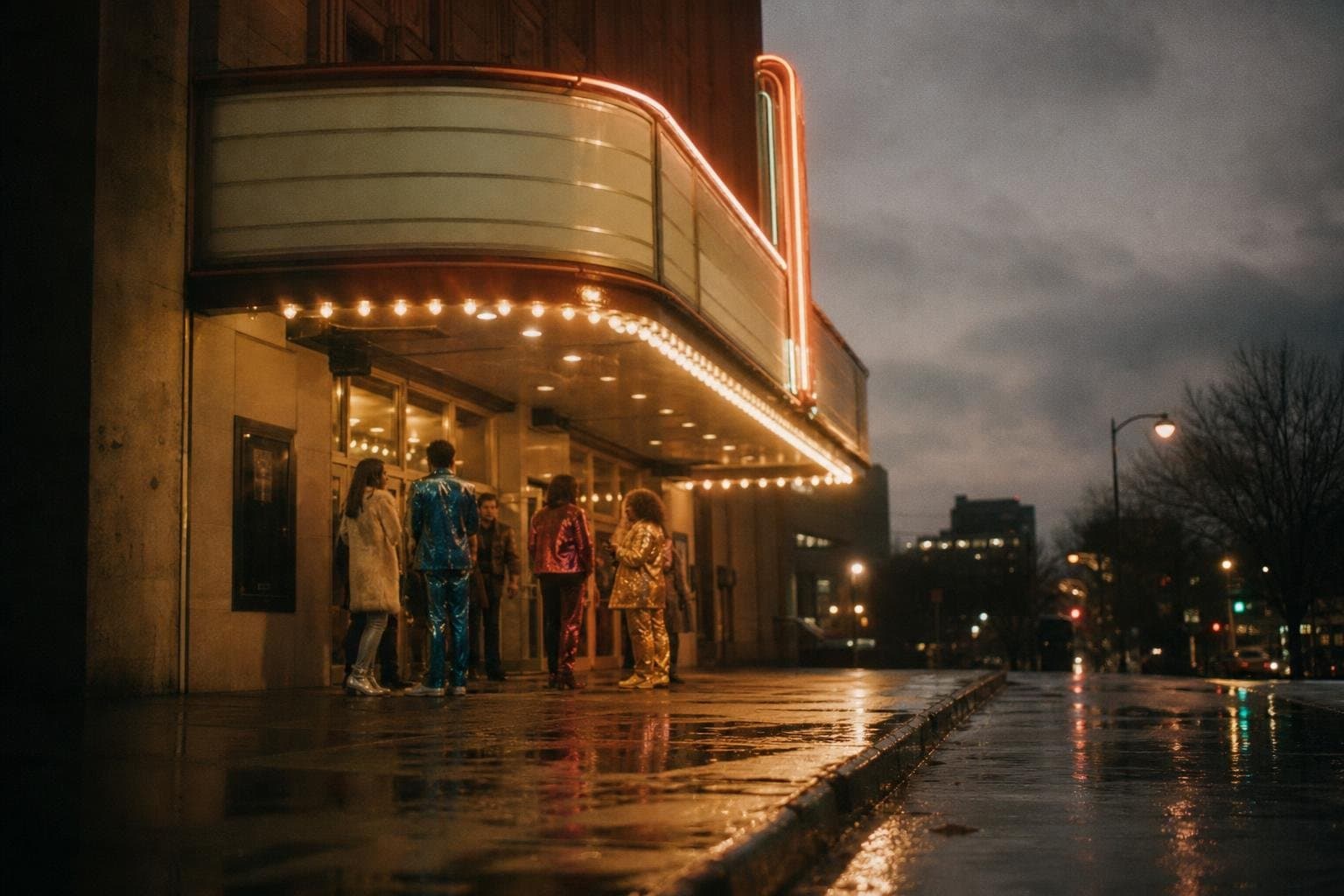
Welcome Space Brothers — a documentary about the Unarian movement and their extraterrestrial-communing leader Ruth Norman — has been sitting without distribution since its festival run began in 2023. So Elijah Wood's SpectreVision and director Jodi Wille did the thing nobody does anymore: they booked theaters themselves, made each screening an event, and started touring.
The opening night at the Alex Theatre in Glendale netted $8,500 in profit. That's not a number that moves Hollywood. But it's a number that covers costs, builds community, and keeps a film alive. The tour is heading to Boise, Roswell, and other cities that aren't New York or LA — which is, frankly, where the Unarian faithful actually live.
SpectreVision's Christina Campagnola put it plainly to IndieWire: "The question is how do we continue to do this for other movies? It has to be a specific film that we feel we can tap into that audience." That qualifier matters. The roadshow model doesn't work for everything — it works for films with built-in communities who want to gather around them. Alien documentaries. Cult horror. Niche music films. The model is less a distribution strategy than a permission structure for films that were never going to get a traditional rollout anyway.
2. Letterboxd Is Filling the Gap Nobody Else Will
The July edition of Letterboxd's Video Store drops four festival favorites that haven't secured wider distribution — available to rent July 1–31, with a 48-hour viewing window from the point of rental. The lineup includes Tinsman Road, a found-footage follow-up from The Outwaters director Robbie Banfitch, shot on Mini-DV and described as a grief-horror hybrid about a man retracing his vanished sister's last steps.
These aren't films with no distributor because they're bad. They're films with no distributor because the math didn't work for anyone willing to do a proper theatrical push. Letterboxd's shelf model sidesteps that entirely — no P&A spend, no screen count negotiations, just a curated window for the audience that already knows what it wants. It's not a replacement for distribution. But for films that might otherwise disappear into festival archives, it's something.
3. The Films Actually in Theaters Right Now Worth Your Time
Two releases from the June Letterboxd watchlist are still in play:
-
Carolina Caroline — Adam Carter Rehmeier's outlaw romance with Samara Weaving and Kyle Gallner, set in the '90s American South. Currently in select US theaters via Magnolia Pictures. If you liked Dinner in America, this is the same filmmaker operating with more confidence and a better soundtrack (Loretta Lynn, Emmylou Harris, Jason Isbell).
-
Promised Sky — the French-Algerian coming-of-age drama that took Cannes' best-actress prize, per the June Letterboxd roundup. Worth tracking for availability in your region.
The Pattern Worth Watching
The festival calendar keeps moving — Karlovy Vary runs July 3–11, Fantasia opens July 16 — and each of those events will produce another wave of films with no clear path to audiences. The roadshow model and the Letterboxd shelf model are both answers to the same structural problem: the middle tier of indie distribution has collapsed, and the films that used to live there are now either going straight to streaming or going nowhere at all.
The interesting question for the back half of 2026 is whether either of these workarounds scales — or whether they stay niche solutions for niche films. My read: they stay niche, but that's fine. Niche done well beats wide done badly every time.