
There's a version of the indie box office story right now that writes itself: A24 had a monster summer, Backrooms crossed $396.6 million globally, and everything is fine. That version is boring and mostly wrong. The more useful story is what Tony is actually telling you about how specialized releases work when they're executed correctly — and why that matters more than the headline number.
The Tony Expansion Is a Clinic in Platform Strategy
Tony opened August 7 in six theaters. Six. Then 37. Then 1,652 screens, where it earned $5 million in a single weekend — enough for seventh place on the overall box office chart — bringing its total to $6.6 million. A24 hasn't disclosed a budget, but a source with knowledge of the production puts it at under $15 million, which means this thing is already in genuinely healthy territory.
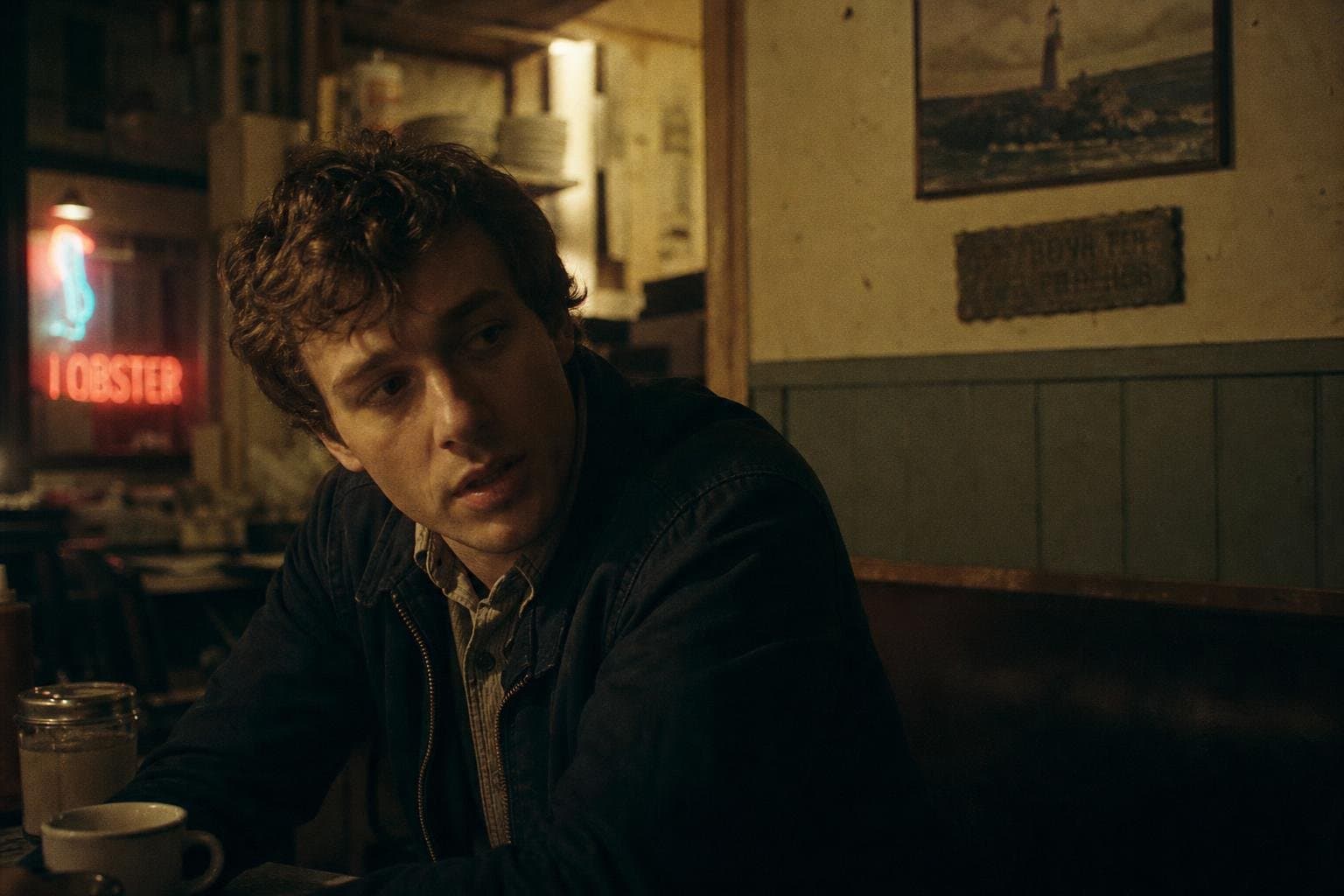
What's worth sitting with is the shape of that expansion. The film centers on Anthony Bourdain's early years in Provincetown, with Dominic Sessa — who impressed in The Holdovers — as Bourdain. It didn't open wide and hope for the best. It built. Six theaters to 37 to 1,652 is a deliberate staircase, and the fact that it held audience interest at each step suggests the reviews and word-of-mouth were doing real work between expansions. That's the platform model functioning as designed: let the film find its people, then give it room to breathe.
Compare that to what happened around it. Black Bear's The Rivals of Amziah King earned $285,000 from 465 theaters in its second weekend, with a total of $1.8 million. That's a film that went wider faster and didn't generate the momentum to justify it. Neon's It Ends opened on five screens to $60,000 — which is either a very cautious platform start or a film they're not sure what to do with yet. Vertical's The Magic Faraway Tree debuted to $1.4 million from 1,611 theaters. The numbers across the board tell the same story: expansion without earned momentum is just overhead.
The contrast isn't about quality — I haven't seen all of these. It's about the gap between a release strategy that earns its expansion and one that assumes expansion will generate the numbers.
The TIFF Overhang and What's Actually Coming
Meanwhile, the fall festival pipeline is producing its own sorting mechanism. The Playlist's TIFF dispatches have flagged several films worth tracking: Tim Blake Nelson's The Life and Deaths of Wilson Shedd, with Amanda Seyfried and Scoot McNairy described as "extraordinary" in a prison drama that apparently goes somewhere genuinely uncomfortable; John Madden's Onwards and Sideways with Laura Linney and Rhys Ifans; and Zack Snyder's The Last Photograph, which The Playlist's review called "a hollow, calamitous misfire" — useful information before anyone acquires it at a premium.
None of these have confirmed U.S. theatrical release dates yet. TIFF premieres are not release dates. The acquisition story for the fall is still being written.
The structural news that matters most for the medium term: Noah Baumbach has signed a three-year first-look deal with Warner Bros. and already has a new film in development with Clockwork Releasing. That's a significant alignment — Baumbach's work has always lived in the specialized space, and a Warner Bros. first-look deal with Clockwork as the distribution partner suggests someone is trying to thread the needle between studio resources and indie-scale release strategy. Whether that actually produces something or just produces development meetings is a question for 2027.
What September's Streaming Additions Tell You
On the streaming side, IndieWire's September streaming guide points to the Criterion Channel as the most interesting destination this month — an Abel Ferrara retrospective collecting work from The Driller Killer through 2024's Turn in the Wound, plus Neon Genesis Evangelion for the anime-curious. The Ferrara retrospective in particular is the kind of deep-catalog programming that justifies the Criterion Channel's existence as a distinct service rather than just a prestige tab on a bigger platform.
Backrooms is also arriving on streaming this month — relevant context if you're trying to understand why Tony's theatrical expansion is being watched so carefully. A24 needs theatrical to mean something, and right now Tony is the clearest argument they have that it still does. For a sense of how A24 has historically built that argument — from Moonlight to Everything Everywhere All At Once to now — the studio's full release history makes the pattern legible: slow-burn platform releases that earn their audiences, punctuated by the occasional swing that breaks through entirely.
Internationally, Screen Daily's UK release calendar shows Teenage Sex and Death at Camp Miasma — which split the specialized U.S. box office with Tony earlier this summer — still working its way through international markets, a reminder that the distribution story for any given film rarely ends when the domestic conversation does.
Watch for whether It Ends expands beyond its current five-screen Neon rollout in the next two weekends — that'll tell you whether Neon sees theatrical potential or is already planning a streaming pivot. And keep an eye on which TIFF acquisitions surface with confirmed U.S. dates before the end of October. The fall distribution calendar is still mostly a set of intentions. Na Hong-jin's Hope, which premiered at Cannes and has been working


