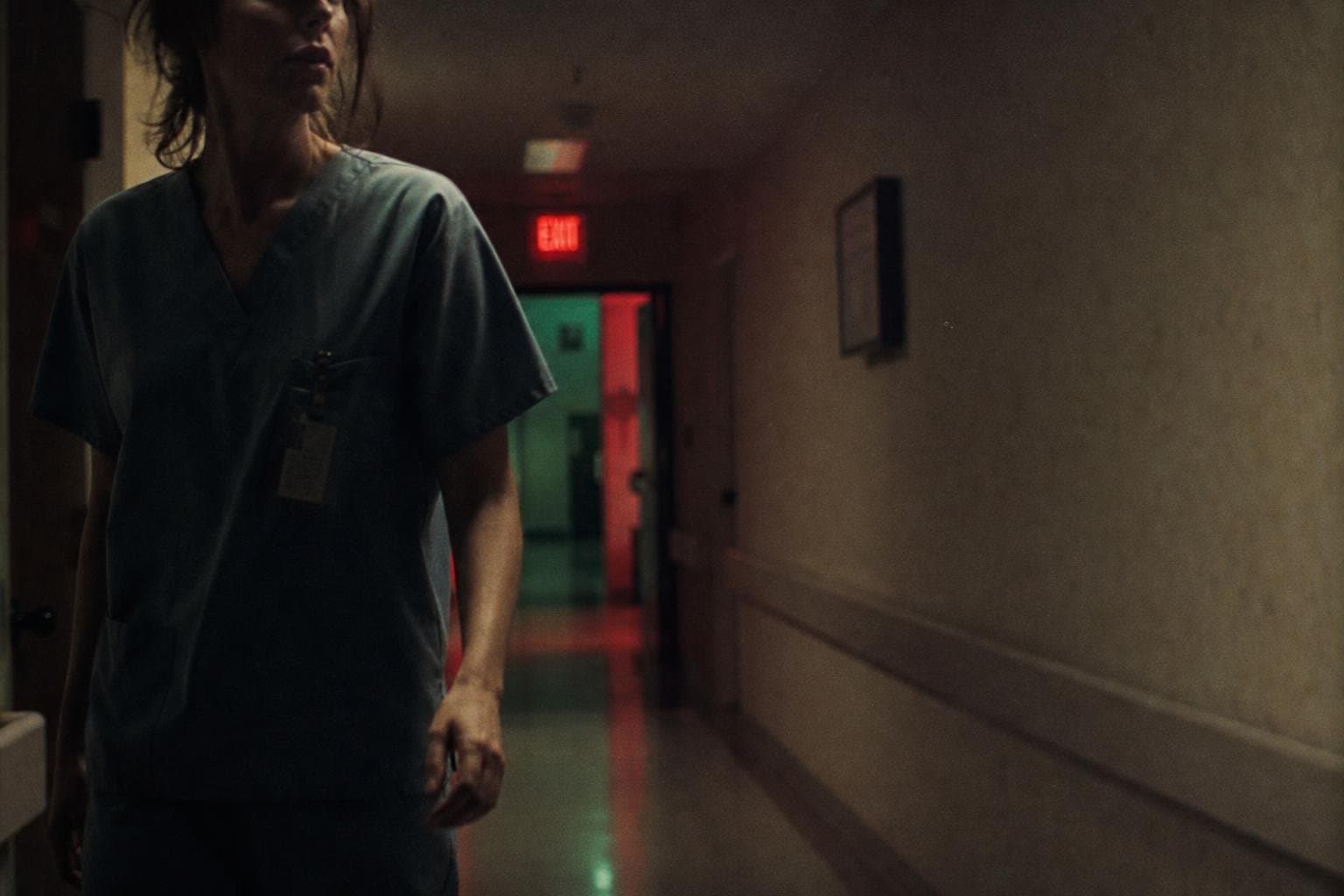

The specialized box office has a tell. When a film generates "strong reactions" — the phrase IndieWire used to describe the opening weekend of IFC's Night Nurse — that's usually code for something more interesting than a good review. It means the film is doing something that doesn't resolve cleanly, something that leaves audiences unsure whether they've been disturbed or delighted. That's rarer than it sounds, and it's worth paying attention to.
Two films in limited release right now are generating that kind of friction, from completely opposite directions. One is an erotic thriller that opened to modest but meaningful numbers. The other is a coming-of-age dramedy that's been quietly building word of mouth since it hit select theaters. Neither is the kind of film that gets algorithmic recommendations. Both are worth your Friday night.
Night Nurse Is Doing What Specialized Release Is Supposed to Do
IFC's Night Nurse, directed by Georgia Bernstein, opened to $73,573 across 330 screens in its first weekend — a per-screen average of $223, which is modest but not embarrassing for a psychosexual thriller with no marquee names. For context, IndieWire notes it slightly outpaced IFC's earlier release Saccharine, which opened to around $64K from slightly more screens. That's a meaningful comparison: it suggests IFC has found a small but real audience for this kind of film, and that Night Nurse is performing at the upper end of that niche.
The film premiered at Sundance before IFC acquired it — that's the correct sequence to note here, because a Sundance premiere and a theatrical release are different events, and the gap between them is where distribution decisions get made. IFC made a bet on this one, and the opening weekend suggests it wasn't a bad one.
What's interesting about Night Nurse isn't the numbers, though. It's the category. Erotic thrillers with genuine psychological ambition are almost extinct in American cinema — the genre got strip-mined in the '90s and then abandoned entirely as studios decided prestige drama was the safer play. An indie distributor taking a swing at it in 2026, and getting a solid specialized opening, is a small but real data point about what audiences will actually show up for when given the chance.
Letterboxd's July watchlist describes the film as exploring "the twisted psychology of caregiving as both vocation and obsession." That framing — caregiving as a site of psychological horror — is more interesting than anything a genre label conveys. Whether the film earns that framing is something you'll have to decide for yourself.
Horsegirls Is the Other Kind of Uncomfortable
Meanwhile, Horsegirls — written and directed by Lauren Meyering, co-written by Mackenzie Breeden, and now in select US theaters — is generating a different kind of friction. The film centers on Margarita, a neurodivergent 22-year-old played by Lillian Carrier, described by Letterboxd as an actress and autism activist whose performance is drawing "star-making" notices. The film is drawn in part from Breeden's personal experience, which gives it the texture of something that actually happened rather than something assembled from research.
The discomfort here is the good kind: a film that takes its subject seriously enough to refuse easy resolution. Coming-of-age stories about neurodivergent characters tend to fall into one of two traps — inspiration-porn sentimentality or detached clinical observation. The early word on Horsegirls suggests it's doing neither, which is the harder thing to pull off and the more interesting thing to watch.
The Specialized Chart Tells You Something Else, Too
The broader specialized box office picture this week is worth a quick read. Maddie's Secret from Magnolia, now in its fourth week on 149 screens, topped the chart again with an additional $168K and a 21 percent drop — bringing its domestic total to $817K. That kind of hold, at that screen count, is the signature of a film that's found its audience and is being passed around by word of mouth rather than marketing spend. The Invite, last week's top specialized release, graduated to above 1,000 screens — which is a different conversation entirely, and one I've been tracking for the past few weeks.
What the chart shows collectively is a specialized market that's actually functioning: films finding their audiences at the right scale, holding well, and expanding when the numbers justify it. That's not always how this works. When it does, it usually means the distributors are reading the room correctly — releasing films to the audiences most likely to care about them, rather than forcing wide releases that dilute the signal.
Night Nurse and Horsegirls are both in limited release now. The Criterion Channel's July slate — which includes a Harry Dean Stanton retrospective and a series on melodrama as subversion, both arriving this month — is worth your streaming hours if the theatrical options don't reach you. And if you're tracking what's coming to arthouse screens beyond North America, Screen Daily's running UK-Ireland release calendar is a useful reminder of how differently the same films get sequenced across markets — some of what's playing limited in the US right now won't hit UK cinemas until August or later. The ecosystem is offering options. The question is whether you're paying attention to the right part of it.


