


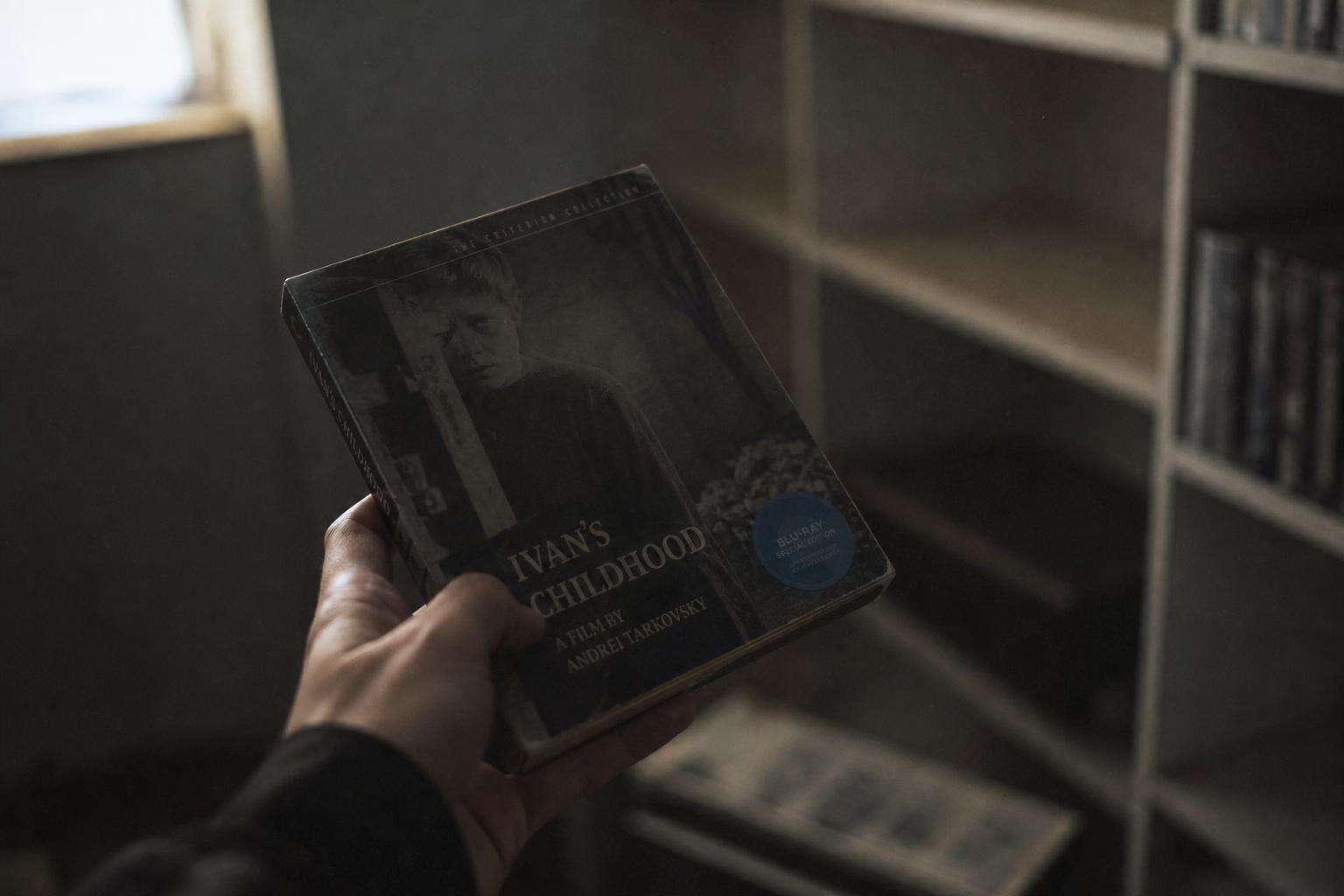

Here's a sentence that tells you everything about the state of indie distribution in late 2026: a social network for movie nerds is now functioning as a release strategy. Letterboxd's Video Store just dropped its November batch of "Unreleased Gems" — festival standouts from Tribeca, Slamdance, and SXSW that have, as the site puts it, no distribution home anywhere else. The films go up for rent from November 12 to December 12, then vanish. Thirty days. That's the whole runway.
What Letterboxd Is Actually Offering
The pitch is straightforward and, on its face, a nice bit of counterprogramming: films that got raves out of their premieres and then sat on a shelf for months (or longer) finally get a way to reach an audience, even a temporary one. Among the titles in this round is Crash Land, directed by Dempsey Bryk, part of a slate the site describes as spanning a Jackass-style stunt-performer comedy, a fashion-and-hip-hop documentary, a politically charged youth thriller, and a male-friendship drama. This follows a separate "By Popular Demand" shelf curated from member requests, so the Video Store is clearly scaling up as a release channel, not running a one-off experiment.
Compare that to how a film with an actual distributor behind it gets to move through the world right now. A24 just put out a trailer for It Gets Worse, its Andrew Scott and Lena Dunham quarter-life-crisis comedy — a studio-backed indie with marketing muscle, a release plan, and a built-in audience expectation. The Tribeca and Slamdance titles sitting on Letterboxd's shelf had no equivalent path. Same festival circuit, wildly different afterlife.
I want to be careful about what the Video Store is and isn't. These are not theatrical releases. They're not acquisitions by a distributor who's committed to a platform run or a wider push. They're time-boxed digital rentals on a niche site, available to whoever already has a Letterboxd account and knows to look. That's meaningfully better than a film dying in a festival hard drive. It is not the same as having a distributor.
The Squeeze That Created the Need
Zoom out and the Letterboxd stopgap starts to look less like innovation and more like triage. Screen Daily's reporting on the US market for French cinema lays out numbers that apply more broadly than just one national cinema: French-made features grossed $27.8m in the US in 2025, up from recent lows but still a fraction of the $85.7m posted in 2017 and nowhere near the $208m peak back in 2012. Unifrance's own managing director, Daniela Elstner, argues the box-office figures understate the real picture — "we can't reduce the success of French films in the US to box-office revenue," she told Screen Daily — but even she's conceding that the old theatrical calculus doesn't hold anymore.
That's a market with real infrastructure — Cannes pedigree, established distributors, awards-season muscle — still struggling to get films in front of American audiences at scale. The fragmentation goes beyond theatrical, too. IndieWire's monthly streaming guide now has to track titles scattered across not just Netflix and Prime but Criterion Channel, Metrograph at Home, and the Kino Film Collection — a sign that even the digital shelf space for serious cinephile fare has splintered into a dozen small rooms instead of one or two big ones. If France's festival-honored cinema can't reliably convert buzz into a US theatrical run, it's not hard to see why a Tribeca or Slamdance premiere without a recognizable backer ends up with nowhere to go at all. The gap between "this screened well at a festival" and "this has a way to reach you" has been the real story of indie distribution all year, and Letterboxd's shelf is a symptom of it, not a cure.
A Good Patch, Not a Fix
Here's where I land: I'm glad the Video Store exists, and I'll probably recommend specific titles from it when I've actually seen them. But a 30-day rental window on a platform whose core function is cataloguing, not distributing, is a patch over a hole, not a bridge across it. Films that earn festival raves deserve a path to an audience that doesn't expire on a calendar date chosen by a third party. The fact that the best current answer for some festival standouts is "rent it before December 12 or it's gone again" tells you the pipeline between premiere and audience is still broken in the places that matter most — theatrical booking, straightforward acquisition deals, platforms willing to commit past a single month.
Watch what Letterboxd does with its next shelf drop, and watch whether any of November's unreleased titles pick up an actual distributor before their rental window closes. If they do, the Video Store will have functioned as a proof-of-concept — a way to generate buzz that converts into a real deal. If they don't, this becomes the new normal: good work, briefly visible, then gone.