


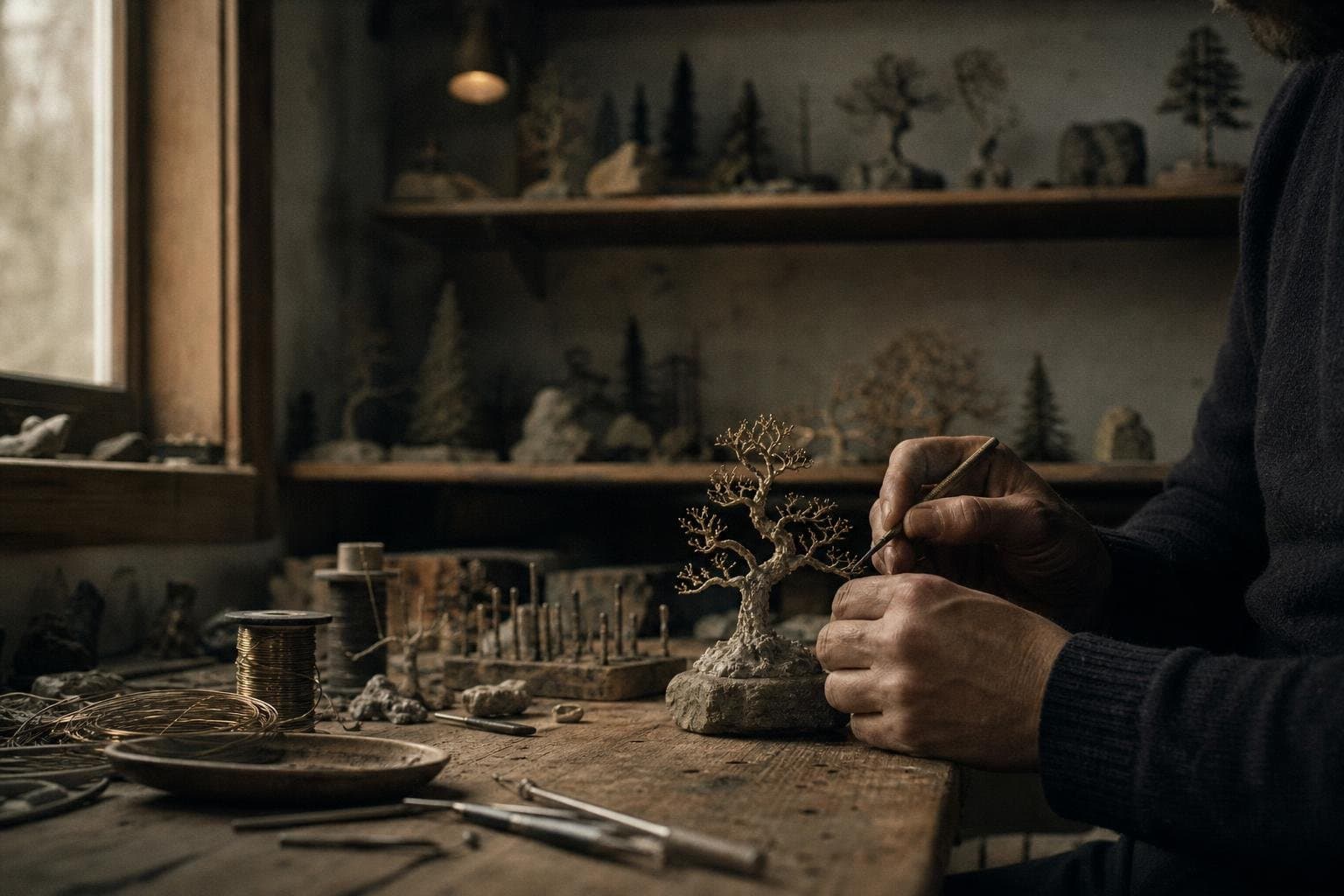

Somewhere in Portland, a crew spent 1,155 days building a stop-motion kingdom with 142,000 individual face models and more than 715 miles of brass wire, according to IndieWire's review of Wildwood. That's the kind of number that's supposed to announce a masterpiece. Instead, IndieWire calls it "the least enchanting" entry in Laika's catalog — gorgeous, exhausting, and missing the thing that made Kubo and the Two Strings or Coraline feel alive rather than merely assembled.
Meanwhile, over at the fall festivals, a different and more instructive problem is playing out. IndieWire's own staff just published — and is actively updating — a list of fifteen films out of Venice, Telluride, Toronto, and NYFF that critics loved and nobody has bought yet, per their "Memo to Distributors" roundup. Put those two stories next to each other and you get the actual state of the specialty film business right now: money and craft aren't the bottleneck. Access is.
Resources Don't Guarantee a Market, and Scarcity Doesn't Guarantee a Sale
Laika's situation is the inverse problem. IndieWire's review notes, with some weariness, that "with one negligible exception, each of Laika's films has cost more and grossed less than the one before it" — a trajectory that a billionaire-backed studio can absorb for now but that no indie distributor could survive for a single release. Wildwood gets to exist, fully funded and painstakingly crafted, precisely because its ownership structure insulates it from the commercial math that governs almost everyone else in this business. That's worth sitting with: the studio with the most resources in American animation just made its most expensive film to date, and the result is a film that's admired more than loved.
Flip to IndieWire's undistributed list and you're looking at films that don't have that luxury. Titles like "All That She Wants" — a time-hopping rom-com starring Annie Murphy that the outlet's critics describe as warm, lived-in, and overdue in a genre starving for a new voice — and "Ancestors," a directing debut the magazine calls "deeply moving," have already cleared the hardest bar in this industry: making smart people at a festival sit up. What they haven't cleared is the much stranger bar of convincing someone to write a check for them. A good film with no distributor isn't a film audiences can choose to skip. It's a film they never get the chance to see at all.
The Buyers Are Active — Just Not for Everything
It's not that acquisition money has dried up. Screen Daily's rundown of the American French Film Festival's 30th-anniversary lineup shows a market that's plenty willing to spend on the right pedigree: Mubi has North American rights to Cannes Grand Prix winner "Minotaur" and Lukas Dhont's "Coward," Neon picked up Palme d'Or winner "Fjord," and Netflix is giving the animated feature "In Waves" an awards-qualifying theatrical run in December before it streams. Sony Pictures Classics is behind "Iron Boy." These are real deals with real plans attached — not vague festival buzz.
What separates those films from the fifteen still sitting on IndieWire's list isn't quality; it's the stamp of a major festival's top prize or an existing awards narrative that makes a buyer's decision feel safe. Cannes laurels travel. A strong NYFF or Telluride reception, on its own, apparently travels less reliably — even when the reviews are just as good.
What to Watch
The calendar doesn't help the undistributed crowd much in the near term. Screen Daily's festival tracker shows the circuit barreling into AFI Fest, Tokyo, and a packed November of regional festivals before the fall acquisition window effectively closes for the year. If "All That She Wants" or "Ancestors" haven't found a home by the time distributors start clearing their 2027 slates, the odds get worse, not better — festival memory is short, and a film without a release date starts to look like old news to buyers even when nothing about the film itself has changed.
The lesson isn't that Laika should have made a cheaper movie or that undistributed festival films are secretly flawed. It's that the two halves of this industry — who gets to make something and who gets to see it — run on almost entirely separate logic. One is solved by money. The other is solved by somebody deciding to bet on you, and right now that bet is going to pedigree over discovery.