



Cannes closed last Friday, and the festival's defining commercial moment wasn't a Palme d'Or — it was a reported $17 million worldwide acquisition by A24 for Jordan Firstman's Club Kid, a directorial debut out of Un Certain Regard that apparently generated the only genuine bidding-war energy in an otherwise orderly market. That number is worth sitting with. A24 paying that for a first feature — worldwide rights, no less — is either a sign of genuine conviction or the kind of overcorrection that happens when a distributor needs to prove it still has teeth. We won't know which until the film actually reaches audiences, and there's no confirmed release date yet.
The broader market picture, per Screen Daily's post-festival wrap, was quieter than that one headline suggests: most official selection titles had already been acquired before the festival opened, which drained the Croisette of its usual acquisition drama. The Neon/MUBI axis dominated the indie sector so thoroughly that international buyers reportedly felt a familiar squeeze — the same squeeze they feel when Hollywood studios show up and vacuum the room. The irony being that this year Hollywood mostly didn't show up, and Neon filled the vacuum anyway.
The Film That Actually Deserves Your Attention
I've been writing about the Cannes acquisition story for two weeks now, so let me get to the thing that matters more: Na Hong-jin's Hope is the film from this festival I'd most want to argue about over dinner.
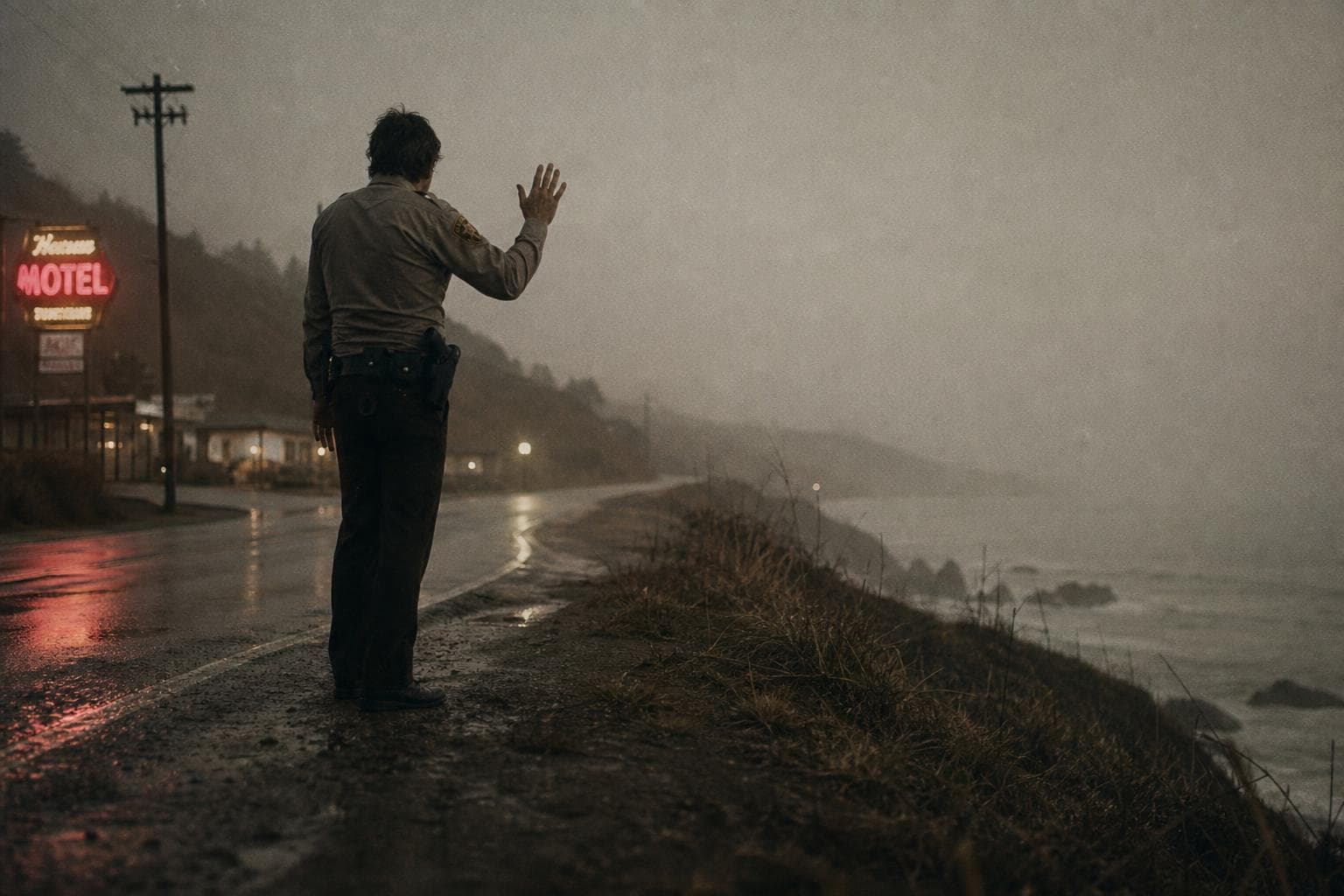
Na's follow-up to The Wailing — his previous Cannes entry, back in 2016 — is a 160-minute genre mash-up set in a coastal South Korean village under attack from something the town's jittery, panic-prone cop (Hwang Jung-min) is manifestly not equipped to handle. Screen Daily's Wendy Ide calls it "a pedal-to-the-metal slaughterfest that barely lets up on its breathless pace," which is accurate but undersells the structural move Na makes around the midpoint: a perspective flip that reframes who the monsters actually are. That's not a twist for its own sake — it's the film's actual argument, and it's the kind of formal risk that most prestige festival entries won't touch.
The film has been acquired by Neon for the US and UK, and by MUBI for multiple other territories. No theatrical release date has been confirmed. The cast includes Hoyeon from Squid Game, plus Michael Fassbender, Alicia Vikander, and Taylor Russell in what the review describes as "barely recognisable appearances" — which is either a fascinating deployment of recognizable faces against type or a marketing hedge, and again, we won't know until we can see it.
At 160 minutes, Hope is going to test patience. Ide notes the running time becomes a liability as the carnage accumulates — there's a ceiling on how many handbrake turns a single film can sustain before the rhythm flattens. But the first hour, by her account, is the strongest, and Na's record suggests he earns his runtimes more often than not.
The Hollywood Absence Problem Nobody Wants to Admit
Screen Daily's post-festival analysis makes a point that's uncomfortable but correct: the absence of big American films at Cannes is good for international buyers and bad for coverage. Without a Ryan Gosling interview to anchor a pitch, budget-strapped editors won't commission the story about the rising Vietnamese filmmaker whose genre film is genuinely extraordinary. That's not a Cannes problem — it's a media ecosystem problem — but it compounds over time. A Cannes premiere loses potency if the wider public has stopped paying attention to what a Cannes premiere means.
The IndieWire preview noted that the only two American films in competition were Ira Sachs' The Man I Love and James Gray's Paper Tiger — both acquired, both with genuine auteur pedigree, neither with the mainstream hook that drives the kind of coverage that makes a festival feel culturally alive to people who aren't already tracking it. That's a real tension, and it's one the festival hasn't resolved.
What Comes Next
The Neon/MUBI pipeline out of Cannes is now substantial — Hope, Andrey Zvyagintsev's Minotaur, and several other competition titles — and none of them have confirmed theatrical release windows yet. Watch for those announcements over the next six to eight weeks, particularly for Hope, which has the genre credentials and the cast adjacency to actually cross over if Neon positions it correctly. The Club Kid acquisition will be the other thing to track: whether A24 treats it as a prestige slow-burn or a platform release says a lot about how seriously they took that $17 million bet.