


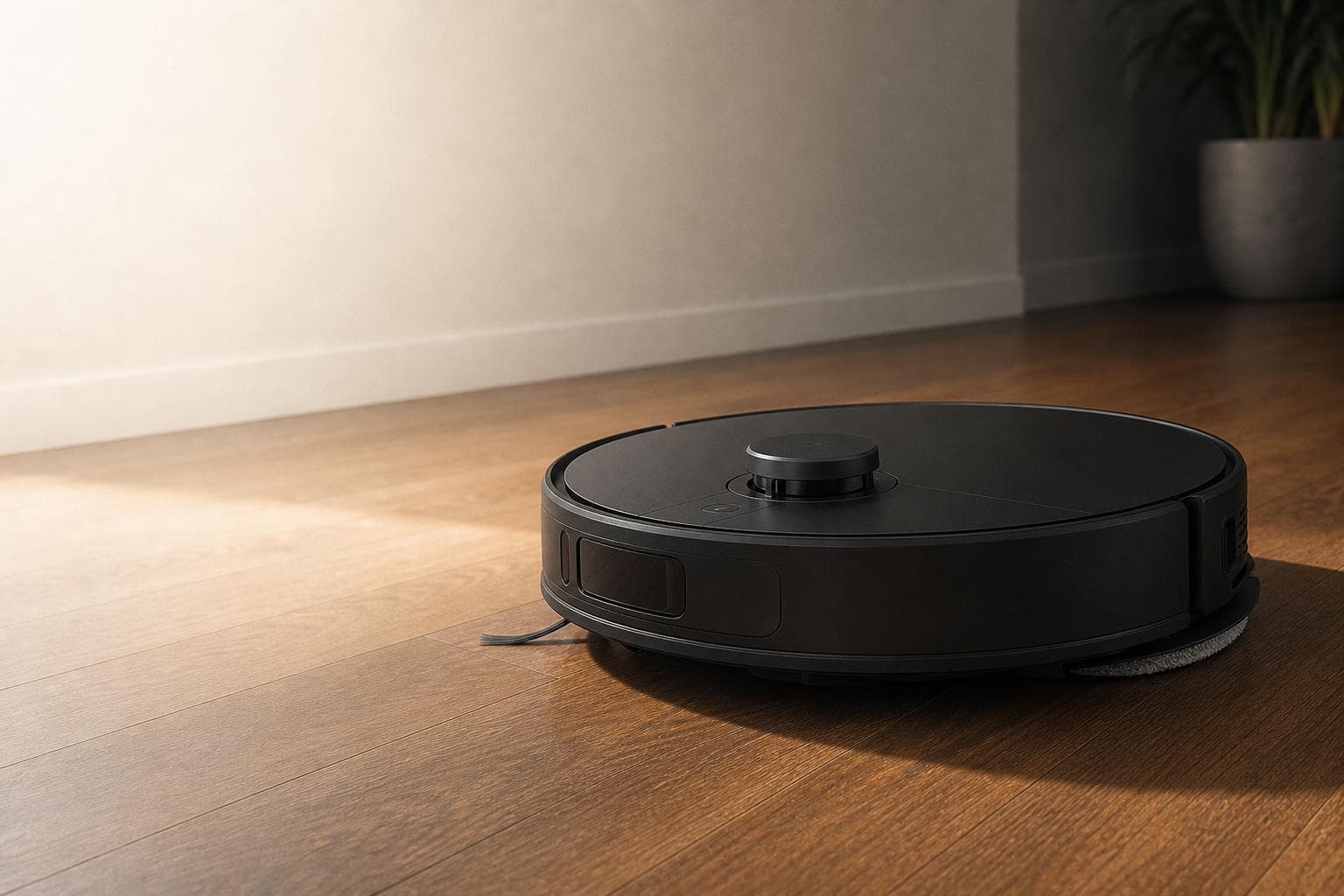

There's a specific kind of disappointment that comes from spending $400 on a robot vacuum mop combo, watching it glide confidently across your kitchen floor, and then discovering the tile looks exactly the same as before it started. That wet-light-dusting problem — where the mop pad barely makes contact and the "cleaning" is mostly theatrical — has plagued the category for years.
That era is ending. And if you're in the market for a machine that handles both vacuuming and mopping without you babysitting it, the current generation is genuinely different.
The Gap Between "Mops" and Actually Mops
The early 2020s robot mop combos were, charitably, a compromise. They vacuumed reasonably well and then dragged a damp pad across the floor as a bonus feature. Useful for light dust. Useless for anything with actual grime.
What's changed is the mopping mechanism itself. According to Mashable's testing of 30+ robot vacuums, the best current models use dual rotating mops that press downward with real force, roller mops that rinse themselves mid-cycle, and AI sensors that assess whether a mess has actually been cleaned before moving on. The self-emptying docks have evolved too — top-tier models now self-dispense detergent, wash and dry their own mopping pads, and refill with clean water automatically. In theory, you interact with the machine about as often as you interact with your dishwasher.
Mashable's current top pick is the Dreame X60 Max Ultra Complete, which they name the best robot vacuum of 2026 so far. The Roborock Qrevo Curv 2 Flow and the Roomba Plus 505 Combo round out their shortlist for households with different floor configurations and budget ceilings.
On the Vacuum Side, the Numbers Are Getting Serious
If your floors are primarily carpet, the mopping conversation is secondary — and here the performance gap between budget and premium has become almost absurd.
CNET's lab testing of 24 robot vacuums found the Mova V50 Ultra Complete achieved a 65.14% sand pickup score across flooring types — the highest in their test batch. On midpile carpet specifically, its 47.54% sand pickup score was 86% better than the runner-up. That's not a marginal improvement; that's a different category of clean. CNET awarded it their Editors' Choice.
The Dreame X50 Ultra earned recognition for best cleaning coverage in the same test batch — a different strength than raw pickup power, but equally relevant for larger homes where the robot needs to efficiently map and cover the full space without getting trapped or missing sections.
Consumer Reports' lab testing highlights a feature that's becoming standard at the premium tier: docking stations that automatically empty the dustbin, refill the water tank, and wash the mop — meaning the machine handles its own maintenance between sessions, not just the cleaning itself.
What This Actually Costs You (And What You Get Back)
Premium robot vacuum mop combos sit in the $800–$1,500 range for the models earning top marks in independent lab testing. That's a real number. But the math changes when you account for what you're buying: not just floor cleaning, but the permanent removal of floor cleaning from your weekly mental load.
The honest version of this recommendation isn't "buy the most expensive robot vacuum." It's: if you have hard floors that need actual mopping — not just a damp pass — the Dreame X60 Max Ultra Complete is the machine that closes the gap between robot cleaning and what you'd do by hand. If carpet performance is the priority, the Mova V50 Ultra Complete's lab numbers are hard to argue with.
For the manual mopping that still happens in spaces robots can't reach, CNN Underscored's testing of 11 mops landed on the O-Cedar EasyWring Microfiber Spin Mop as the best overall — a foot-pedal-powered spin bucket that removes excess water without bending over or using your hands, built solidly enough to handle hard use without feeling fragile. It's the $35 tool that makes the robot's limitations irrelevant.
The category to watch next: CES 2026 previewed robot vacuums with actual legs capable of climbing stairs. That's not shipping yet in any form worth buying — but it signals where the ceiling is moving.