



David Ellison spent fourteen months chasing Warner Bros. Discovery, and on Tuesday, October 6, the deal finally closed — complete with a new corporate name, Skydance Corp., stitched together from the production company that started this whole saga (Variety). The victory lap lasted about a day. Then Wall Street started doing math.
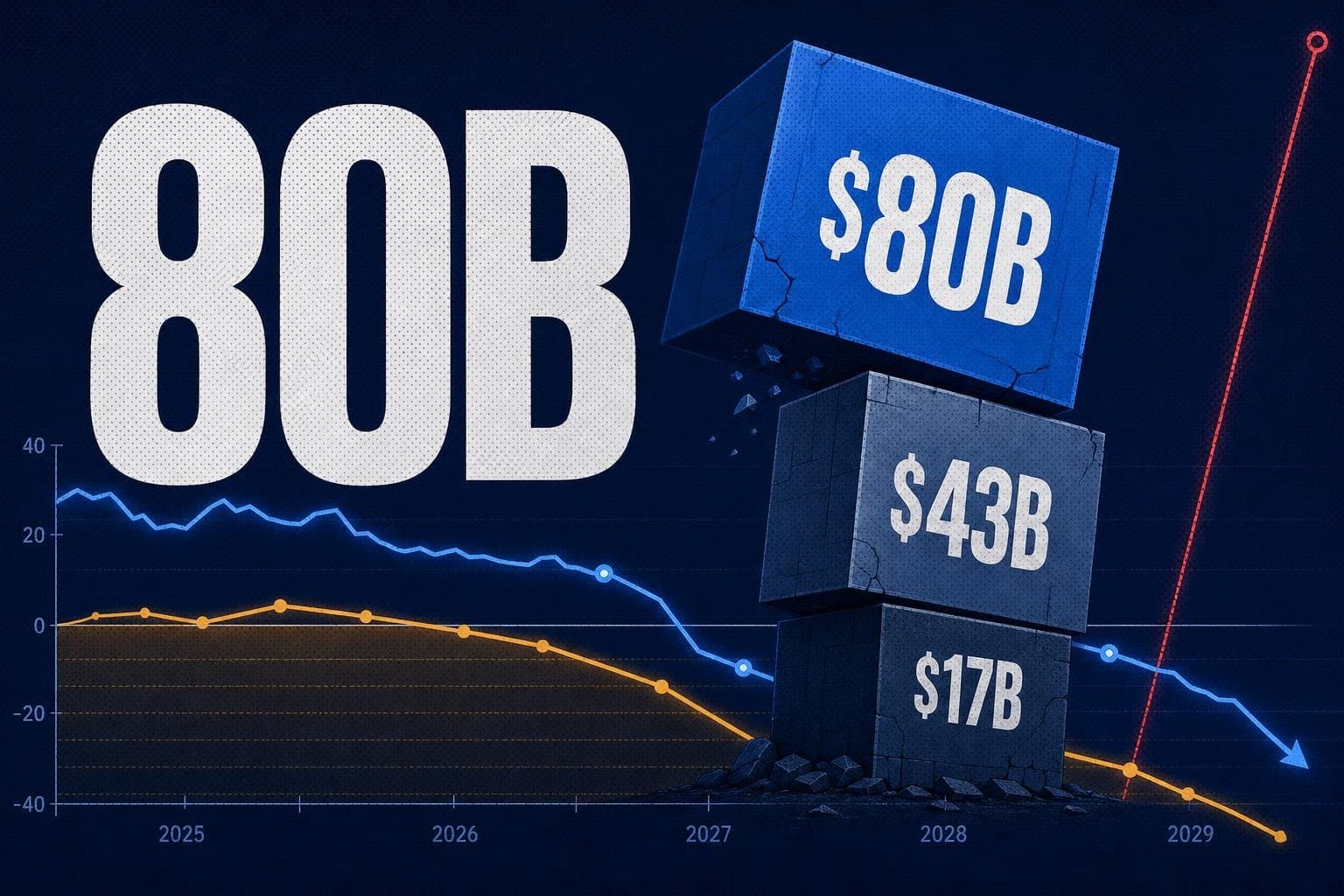
The number that matters is $80 billion — the debt load Skydance now carries after swallowing both Paramount and Warner Bros. Discovery (Variety). For context, when Discovery bought WarnerMedia from AT&T back in 2022, it took on $43 billion of that debt, leaving the newly formed WBD with roughly $53 billion on its books. Skydance just blew past that by nearly 50%, and it did it to acquire a company that was itself already carrying significant leverage.
The Ellison Family Just Put $17 Billion on the Table — With Strings Attached
To make the math work, David Ellison and his family invested approximately $17 billion to complete the acquisition, buying an estimated 1.4 billion shares at $12 apiece according to public filings (Bloomberg). That's an enormous personal bet, but it's not a blank check. Analysts from Moody's, S&P Global, and CreditSights have all flagged that Skydance has a tight runway through the end of 2029 to meaningfully pare down that debt — and if the company misses the specific deleveraging targets baked into its lender agreements, Larry Ellison, the Oracle co-founder and father of the CEO, is personally on the hook to cover the gap out of his own wealth (Variety).
That's not a vote of confidence from lenders. That's a lender demanding a guarantor because the deal itself didn't inspire enough confidence on its own. S&P Global's Jawad Hussain put it plainly: the biggest risk now is integration and execution, moving a company that two years ago was producing a handful of films a year into managing one of the largest media conglomerates in the world (Variety). And the kicker — barring a box office miracle or an unexpected streaming subscriber surge, Skydance is projected to run all of 2027 with negative cash flow, which strips away the flexibility to be opportunistic while that debt clock keeps running.
The First People Pushed Out Tell You the Strategy
Watch who gets cut before you listen to what gets announced. Among the earliest casualties of the takeover were studio executives Michael De Luca and Pamela Abdy, the pair known for greenlighting auteur-driven films like last year's best-picture winner, One Battle After Another (Bloomberg). Ellison's own filmmaking track record skews heavily toward mass-market crowd-pleasers — he helped produce Mission: Impossible — The Final Reckoning and Top Gun: Maverick, films that combined for more than $2 billion at the box office while also landing critical praise (Bloomberg).
That combination of signals — fire the executives who bet on prestige, keep the guy whose instincts run toward franchise tentpoles — is the clearest tell of where Skydance's content dollars are headed over the next few years. Reports already indicate the combined Paramount and Warner Bros. studios are targeting a slate of 30 movies a year under the new ownership (Bloomberg). When you're carrying $80 billion in debt and facing a negative cash flow year, you don't greenlight slow-burn dramas hoping they find an audience at the Oscars. You greenlight films with built-in audiences and sequel potential, because the math behind a $111 billion merger demands predictable returns, not prestige.
What Actually Decides Whether This Works
None of this resolves in the next earnings call. The real tests arrive on a longer calendar: whether Skydance hits its leverage targets heading into 2029, whether that projected negative cash flow in 2027 turns out to be a floor or a ceiling, and whether a 30-movies-a-year strategy generates enough box office and streaming revenue to actually chip away at the debt rather than just service the interest on it. Every programming decision at HBO Max, Paramount+, CBS, and CNN over the next three years will get filtered through that debt math first. The creative vision talk is real, but it's downstream of the balance sheet — and the balance sheet just got a lot heavier.