



The streaming industry spent years arguing about whether ad-supported tiers were a compromise or a strategy. Roku's Q1 numbers suggest the argument is over.
Roku reported $1.248 billion in Q1 revenue, up 22% year over year, with net income of $85.7 million — compared to a net loss of $27.4 million in the same quarter last year. Adjusted EBITDA jumped 165% to $148.4 million. The company also raised its full-year EBITDA guidance to $675 million, up from $635 million previously.
Those are not the numbers of a company riding a trend. They're the numbers of a company that figured out its business model.
The Ad Tier Isn't a Consolation Prize — It's the Product
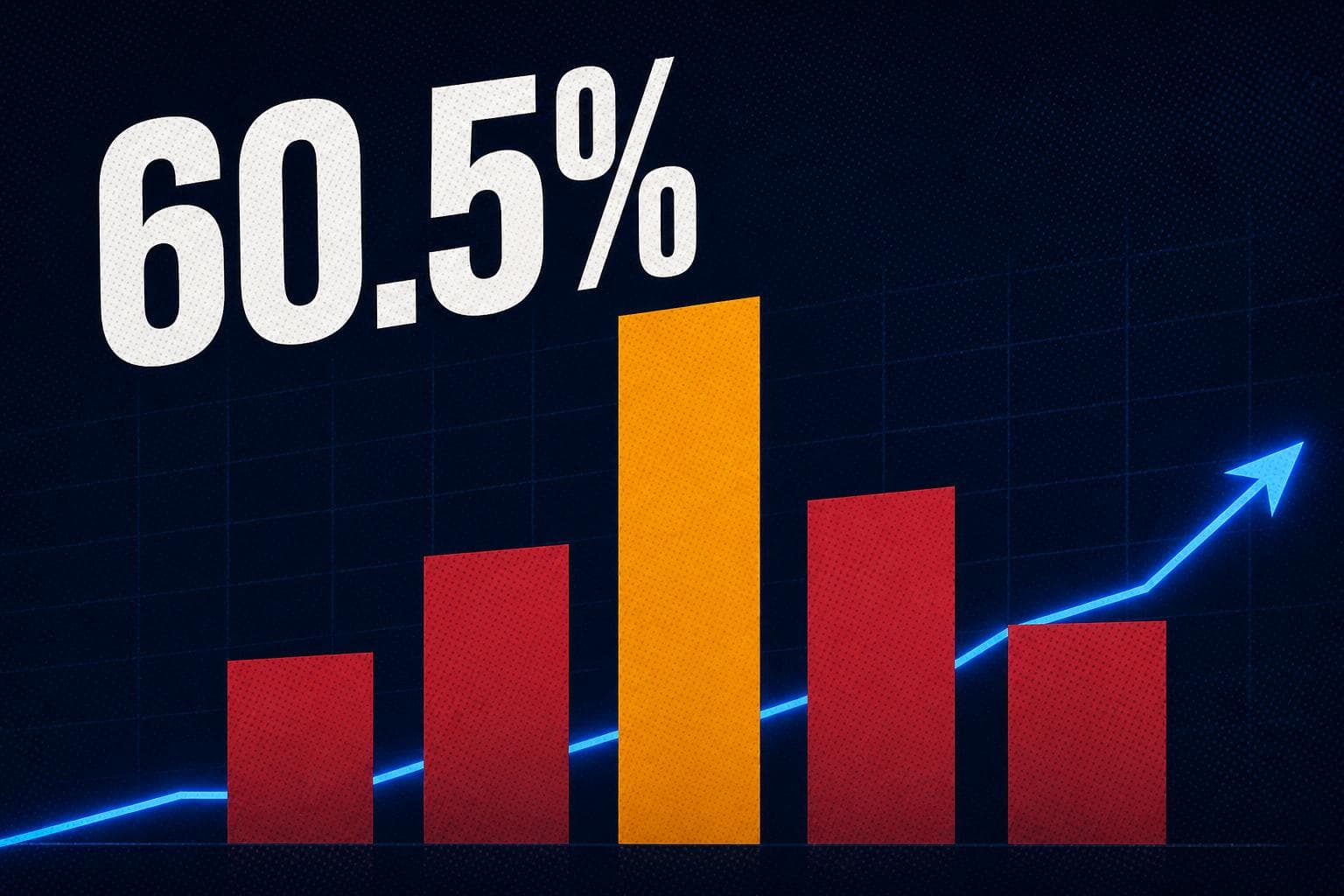
Here's what makes Roku's quarter worth examining beyond the headline growth: for the first time, the company broke out results for its advertising and subscriptions operating units separately. Advertising revenue grew 27% to $613 million, with a gross margin of 60.5%. The Platform segment overall — which captures both ad sales and subscription revenue from streaming partners — hit $1.13 billion, up 28%, at 51.6% gross margin.
That margin profile is the tell. Roku isn't manufacturing hardware at scale and hoping to break even on devices. The devices are essentially a distribution mechanism for a high-margin platform business. Every Roku unit sold is a future ad impression and a future subscription referral fee. The economics compound in a way that content-first streamers — who have to keep spending to keep subscribers — structurally cannot replicate.
Roku also reported Q1 as its highest quarter ever for premium subscription sign-ups, and earlier this month crossed 100 million streaming households worldwide. That's the installed base that makes the advertising business defensible: first-party data at scale, across a platform that sits between viewers and every major streaming service they use.
What Netflix's Clean Quarter Actually Cost
Netflix's Q1 looked strong on the surface — revenue of $12.25 billion, up 16.2%, net income up 83% year over year. But the income number requires a footnote the size of a billboard: $2.8 billion of it came from Paramount Skydance's deal-termination fee, paid when the Warner Bros. Discovery acquisition fell through. Strip that out, and the earnings picture looks considerably more ordinary.
Netflix also stopped disclosing quarterly subscriber counts, attributing Q1 revenue growth to "slightly higher-than-planned subscription revenue" — language that tells you directionally positive news while revealing nothing about the actual unit economics. The price increase announced in late March will show up more meaningfully in Q2. That's the number worth watching: whether higher prices compress subscriber growth or whether Netflix's content moat holds.
The ad tier, meanwhile, remains on track for $3 billion in revenue this year, doubling year over year. That's real money — but it's also a reminder that Netflix is now competing in Roku's core business, on Roku's platform, using Roku's infrastructure to reach viewers. The platform layer keeps collecting its toll regardless of which streaming service wins the content war.
Peacock Is Still Bleeding
Against these results, the Bloomberg summary of Peacock's situation lands with particular weight: more than $11 billion in cumulative losses, with cancellation rates rising. The full article wasn't available for review, but the summary alone captures the structural problem facing services that tried to build Netflix-style direct-to-consumer businesses without Netflix's scale, content library depth, or international revenue base.
Eleven billion dollars is a number that demands a theory of eventual profitability. The industry is still waiting for Comcast to articulate one convincingly.
The Toll Road Keeps Winning
The pattern across this earnings cycle is consistent enough to call it a thesis: the businesses extracting durable margin from streaming are the ones that don't have to make the content. Amazon's advertising services hit $17.2 billion in Q1 revenue, up 24% — Prime Video is partly a vehicle for that ad business, not the other way around. Roku sits between viewers and every streaming service they subscribe to, collecting fees on both sides.
The content creators are still fighting for subscriber loyalty. The platform layer is just cashing checks.
Watch for Netflix's Q2 report — likely in mid-July — to see whether the March price increase held subscribers or accelerated churn. That result will tell us more about Netflix's actual pricing power than any earnings beat padded by a one-time termination fee.