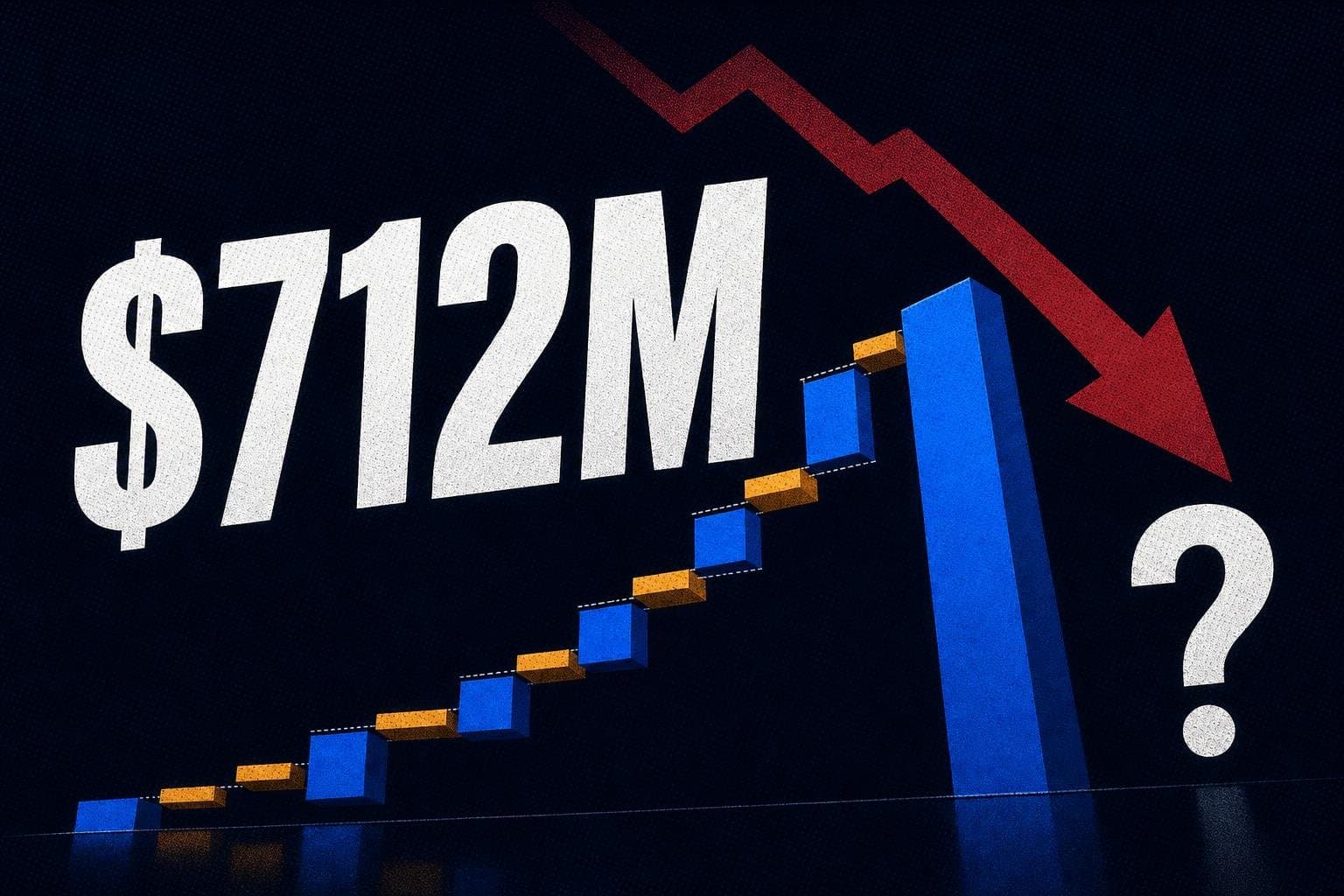

The number that jumped out of Disney's Q3 2026 earnings wasn't the revenue figure. It was the silence around a different one.
Disney+ and Hulu's combined operating income more than doubled year-over-year — from $329 million to $712 million in the April-June quarter. Streaming subscription revenue rose 15%, to $4.7 billion. By any conventional measure, this is a streaming business that has turned a corner. And yet Disney no longer discloses total subscriber figures on a quarterly basis.
That's the tell. When a platform stops reporting the metric that defined the streaming era, it's usually because the story that metric tells has gotten complicated.
The Profit Is Real — But the Accounting Is Shifting
Let's give credit where it's due: a 64% profit growth in the streaming business is not a rounding error. Disney's streaming operation is genuinely profitable now, which was far from obvious two years ago. The question worth asking is what's being counted inside that profit figure — and what's about to move around.
Starting in Q1 fiscal 2027 (October–December 2026), Disney will shift most of its consumer products business from the Experiences segment into the Entertainment segment. CEO Josh D'Amaro framed this as bringing "the monetization of our IP through consumer products closer to the studios that create that IP." The consumer products business generated $1.1 billion in revenue this quarter — the strongest year-over-year growth in five years.
That's a meaningful accounting reorganization. When merchandise revenue from a film like Avengers: Doomsday moves into the Entertainment segment, the entertainment segment's returns look better relative to peers. D'Amaro said explicitly that the shift will "make our Entertainment segment more comparable to peer reporting methodologies." Translation: the segment's numbers are about to get bigger, and the comparison baseline is being reset. Investors should mark their calendars for Q1 FY2027 and read those results carefully against the new structure.
None of this makes the streaming profit fake. But it does mean the headline number next quarter will be doing more work than it appears to.
The Ad Business Is the Weak Spot Nobody's Talking About
Buried in the earnings: Disney's overall ad sales grew just 3% — a notably soft number for a company that has been aggressively building out its ad-supported tiers. MNTN CEO Mark Douglas, speaking to Bloomberg after the results, noted the 3% ad growth figure against the backdrop of a connected TV advertising market that is otherwise showing real momentum.
The ad tier was supposed to be a growth engine. Subscription revenue growing 15% while ad revenue grows 3% suggests that subscribers are choosing the cheaper, ad-supported plans — which is fine for subscriber counts but compresses revenue per user. This is exactly why Disney stopped reporting subscriber numbers: the mix shift toward lower-ARPU tiers makes raw subscriber counts a misleading indicator of business health.
Meanwhile, the platform that has quietly figured out the ad model is Tubi. Fox's free streamer hit 110 million monthly active users and posted its highest revenue quarter ever, crossing $1 billion in annual revenue. Tubi CEO Anjali Sud noted that audience grew 14% but time watched grew 17% — the engagement-outpacing-audience metric that advertisers actually care about. Tubi's entire model is built on ad revenue with no subscription friction, and it's working. Disney's ad tier is trying to retrofit that logic onto a subscription-first architecture, which is a harder problem.
What the Writers Are Watching — and Why It Matters for Content Budgets
One data point that rarely makes earnings coverage but matters for understanding the long-term economics: streaming residuals paid to writers fell in 2025 for the first time ever, dropping to $330.7 million from $346.6 million the year before, according to a WGA report. Total residuals, adjusted for inflation, have fallen 18% from their 2022 peak.
This matters for platforms because residuals are a lagging indicator of licensing activity. When platforms license content to each other — the secondary market that once generated significant revenue — writers get paid. That market has softened considerably. Platforms are holding content closer, licensing less, and the residual pool reflects it.
For Disney specifically, this is a double-edged dynamic. Keeping content exclusive to Disney+ and Hulu protects the subscription value proposition. But it also means the content amortization math depends entirely on what those subscribers are worth — and with ad revenue growing slowly and subscriber counts no longer disclosed, that math is harder to verify from the outside.
The Number to Watch in October
Disney's Q1 FY2027 report will be the first under the new consumer products accounting structure. Watch for two things: whether Entertainment segment operating income jumps in ways that reflect the accounting shift rather than underlying streaming growth, and whether ad revenue acceleration finally materializes. If ad sales are still growing at 3% while Tubi is compounding at double-digit rates, the gap between Disney's ad ambitions and its ad execution will be impossible to ignore.


