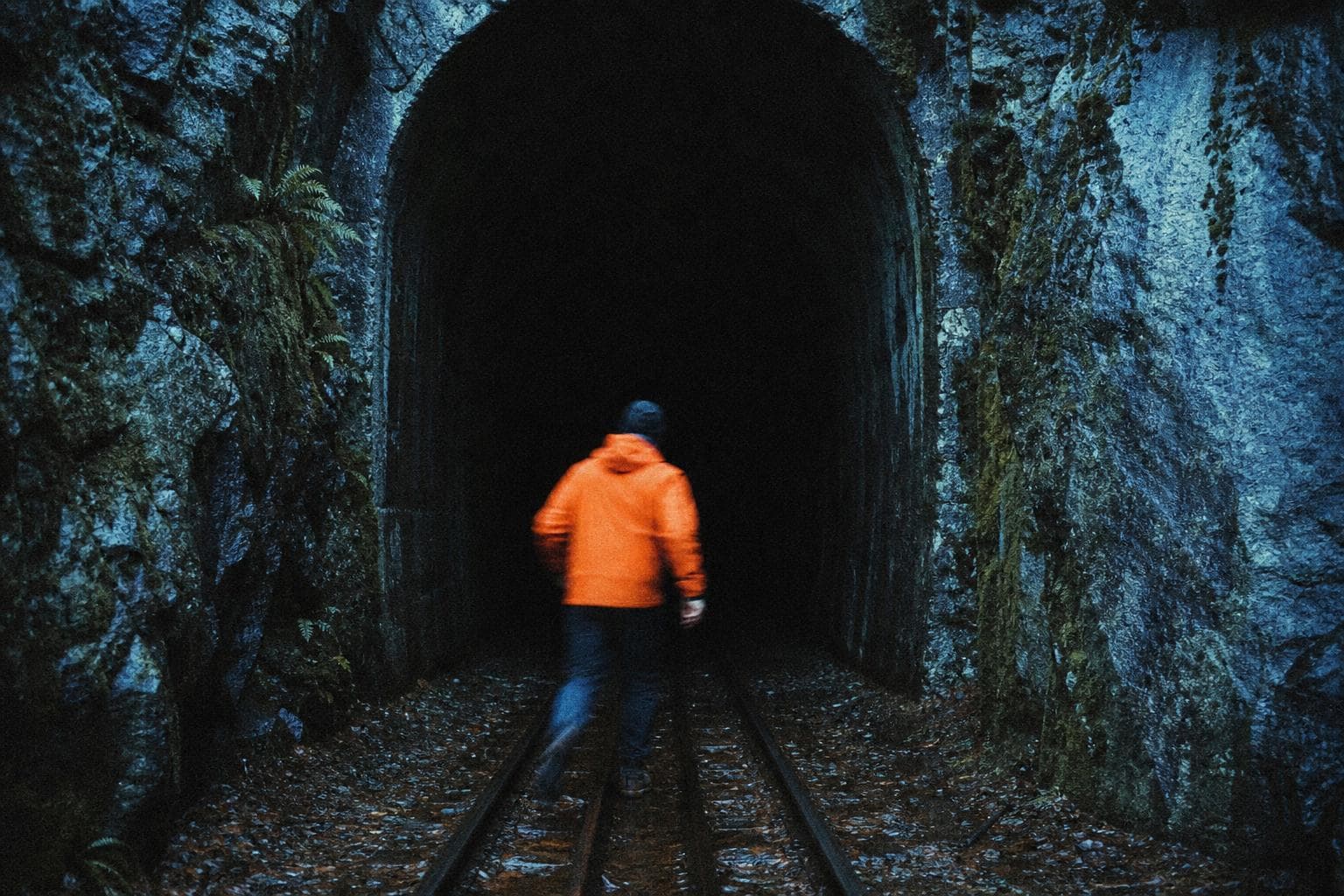

Every city has tunnel myths. Vancouver's version involves Prohibition-era smuggling routes under Gastown, steam tunnels connecting downtown buildings, and various underground passages that locals swear exist but nobody can quite find the entrance to. Some of it is real. Some of it is extremely not. Here's what's actually down there — and what you can actually do about it.
City Pulse — The Surface Level Has Events Too
Before we go underground, a few things happening above ground this week and next.
The Gastown area is worth a wander this weekend regardless — the neighborhood runs walking tours that include what Peek.com describes as a "secret tunnel" connecting Canada Place to the Convention Centre, plus the full Water Street history including the wooden brick pavement we covered a few issues back. Tours depart from Canada Place and run through to Woodward's Building near Victory Square. Cost varies by operator — check current listings before you go, and book at least 24 hours ahead if you want a refund option.
The Steam Clock on Water Street hits its best performance at noon, if you time it right. Touristy? Yes. Still kind of great? Also yes.
Urban Exploration — Separating Myth from Accessible Reality
Let's be honest about what the sources actually confirm, because the tunnel mythology around Vancouver is genuinely more interesting than the fabricated version.
What's real but restricted: The Carte Urbex documentation of New Westminster mentions a network of tunnels and underground passages beneath the historic downtown, dating to the 19th century and used for transporting goods — and, per local legend, "other less official activities." Guided tours are occasionally organized by local groups. This is the closest thing to a verified, accessible underground in the immediate Metro Vancouver area. Worth watching for — search "New Westminster tunnel tours" and check community boards, because these pop up irregularly.
What's real and worth visiting above ground: The Jericho Beach bunkers — concrete WWII coastal defense structures now covered in graffiti — are documented and accessible. They're not underground, but they scratch the same itch: military infrastructure that most people walk past without noticing, now reclaimed by taggers and curious teenagers. No trespassing required.
What's myth: The Prohibition tunnel stories are compelling and widespread, but I can't find a single source that confirms a specific, accessible, verified smuggling tunnel under Gastown. The Atlas Obscura reader submissions on hidden city tunnels are instructive here — almost every city has these legends, some trace back to real infrastructure, and some are just good stories that got repeated enough to feel like history. Vancouver's bootlegger tunnel lore falls somewhere in that gray zone. If you find the actual entrance, please report back.
The Canada Place tunnel mentioned in the Gastown tour is real — it's a pedestrian connection, not a Prohibition relic — but it's the kind of thing that sounds more dramatic in a tour description than it is in person. Still: underground passage, technically counts.
Nature Adventures — The Tunnels Worth the Trip
Here's where it gets genuinely good. The Othello Tunnels near Hope — about 90 minutes from Vancouver — are five granite railway tunnels carved through the Coquihalla Canyon in the early 1900s, now part of a provincial park. They're dark, they're cold, they're dramatic, and they're completely legal to walk through. Parkbus has run shuttle service from downtown Vancouver to the park in partnership with NatureLink, which means you don't need a car.
Difficulty: Easy — flat, paved path through the tunnels. Bring a headlamp or phone torch; it gets genuinely dark inside. Time commitment: Full day trip. What to bring: Layers (the tunnels are cold even in May), good shoes, and a light source. The canyon walls alone are worth it.
This is the underground experience that actually delivers — not a myth, not a tour script, just you walking through a mountain with a flashlight.
Elsewhere — Whistler's Graffiti Boxcars
If the tunnel mythology has you wanting something you can actually photograph, the Whistler Train Wreck is a two-hour drive north and delivers exactly what it promises: a series of boxcars that derailed in the 1950s, left in the forest, and now covered in decades of graffiti. Accessible via a hiking trail. The combination of rusted industrial wreckage and old-growth forest is the kind of thing that photographs itself.
It's not underground. But it's the same impulse — finding the places where infrastructure got abandoned and nature (and taggers) moved in. Sometimes that's better than any tunnel.


