



Here's the thing about underground tunnel legends: they're almost never real, and they almost never die.
A masonry crew in Victoria recently got the closest look anyone has had in 70 years at one of the most persistent examples. At the site of the former Hudson's Bay warehouse on Wharf Street, workers with Heritage Masonry and Conservation spent weeks carefully dismantling portions of a brick retaining wall dating to the 1880s — the kind of project that hadn't been touched since the 1950s. For decades, locals had pointed to a bricked-up archway in that wall as proof of secret tunnels beneath the city. Smuggling routes. Hidden passageways. The whole mythology.
What they found, according to CHEK News, was "burnt timbers, jagged old steel, some chain-link fence." No tunnels. No chambers. Just a sealed-off void that had been quietly accumulating disappointment since before your grandparents were born.
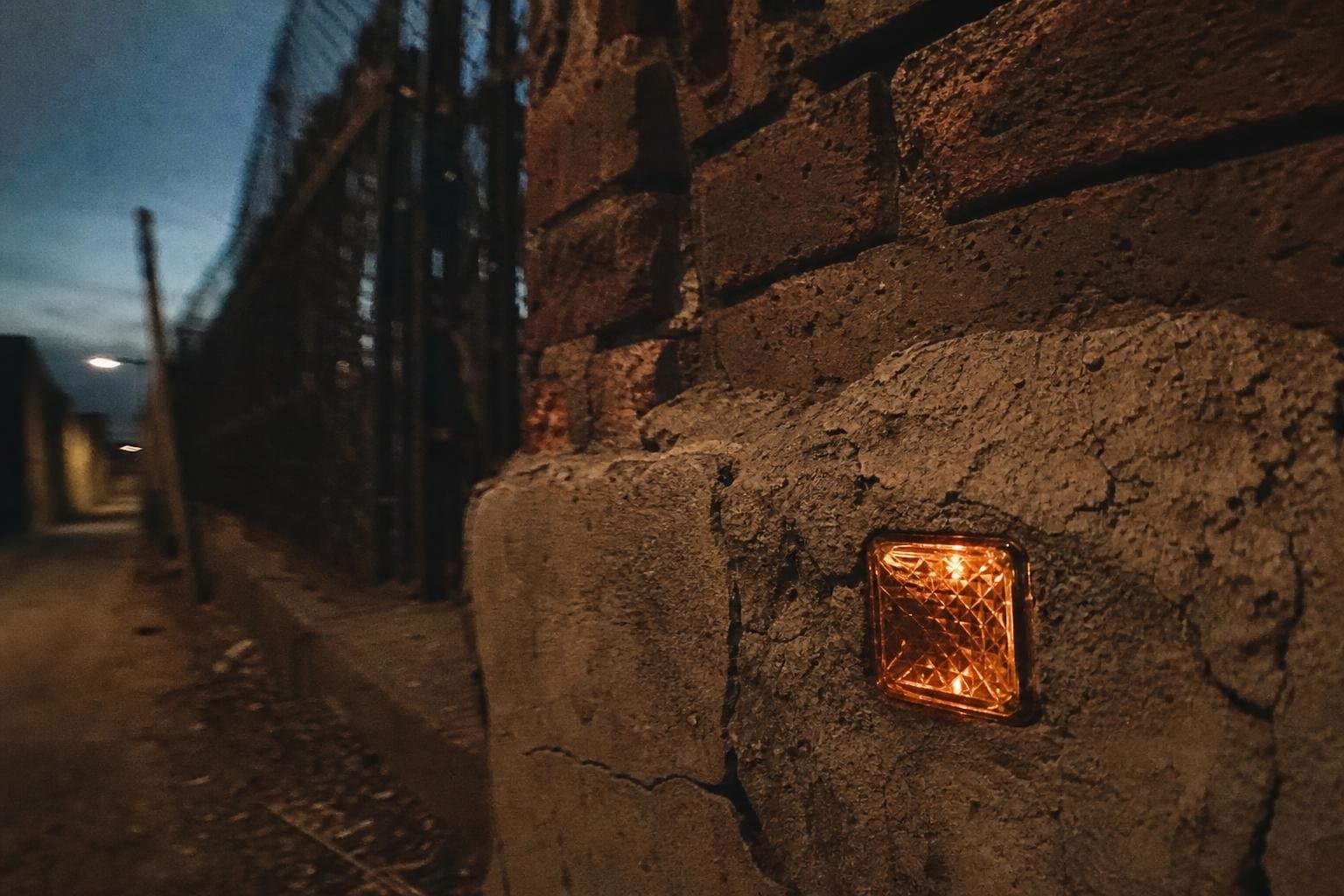
Local historian John Adams, who gives tours in Victoria, told CHEK he gets asked about the tunnels constantly. "When we say there aren't any, they're very disappointed and they don't believe us." The glass sidewalk prisms scattered through Victoria's downtown — those small translucent squares that let light filter into spaces below street level — have been doing a lot of narrative heavy lifting for a very long time.
Why We Keep Inventing the Tunnels
The Victoria story matters to Vancouver explorers because the same mythology runs through our city, and for the same reasons. Old brick buildings. Narrow alleys. A port history that includes enough actual smuggling and vice to make the legends feel plausible. The feeling that something must be hiding under all this.
Seattle's underground is the regional example that actually delivered — after the Great Seattle Fire of 1889, engineers raised the street level by one to two stories, leaving the original ground floor of the city literally buried. You can walk tours of it today. That story is so good it probably makes every other Pacific Northwest city's tunnel legend feel more credible by proximity.
But as Victoria's historian put it: smugglers didn't need elaborate underground infrastructure. Waiting until dark was usually sufficient. The tunnel myth is less about what was actually built and more about what we want a city's history to contain — moral complexity, hidden layers, proof that the official version isn't the whole story.
What Vancouver Actually Has
This is where it gets more interesting than the legend. I wrote about Vancouver's documented underground history back in May, and the honest takeaway was that the verified reality is stranger than the myths, just differently strange.
Atlas Obscura documents Science World Station — the SkyTrain infrastructure that exists in genuinely unusual configurations beneath and around the city. The urbex community's interest in Vancouver tends to focus less on tunnels and more on the structures that are actually there: the McBarge near Vancouver, the decommissioned industrial sites, the spaces that were built for one purpose and then simply stopped being used. These are documented, photographed, and in most cases privately owned — which means accessing them without permission is trespassing, full stop.
The more productive angle for anyone actually trying to explore Vancouver's hidden history isn't looking for tunnels that don't exist. It's learning to read what's visible. Aaron Chapman's Vancouver After Dark, recently restocked at UBC Bookstore and winner of the Bill Duthie Booksellers' Choice Prize, does exactly this — it traces the city's Chinatown cabarets, East End dives, and punk venues not through mythology but through archival photos and the actual addresses where things happened. The hidden history is mostly above ground. It's just been renovated over.
The Scout's Approach to Urban History
If you want to actually engage with Vancouver's layered past rather than chase legends, the move is to treat the city like a document you're learning to read. Those glass sidewalk prisms exist in parts of Vancouver too — they're not evidence of tunnels, they're evidence of basements, of street-level changes over decades, of the fact that the ground you're walking on has been built up and over multiple times.
Find the historians who give tours. Look for the buildings where the brick doesn't match. Notice when a neighborhood's street grid suddenly shifts angle — that's usually a property boundary from a different era of the city's development, fossilized in asphalt.
The tunnel myth is appealing because it promises a secret world that requires no effort to access — just find the right door. The actual hidden history of Vancouver is more demanding. It asks you to pay attention to what's already in front of you. That's harder, and it makes for better stories.