


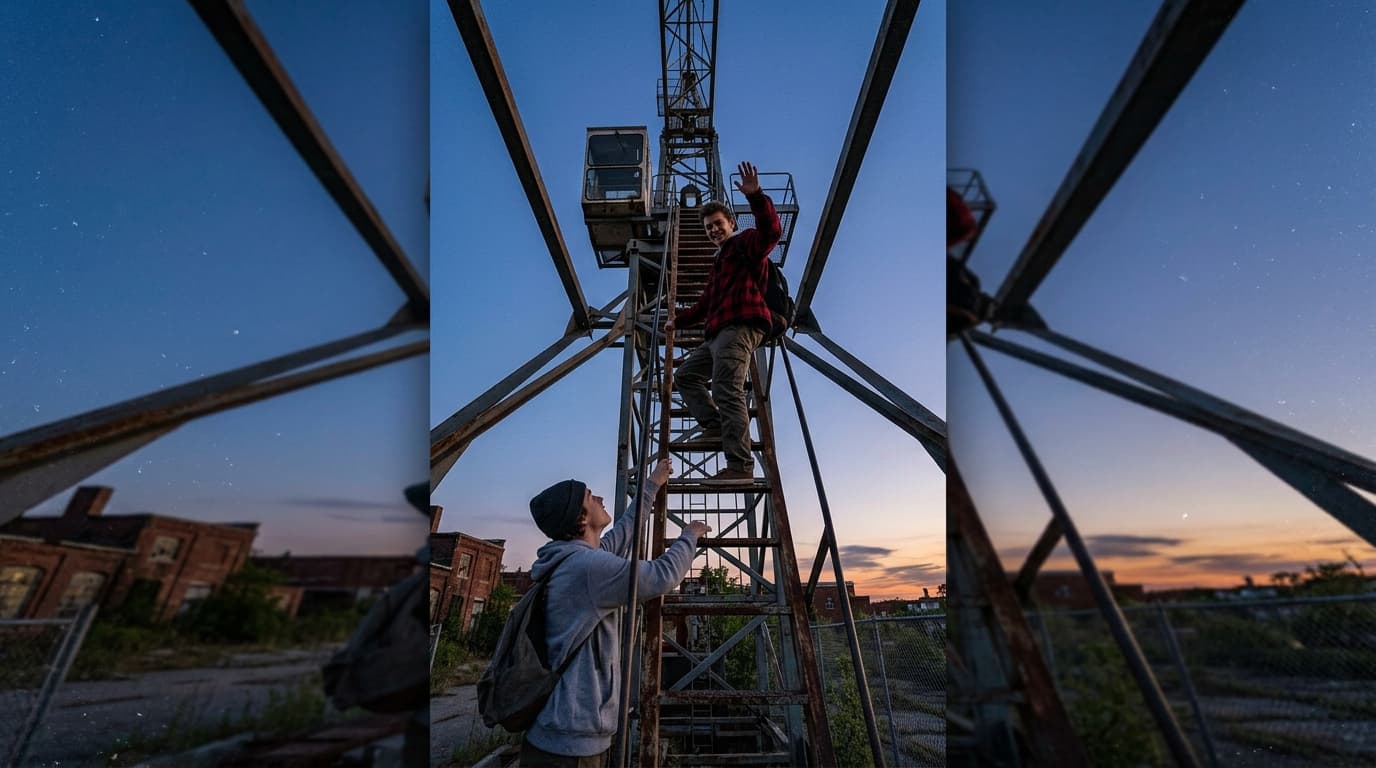

Here's the thing most urbex content won't tell you upfront: the majority of abandoned buildings you see on Instagram are technically trespassing. The aesthetic is real. The legal risk is also real. Entering an abandoned building without permission is typically illegal — at minimum a trespassing charge, potentially worse — regardless of how derelict the property looks or how long it's sat empty.
But that doesn't mean the hobby is off-limits. It means you need a different entry point.
🕐 This Week's Sidequest: Book a Guided Urbex Tour
The cleanest path into urban exploration for beginners is also the most overlooked: book a tour where access is already arranged. A growing number of heritage organizations, photography groups, and local history societies run guided access to otherwise-closed sites — former factories, decommissioned hospitals, industrial ruins — where the organizer has secured written permission from the property owner.
Why it works: You get the atmosphere, the history, and the photos without the legal exposure. You also go with people who know the building's hazards, which matters more than it sounds. Floors in abandoned structures can be genuinely unstable — one experienced urbexer's account describes a friend falling through a floor and surviving only because others were present.
How to find one: Search your city name plus "heritage access tour," "urban history walk," or "photography access" — many run on a rolling monthly basis. Local historical societies are an underrated resource here.
Cost: Varies, but guided access tours typically run $15–40. Free options exist through municipal preservation programs in some cities.
Time commitment: Usually 2–3 hours.
Accessibility: Varies by site — ask organizers ahead of time. Many tours cover exterior and ground-floor areas only, which are often more accessible than upper floors.
📍 Bookmark These for Later
Exterior urbex — the underrated version MapUrbex's beginner guide makes a point worth sitting with: "For most beginners, the better starting point is slow observation — exterior photography, public viewpoints, organized access, or low-risk sites with clear entry conditions." Shooting from public sidewalks and viewpoints is completely legal, often produces striking images, and builds your eye for composition before you ever step inside anything. A group of friends with cameras and a list of interesting exteriors makes for a genuinely good afternoon.
Ruins with public access Many countries and regions have designated heritage ruins on public land — old fortifications, industrial remnants, abandoned rail infrastructure — where walking through is explicitly permitted. In the US, the National Park Service and state park systems manage several. Urbex.direct's beginner guide notes that abandoned asylums, factories, and tunnels are common urbex destinations, but the key distinction is whether access is sanctioned. Public land ruins sidestep the legal question entirely.
The permission route If there's a specific site you're genuinely curious about, asking the owner directly is a legitimate strategy — find the owner, request written permission, carry it with you. It sounds formal, but owners occasionally say yes, especially for photographers who frame the request around documentation and preservation. It's a longer play, but it turns a trespass into a story.
📬 Community Spotlight
Have you found a legally accessible ruin, heritage site, or guided tour worth sharing? Reply to this email with the name, location, and what made it worth the trip. The best submissions go in next week's issue — and if you've got photos, even better.
The best sidequests are the ones people actually come back from.