
Google held its annual I/O developer conference this week, and if you watched the keynote, you may have come away with one of two reactions: either "this is genuinely useful" or "what on earth is Antigravity?" Both reactions are correct.
Let me sort out what actually matters for regular people — and what's just Google doing what Google does, which is announce ten things when two would have been plenty.
The Search Redesign Is the One That Affects Everyone
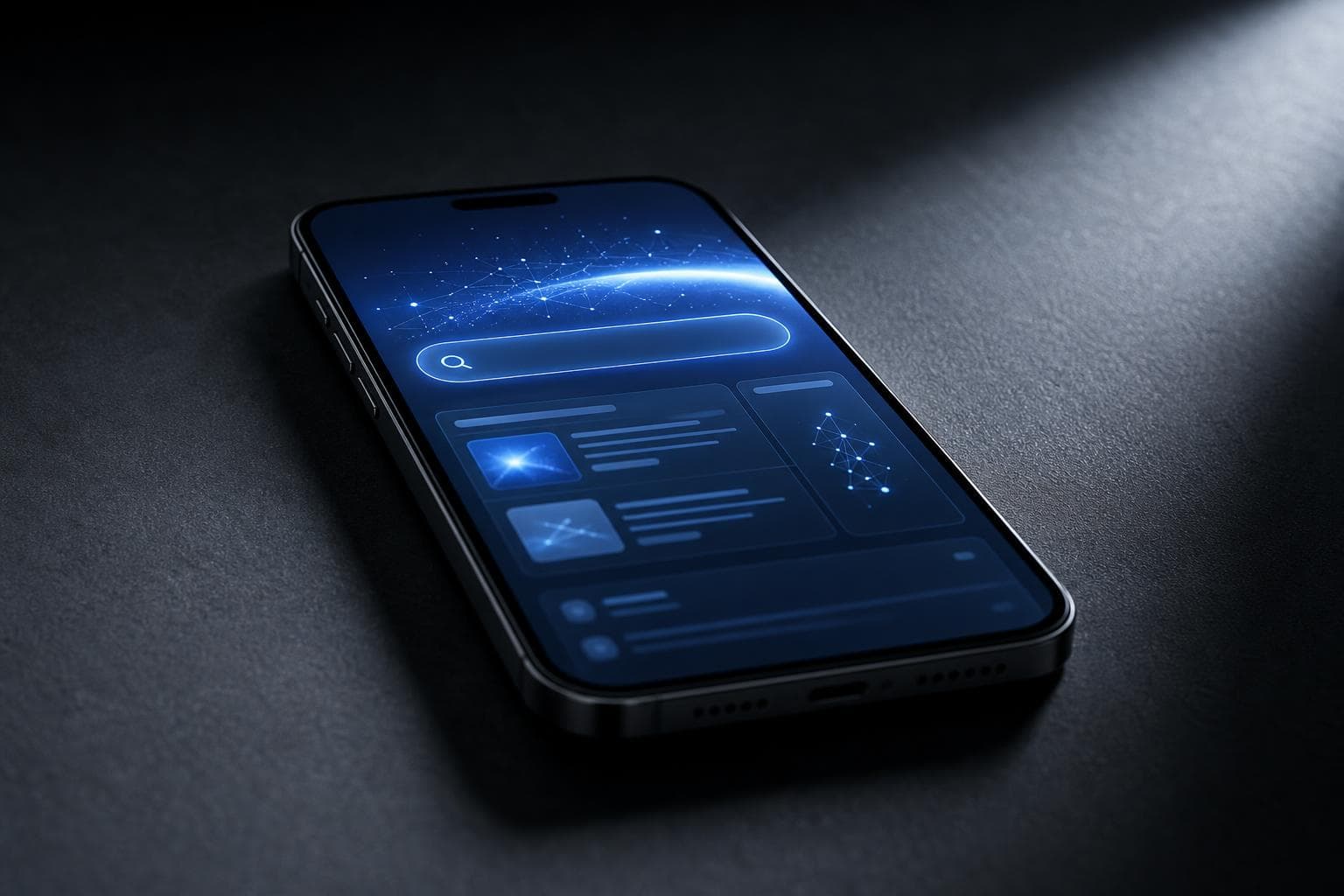
The headline announcement is a redesigned Google Search, which CEO Sundar Pichai called the biggest upgrade to Search in 25 years. That's a bold claim, but the underlying change is real and straightforward: the search box now expands dynamically so you can ask longer, more natural questions, AI-generated overviews get a follow-up question field right on the results page, and autocomplete suggestions are now AI-assisted rather than purely pattern-matched.
This is the kind of change that will affect every person who uses Google — which is to say, nearly everyone. You don't have to opt in. You don't have to understand what a large language model is. You just type a question and get a more conversational result.
The honest caveat, which Wirecutter's Caitlin McGarry noted from the ground in Mountain View: you'll still need to check the AI's work. That's not a knock on Google specifically — it's the state of the technology. AI overviews have been wrong before, sometimes embarrassingly so. The redesign makes the experience smoother; it doesn't make the AI infallible.
The Paid Tier Is Where It Gets Interesting — and Complicated
For Gemini subscribers, Google announced something called "information agents" — a sophisticated evolution of Google Alerts that actively monitors topics you care about and synthesizes what it finds. Wirecutter's recap described a demo where an agent tracked the indie music scene in Nashville and surfaced information about Phoebe Bridgers' ongoing tour of secret shows, pulling from Reddit threads and other sources. That's a genuinely compelling use case — the kind of ambient, always-on research assistant that would have sounded like science fiction five years ago.
Paid subscribers will also be able to generate custom-coded results directly from search: a weekend itinerary formatted as a shareable calendar, an animation explaining black holes for a student. These are real, practical outputs, not just chat responses.
But here's where I'd pump the brakes slightly. None of this is available yet — the advanced tools are slated for "this summer," which in Google's calendar could mean August or could mean December. And the pricing structure for Gemini subscriptions remains a moving target. If you're not already paying for Gemini, it's worth waiting to see how these features actually roll out before committing.
The Branding Is Genuinely Confusing, and That's a Real Problem
Google also announced Google Spark, described as a "24/7 personal agent" built into Gemini. It runs on Gemini 3.5. It uses something called Antigravity, which is a development platform for AI agents. There are also products called Omni and Gemini 3.5 Flash floating around in the same announcement.
I'm not going to pretend this is fine. Wirecutter's recap put it plainly: "Many of them were confusingly named, with little information about how they will integrate with Google's other products and services." That's a charitable framing. When a company announces a product and the immediate question is "how is this different from the product you already have," that's a UX failure before the product even ships.
For regular people, the practical advice is simple: ignore the names. Watch what actually appears in your Google apps over the next few months. If something new shows up in Search or Gemini that seems useful, try it. Don't try to build a mental model of how Spark relates to Antigravity relates to Gemini 3.5 Flash — Google's own marketing team apparently can't explain it clearly.
The Smart Glasses Tease
Google also previewed a lineup of smart glasses, planned for a fall launch in partnership with Samsung and eyewear brands Warby Parker and Gentle Monster. Wirecutter got a hands-on preview, but details remain thin. I'll revisit this properly when there's more to evaluate — fall launches with spring teasers have a way of arriving very differently than the demos suggest.
Bottom line: The Search redesign is real and worth paying attention to — it's the most significant change to how most people interact with Google in years. The paid-tier AI tools look genuinely useful, but they're not here yet. And the product naming situation is, charitably, a work in progress. Watch for the Search changes to roll out to your account over the coming weeks; that's the one that doesn't require any decisions on your part.
What I'm Watching Next: Whether Google's information agents actually launch this summer as promised, and how the smart glasses compare to Meta's Ray-Bans when fall arrives. Also keeping an eye on ElliQ, the companion robot for older adults that The Verge reviewed this week — a genuinely interesting category that deserves its own issue.


