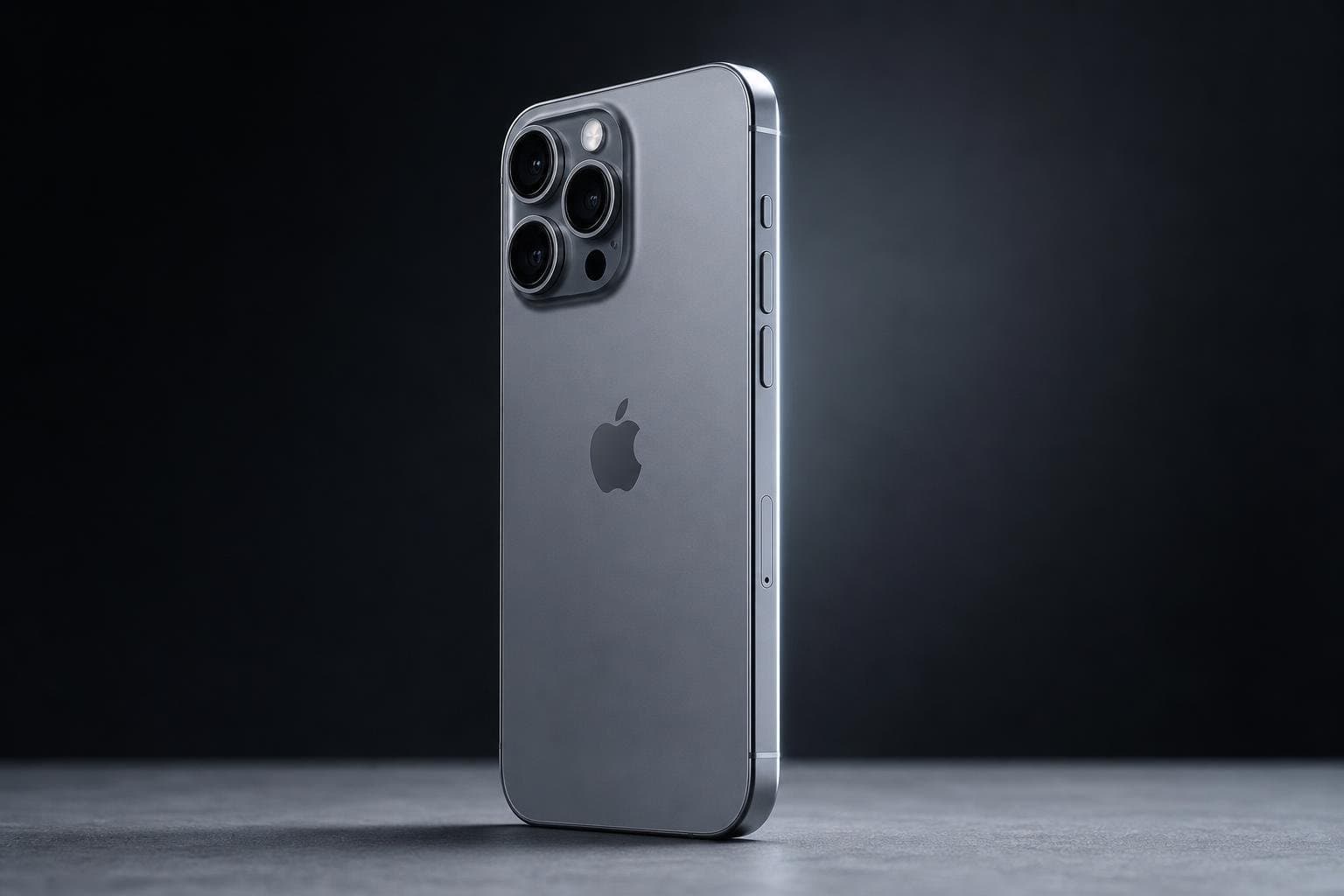

September is Apple's month, and this year it arrived with unusual weight. A new CEO on stage for the first time. A foldable iPhone that the company had been rumored to be building for years. And, quietly but perhaps most practically, a major software update that started rolling out to hundreds of millions of existing devices. For most people, that last part is the one that actually matters right now.
The Software Update You Can Use Today
Apple's iOS 27, iPadOS 27, and macOS 27 updates began rolling out September 14, and the feature list is more substantive than the usual annual refresh. The next generation of Apple Intelligence brings a handful of genuinely useful additions: Safari now automatically organizes your open tabs into topic groups, which sounds like a small thing until you have 47 tabs open and can't find the one you actually need. A new "Notify Me" feature watches websites for changes — price drops, product restocks — and surfaces alerts on your lock screen. Photos gets an upgraded Clean Up tool alongside new Extend and Spatial Reframing options for editing. And Call Context pulls up relevant information (a confirmation code, a reservation number) when you're calling a business.
None of these are revolutionary. But they're the kind of friction-reducers that make a phone feel meaningfully smarter over time, which is exactly what a software update should do. The parental controls overhaul also looks substantial, though the full picture of how well those tools work in practice will take a few weeks of real-world use to assess.
The honest caveat: Apple's marketing copy is, as always, aspirational. I covered Apple's software bet back in June, when the early previews landed with more promise than delivery. Whether this release closes that gap is something reviewers will need to report on over the coming weeks. For now, the update is available and worth installing — the features are real, even if their day-to-day reliability remains to be seen.
The iPhone 18 Pro: Battery Life as the Headline
The new hardware is a different conversation. PCMag's review of the iPhone 18 Pro leads with battery life as the defining improvement — the headline alone ("Finally Killed My Small Phone Battery Anxiety") tells you what the reviewer found most significant. That's a meaningful signal. Battery anxiety is one of the most universal complaints among smartphone users, and if the 18 Pro genuinely addresses it, that's a real-world win that matters more than any spec sheet number.
CNET's pre-event coverage flagged that the 18 Pro lineup was expected to arrive alongside the foldable iPhone Ultra — the first foldable from Apple, and the first keynote under new CEO John Ternus. I wrote about the foldable iPhone last week, so I won't retread that ground here. The short version: the price tag is the story, and it remains a device for enthusiasts, not the mainstream.
For most people considering an iPhone upgrade, the calculus is actually simpler than Apple's event made it seem. Wirecutter's current guidance still points to the iPhone 17 as the best all-around pick — a phone that now offers a 120Hz display, an 18-megapixel front camera, and strong battery life at $829. If you're on an iPhone 13 or older and feeling the slowdown, the 17 is a more sensible upgrade target than chasing the 18 Pro at a higher price point, unless battery life on your current phone is genuinely your primary complaint.
The Wider Week in Hardware: A Toaster, Some AR Glasses, and a Toothbrush That Breaks
Apple wasn't the only story this week. A few other things caught my attention.
Snap's new Specs AR glasses got a hands-on from Engadget, and the verdict is genuinely interesting: at $2,195, they're the first consumer-ready AR glasses that replicate meaningful mixed-reality functionality without a tethered connection or separate controller. The hand tracking is reportedly responsive, the OS feels more polished than previous Snap hardware, and the weight (132 grams) is distributed well enough that they don't feel as heavy as they are. But they're chunky, they're expensive, and the reviewer was candid about not knowing who the target customer ultimately is. I'd put them in the "impressive proof of concept, not ready for most people" category — worth watching, not worth buying yet.
Engadget also reviewed Breville's $300 Eye Q Toaster, which uses optical sensors to toast bread by color rather than time. The review is positive — the approach genuinely solves the "why is my toast different every morning" problem — but $300 is a lot to spend on a toaster, and the review's own headline poses the right question. A clever idea. A steep ask.
And The Verge reported that early users of Dyson's $499.99 CameraJet electric toothbrush are experiencing water intrusion into the battery compartment — a significant problem for a device designed to be used while wet. One user reported their unit broke within 30 seconds. If you were eyeing that one, hold off.
The through-line across all of it: the most useful thing that happened this week for most people is a software update they can download for free. The hardware is either too expensive, too early, or — in at least one case — literally breaking. Install iOS 27, enjoy the tab organization, and let the gadget market settle before reaching for your wallet.


