
U.S. developers have plans to add 24 gigawatts of utility-scale battery storage to the grid in 2026 — up from 15 gigawatts in 2025, itself a record. The subsidy architecture is largely intact. The supply-chain rules are complicated but navigable. And yet, as of this month, battery storage projects are stalling — not because the economics don't pencil, but because utilities can't connect them fast enough.
That's the actual story of grid-scale battery economics right now. The subsidy question has a reasonably clear answer. The interconnection question does not.
The Subsidy Stack Is Intact — With One Expensive Asterisk
Start with what's working. The Inflation Reduction Act's technology-neutral clean electricity credits — the CEITC and CEPTC under Sections 48E and 45Y of the tax code — apply to all zero-emissions energy technologies, including storage, placed in service in 2025 or later. Battery storage wasn't killed off by the One Big Beautiful Bill Act the way wind and solar generation credits were accelerated toward sunset. That's a meaningful distinction: storage projects still have a relatively stable federal credit runway to underwrite project finance.
The base investment tax credit runs at 30% of capital costs, with bonus credits of 10% for energy communities and 10% for domestic content. Stack those and a project in an energy community using qualifying domestic components can reach 50% — which is why the ITC remains the load-bearing beam of most project pro formas.
The asterisk is the domestic content requirement, and it's a real one. The One Big Beautiful Bill Act introduced new foreign-entity-of-concern restrictions on investment tax credits and advanced-manufacturing production credits for energy storage projects. For projects beginning construction in 2026, at least 55% of project costs must originate from non-prohibited foreign entities to qualify. The problem: most of the global battery supply chain runs through China, which is a prohibited source. Developers who can't document compliant sourcing don't just lose the bonus — they risk losing the base credit entirely.
The result is a bifurcated market. Projects with access to qualifying supply chains can still model strong returns. Projects that can't — which, right now, is a significant share of the pipeline — face a materially different cost structure. The subsidy is theoretically available; capturing it requires supply-chain documentation that many developers are still scrambling to assemble.
The Interconnection Queue Is Where Projects Actually Die
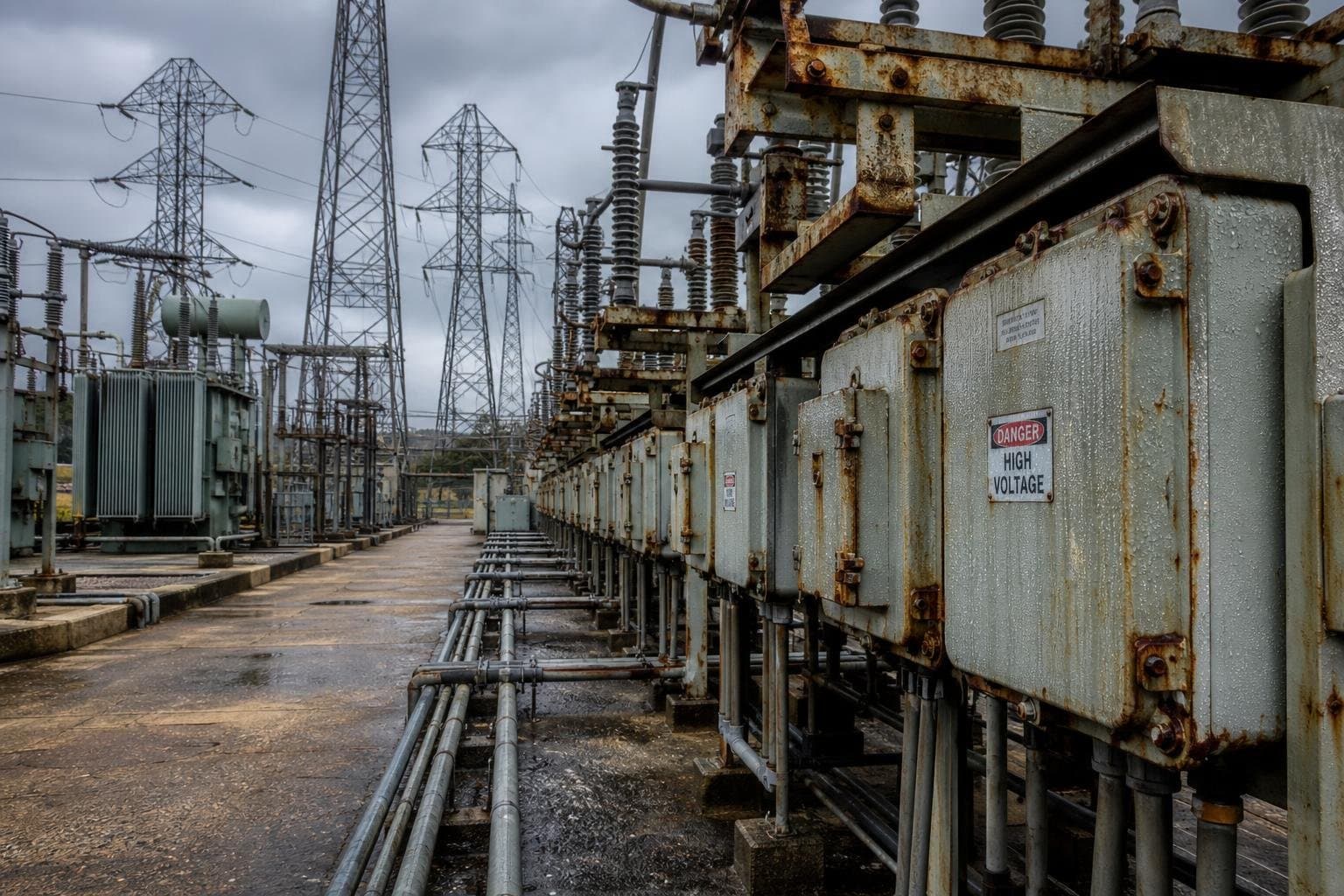
Set aside the supply-chain problem for a moment, because there's a more immediate bottleneck that doesn't get enough attention in subsidy discussions: battery storage projects are flooding the interconnection queue faster than utilities can process the grid upgrades needed to connect them.
This matters for the economics in a way that subsidy analysis often misses. A project that sits in the interconnection queue for two or three extra years isn't just delayed — it's carrying financing costs on capital that isn't generating revenue, it's exposed to equipment price changes, and it's burning through whatever tax credit runway it has. The ITC clock runs from when a project is placed in service. A project stuck waiting for a grid upgrade doesn't get placed in service.
About 80% of planned 2026 battery additions are concentrated in Texas, California, and Arizona — three states with very different grid operators and interconnection regimes. Texas's ERCOT has its own dynamics; California's CAISO and Arizona's mix of Western Interconnection utilities have theirs. What they share is a queue that has grown faster than the infrastructure needed to clear it.
The demand driver is real: electricity use is swelling, driven by data centers and broader electrification, and batteries are increasingly the preferred solution for grid operators trying to manage the resulting volatility. Falling battery prices have made the economics more attractive. But decades of underinvestment in transmission and distribution infrastructure mean that the grid itself is the constraint — and no amount of federal tax credit changes that.
What the Numbers Actually Require
Here's the honest cost-benefit framing: grid-scale battery storage in the U.S. currently needs the ITC to be financeable in most markets. That's not a criticism of the technology — it's a statement about where battery economics sit relative to the cost of capital. The subsidy requirement is real, and the domestic content rules have made it harder to capture cleanly.
But the more urgent problem for developers right now is the interconnection queue. A project that can't get a grid connection date has no revenue model regardless of what the tax credit says. The 24-gigawatt planned build for 2026 is a pipeline number, not a delivery number — and the gap between those two figures is largely explained by grid upgrade delays, not subsidy gaps.
Watch for two things in the next six months: how many of those planned 2026 additions actually reach commercial operation before year-end (EIA's monthly generator inventory will show the slippage), and whether FERC's interconnection reform rules — which have been trying to address queue backlogs — start showing measurable throughput improvements. If the queue doesn't clear faster, the subsidy math becomes academic.


