
Back in May, I argued that intermittent fasting's metabolic "magic" is probably just eating less. A fresh wave of research has landed since then — including a BMJ network meta-analysis and two new randomized controlled trials — and the picture hasn't dramatically shifted. But it has gotten more textured in ways worth examining.
The short version: intermittent fasting works. It just doesn't reliably work better.
The BMJ Meta-Analysis and Why Its Conclusions Need a Footnote
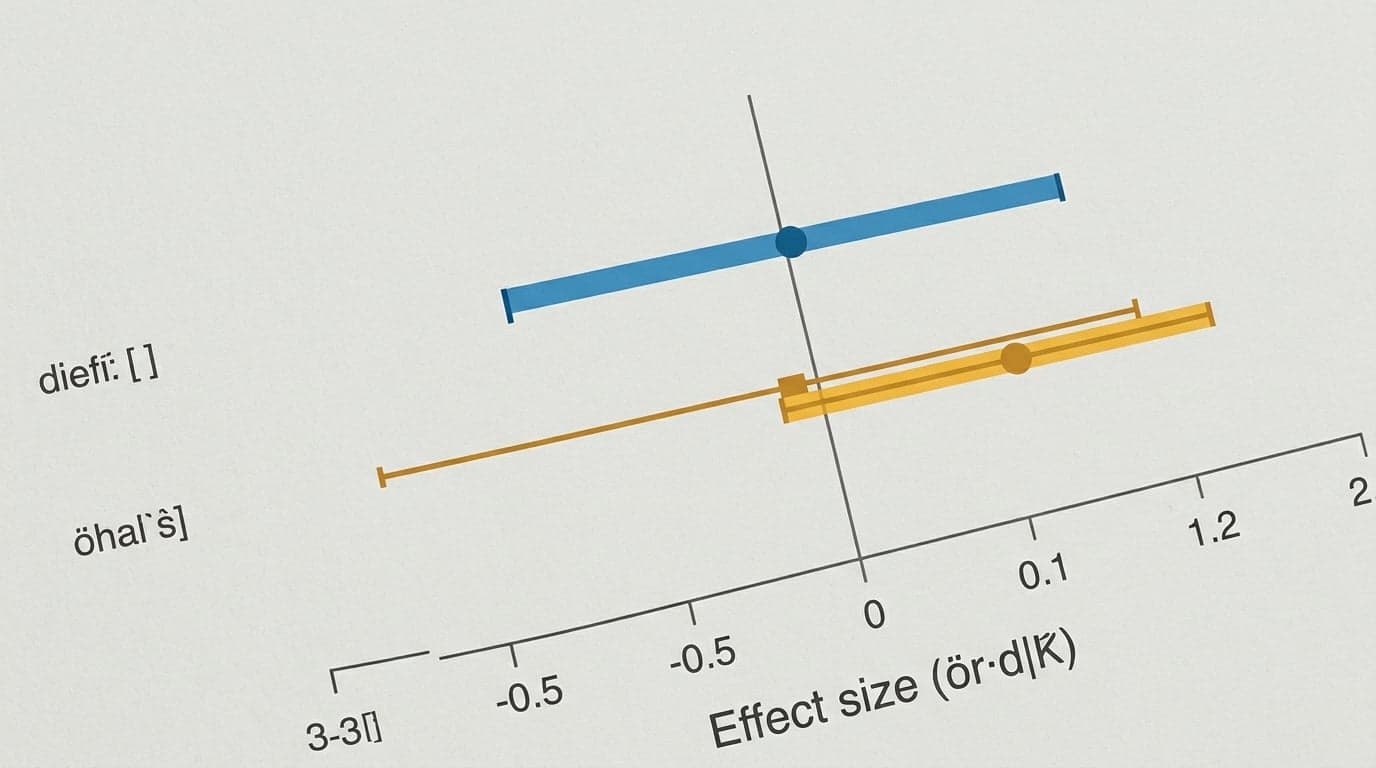
The most significant recent entry is a network meta-analysis published in the BMJ comparing intermittent fasting strategies — including alternate-day fasting — against continuous energy restriction for weight loss and cardiometabolic outcomes. The authors suggest alternate-day fasting may confer superior benefits on certain metabolic parameters.
That finding got picked up enthusiastically in health media. What got less attention was the response letter published alongside it, which raises problems that matter. The critics point out that the continuous energy restriction arms in these trials are heterogeneous in ways that make comparison difficult — different prescribed caloric deficits, different dietary compositions, different adherence patterns. When you're comparing a tightly structured alternate-day fasting protocol against a loosely defined "eat less" control, you're not really testing the mechanism. You're testing structure versus ambiguity.
The same response notes that several comparative studies and meta-analyses have reported similar outcomes between intermittent fasting and continuous calorie restriction for weight reduction and cardiometabolic risk factors, and that "neither approach is consistently superior across populations or outcomes." The BMJ's own linked editorial frames the fasting result as a useful addition to the dietary toolkit — not a paradigm-overturning finding. (The word "paradigm" is banned in this newsletter, but you get the idea.)
What the New RCTs Actually Show
Two recent randomized trials add useful texture.
A non-inferiority trial published in Diabetologia tested time-restricted eating against individualized dietetic guidance in adults at risk of type 2 diabetes. The primary outcome was HbA1c change at four months. Time-restricted eating was non-inferior — but not superior — to the dietetic guidance arm. At 12 months, non-inferiority could no longer be concluded, though the absolute HbA1c changes in both groups were small enough that the authors describe them as "not clinically meaningful." The trial's conclusion is notably pragmatic: time-restricted eating "may offer a practical short-term alternative when access to dietetic support is limited, or if the approach is preferred by an individual." That's a very different claim than "fasting is metabolically superior."
Meanwhile, a UCSD randomized controlled trial published in Obesity — the TREAD trial — found that time-restricted eating promoted weight loss and favorable changes in adipose tissue in people with obesity. That's a real finding. What the trial design can't fully disentangle, as with most fasting research, is whether the eating window itself drove the benefit or whether participants simply ate less because their window was shorter.
The Muscle Mass Problem Nobody Talks About Enough
Here's the angle that doesn't get enough airtime in the fasting discourse: what you lose matters as much as how much you lose.
A systematic review and network meta-analysis published in Diabetes, Obesity and Metabolism in May 2026 examined calorie restriction's effects on fat-free mass and skeletal muscle mass. The finding is straightforward and somewhat uncomfortable: calorie restriction reduces both fat mass and fat-free mass, including skeletal muscle. The review focused on whether adding exercise training mitigates that muscle loss — it does — but the baseline finding is relevant to the fasting debate.
Most intermittent fasting trials measure weight loss and a handful of cardiometabolic markers. Fewer track what's happening to muscle mass over time, and the trials that do tend to be short. If alternate-day fasting produces modestly better insulin sensitivity numbers at three months but comparable or worse muscle preservation at twelve, the "superior metabolic outcomes" framing starts to look thinner.
What This Means for How You Should Think About It
The research keeps arriving at the same uncomfortable place: both approaches work, adherence is the dominant variable, and the metabolic differences between them are modest at best and inconsistent at worst. The JAMA umbrella review of intermittent fasting meta-analyses — which covered 11 meta-analyses and 130 randomized clinical trials — found that none of the included meta-analyses rated as high quality on AMSTAR-2 assessment. That's not a reason to dismiss the evidence; it's a reason to hold the conclusions loosely.
The honest answer to "does intermittent fasting improve metabolic health more than calorie restriction?" is: sometimes, slightly, in some populations, on some markers, in short-term trials with significant methodological variation. Which is a real answer — just not the one the wellness industry wants to sell you.
What the Diabetologia trial's conclusion actually captures well is the more defensible case for fasting: it's a structure that some people find easier to follow than counting calories. If adherence is the real variable, then the best diet is the one you'll actually maintain. That's not a metabolic argument. It's a behavioral one. And it's probably more useful.


