


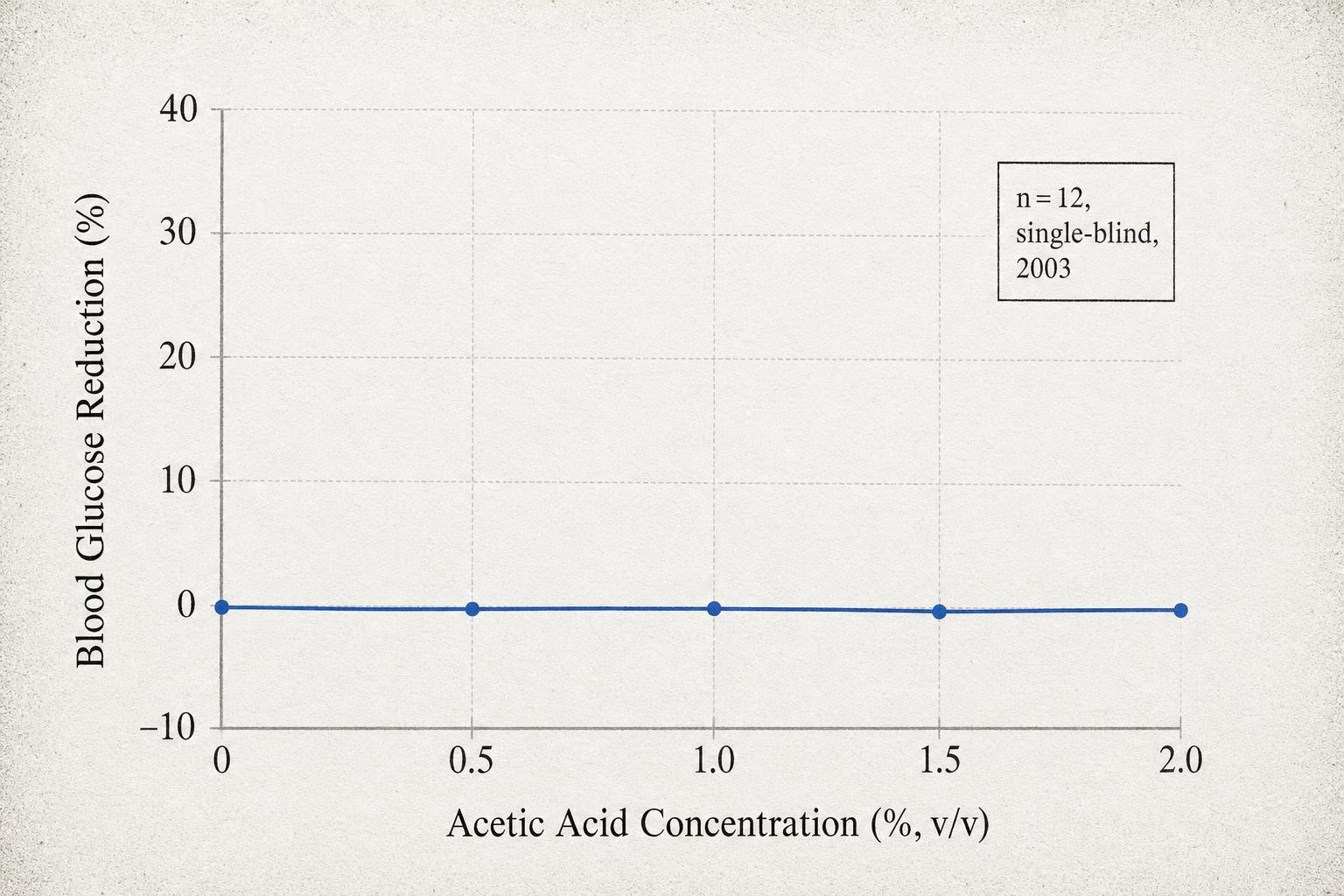

Scroll through enough wellness content and you'll find the same ritual described with near-religious specificity: a tablespoon of apple cider vinegar in water, ideally before a meal, supposedly to blunt a glucose spike or nudge the scale downward. The claim has outlived several other fads, which is itself interesting — it suggests either genuinely durable evidence or just a very catchy piece of folk physiology. Having gone looking for the former, I want to be upfront about what I actually found versus what the internet insists exists.
The One Thing Apple Cider Vinegar Actually Is
Start with what's verifiable. Apple cider vinegar is a fermented food, made the same basic way as yogurt, kimchi, sauerkraut, and kombucha — microorganisms doing their work on a base ingredient over time. The NIH Office of Dietary Supplements lists it right alongside those other fermented products in its consumer fact sheet on probiotics.
That's a meaningfully smaller claim than "contains proven health benefits." The same NIH page is explicit on this point: fermentation produces microorganisms, but "not all these foods necessarily contain probiotics with proven health benefits." That distinction — fermented versus therapeutically effective — is where a lot of ACV marketing quietly skips a step. A product can be a legitimate fermented food and still have no demonstrated mechanism for lowering blood glucose or driving weight loss. Those are separate questions, and conflating them is the oldest trick in supplement marketing: borrow the general credibility of "fermented foods are good for gut health" and apply it to a specific metabolic claim it was never tested for.
Why the Evidence Bar for "Blood Sugar" and "Weight" Claims Is So Much Higher
This is where I'd normally walk you through a meta-analysis or a recent RCT testing vinegar against placebo on fasting glucose and body weight, the way I've done with intermittent fasting, probiotics, and fish oil in past issues. I don't have one to point you to here that meets the bar this newsletter holds itself to — peer-reviewed, adequately powered, not run or funded by a vinegar brand. That gap matters more than it might sound like. A genuine glucose-lowering effect large enough to matter clinically would need to show up consistently across trials with reasonable sample sizes, ideally with continuous glucose monitoring rather than single fasting draws, and it would need to be distinguishable from the effect of simply eating a smaller or later meal — the same confound that's dogged every intermittent fasting study I've covered.
Small acetic-acid studies exist in the broader literature and get cited constantly in coverage of this topic, but the kind of large, independent, mechanistically convincing trial that would settle the question for weight and long-term glycemic control isn't something I can point to with confidence from what's been published and reviewed recently. That absence is itself the finding. When a claim has been circulating for over a decade and still can't produce a definitive trial, the honest read isn't "the evidence is complicated" — it's "the evidence isn't really there yet, and the burden of proof sits with the people selling the tablespoon ritual, not with skeptics."
What I'd Actually Want to See Before Changing My Mind
If apple cider vinegar had a real, clinically meaningful effect on blood sugar or weight, the signature would look familiar from drugs that actually do this well. The oral semaglutide trial data in JAMA Cardiology, for instance, shows the kind of large-scale, randomized, hard-outcomes evidence that actually moves clinical guidelines — thousands of high-risk patients, tracked cardiovascular events, a mechanism everyone agrees on. Vinegar doesn't need to clear that exact bar, but it needs something in the same family: a trial big enough and clean enough that the result isn't just noise or a placebo-adjacent effect of feeling virtuous before a meal.
Until that exists, the responsible answer isn't "vinegar is debunked" — it's that the claim is still running on vibes, old small studies, and the general credibility fermented foods have earned elsewhere. If you like the taste and it's not messing with your tooth enamel or your esophagus, there's no real harm in the habit. Just don't mistake a condiment for a treatment, and don't expect your fasting glucose panel to notice.