


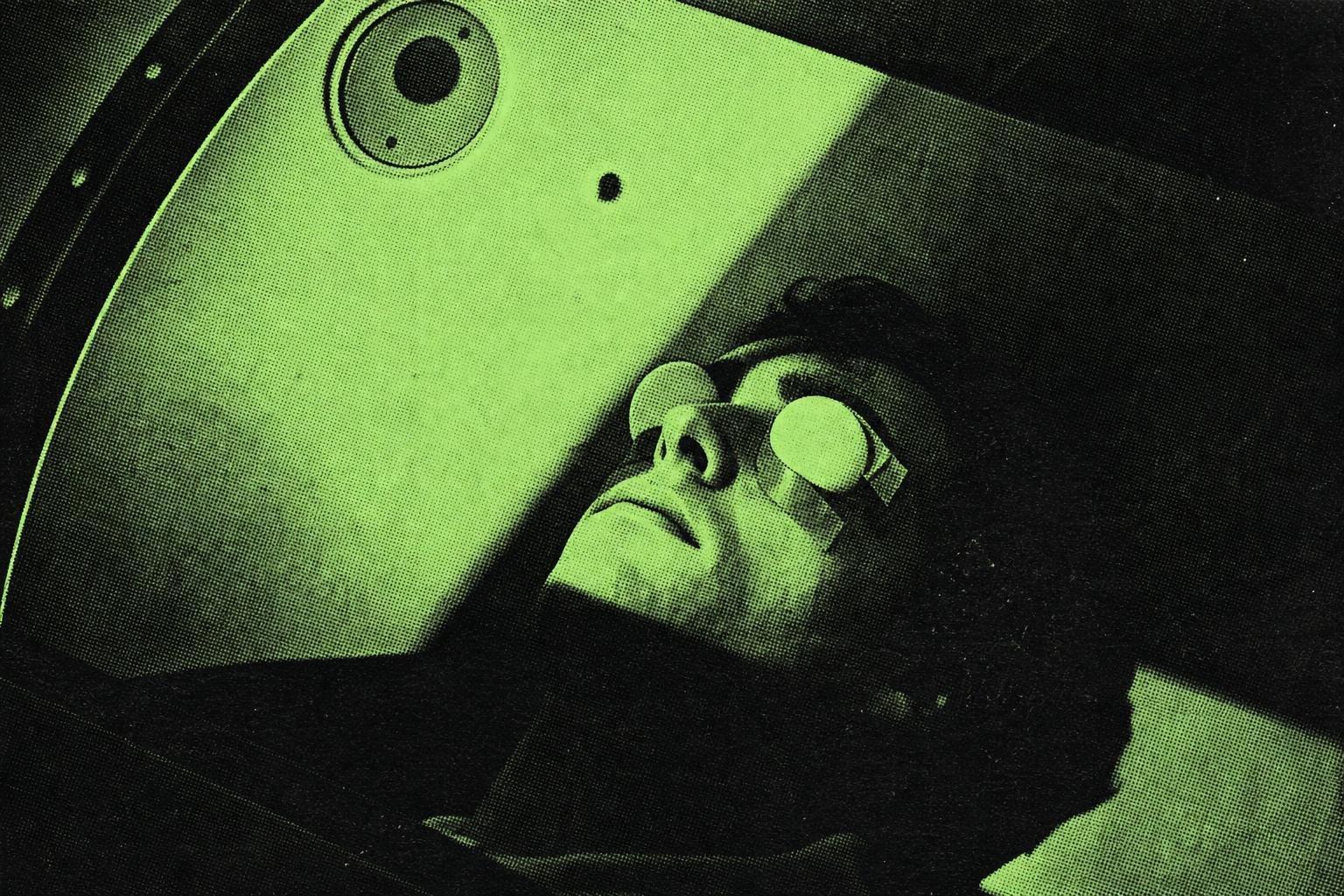

Ganzfeld telepathy research has a familiar rhythm: a meta-analysis finds a small but consistent hit rate above chance, skeptics point to questionable research practices and selective reporting, and the field responds by tightening the next study's design rather than abandoning the paradigm. That cycle has been running since the 1970s. What's changed recently is how explicit the next iteration has gotten about which specific flaws it's trying to close — and a separate accounting of how the preregistration era is actually performing.
The New Study: Precognition as a Security Feature
Caroline Watt, emeritus professor at the University of Edinburgh and a founding member of the Koestler Parapsychology Unit, has published a description of a confirmatory follow-up to an earlier pre-registered ganzfeld study she ran with 60 selected participants across three experimenters, a study that reportedly supported a precognition hypothesis (New Thinking Allowed). The new study, co-authored with Abby Pooley, is designed around three specific fixes to problems that have dogged the ganzfeld literature for decades: participant and experimenter selection to maximize what they call "psi-conduciveness," a precognition design intended to improve security against sensory leakage, and preregistration paired with sufficient statistical power to count as a genuine confirmatory test rather than an exploratory fishing expedition.
That last point matters more than it might sound. A huge share of the criticism aimed at ganzfeld meta-analyses over the years has centered on the gap between exploratory findings — where researchers report whatever correlations show up — and confirmatory ones, where a hypothesis is locked in before data collection starts. Watt and Pooley are also revisiting a specific internal pattern noted in prior reviews: a correlation between participant creativity and ganzfeld task performance, this time using validated creativity measures rather than self-report. It's a sensible move. Correlations between a trait and an outcome across a pool of studies are the kind of signal that's harder to explain away as pure QRP noise, since they'd require a fairly specific and consistent form of manipulation across independent experimenters to fake. Whether that logic holds up is itself debatable, but it's a more interesting argument than "the effect is real because the p-value is small."
Here's the catch, as of this source: the paper describes the study's design and rationale, not its results. We don't yet know whether this confirmatory run replicated the earlier precognition finding.
The Base Rate Problem Is Still the Base Rate Problem
While that study was circulating, a separate systematic review landed that's more sobering. It examined preregistered studies on ESP and micro-psychokinesis available through October 2026, following PRISMA guidelines and pulling from major registries including OSF and the Koestler Parapsychology Unit's own study registry (OSF preprint). Across 50 studies and 60 experiments, only 17 experiments — 28.3% — reported a positive outcome. At the level of individual confirmatory hypotheses, the number is lower still: 20 out of 97, or 20.6%.
The review's authors frame this comparatively rather than damningly: they note that this hit rate isn't necessarily much lower than what mainstream psychology produces under preregistration, where positive-result rates have also dropped substantially once researchers can't quietly optimize their analyses after seeing the data. That's a genuinely useful corrective to both sides of the ganzfeld debate. It cuts against proponents who'd cite older, larger effect sizes from less-constrained meta-analyses as if they still represented the field's real performance. But it also cuts against skeptics who'd treat a sub-30% confirmation rate in parapsychology as uniquely damning, when a comparable discipline-wide preregistration squeeze seems to produce similarly modest numbers elsewhere in psychology.
What to Watch
The honest reading is that preregistration is doing exactly what it's supposed to do across psychology generally — deflating inflated effect sizes toward something closer to a true null, or close to it. Ganzfeld research isn't being singled out by the discipline's own transparency reforms; it's being folded into them. The specific thing worth tracking next is whether Watt and Pooley's confirmatory precognition study, once results are published, lands inside that ~20-28% band the broader preregistration review describes, or breaks from it in either direction. A result that replicates the earlier creativity correlation using validated measures, inside a fully preregistered and adequately powered design, would be the first ganzfeld finding in years that skeptics couldn't dismiss on methodological grounds alone — they'd have to argue about the phenomenon itself.