


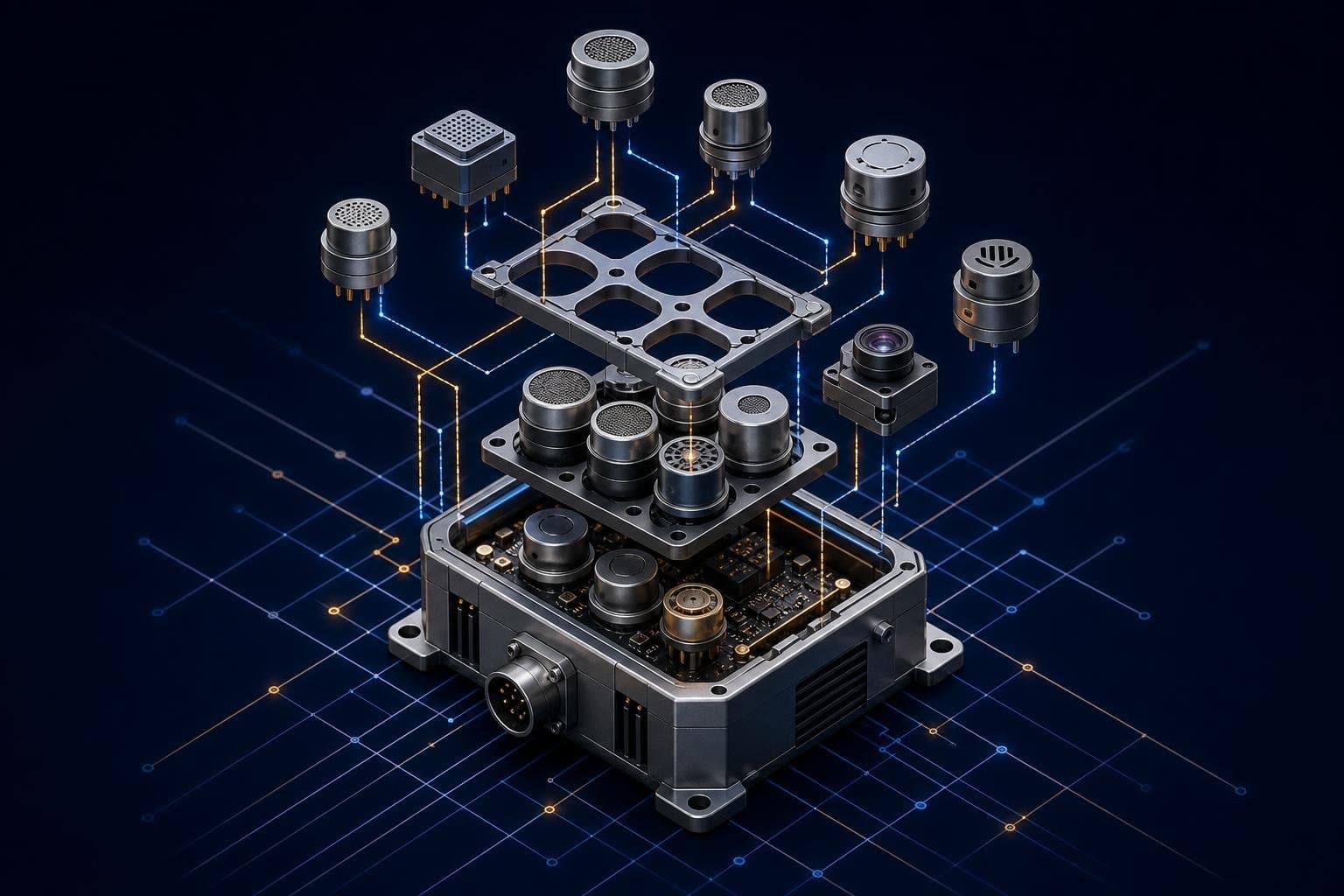

A $240 million sole-source contract to a small business in Littleton, Colorado — no competition, no justification-and-approval memo, no incumbent defense prime in sight. That's what Sherpa 6 just pulled off with the Army's chemical and biological detection program, and the mechanism that made it possible deserves more attention than the dollar figure.
SBIR Phase III isn't a procurement shortcut — it's a statutory right. Under 15 U.S.C. § 638, agencies that funded a company through Phase I and Phase II R&D can follow that investment directly into a production contract without re-competing the technology. The logic is sound: the government already paid for the research; re-opening competition invites firms that bore none of the R&D risk to undercut the innovator on price using government-funded IP as their baseline. So the Army awarded Sherpa 6 a five-year, $239.6 million firm-fixed-price contract through June 2031, with only one offer received and no FAR Part 6 exception required.
The Real Story Is What This Signals to Startups
The defense tech funding wave is real — Alumni Ventures, a16z, and Lockheed Martin Ventures are all deploying aggressively, and the IPO window cracked open this month when Applied Aerospace & Defense raised $650 million at $20 per share. But capital availability isn't the bottleneck for most startups — the Valley of Death between prototype contract and production deal is. Ross Fubini, who wrote Anduril's first check and now runs XYZ Venture Capital, has argued that most of the new wave of defense startups will get lost there regardless of how much money is chasing them.
SBIR Phase III is one of the cleaner paths through that valley. It rewards companies that do the unsexy early work — Phase I feasibility, Phase II prototyping — by giving them a statutory on-ramp to production contracts that legacy primes can't easily contest. Hermeus used a similar DIU contract structure to grow its Quarterhorse program to a $219 million ceiling. The pattern is consistent: early government R&D investment, followed by a sole-source follow-on that converts technical credibility into locked revenue.
For investors evaluating defense startups right now, the question isn't just whether a company has a compelling technology — it's whether they're building the Phase I/II track record that makes Phase III possible. That's a longer game than most venture timelines prefer. But it's also one of the few paths in Pentagon procurement where a small business can reach nine-figure contracts without going through a prime.