



The Anthropic fallout is getting most of the attention — the public fight, the Pentagon ban, the lawsuit. But the more interesting story is what's happening in the infrastructure layer underneath it.
A small group of AI companies has been doing unglamorous, rarely-publicized work to make it possible for defense and intelligence agencies to use AI without exposing classified data. Fortune reported that Nicolas Chaillan, founder of Ask Sage — an AI platform used by thousands of DoD teams — estimates this secure AI infrastructure market at roughly $2 billion. That's not a rounding error.
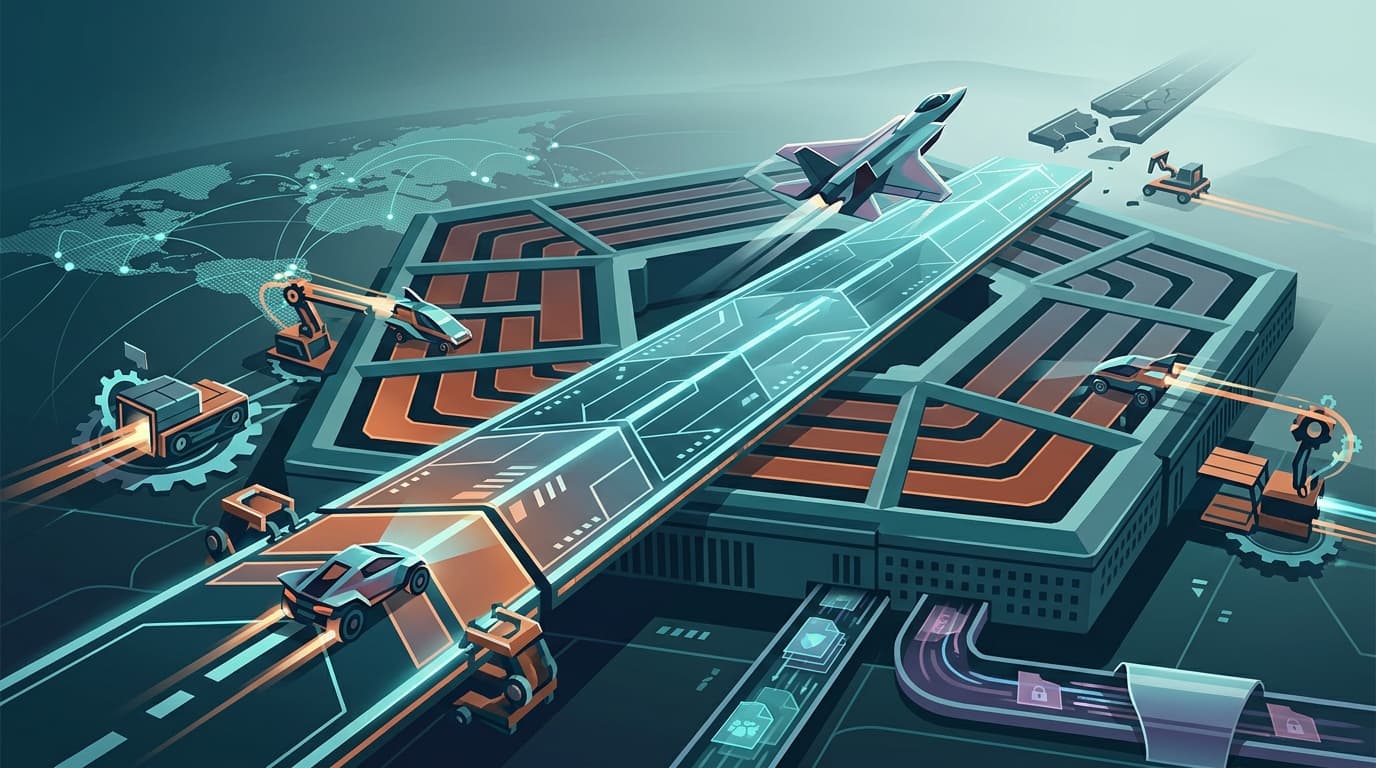
The core tension is structural: modern LLMs are trained on data they ingest, which means deploying off-the-shelf models on classified networks creates real exposure risk. Before the Anthropic dispute, Claude was among the only LLMs approved for DoD classified networks — but that arrangement only worked because Palantir and AWS provided the secure infrastructure layer that hosted it. The model was the warplane; the infrastructure companies built the runways.
When Anthropic's relationship with the Pentagon collapsed, it didn't just create a vendor gap. It exposed how thin the approved-infrastructure bench actually is. Reuters reported that smaller AI startups are now fielding calls from generals and combatant commanders who suddenly need alternatives — fast.
This is where Silicon Valley speed and Pentagon security requirements collide in the most concrete way possible. The startups getting those calls can move quickly on capability. But getting a model approved for classified networks isn't a product sprint — it's a security accreditation process that can take years. The companies that already have that infrastructure plumbing in place, or that have built specifically for air-gapped and classified environments, have a durable moat that no funding round can shortcut.
I'd argue the Anthropic episode is accelerating a bifurcation that was already underway: general-purpose AI companies trying to serve both commercial and defense markets, versus purpose-built defense AI infrastructure companies that treat security architecture as the product, not an afterthought.
Watch which startups emerge from the current Pentagon scramble with actual classified-network approvals — not just pilot contracts. That's the list worth tracking.