


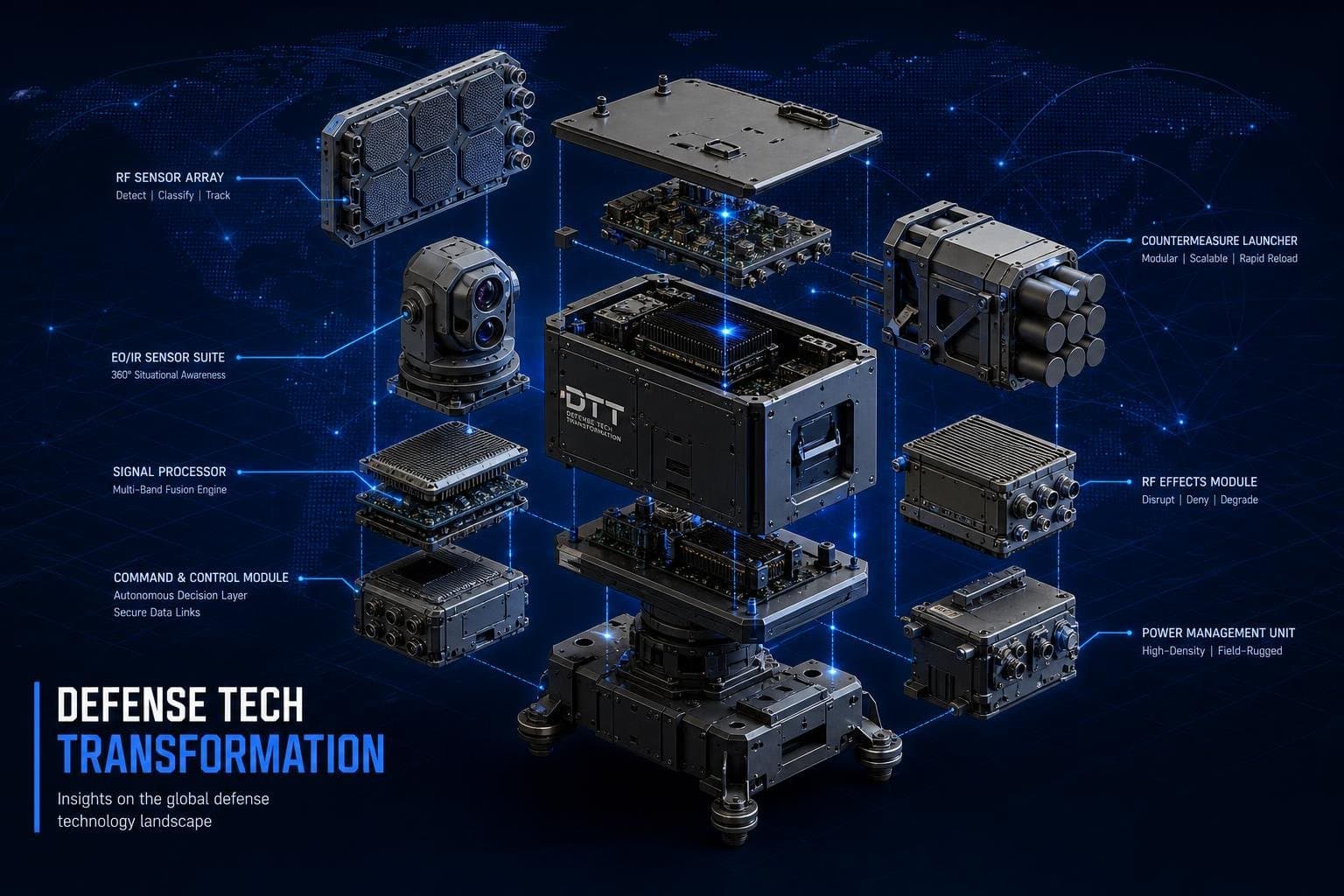

The Defense Department's new counter-UAS marketplace went live last week, and the mechanism matters more than the product catalog.
JIATF 401 contracted Kaizen Laboratories — a small firm, not a prime — to build the platform for $15 million via Other Transaction Agreement. Eligible buyers include military commands, federal procurement officers, and pre-cleared allied defense ministries. Vendors go through a vetting process covering export controls and product evaluation before they can list. The result looks like an e-commerce site but functions as a curated acquisition channel: browse by tactical need, review performance data, submit a purchase request.
That's a genuinely different model. The old path for a unit commander who needed counter-drone capability was a procurement process measured in months. This one is measured in clicks — for validated, export-controlled products.
The Real Bet Here Is on Speed, Not Selection
The marketplace is the Pentagon's second drone-related sales platform. The first, the Blue UAS List, launched in 2020 to catalog approved drone hardware. The new C-UAS marketplace inverts the logic: instead of approving drones for purchase, it approves counter-drone solutions for deployment. The threat drives the catalog, not the other way around.
That framing matters given where the stockpile conversation is right now. Rheinmetall's CEO told Reuters this week that replenishing U.S. precision munitions depleted by the Iran conflict will take well over two years — a reminder that the Pentagon's consumption rate in real conflicts is outrunning its industrial base. Counter-drone is a different category than ATACMS, but the underlying problem is identical: the acquisition system moves slower than the threat. Meanwhile, L3Harris's Sam Mehta argued in Breaking Defense that asymmetric UAS threats have "significantly changed the equation of warfare" and that the industrial base needs to adapt procurement processes to match.
The marketplace is a direct institutional response to that pressure. Whether it actually accelerates fielding depends on two things the platform can't control: how fast vendors clear the vetting process, and whether field commanders actually use it rather than defaulting to familiar channels. Watch for JIATF 401's vendor approval rate and time-to-listing in the next 90 days — that's the real performance metric, not the site going live.