


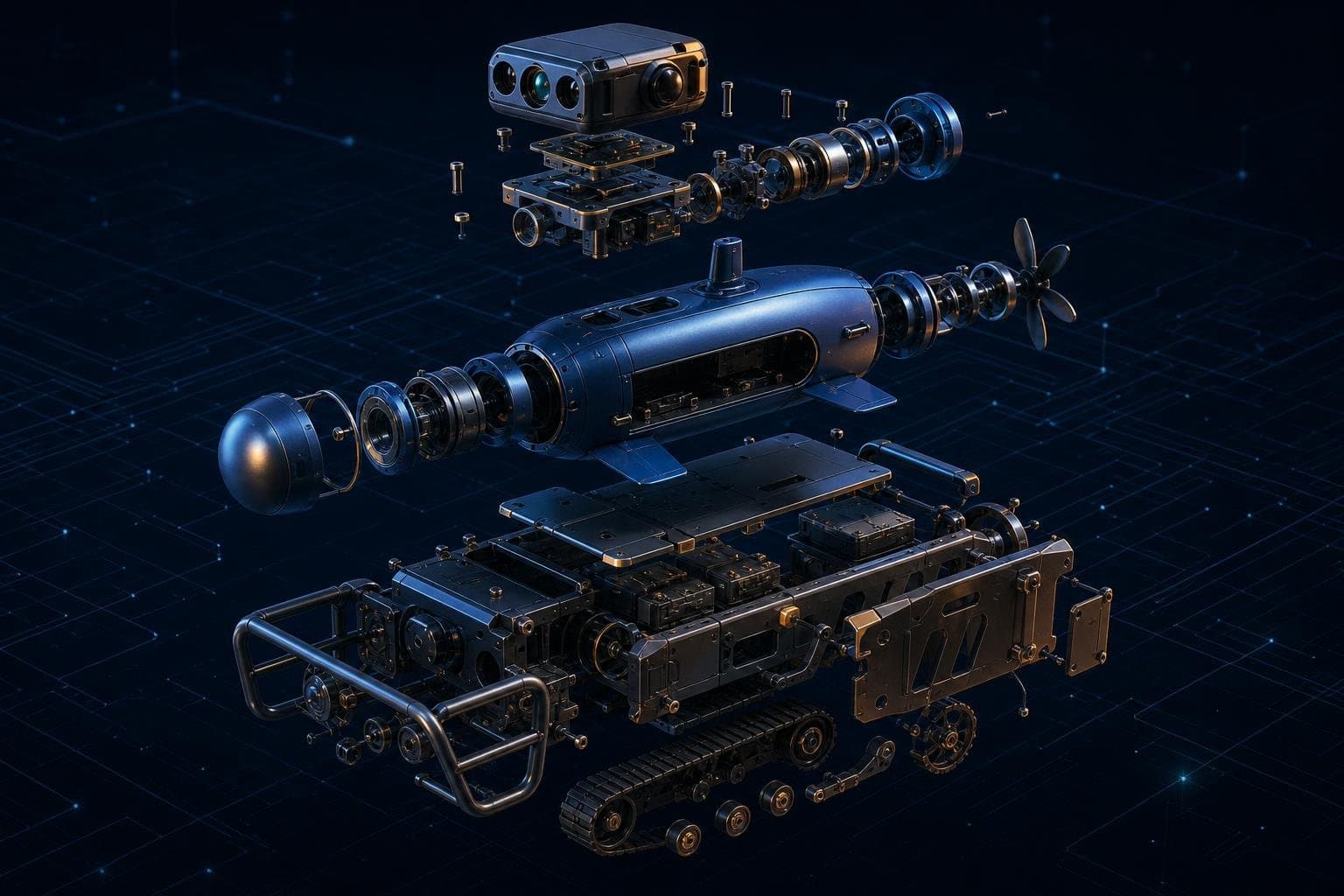

Anduril has spent its existence chasing large prime programs — the kind that come with multi-year contracts and Pentagon validation. Armory flips that script. The new storefront lets anyone — OEMs, integrators, allied buyers — browse drones, sensors, and undersea vehicles and submit purchase inquiries directly. Chief business officer Matthew Steckman told Axios the goal is to pull in "original equipment manufacturer traffic and other types of A&D companies" alongside government buyers.
That's a meaningful strategic expansion. Anduril has historically built toward large, singular programs. Armory is the opposite: a catalog model that converts Anduril's hardware portfolio into a supplier relationship rather than a prime-only play. The company is already building to a rate above booked orders — Steckman said they deliberately overproduce relative to demand — which means Armory is also a mechanism to absorb that production capacity efficiently.
One telling detail: missiles like Barracuda weren't listed on Armory as of this week. Munitions sit in a different regulatory tier, and Anduril is threading that needle carefully. What's available — the Wisp sensor, the Dive-LD undersea vehicle, the Voyager chassis — represents the dual-use and platform layer of the portfolio, not the lethal payload layer. That's a smart first move.
The timing matters. The Navy's CTO told TechCrunch this week that the service now buys primarily from Series D through F companies and is actively trying to route early-stage investment responsibility to commercial capital. Anduril, valued north of $60 billion, is well past that threshold — which means the company's growth now depends less on Pentagon co-investment and more on building commercial and allied demand pipelines. Armory is infrastructure for exactly that.
Watch whether allied defense ministries and NATO