


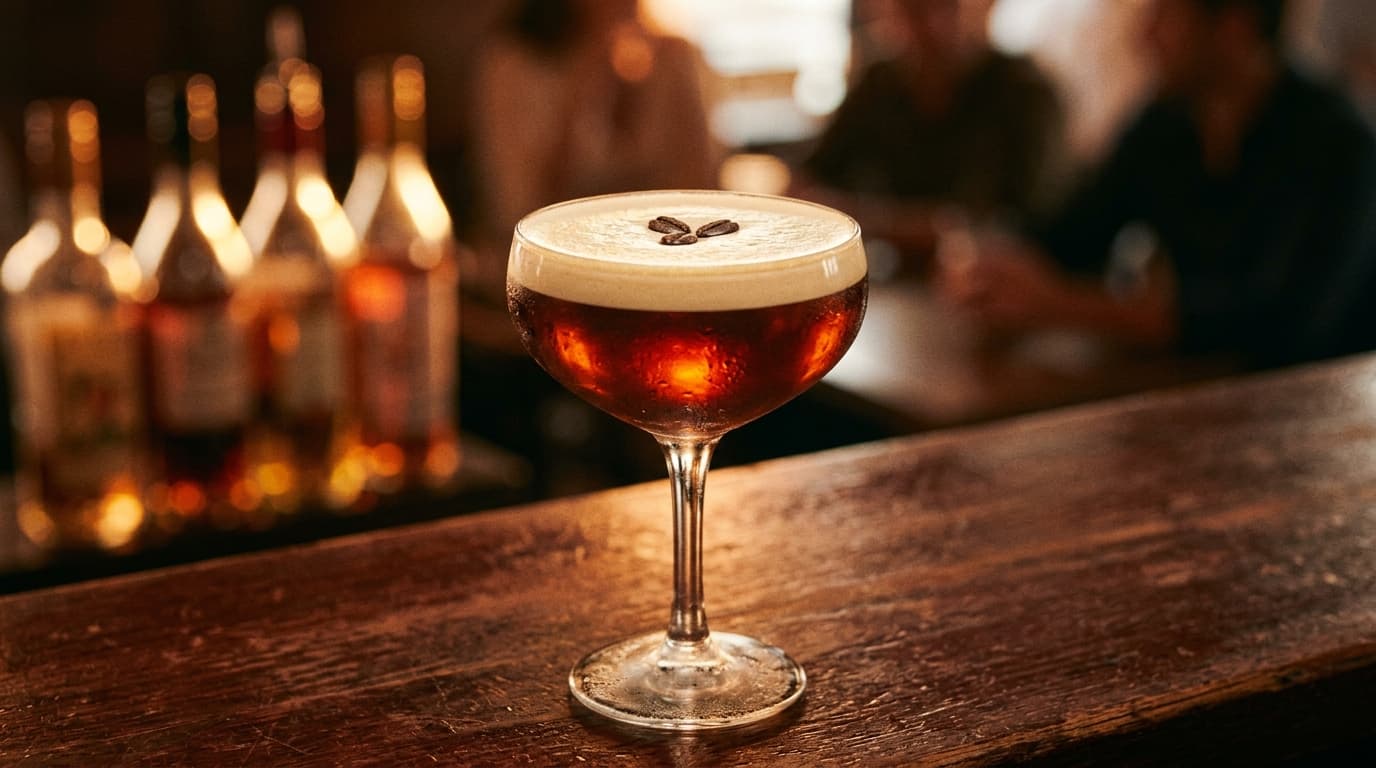

There's a particular kind of cocktail snobbery that mistakes contempt for taste. The Espresso Martini has been the target of it for years — too sweet, too basic, too much foam, too many people ordering it at once. Bartenders rolled their eyes. Serious drinkers looked away. And then a funny thing happened: the drink kept getting better, and the people making it started caring.
The backlash to the backlash isn't just cultural rehabilitation. It's something more specific — a case study in what happens when a genuinely flawed drink gets taken seriously by people who know what they're doing.
The Original Problem Was Real
Let's not rewrite history. The Espresso Martini earned its bad reputation. Dick Bradsell's original creation — built on fresh espresso, vodka, coffee liqueur, and sugar syrup — is a good drink. What proliferated across the industry was not that drink. It was a facsimile made with stale cold brew concentrate, bottom-shelf vodka, and Kahlúa measured by instinct, shaken with ice that had been sitting in the well since Tuesday. The foam was a lie. The coffee flavor was a memory of a rumor of coffee.
The drink's structural problem is that it has almost no margin for error. Bad espresso ruins it immediately. Warm espresso dilutes it into something thin and sad. Too much sugar and you've got a dessert that forgot it was supposed to be a cocktail. Every shortcut shows. Most bars took every shortcut.
What Changed Isn't the Recipe — It's the Execution
VinePair surveyed 17 bartenders about what separates a great Espresso Martini from the standard-issue version, and the answers are instructive: fresh espresso, chilled before it hits the shaker, to preserve flavor intensity and reduce dilution. That's it. That's the core upgrade. Not a new ingredient, not a technique borrowed from molecular gastronomy — just pulling a proper shot and treating it with the same care you'd give any other primary ingredient.
What's also happening is that bartenders are using the drink's structure as an actual canvas rather than a burden. Arvid Brown at Room for Improvement in Portland, Maine, builds his version on rum with a malty banana note, salted coconut foam, and a heavy measure of Allen's Coffee Brandy — a regional cult ingredient he describes as sweet, robust, and body-lending in a way other coffee liqueurs don't match. That's not a gimmick. That's a bartender thinking about what the drink actually needs and finding a regional answer to it.
The pattern here is familiar to anyone who's watched a maligned category rehabilitate itself. The drink doesn't change. The seriousness applied to it does.
The No. 4 Spot Is Uncomfortable but Honest
According to VinePair, the Espresso Martini landed at No. 4 on the list of the 50 most popular cocktails in the world for 2025. That number will make certain people deeply unhappy. It shouldn't.
Popularity and quality aren't the same thing, but they're not opposites either. The Daiquiri is popular. The Negroni is popular. The Old Fashioned has been popular for over a century. What those drinks share with a well-made Espresso Martini is structural integrity — they're built on a logic that works when executed correctly. The Espresso Martini's logic is: bitter coffee, neutral spirit, sweetness, cold. That's a sound architecture. The failures were always in the construction, not the blueprint.
I'd argue the real tell is that serious bartenders — the ones who'd sooner quit than make a bad drink — are now competing to make the best version rather than refusing to make it at all. That's not capitulation to trend pressure. That's recognition.
Build It Right
The version worth making at home:
Espresso Martini
- 2 oz Ketel One vodka (neutral enough to let the coffee lead)
- 1 oz Mr. Black Cold Brew Coffee Liqueur (widely available, ~$30, specialty shops and most well-stocked liquor stores — less sweet and more coffee-forward than Kahlúa)
- ¾ oz fresh espresso, pulled and chilled
- ¼ oz simple syrup (adjust to taste; skip if your liqueur runs sweet)
Shake hard with ice for a full 15 seconds. Double-strain into a chilled coupe. The foam is a function of the shake and the espresso's crema — it either happens or it doesn't, and you can't force it with technique.
On the liqueur: Kahlúa works and has its place, but its sugar content tends to push the drink sweet before you can balance it. Mr. Black runs drier and more bitter, which gives you more room to work. Tia Maria sits between them. All three are widely available; Mr. Black is the easiest to build with.
The Espresso Martini doesn't need defending anymore. It needs making well. The bartenders who spent years sneering at it while serving mediocre versions of other trend drinks don't get to claim the high ground here. A drink that survives that much contempt and still improves — that's not a trend. That's a cocktail.