


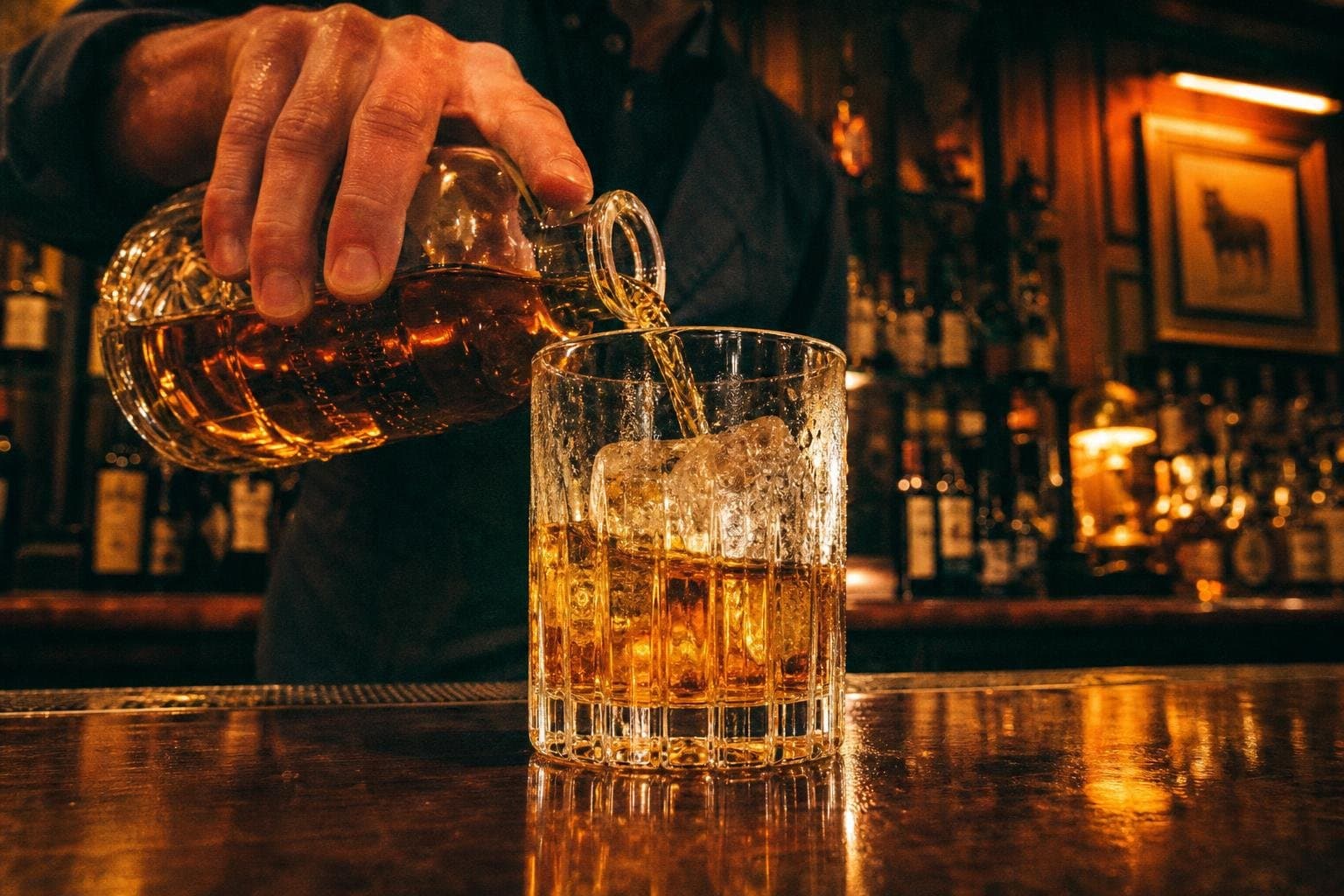

The four words every regular wants to hear — "this one's on me" — are getting harder to come by. Punch's recent piece on the decline of the buyback makes the case that the practice, a staple of American bar culture since Prohibition's repeal, has been quietly eroding for decades. The economic pressures are real. But the more interesting story is what's filling the void.
The buyback was never really about the free drink. It was a ritual of mutual recognition — the bar acknowledging that you're not just a transaction. Bartender Rick Paulas, writing about the shift, traces part of the decline to social media: once the if-you-know-you-know traditions became widely known, the insider currency evaporated. You can't signal belonging with a gesture everyone's read about on their phone.
The Replacement Is Vibes-Based, Which Is a Problem
What's taken the buyback's place, according to the bartenders Punch surveyed, is something more discretionary and less legible. Drinks comped on feel. Pours run a little heavy for a friend. No structure, no cadence, no shared understanding between bartender and regular about what earns what. That's not a tradition — it's just favoritism without the ritual.
The buyback worked because it was a system, even an informal one. Three drinks, fourth is free. Everyone at the bar understood the logic. The new approach — "vibes based and dependent on the sales for the day," as Paulas describes his own bar's practice — puts the entire weight of the relationship on individual bartender discretion. That's fine when the bartender knows you. It's alienating when they don't.
What this really reflects is the squeeze on neighborhood bars and dives operating on margins that can't absorb generosity on a schedule. That's a legitimate problem, and blaming bartenders for it misses the point. But the loss of the buyback as a legible institution matters beyond the free drink itself. It's one of the few remaining mechanisms by which a bar communicates to a stranger: stick around, you belong here.
The craft cocktail world replaced that belonging with expertise — the bartender as educator, the menu as curriculum. The dive bar replaced it with nothing, or with the vague promise that the right bartender might like you enough to pour heavy. Neither is the same thing.
Watch whether neighborhood bars find a new ritual to replace it, or whether the regular — as a category of person, not just a frequent customer — quietly disappears along with the practice.