
There's a moment in the Cascadia MTB video of riders picking up their new TR11s directly from Transition's facility that says more about the brand than any press release could. You drive to Bellingham, Washington. You pick up your bike. You go ride it. That's the whole transaction — and it's a deliberate one.
Transition has been doing this long enough that it shouldn't still feel unusual. But in a market where most brands are managed from a spreadsheet in a different time zone, the Bellingham model keeps standing out. Worth understanding why — and what it actually costs to sustain.
The TR11 Is the Argument Made Physical
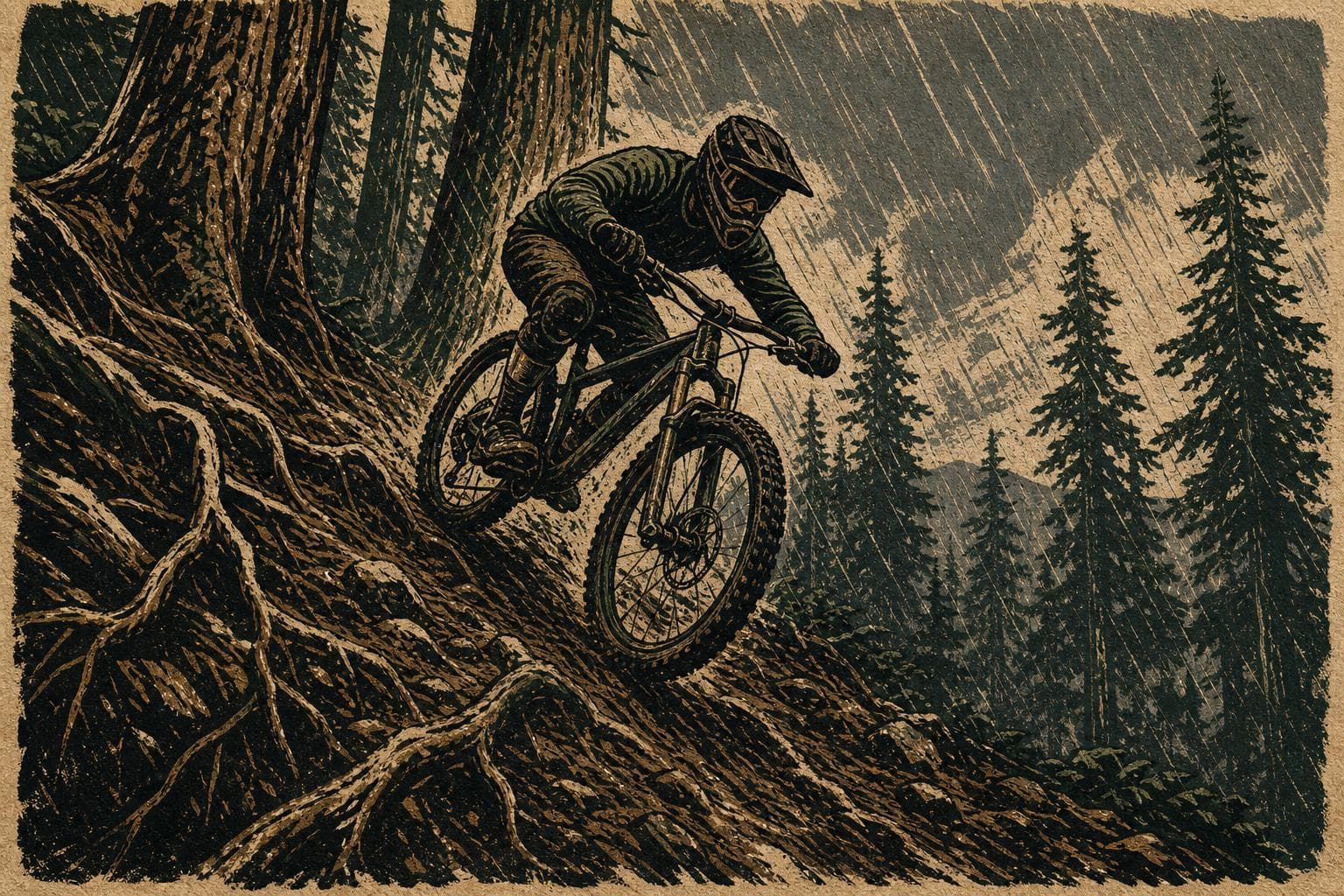
The TR11 is Transition's current trail platform, and based on what's been circulating through the regional scene, it's the bike the brand is betting its identity on right now. The Dirtbag Factory Racing crew ran TR11s at NW Cup Round 1 in Port Angeles — Johnathan Helly, Ella Erickson, and Tor Weiland — in mid-weekend rain that turned the course into something considerably less predictable than the marketing photos suggest. That's the right test environment for a Pacific Northwest trail bike, and running your own athletes on your own bikes in your own backyard race circuit is a coherent way to make the case.
What the TR11 represents isn't just a geometry update or a travel spec. It's Transition's ongoing argument that a bike designed for the specific demands of BC and Washington riding — wet roots, chunky tech, the kind of terrain where you need confidence at low speed as much as high — doesn't need to be validated by the European race circuit to be correct. The local race circuit is the validation. That's a defensible position, and it's one that requires actually showing up to local races rather than just sponsoring them.
The Bellingham Advantage Is Real, But It's Not Free
Staying small and local is a choice that has compounding costs. Transition isn't distributing through the same dealer networks as the majors, which means their reach is structurally limited. The pick-up-your-bike-in-Bellingham experience is genuine and it builds loyalty — but it also means the brand's growth ceiling is lower than a company willing to flatten its identity into a global supply chain. That's not a criticism. It's a trade-off they've clearly made intentionally.
The question is whether that trade-off holds under pressure. The last two years have been hard on mid-size bike brands across North America. Inventory corrections, softening demand in the post-pandemic hangover, and a retail environment that punished anyone who over-ordered in 2021-2022. Transition isn't publicly traded and doesn't release financials, so I can't tell you how they navigated it. What I can tell you is that they're still running a factory race team on local circuits and still doing direct customer pickups — which suggests the model hasn't broken yet.
What the Race Circuit Reveals About the Brand's Health
The NW Cup is a useful signal. It's not a glamour event — it's a regional downhill series that draws serious local racers and a lot of mud. Brands that show up there with factory teams aren't doing it for the exposure. The exposure is minimal. They're doing it because the riders on those courses are exactly their customers, and because losing in front of those people costs something real.
Transition has been a fixture in the Pacific Northwest race scene long enough that their absence would be noticed. Their presence is table stakes. What matters is how the bikes perform and how the team carries themselves — and from what's filtering back through the community, the TR11 is acquitting itself well in the conditions that matter here.
That's the actual product review that counts. Not a controlled test loop in Moab. A mid-race rainstorm in Port Angeles with a stacked field and your name on the bike.
What to Watch Through Summer
The NW Cup runs multiple rounds through the season, and Transition's Dirtbag team will be on the circuit. Watch how the TR11 holds up across different course conditions as the season dries out — the bike's wet-condition credentials are already being established, but summer racing on hardpack will tell a different story about geometry choices.
More broadly: Transition is one of the cleaner tests of whether a Bellingham-scale brand can sustain its model through a difficult market cycle without either selling out to a larger parent or quietly retreating from the race and community commitments that define it. The next 18 months will answer that question more clearly than any product launch will.
Elsewhere this week: Post Canyon riders — the HRATS herbicide closure that ran May 4–14 should be wrapping up right about now. Check HRATS channels before heading out; reforestation applications don't always run on schedule.
Community note: Evergreen East is running a film night at Brick West Brewing on May 23 at 5:30pm. Eastern Washington chapter event — worth the drive if you're in the region and want to put faces to the advocacy work.


