
The assigned topic — NSMBA's summer maintenance blitz on Squamish trails — is a legitimate beat. Late summer is exactly when North Shore and Squamish trail associations push hard on deferred maintenance before fall rain locks in whatever damage the season left behind. The problem is that none of the sources in this week's pool confirm specific NSMBA work on specific Squamish trails. What I have is a Squamish Community Forest governance story, a Vermont trail association's summer crew update, and a couple of items with no connection to the NSMBA at all.
So here's what I can do: write about what the summer maintenance window actually means for the Squamish network, grounded in what's verifiable, and flag where the specific reporting still needs to happen.
What Late August Actually Means for Squamish Trails
If you've ridden Squamish in the last few weeks, you already know the conditions have been variable. High summer traffic does predictable things to dirt: berms lose their shape from repeated lateral loading, drainage features get blown out by concentrated runoff, and high-traffic zones compact into hardpan that sheds water sideways instead of shedding it off-trail. The maintenance window between mid-August and the first sustained fall rain is the most important one of the year — not because it's the only time crews work, but because it's the last chance to reset drainage before wet season turns every neglected grade reversal into a channel.
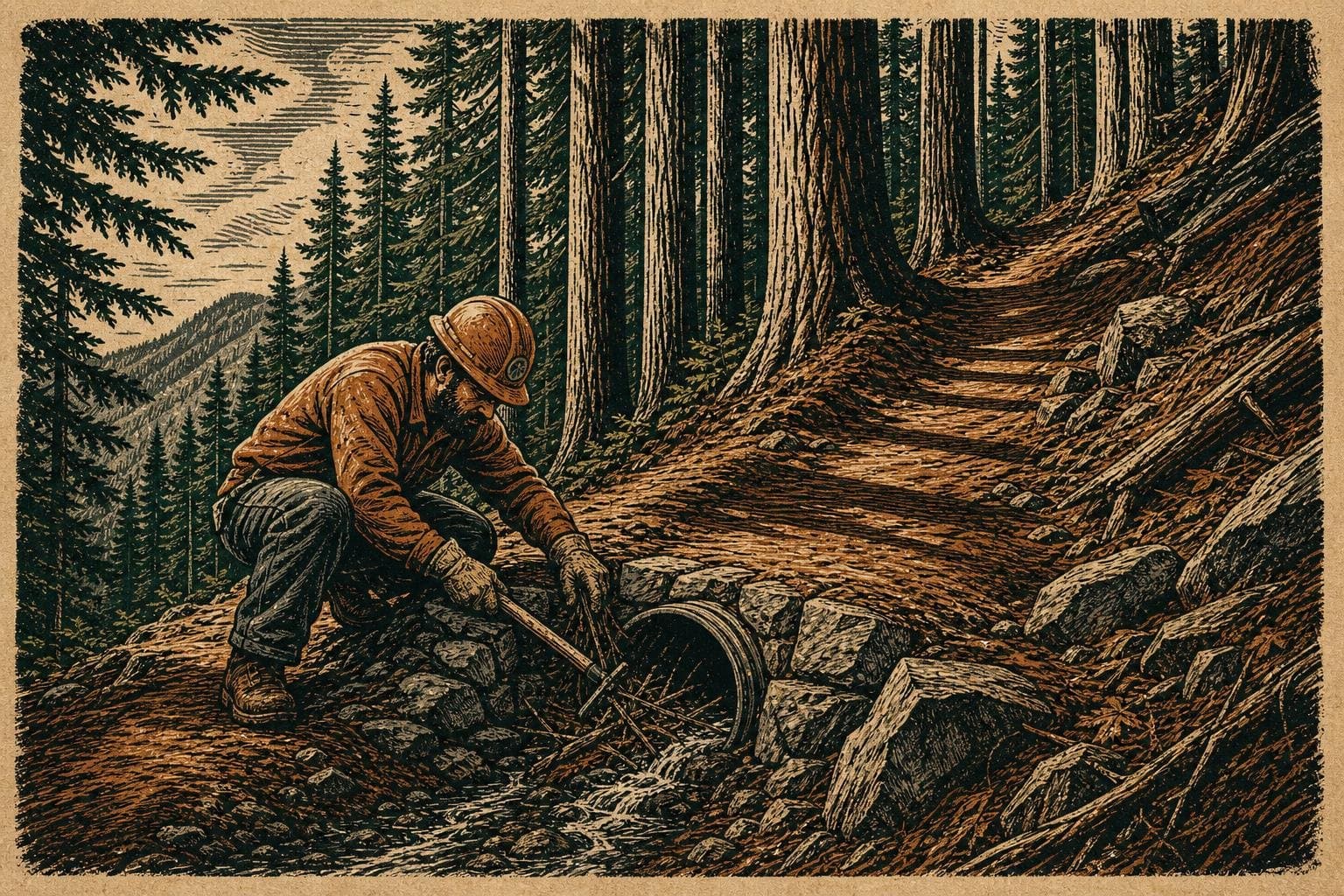
The work itself is unglamorous and largely invisible to riders. Slate Valley Trails in Vermont described their summer crew focus this way: clearing culverts, reopening grade reversals, armoring wet and high-traffic zones with rock, and rebuilding berms that have taken a beating. That's not a Vermont-specific list. That's the universal late-summer maintenance checklist for any singletrack network that sees serious volume — and Squamish sees serious volume. The same source notes that without regular care, even the best-built trails can quickly turn into rutted, muddy, or unsafe terrain — a reality that applies equally to the Shannon Falls corridor or the Garibaldi Highlands trails as it does to anything in the Green Mountains.
The NSMBA has been running this kind of seasonal maintenance rhythm for years. Whether they've branded this summer's push as a "blitz" or just done the work without a press release is something I can't confirm from the current source pool. But the work is happening — it always is at this time of year.
The Squamish Community Forest Angle Worth Watching
One thing the sources do confirm is a governance shift happening right now in how the Squamish Community Forest is managed. The Squamish Chief reported that at an August 10 council meeting, District of Squamish elected officials unanimously voted to authorize the mayor to write a letter to the community forest board inviting recommendations for new community member seats. The proposal, put forward by Mayor Hurford, would reduce the number of elected officials on the board in favor of community members with relevant expertise — moving toward an arm's-length model similar to how the library board operates.
Why does this matter for riders? The Squamish Community Forest covers 11,303 hectares of land mostly on hillsides east and south of town — Shannon Creek, Raffuse Creek, Stawamus River, Mashiter Creek, south of Alice Lake, Ring Creek, and the lower Mamquam River. That's terrain that overlaps significantly with Squamish's riding zones. Who sits on that board, and what expertise they bring, has downstream effects on how the forest is managed and what access looks like for trail users over the long term.
The joint partnership between the Skwxwú7mesh Úxwumixw (Squamish Nation) and the District of Squamish — signed in 2019 — is the foundational agreement here. For context on how BC's land managers think about recreational access within managed forest and park land, BC Parks' own guidance illustrates the layered jurisdiction that trail advocates navigate whenever public land governance shifts. The board recommendations are expected to come to council this fall. That's a public process, and it's one the riding community should be paying attention to, because the people who end up in those community seats will shape how the forest is managed for years.
The Reporting Gap and What to Watch
The honest version of this week's Squamish maintenance story is: the work is happening, the seasonal logic is sound, and the governance context is shifting in ways that matter for long-term access. But the specific trail-by-trail reporting — which lines got rebuilt, which drainage systems got reset, what the NSMBA crew actually prioritized this summer — isn't confirmed in this week's source pool.
Watch the NSMBA's own channels for crew updates as fall approaches. Trail associations tend to publish end-of-season summaries that are more useful than mid-season announcements anyway — you get the full picture of what got done rather than a preview of what might happen. The Squamish Community Forest board recommendations, expected this fall, are the other thread to track. That governance story will move slowly, but it's the kind of thing that shapes access for a decade.
The dirt is getting worked on. The details will follow.


